Church of Saint James the Greater in Církvice: A Romanesque Church in Czechia
Site at a Glance
- Rating
- 4
- Popularity
- Very Low
- Country
- Czechia
- Primary era
- Medieval
- Eras represented
- Medieval, Early Modern
- Civilizations
- Duchy of Bohemia, Habsburg, Habsburg Austria, Holy Roman Empire, Kingdom of Bohemia
- Site type
- Religious
- Remains
- Church
On this page14 sections
History
Consecration and early history
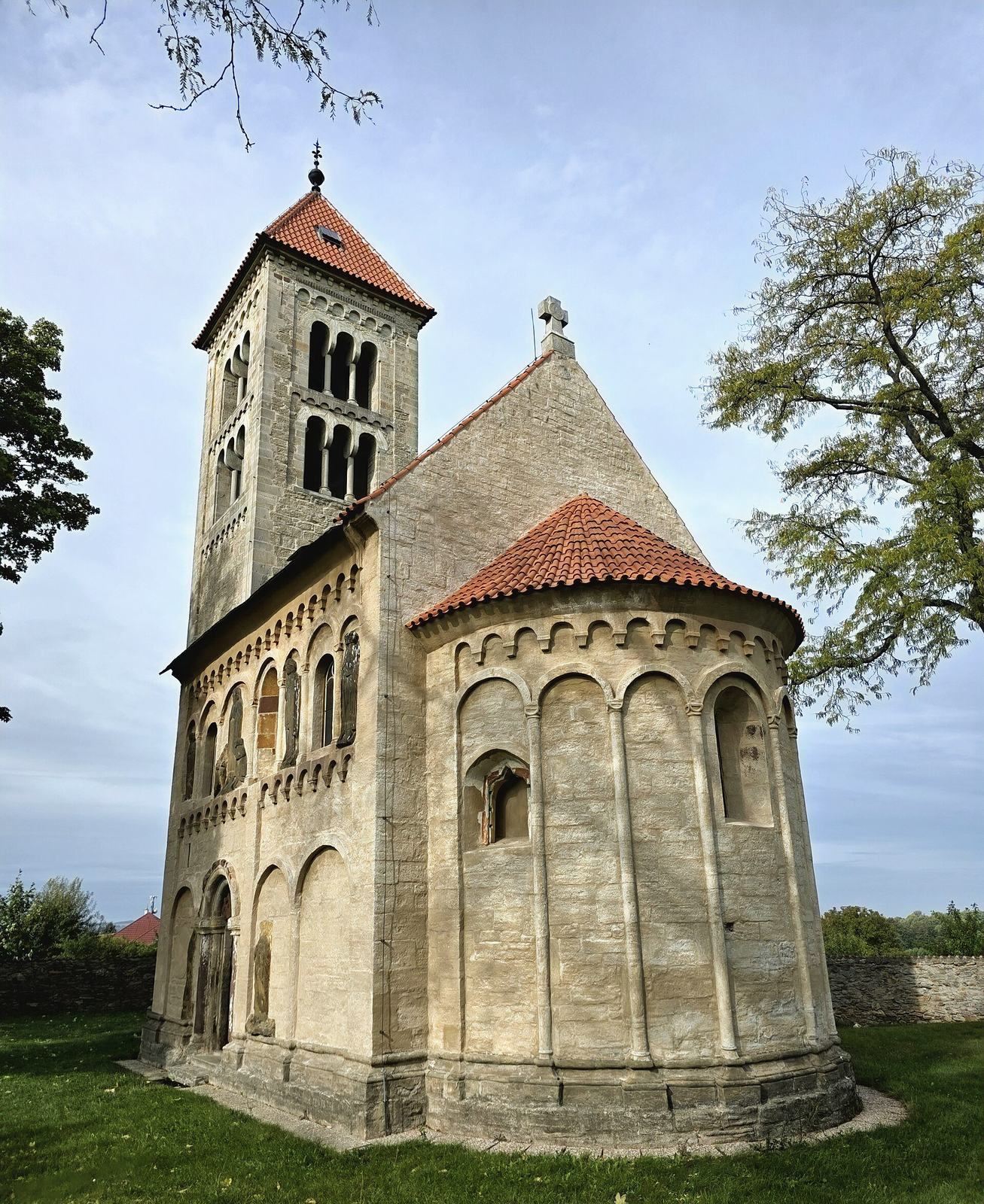
The Church of Saint James the Greater in Církvice is a Roman Catholic church in the village of Jakub, part of Církvice, Czechia. Its Romanesque architecture belongs to a medieval European style characterized by rounded arches and substantial masonry. Dedicated to Saint James the Greater, one of the Twelve Apostles, the church was consecrated on 19 November 1165 by Daniel I, Bishop of Prague. King Vladislav II of Bohemia and Queen Judith attended the ceremony.
A document recording the consecration, bearing Bishop Daniel’s wax seal, was found near the organ during renovation work in 1846. It is now held at the National Museum in Prague.
Warfare and renewal
Fighting took place near the church during the fifteenth-century Hussite Wars, conflicts in Bohemia associated with a religious movement inspired by Jan Hus. The Hussite commander Jan Žižka led forces in the area. Swedish troops also fought nearby during the Thirty Years’ War, a major European conflict from 1618 to 1648.
Damage from the Hussite Wars made renewal necessary by 1570. The Counts of Sternberg, whose estate then included the church, financed the work.
Restoration and protection
Work carried out from 1872 to 1874 aimed to preserve the church’s Romanesque fabric, and the nave was restored with that character in mind. The tower was repaired in the same style in 1883. A comprehensive renovation followed from 1999 to 2007. In 2008, the church became a National Cultural Monument of the Czech Republic.
Remains
Exterior and sculpture
Building form
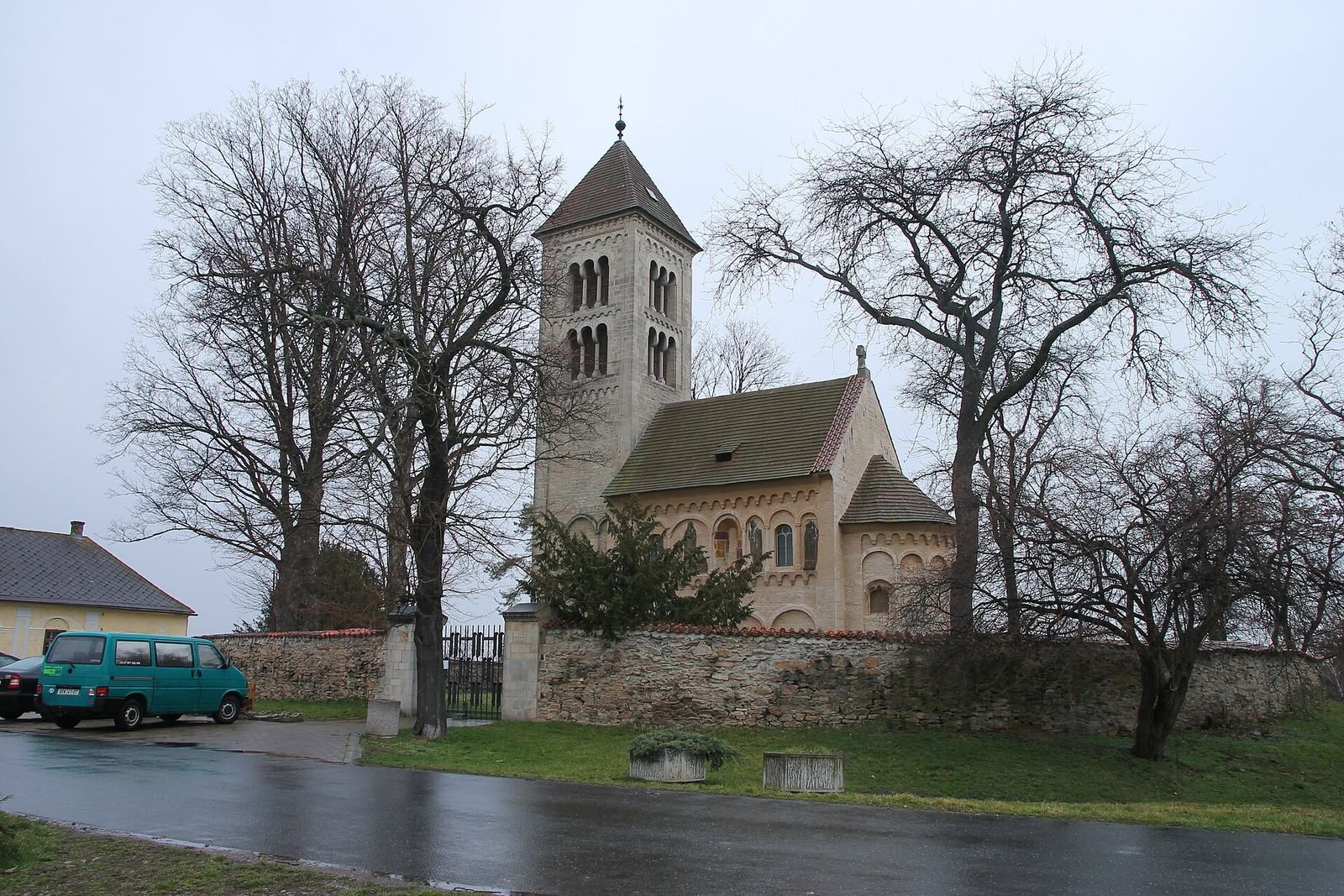
The church is a single-nave sandstone building, made with stone from a nearby quarry. A semicircular apse, the rounded sanctuary end, closes the east side, while a square-plan tower adjoins the west end. Two rows of blind arcades, shallow arches applied to a wall without openings behind them, extend along the long exterior walls.
South-façade sculpture
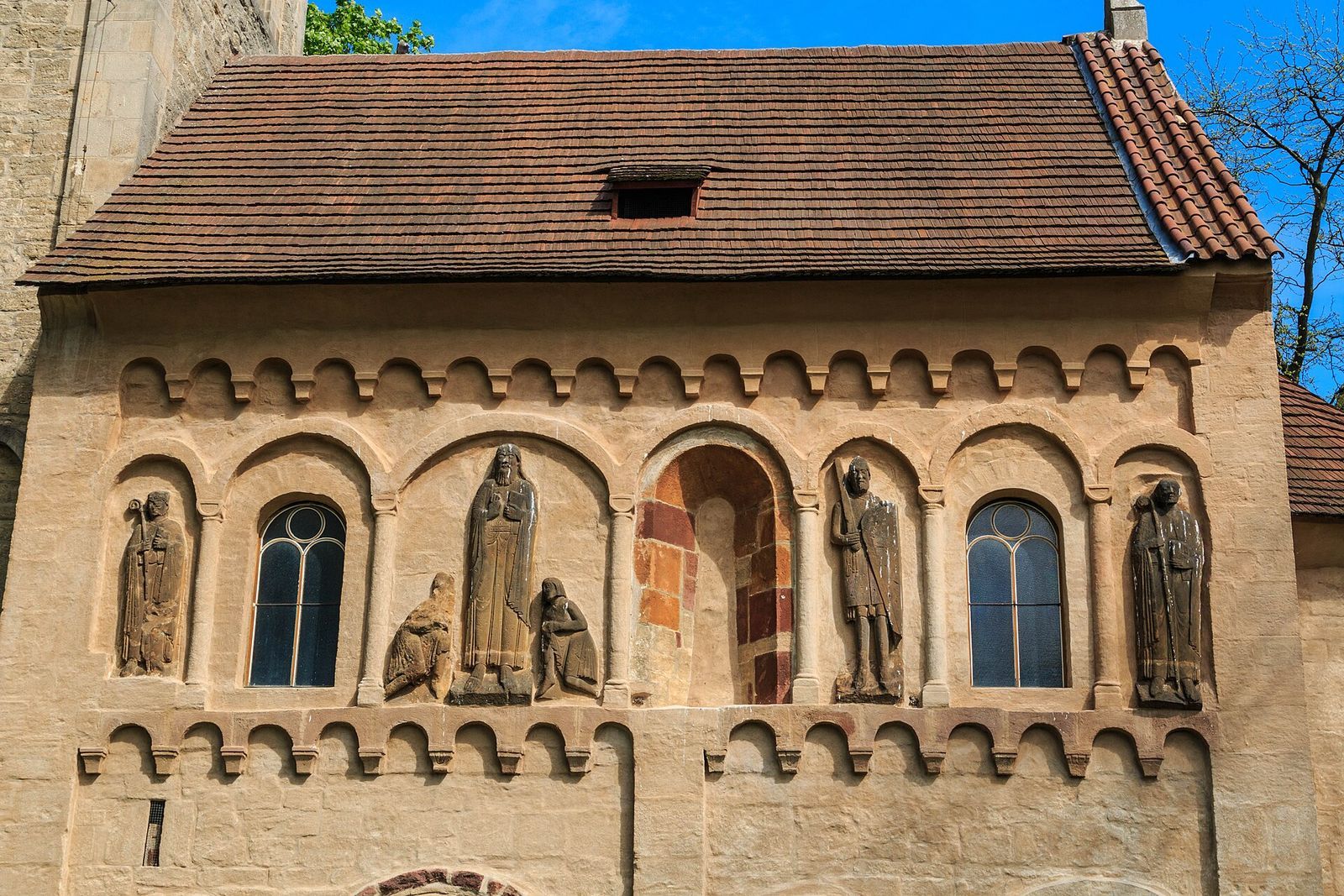
The south façade carries an extensive group of Romanesque sculptures dating to the mid-twelfth century, considered among the most important Czech examples of the period. The sculptures were not originally made for this church, and their makers are unknown. They may have come from stoneworkers associated with the monastery at Sedlec or from sculptors at Vladislav II’s court. Cuts to figures’ legs and swords show where parts were trimmed to fit them into place.
The upper tier is in better condition than the lower one, a difference attributed to wartime damage. Its figures include two bishops, a saint accompanied by two donors, and a knight. Above the main doorway, Saint James appears between two kneeling figures who may be the apostles Peter and Paul. A niche to the left holds Saint Adalbert with a bishop’s staff. The figure in the niche to the right may be Saint Wenceslaus, shown with a shield and sword; if so, it is the oldest surviving image of him. Farther right, toward the apse, a bishop wearing a headdress may represent Saint Procopius.
The decorated panel above the doorway shows Christ with two angels in a Majestas Domini, or image of Christ in glory. Christ is depicted above clouds with the Book of Life open, while the angels present incense and a palm branch.
Interior
Vaulted ceiling
The original timber-beam ceiling was replaced in 1570 by a two-part Renaissance vault. Its supporting arches required windows in the middle of the nave, the church’s main worship space, to be bricked up. The vault is decorated with rosettes bearing the Sternberg family star.
Paintings and gravestones
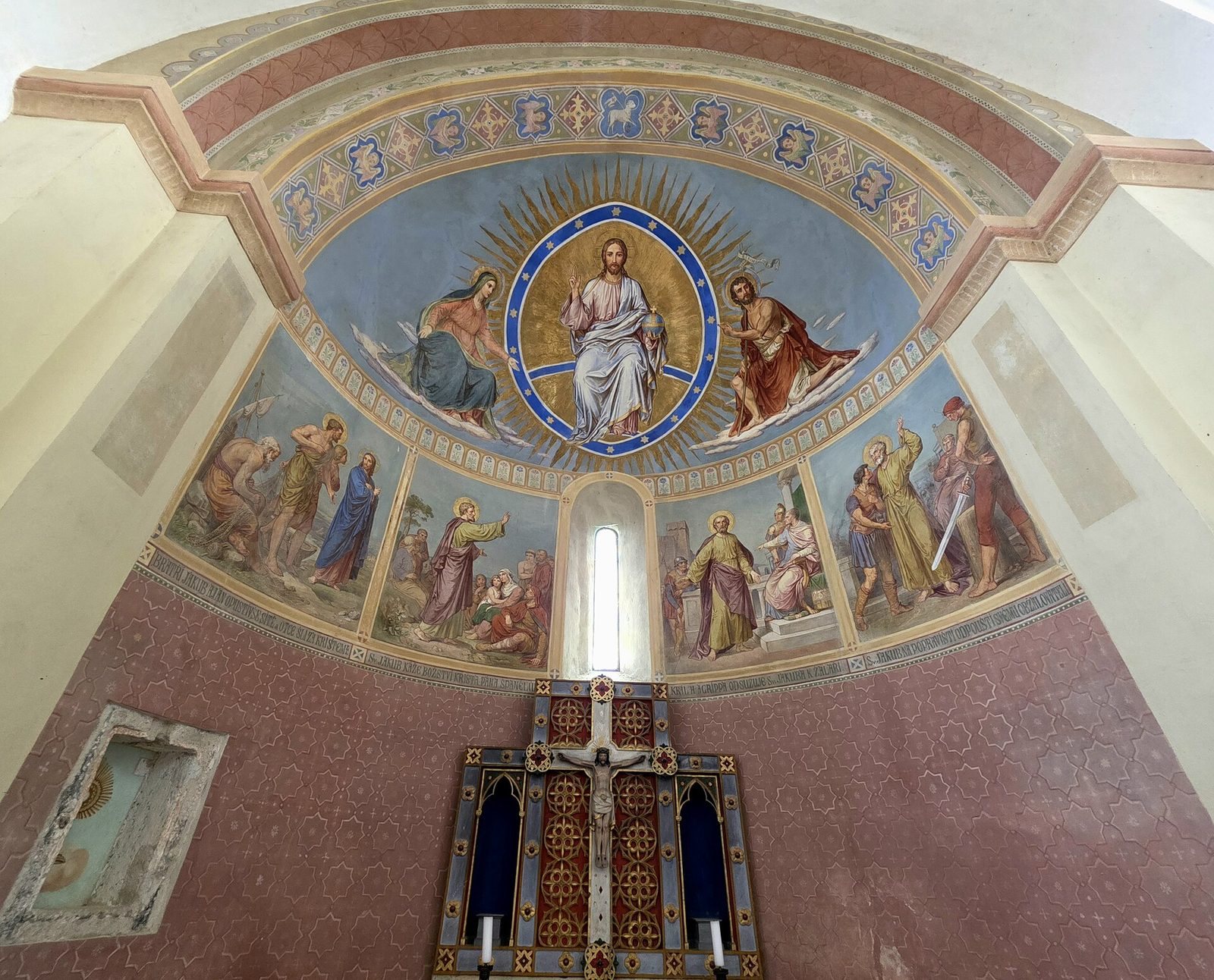
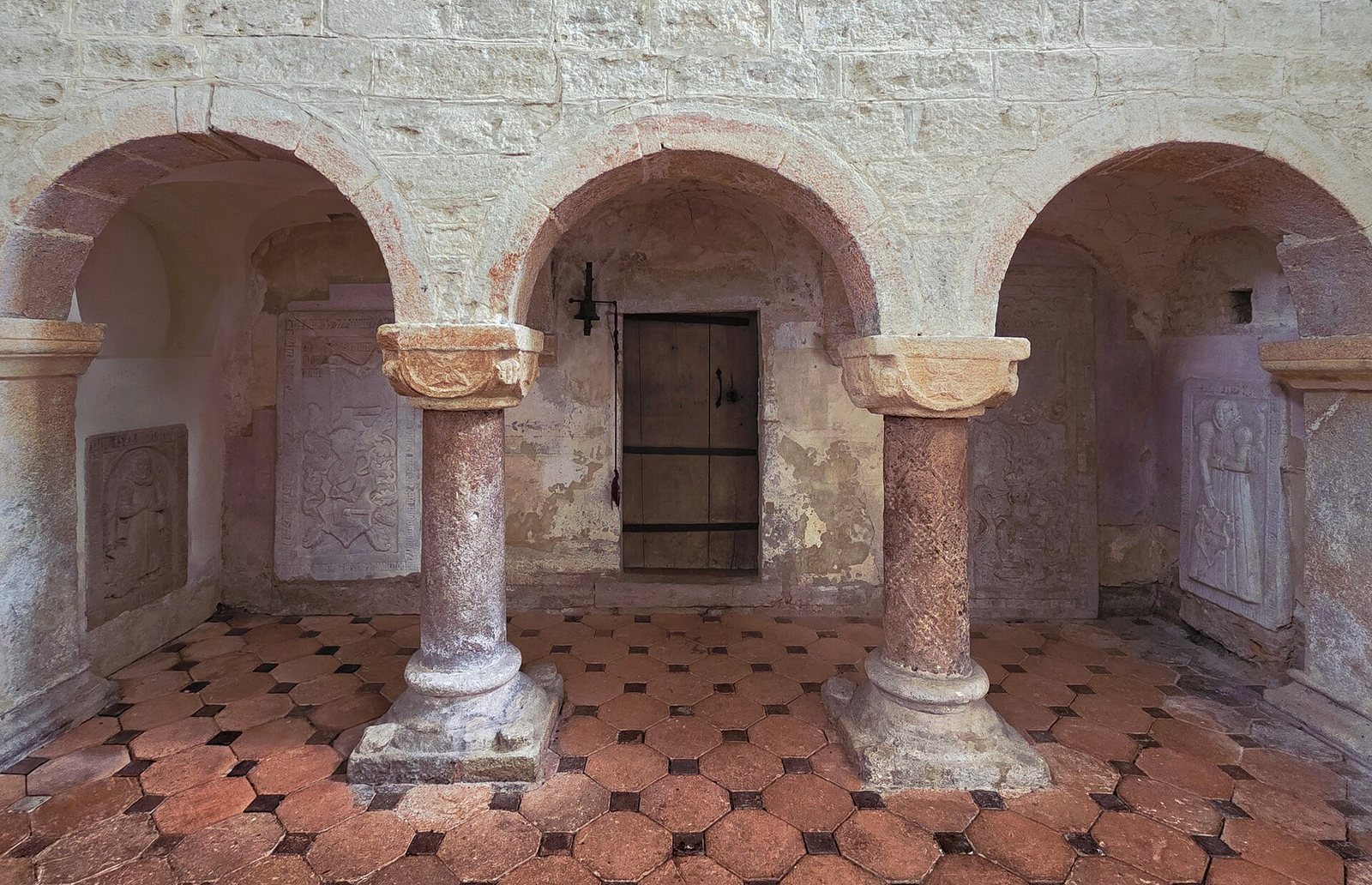
Paintings in the apse show a large image of Christ above four episodes from the life of Saint James. They include his condemnation by Herod Agrippa, a first-century ruler of Judea, and his martyrdom in AD 44. Peter Maixner painted the scenes. A cemetery surrounded the church until the beginning of the twentieth century; after it closed, several seventeenth-century gravestones were placed inside the building.
Tower and bells
Tower
The square tower rises 30 metres at the west end of the church. Two levels of triple round-arched windows mark its upper sections.
Bells
Two bells made in nearby Kutná Hora hang in the tower. The James bell, cast in 1504, bears an image of the saint holding a pilgrim’s staff. The Joseph bell was cast in 1515.