Jokioinen Manor: A Neoclassical Estate in Finland
Site at a Glance
- Popularity
- High
- Country
- Finland
- Primary era
- Early Modern
- Eras represented
- Early Modern, Modern
- Civilizations
- Grand Duchy of Finland, Russian, Swedish
- Site type
- Domestic
- Remains
- Manor House
On this page8 sections
History
Construction and design
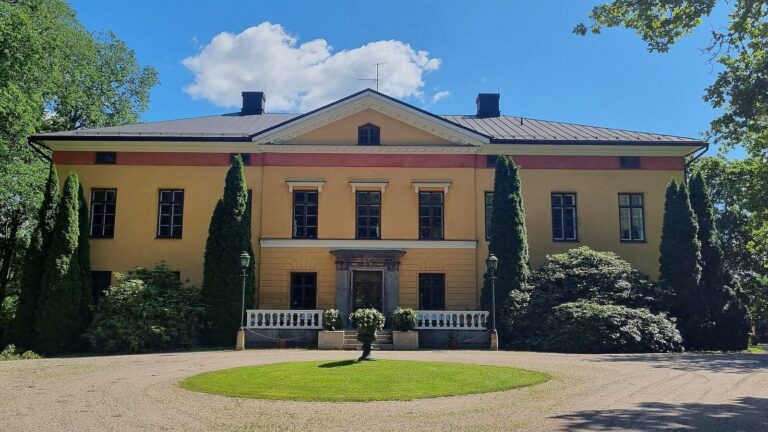
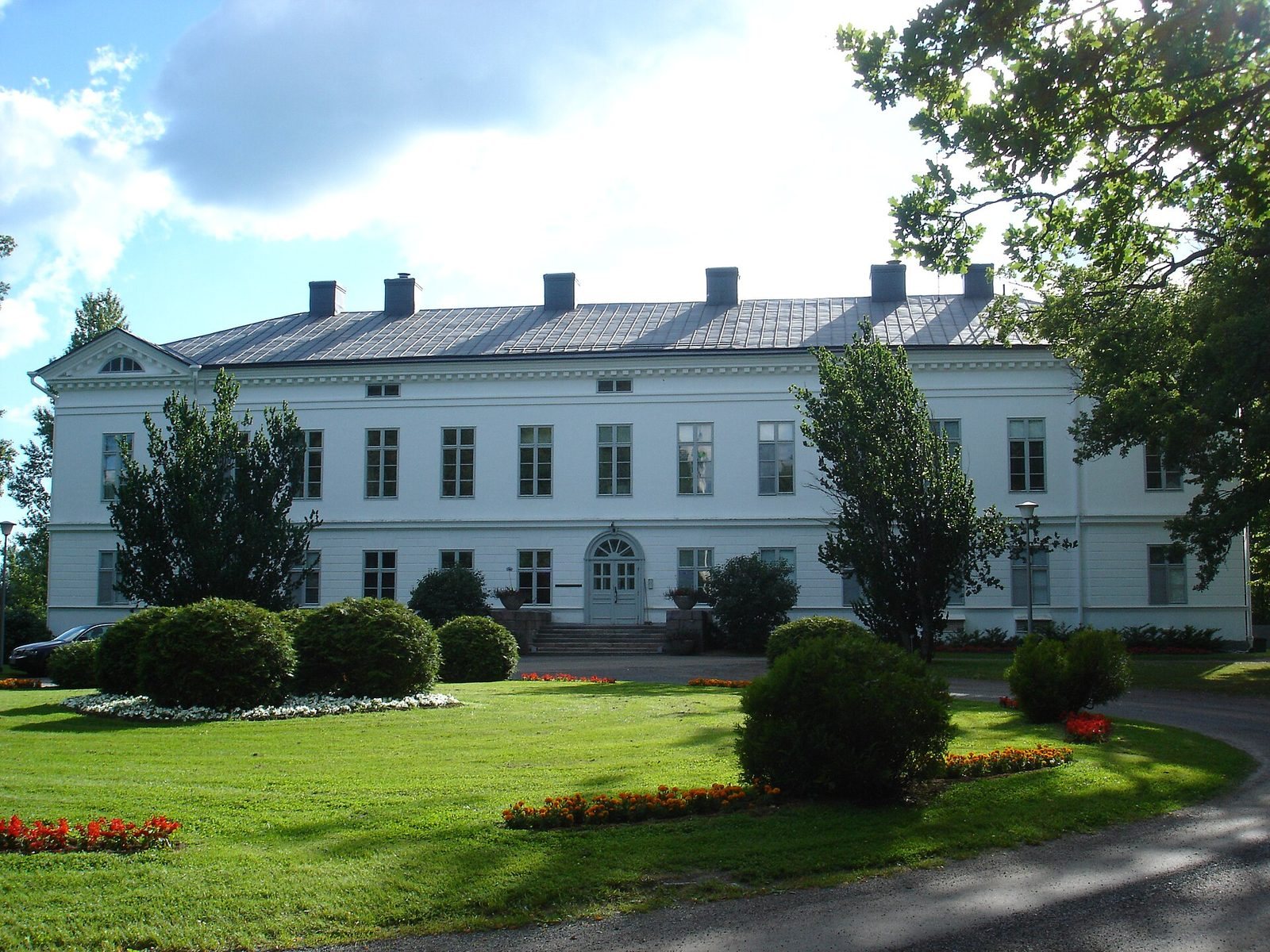
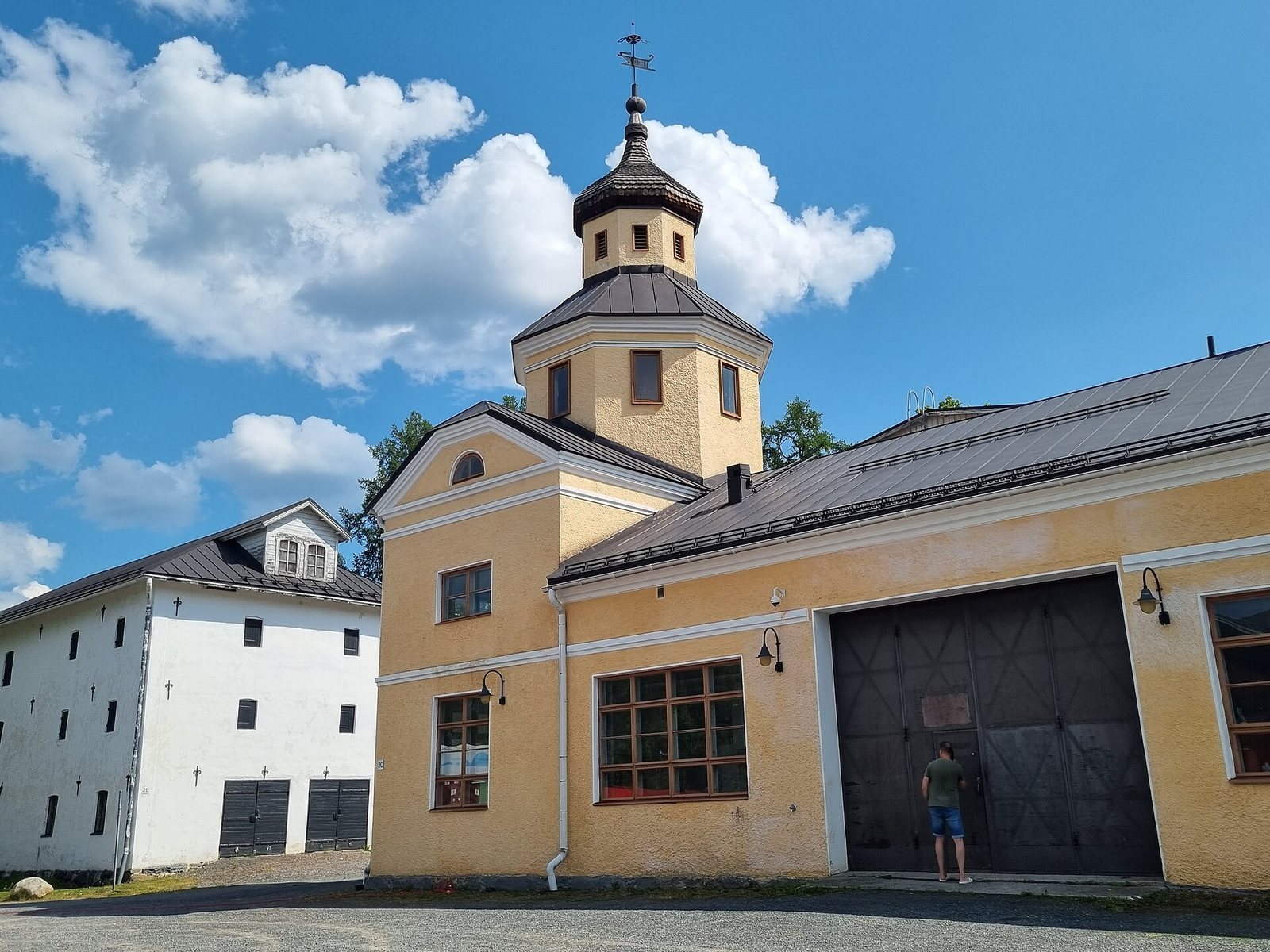
Jokioinen Manor is an estate beside the Loimijoki River in Jokioinen, Finland. Its main building was designed in the Neoclassical style, a movement that revived forms and principles associated with ancient Greek and Roman architecture. Swedish architects Carl Christoffer Gjörwell and Erik Palmstedt designed the building; construction began in 1794 and was completed in 1798. With 30 rooms, it was then among Finland’s largest buildings and is among the country’s earliest and most important examples of Neoclassical architecture.
Heritage and present use
In 2009, Finland’s national heritage authority classified the Jokioinen Manor agricultural landscape and the Loimijoki Valley as a Nationally Significant Built Cultural Environment, a designation for built heritage considered important at the national level. The manor building is also protected under the Register of Built Heritage. Senate Properties owns the estate, and the manor serves as a center for the Natural Resources Institute Finland.
Remains
The estate combines a white lime-plastered main house with an extensive English landscape garden, arranged in a naturalistic style rather than formal geometric patterns. The grounds continue into a wooded park along the Loimijoki River.
Main building
The house’s original interiors remain well preserved, particularly on the second floor.
Park and associated structures
Garden and memorial
The manor park covers 3.4 hectares and contains about 400 trees. Its oldest oaks are more than 200 years old. In the wooded park are the graves of Governor von Willebrand, a regional administrator, and his wife. A tombstone for the couple was erected in 1833.
Greenhouses and granary
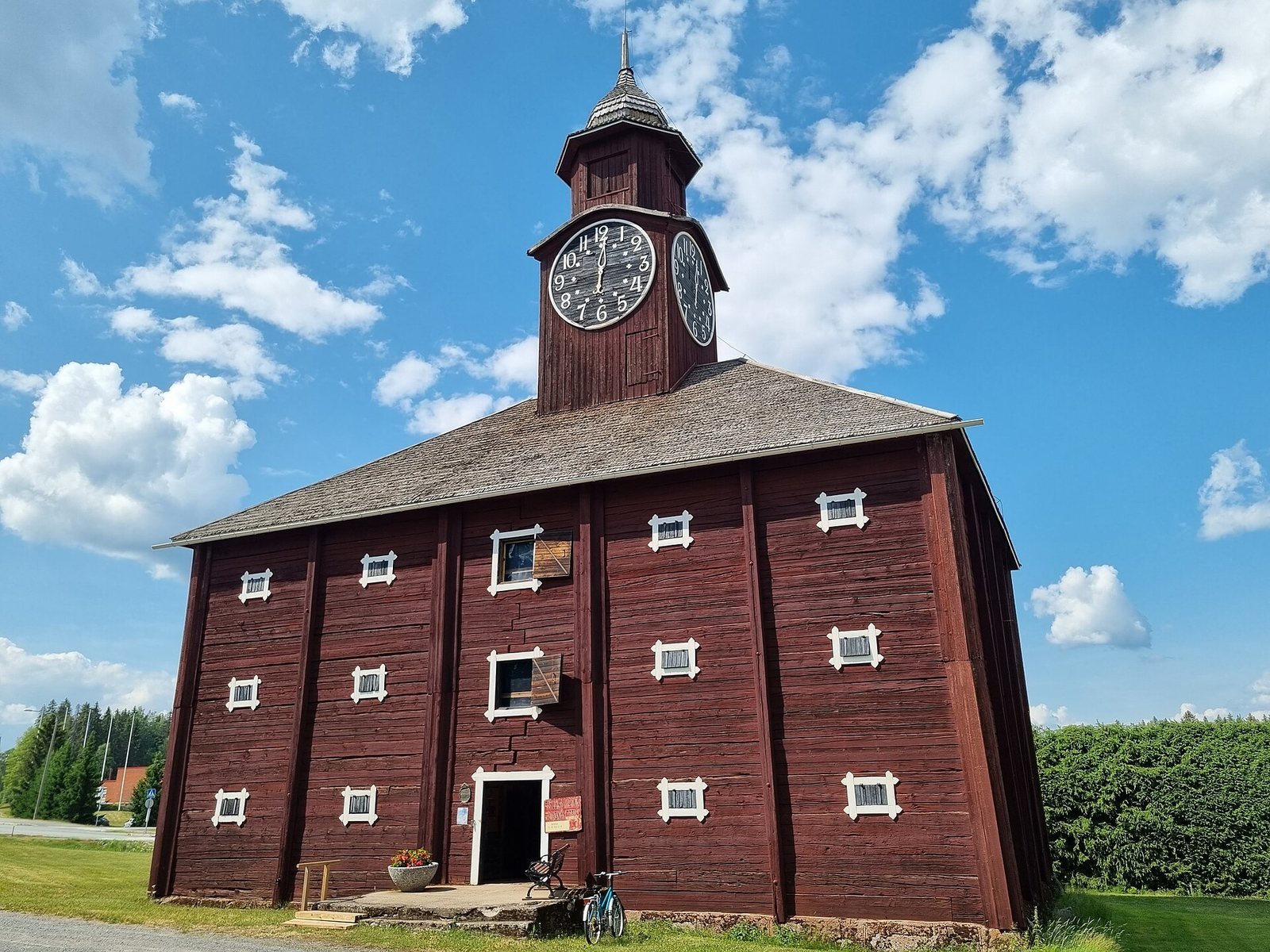
Greenhouses stood at the park’s edge beside the Loimijoki and survived into the twentieth century. A granary, a building for storing grain, is also among the manor’s buildings.