Jamrud Fort: A Sikh Frontier Fort at the Khyber Pass
Site at a Glance
- Popularity
- High
- Country
- Pakistan
- Primary era
- Modern
- Eras represented
- Modern
- Civilizations
- Sikh Empire
- Site type
- Military
- Remains
- Fort
On this page5 sections
History
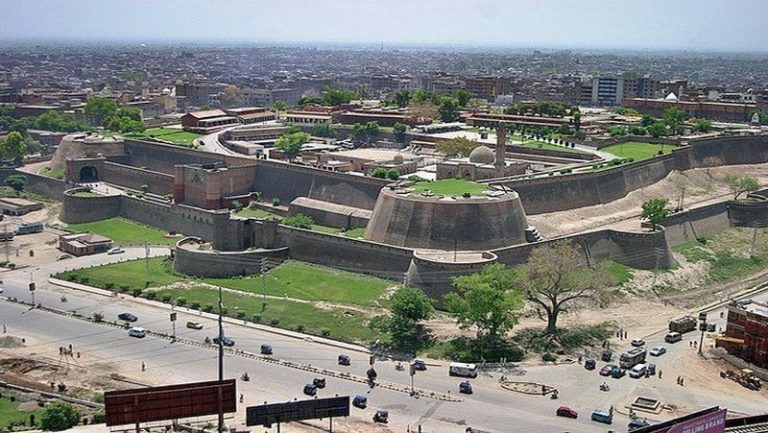
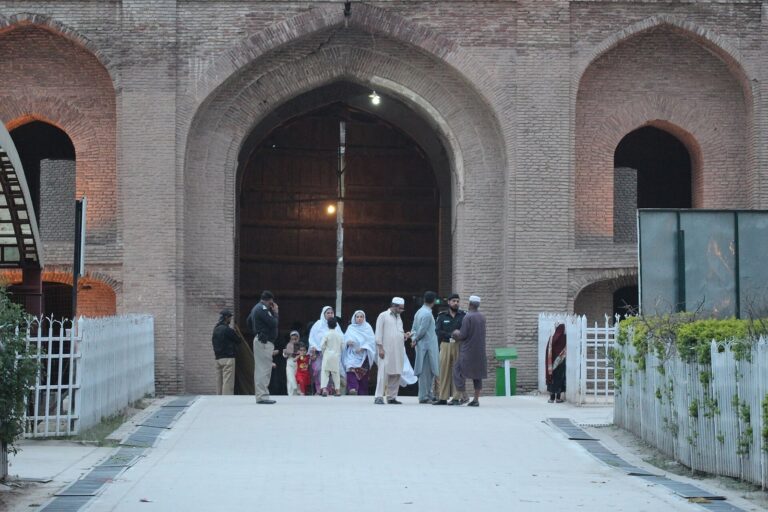
Jamrud Fort is a frontier fort beside Bab-e-Khyber (Gate of the Khyber), at the eastern entrance to the Khyber Pass in Khyber District, Khyber Pakhtunkhwa, Pakistan. The pass is a historic mountain corridor linking the Peshawar region with Afghanistan. Sikh forces built the fort in 1836.
Sikh occupation and construction
After Sikh forces took Jamrud from the Durrani Empire, an Afghan empire, in October 1836, commander Hari Singh Nalwa proposed building a large fort there. Despite opposition, he laid its foundation on 18 December 1836, and construction was completed in 54 days. The fort was first called Fatehgarh, commemorating a Sikh victory over divided tribes.
The Battle of Jamrud
In early 1837, Nalwa sent forces to Lahore for the marriage celebrations of Prince Nau Nihal Singh, grandson of Sikh ruler Ranjit Singh. While the fort was undefended, an Englishman formerly employed by the British India government passed through Jamrud on his way to Kabul and met Akbar Khan, son of Afghan ruler Dost Mohammad Khan. Akbar learned that the fort lacked defenders and decided to attack.
Afghan and Sikh forces fought the Battle of Jamrud on 30 April 1837, causing heavy Sikh losses. Nalwa appealed to Ranjit Singh for reinforcements, but Dogra chiefs, leaders from the Jammu region, did not forward his letter. The reinforcements arrived too late to save Nalwa, who died in the battle. They then helped the Sikhs hold the fort and drive the Afghan forces back to Kabul.
Later control and associations
The Sikh Empire controlled the fort from 1837 to 1849, followed by British rule in India from 1849 to 1947. Jamrud Fort is also associated with the Second Anglo-Afghan War (1878–1880), a conflict between British India and Afghanistan. Since 1947, the Pakistan Army has controlled the fort. The Government of Pakistan owns it, and the Frontier Corps KP, a Pakistani paramilitary force, is its garrison.
The fort may have served as a meeting place for Masonic Lodge Jamrud, a local group of members of the fraternal organization Freemasonry. After Pakistan banned Freemasonry in 1972, the lodge relocated to the United Kingdom.
Remains
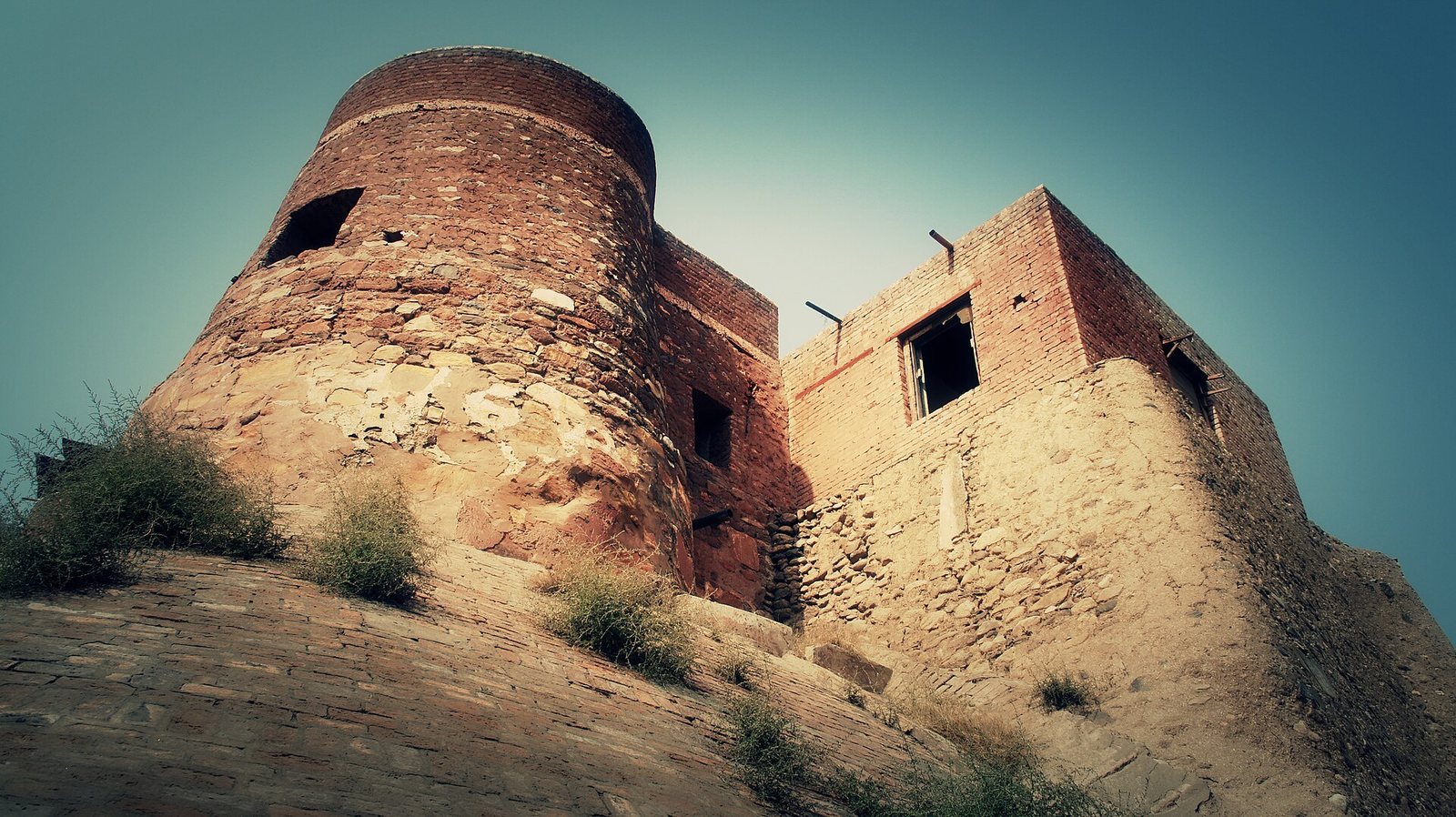
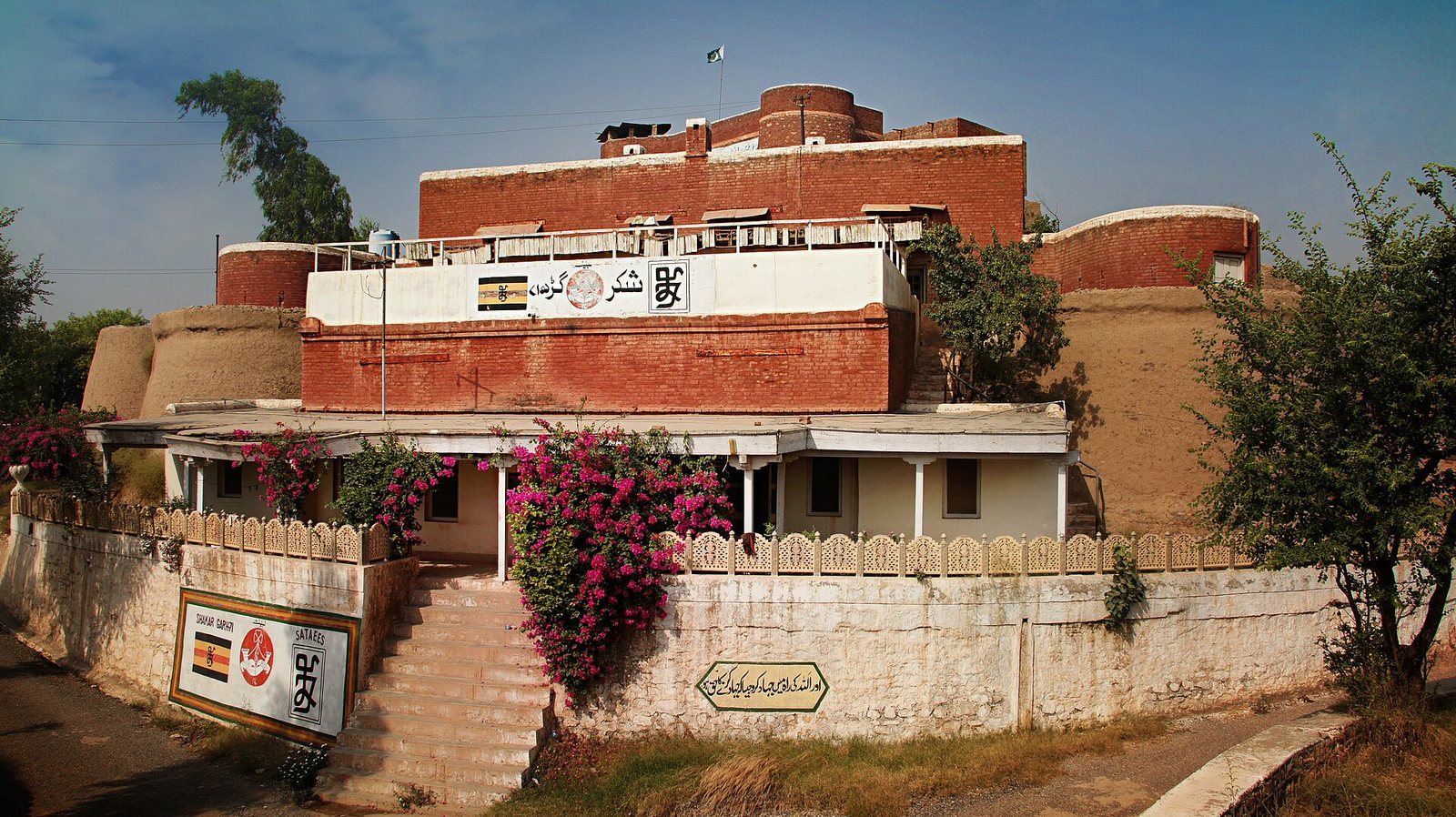
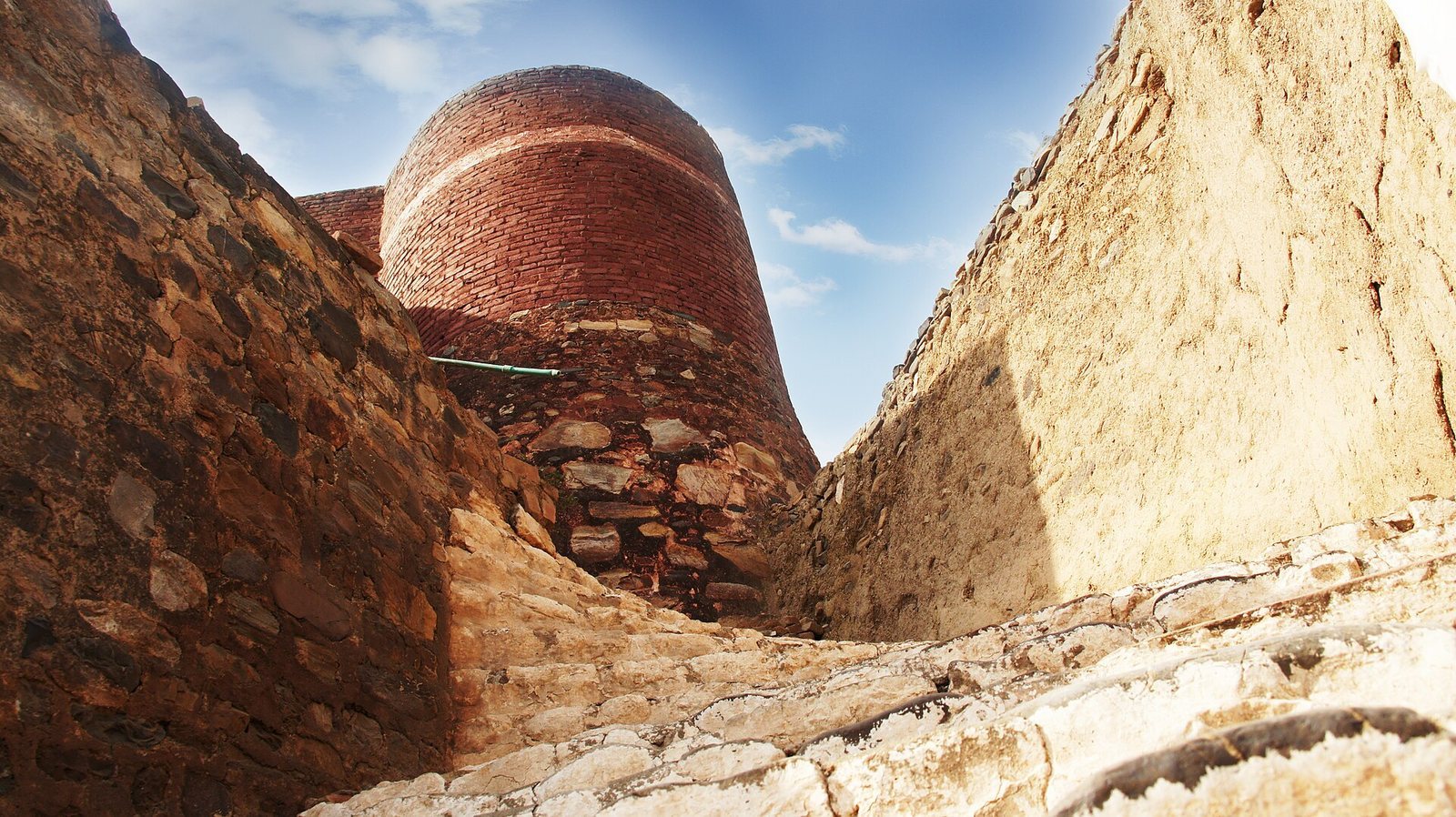
Built of stone and brick, Jamrud Fort has walls about 10 feet (3 m) thick and remains intact.