Isohama Kofun Cluster: A Kofun-Period Burial Ground in Japan


Site at a Glance
- Rating
- 4.2
- Popularity
- Very Low
- Country
- Japan
- Primary era
- Classical
- External website
- Open
- Eras represented
- Classical, Modern
- Civilizations
- Tokugawa, Yamato
- Site type
- Burial
- Remains
- Necropolis
On this page9 sections
History
The Isohama Kofun Cluster is a group of Kofun-period burial mounds in Japan, located at Isohama in Oarai, Ibaraki, on the northern Kantō coast. Built by communities of the Kofun period, an era of elite burial mounds dating approximately from the third to the sixth centuries, the cluster began with Himetzuka Kofun around the middle of the third century and ended with Kurumazuka Kofun in the late fourth century.
Settlement and chiefly power
The mounds are associated with the large Higekama–Ipponmatsu settlement, which continued from the preceding Yayoi period into the Kofun period. The Yayoi period was marked by settled agricultural communities and the growth of regional chiefdoms. The relationship between the settlement and the cemetery has led to an interpretation of the mounds as the burial ground of local rulers or chiefly families.
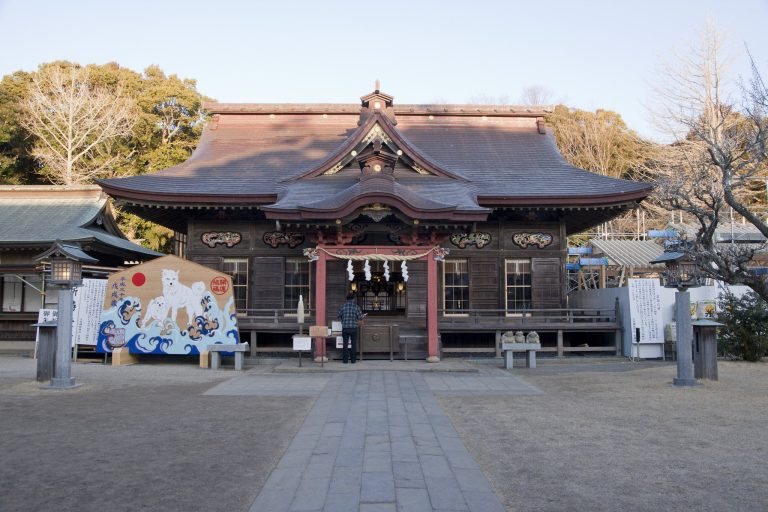
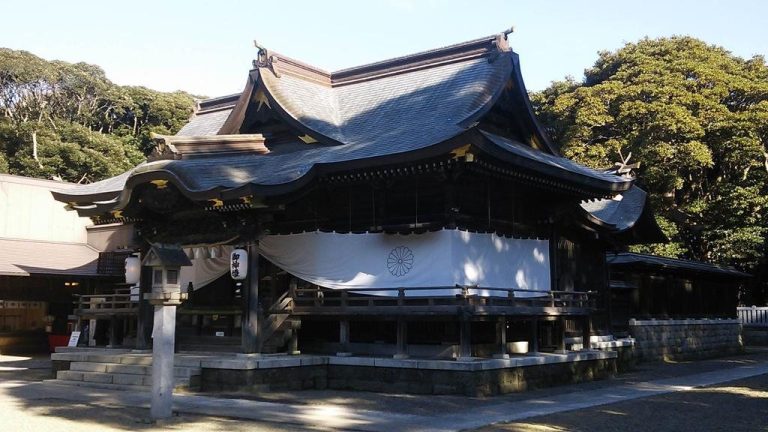
The cluster stands above the Pacific and the mouths of the Naka and Hinuma river systems. This position suggests that the people buried there may have controlled waterborne transport and possibly maintained maritime connections with the Yamato region of western Japan. The identities of the individuals remain unknown. Interpretations have connected them with the nearby Oarai Isozaki Shrine or with the graves of the Nakakuni regional chieftain lineage.
Later military use and investigation
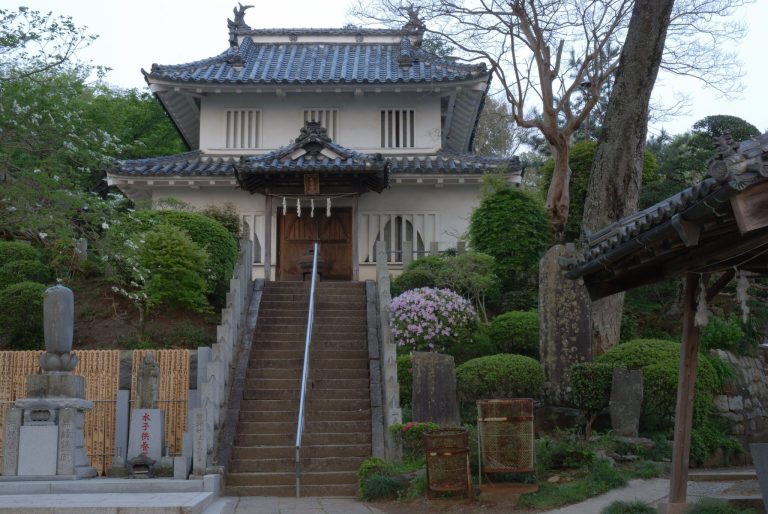
Hisagezuka Gongen-dai became the site of a coastal watch station in 1825. Between 1836 and 1842, it was expanded into the Isohama Coastal Defense Encampment, a fortified installation intended to monitor and respond to threats from the sea. The encampment burned during the Tengu Party uprising in 1864, a political and military revolt in the Mito domain.
Kurumazuka, Biwazuka, and Tokurizuka were recorded in the nineteenth-century geographical work Shinpen Hitachi no Kuni-shi. Hisagezuka Kofun was excavated in August 1949, yielding human remains and about 4,100 burial goods; the excavation was reported in 1956. Investigations continued with a survey of Kurumazuka in 1970, surveys and extent investigations of Kurumazuka and Himetzuka in 2009 and 2011, Hisagezuka in 2010 and 2012, and Bozuyama in 2019 and 2020.
Hisagezuka, Himetzuka, and Kurumazuka were designated together as the Isohama Kofun Cluster National Historic Site on March 10, 2020. The designated area was expanded on February 17, 2026. This national designation recognizes the mounds and associated historical features as part of Japan’s cultural heritage.
Remains
The cluster occupies the end of a subsidiary spur of the Naka Plateau in central Ibaraki. The hill faces the Pacific Ocean and Kashimanada. Six mounds are identified: two keyhole-shaped mounds, one mound with square front and rear ends, one circular mound, and two whose original forms are uncertain. A keyhole-shaped kofun combines a circular rear section with a projecting square section. Most of the other mounds once located in the wider area were destroyed by land development and urban expansion.
Burial mounds
Hisagezuka Kofun
Hisagezuka Kofun, also called Hitachi Kagamizuka Kofun, is a large keyhole-shaped mound approximately 101.4 metres long. Its circular rear section measures about 65 metres in diameter. Numerous haniwa, clay funerary figures and objects placed on or around burial mounds, have been recovered from the mound.
The 1949 excavation uncovered two bronze mirrors, stone imitations of objects, beads and other ornaments, iron objects, and human remains. The burial goods included jade magatama, curved comma-shaped ornaments, jasper tubes and balls, and iron swords. More than 4,100 grave goods were recovered in total, providing evidence for the date and status associated with the burial.
Kurumazuka Kofun
Kurumazuka Kofun is a circular mound approximately 88 metres in diameter. Its burial goods and construction techniques helped place the cluster’s development between the middle of the third century and the late fourth century. The mound is one of the largest circular kofun in Japan.
Other mounds
The remaining identified mounds are Bozuyama Kofun, Himetzuka Kofun, Gobonmatsu, and Gobonmatsu-shita. Himetzuka marks the beginning of the cluster’s estimated construction sequence, while the forms of Gobonmatsu and Gobonmatsu-shita remain uncertain. Together with Hisagezuka and Kurumazuka, they form the six-mound group preserved within the site.
Coastal defense remains
The Hisagezuka Gongen-dai area also contains remains associated with the Isohama Coastal Defense Encampment. The installation occupied the area of the earlier coastal watch station and represents the site’s nineteenth-century military phase, when the coast was monitored through a fortified position.