Iru Hillfort: A Fortified Settlement in Tallinn, Estonia
Site at a Glance
- Rating
- 4.5
- Popularity
- Medium
- Country
- Estonia
- Primary era
- Medieval
- Eras represented
- Iron Age, Classical, Medieval, Modern
- Civilizations
- Russian
- Site type
- Military
- Remains
- Fort
On this page10 sections
History
Iru hillfort is a fortified settlement site in Tallinn, Estonia, with occupation phases dating from about the eighth to fifth centuries BC, the fourth to second centuries BC, and the fifth to eleventh centuries AD. People had lived on the hill earlier, by the third millennium BC.
Prehistoric settlement and early fortifications
The earliest settlement is associated with the Corded Ware culture, a prehistoric European culture known for pottery decorated with cord impressions. A fortified settlement occupied the hill in two later phases, first from about the eighth to fifth centuries BC and again from the fourth to second centuries BC.
Viking Age prosperity and changing role
Renewed occupation began around the fifth or sixth century AD, and the hillfort remained in use through the eleventh century. The settlement suffered repeated fires before its eventual abandonment. It flourished most during the Viking Age, the Northern European period extending from the late eighth to the eleventh century.
Archaeologists have offered different interpretations of Iru during its prosperous period. Valter Lang viewed it as an agricultural settlement with a concentrated population. Marika Mägi proposed that it served mainly as a central marketplace, while permanent residents may have been limited to local leaders’ farms or a small guard force. Iru stood on a northern Estonian coastal trade route leading toward Russia and other regions to the east and south. Its prominence began to decline around the tenth century as settlement expanded in Tallinn Old Town. A settlement and hillfort also developed around that time on Toompea, a hill in Tallinn. Iru is often described as a predecessor of Tallinn.
Epic tradition and archaeological investigation
Iru appears repeatedly in Kalevipoeg, Estonia’s national epic about a legendary hero, and the site has been proposed as his birthplace. A story about Iru in the epic drew the attention of teacher Artur Spreckelsen, who argued that the hill was an ancient hillfort. He presented his proposal in a newspaper article and a lecture in 1922.
Excavations began in 1936. Artur Vassar led work during the 1930s, with Richard Indreko taking part in some of it, and Vassar directed major excavations from 1952 to 1958. From 1984 to 1986, Valter Lang excavated the central defensive bank. He published results from the various excavations in 1994.
Remains
Layout and setting
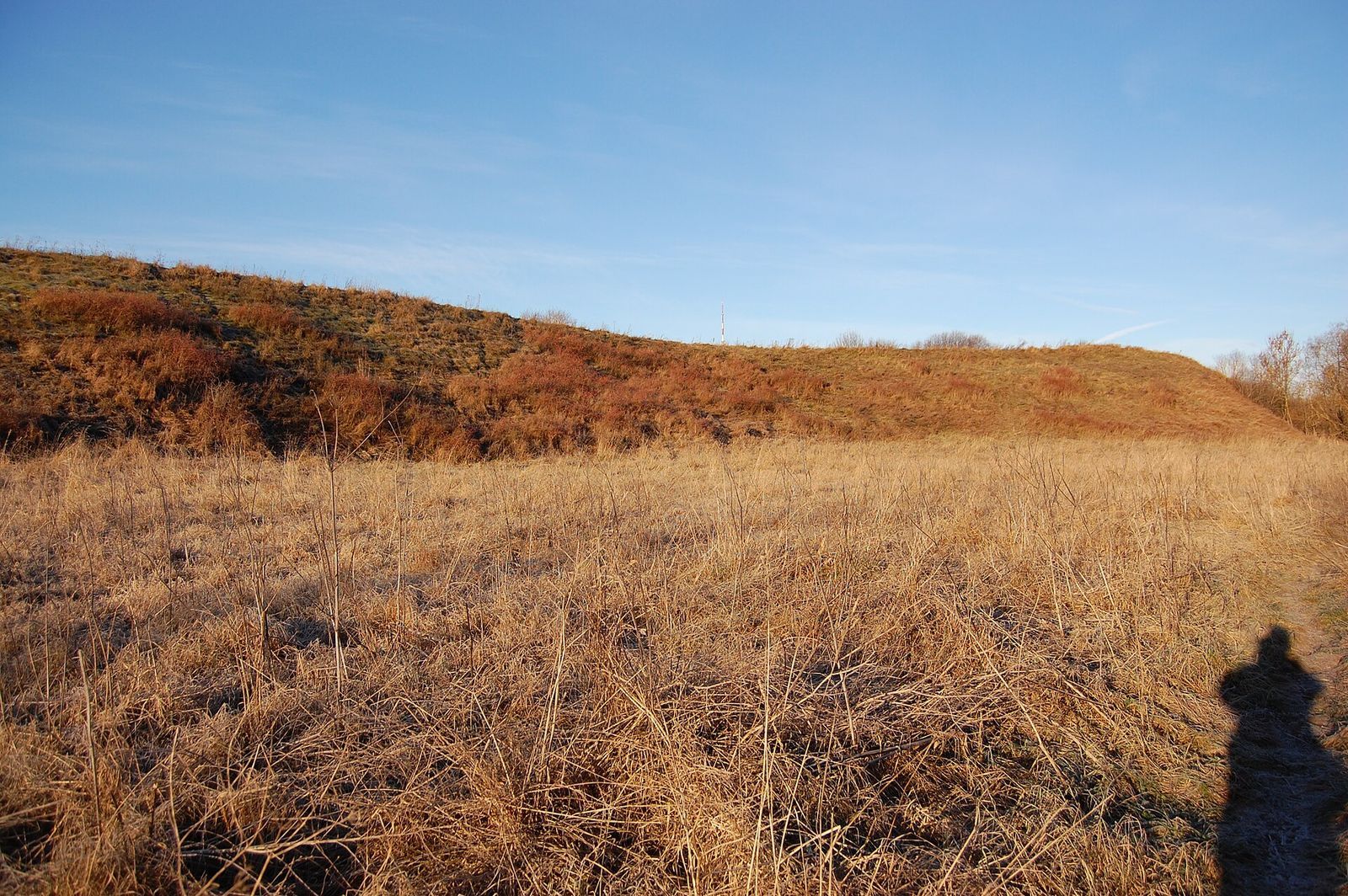
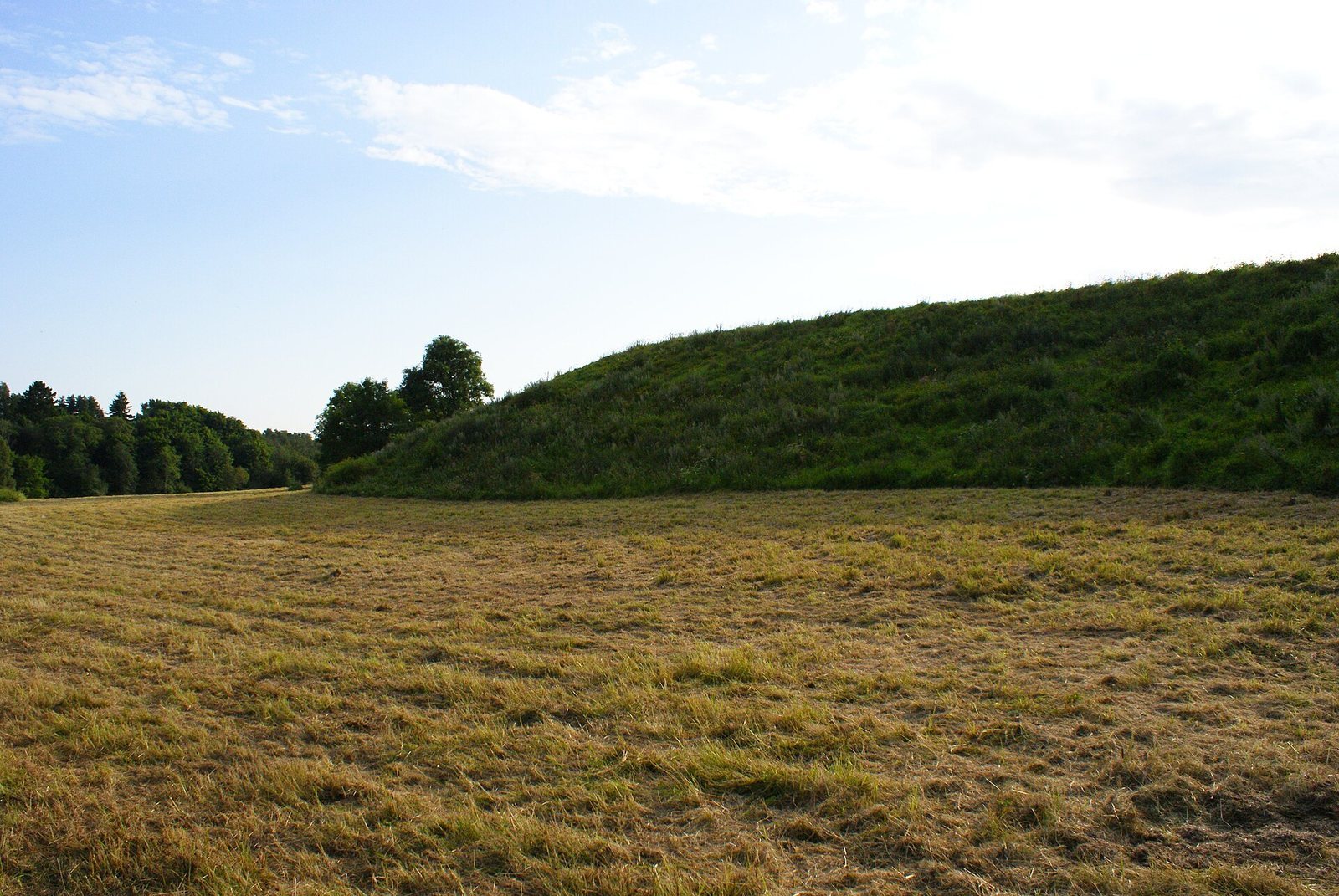
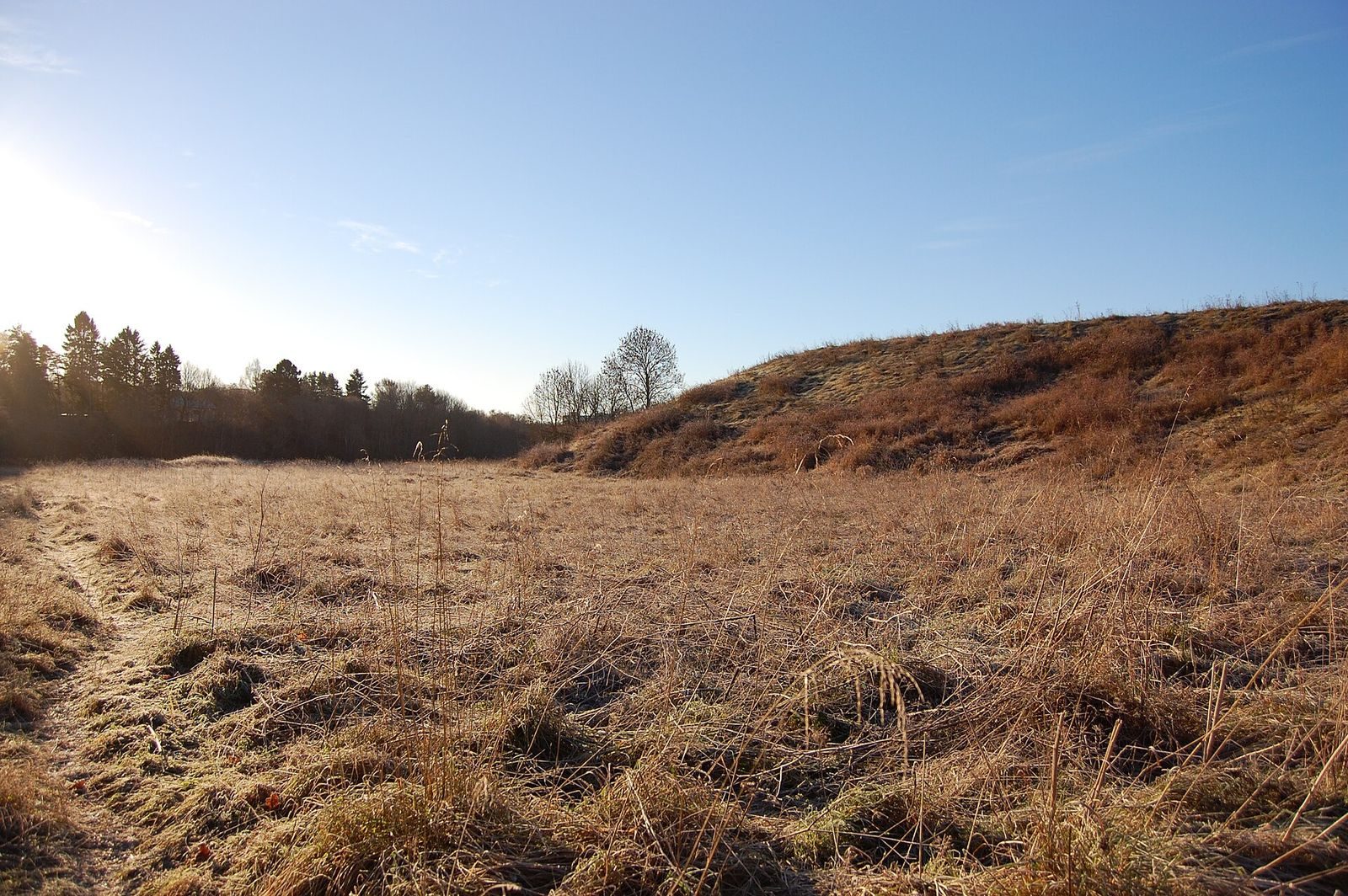
The hillfort occupies a high, steep spur of land beside the Pirita River, within a U-shaped bend. It lies about 8.5 km from Tallinn Old Town and 4–5 km inland from the river mouth at Tallinn Bay. The elongated enclosure is about 212.5 m long and 16–52 m wide. Raised defensive banks, or ramparts, cross the ridge at both ends and in the center. The central bank divides the site into a northern level area of about 1,100 m² and a larger southern one of about 4,000 m². The hill rises about 15 m; measured from its foot, the eastern side is 9–11 m high, while the western side is 10–12 m high beside the northern area and 18 m beside the southern area, where it drops directly to the river. Openings on the eastern sides of the northern and central banks are considered likely gateway locations.
Settlement remains and finds
Settlement and buildings
Settlement traces lie just beyond the hillfort’s northern end and on the western slope at its foot. The fortified site formed the center of a long-established settlement area. Remains of buildings made from horizontal logs with interlocking corner joints are among the oldest known examples of this construction method in Estonia.
Excavated objects and production
Clay vessels used for metalworking point to bronze casting at the site. Finds also include a bronze spearhead, a bronze brooch with arms of equal length that is rare in Northern Europe, a bone harpoon, and bridle equipment. An iron awl from Iru is among the oldest known iron objects in Estonia.
Later structures and military works
Coins, substantial stone walls, and a tower point to limited use of the site in the eleventh and twelfth centuries. A concrete bunker associated with Peter the Great’s Naval Fortress, an Imperial Russian coastal-defense system, was built into the southern end bank during the First World War. Trenches from the Second World War run along the ramparts and slopes.