Husby-Sjuhundra Church: A Medieval Church in Norrtälje, Sweden
Site at a Glance
- Popularity
- Low
- Country
- Sweden
- Primary era
- Medieval
- Eras represented
- Medieval, Early Modern, Modern
- Civilizations
- Swedish
- Site type
- Religious
- Remains
- Church
On this page13 sections
History
Foundation and medieval development
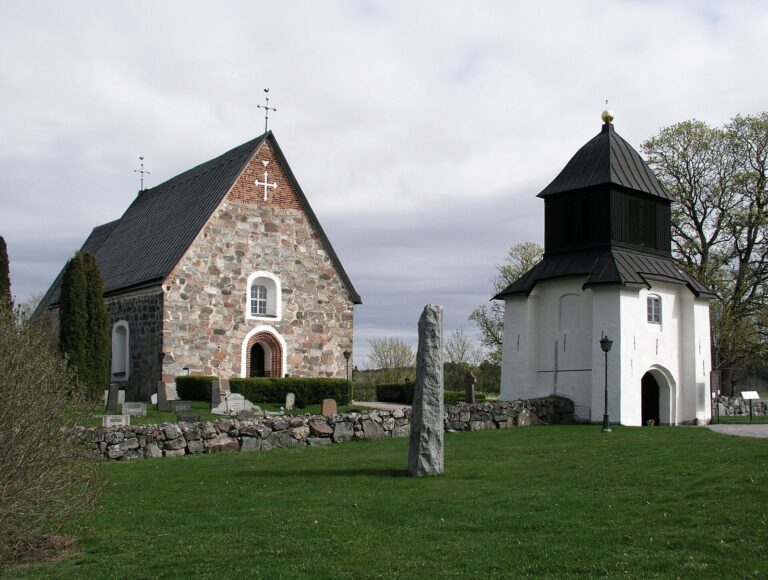
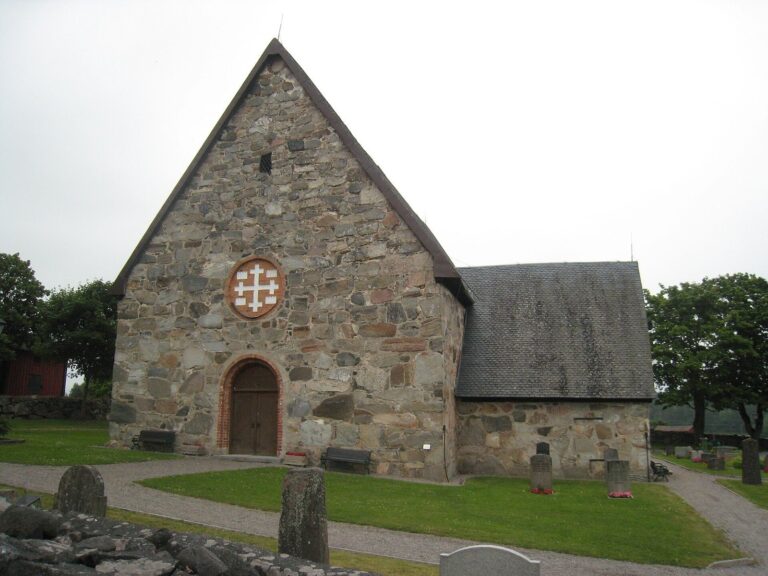
Husby-Sjuhundra Church is a medieval church in Norrtälje, Sweden, built in the late 12th century and dedicated to St. Lawrence, an early Christian deacon and martyr venerated as a saint. An earlier wooden church probably stood on the same site. Because the church was near a royal manor, it may have been built by Knut Eriksson, a medieval Swedish king and son of Erik the Holy. The name Husby recalls the former royal manor, whose revenues contributed to the king’s income.
Around the middle of the 13th century, the original choir, the area at the church’s eastern end, was replaced. It had ended in a rounded apse, a rounded termination, while the new choir had a straight end. A sacristy was also built beside it.
Eighteenth-century changes
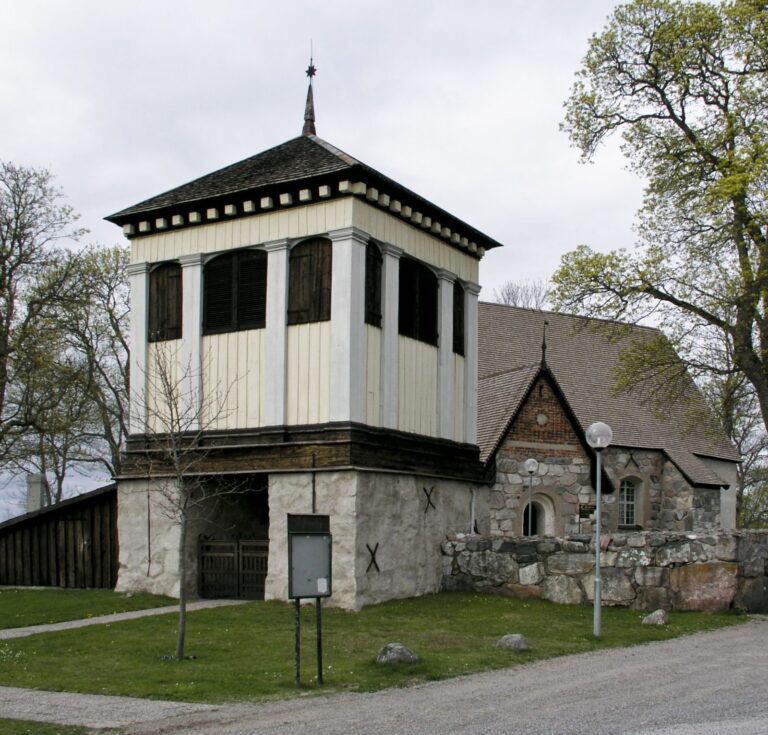
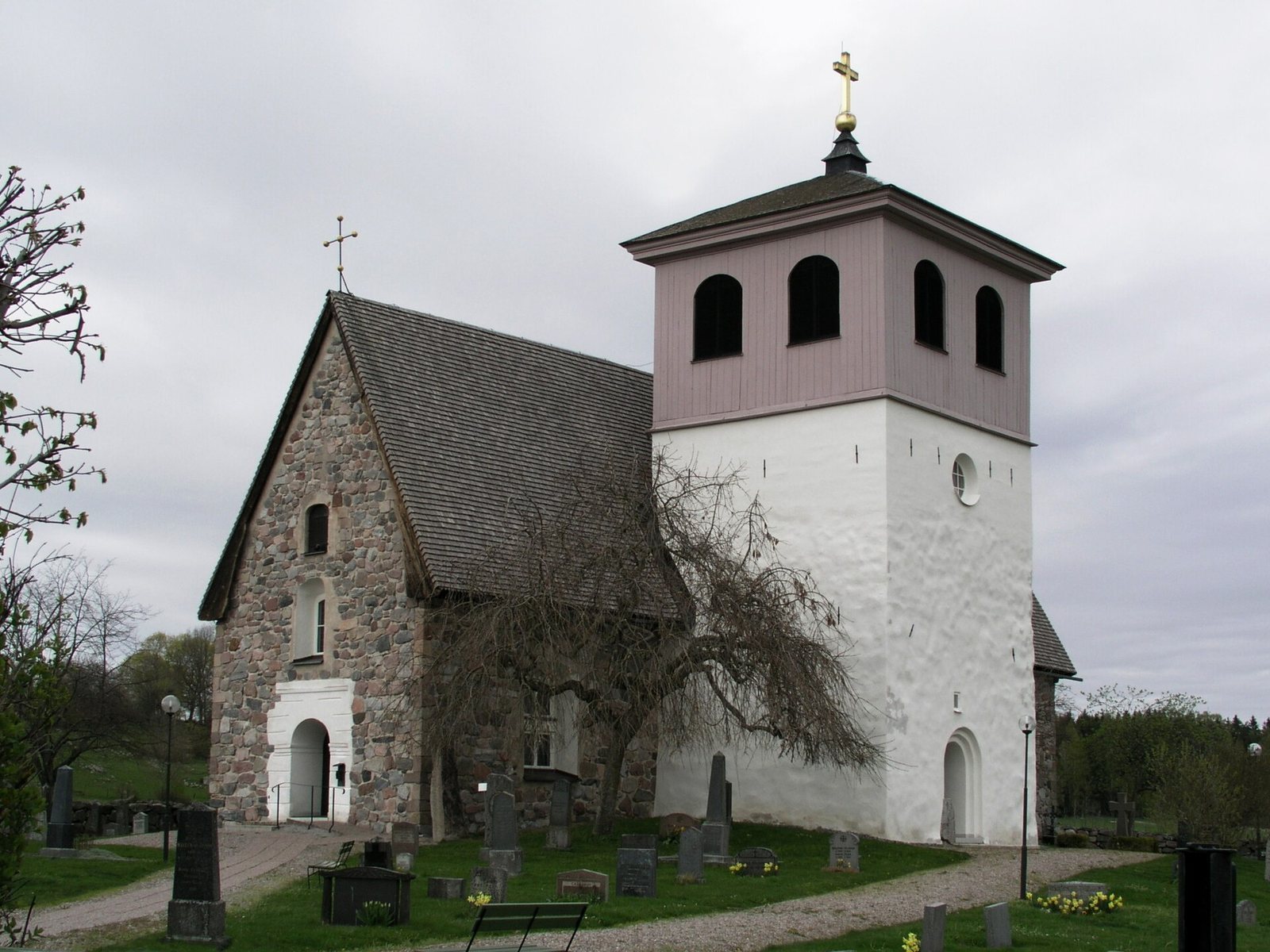
A tower stood at the church’s west end at an early stage. In 1728 it was demolished, and the building was extended nine metres westward. The work was directed by Conrad Malm, a master mason from Stockholm. After a storm blew down the freestanding belfry in 1806, a tower above the south porch was planned. It was completed in 1812.
Modern restoration and church status
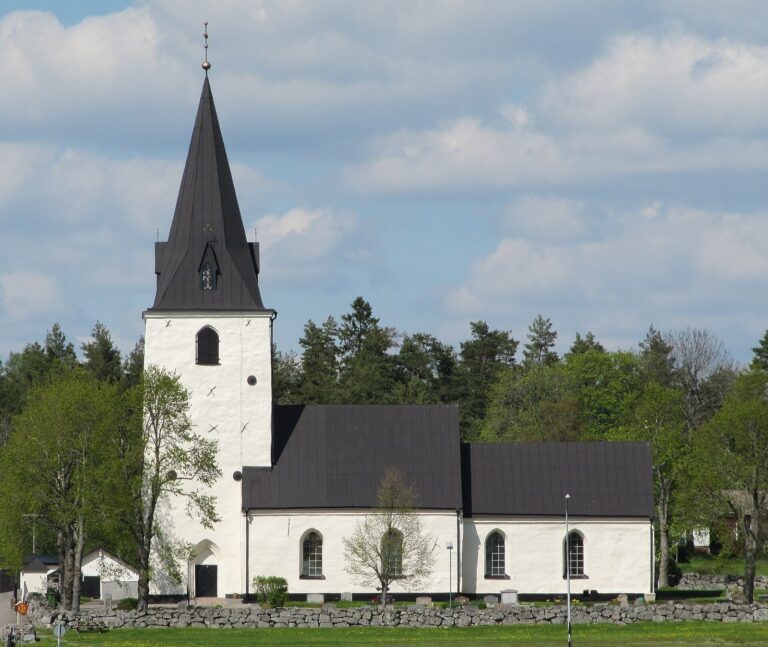
During a restoration in 1947, slight traces of medieval wall paintings were found and restored under a proposal by architect Ärland Noreen. A further restoration in 1971–72, directed by architect Uno Söderberg, introduced modern lighting to the interior. The church belongs to the Church of Sweden’s Diocese of Uppsala and forms part of the Husby, Skederid and Rö parish in the western Roslagen pastorate.
Remains
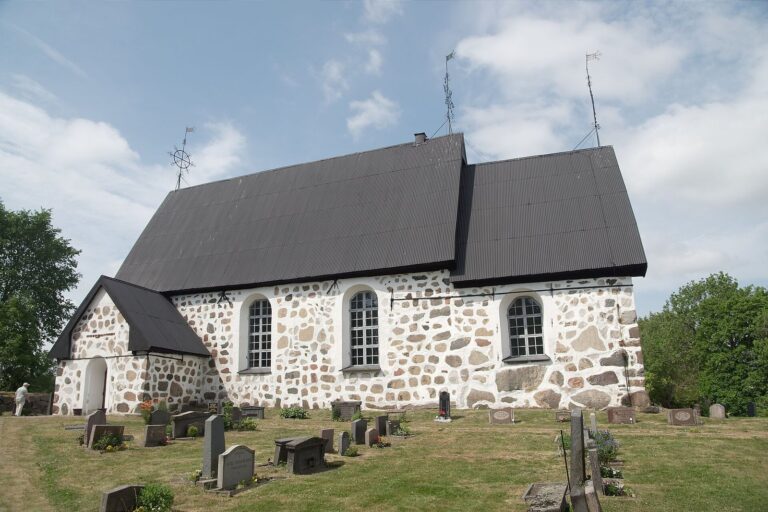
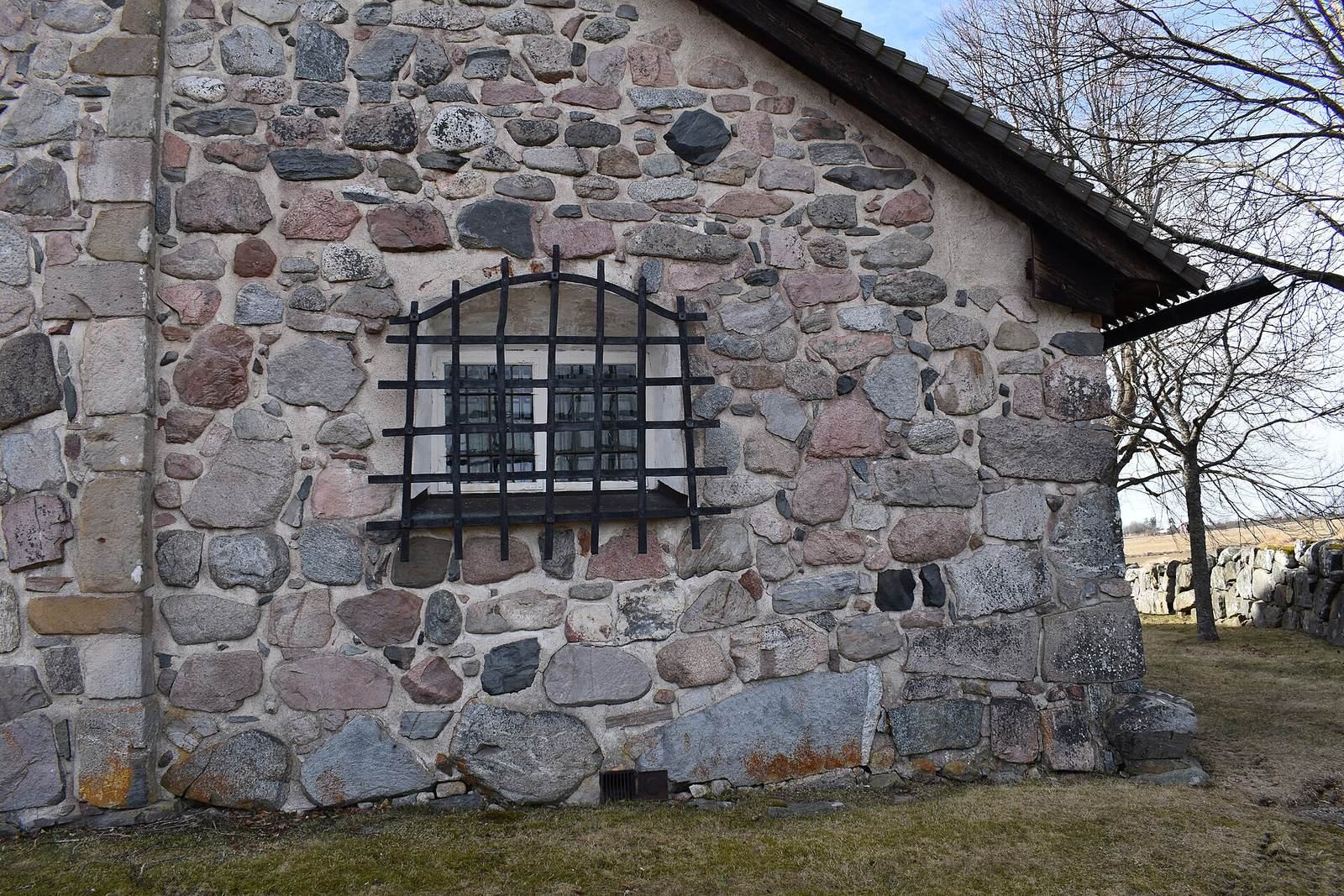
The medieval building has unplastered grey-stone walls and a simple plan, with a nave, the main body of the church, and an eastern choir of equal width. The choir ends in a straight wall.
Church fabric and setting
Main body and entrance
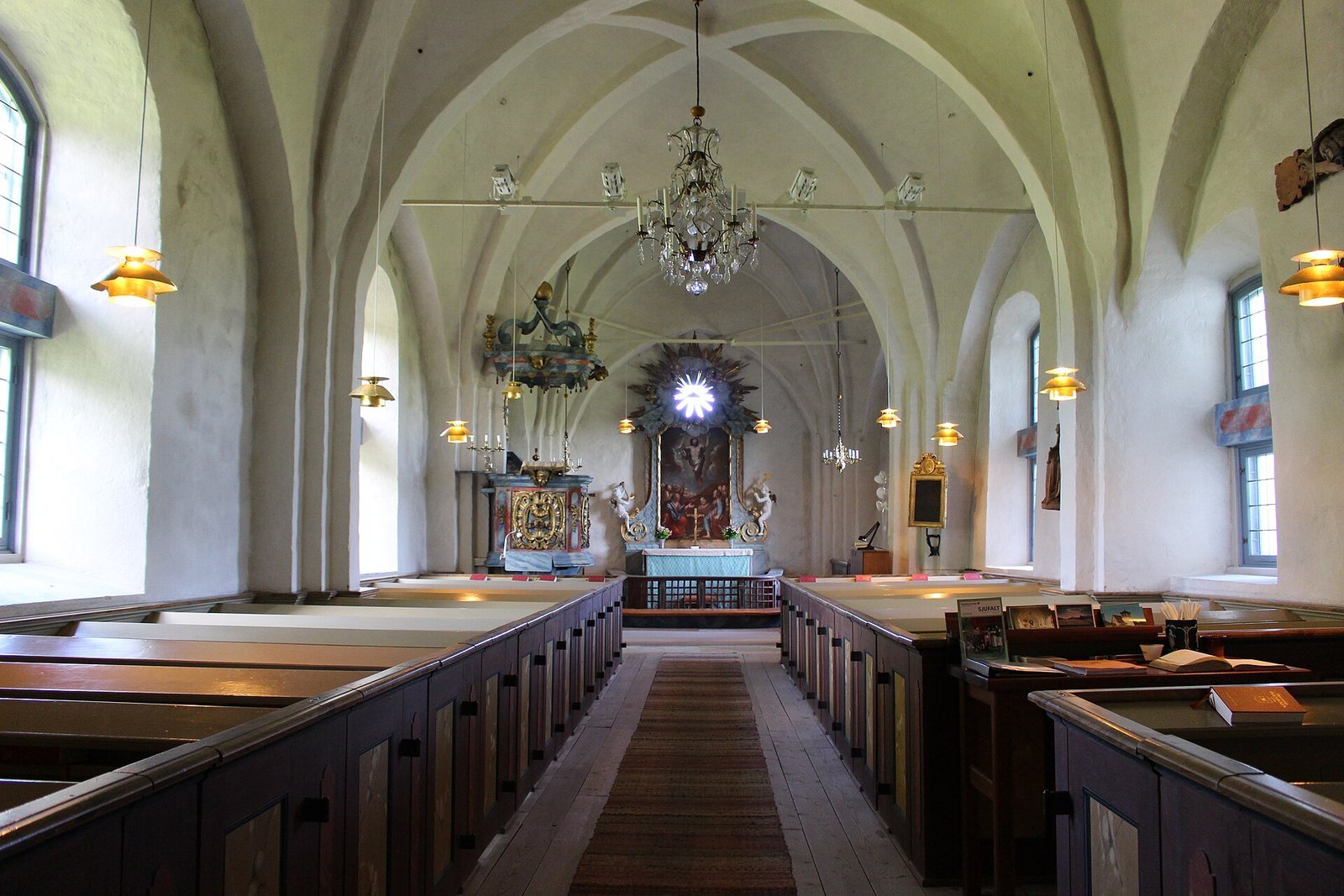
The nave has brick vaulted ceilings with Gothic elements dating to the 15th century. A porch, added in the late Middle Ages, stands at the midpoint of the nave’s south side and contains the entrance. The bell tower rises above the porch, and its upper section is wooden.
Sacristy
The sacristy, a room for clergy and church furnishings, adjoins the choir on its north side. Its ceiling is a pointed cross-vault, formed by intersecting arches, made from thin pieces of stone.
Watercourse and landscape
Husbyån flows east about 150 metres south of the church before reaching Lake Lommaren. When the church was built, it stood close to the water. It is now some distance from the lake’s western shore.
Interior furnishings and sculpture
Medieval furnishings and artworks
The church’s medieval limestone baptismal font has a baptismal dish dating to 1957. An oak sculpture of Mary and the child Jesus dates to the 13th century. The choir contains 14th-century wall paintings, alongside an oak sculpture of the Archangel Michael from that century. A triumphal crucifix, a sculpted figure of Christ on the cross, dates to the latter half of the 14th century. The church also has a cabinet altarpiece, a structured altar artwork, from the first half of the 15th century.
Altar and pulpit
The altar retable, the decorative structure behind the altar, was made in 1772. Its oil painting, signed by Anders Eklund in 1773, depicts the Ascension. The frame combines Rococo and Baroque styles, with scroll forms and figures representing Faith and Hope at the sides, and a sunburst representing Jehovah at the top.
The Baroque pulpit was made in 1755 by local craftspeople using ornaments from Stockholm; its maker is unknown. Its four-sided bowl has beveled corners and gilded carved decoration cut into an open pattern on the front. A coarse, freestanding painted ornament crowns the sounding board, the canopy above the pulpit, with a dove dated to 1755 beneath it.
Runestones and other objects
Runestones, stones bearing inscriptions in runes, stand at the church entrance and along the north side of the nave. U 539 is beside the entrance, while U 540 and U 541 are along the nave. A poor box stands to the right of the entrance. A communion vessel made in 1695 by the Stockholm master Johan Nützel is associated with the church.