Huaca Santa Rosa: A Layered Andean and Colonial Archaeological Site in Lima
Site at a Glance
- Rating
- 3.4
- Popularity
- Low
- Country
- Peru
- Primary era
- Medieval
- External website
- Open
- Eras represented
- Medieval, Early Modern
- Civilizations
- Spanish
- Site type
- Domestic
- Remains
- Manor House
On this page8 sections
History
Middle Horizon origins
Huaca Santa Rosa is an archaeological site in the San Martín de Porres District of Lima, Peru, with an earlier Andean construction associated with the Middle Horizon, an archaeological period in the central Andes generally dated to about AD 600–1000. The site appears to have formed an extension of the Garagay archaeological complex, although its chronology remains provisional because no specific chronological study of Santa Rosa has been conducted. Ceramics associated with the site support assigning it to the same Middle Horizon chronology attributed to Garagay.
Colonial transformation
After the arrival of the Spaniards, a hacienda house for yanaconas, dependent or attached laborers in the Andean colonial system, was built directly over the earlier huaca. This later structure was at one point the hacienda house of Nicolás de Piérola, a Peruvian political leader who served as president. The superimposition of the colonial building on the pre-Hispanic complex remains one of the site’s defining historical characteristics.
Recent condition
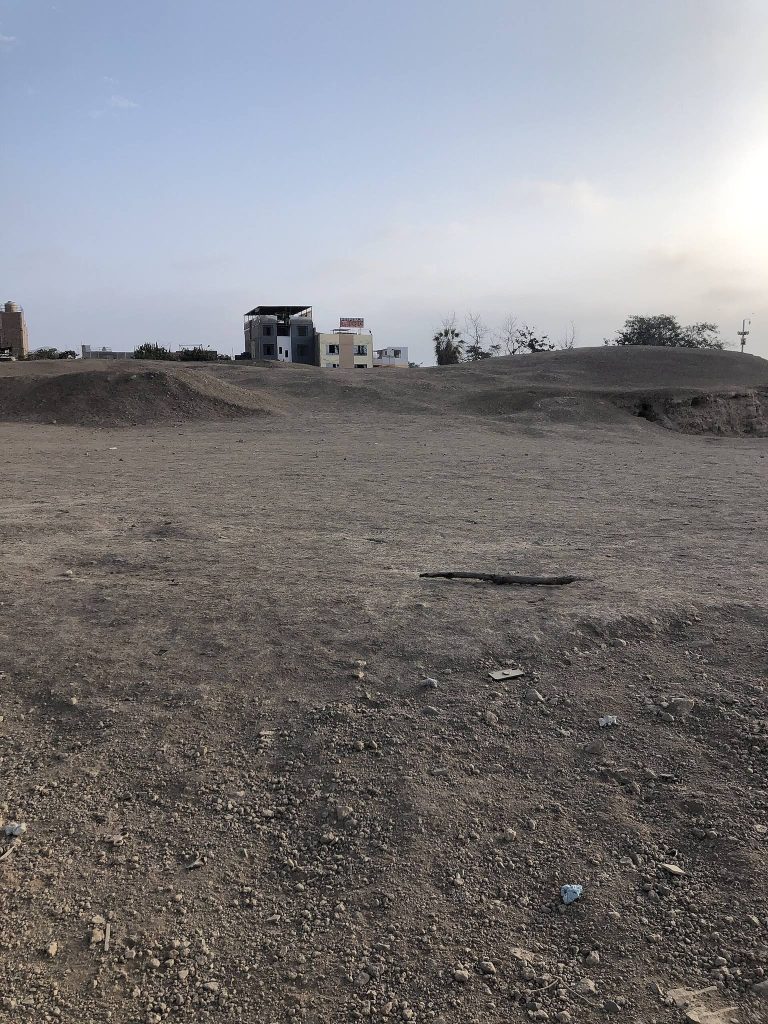
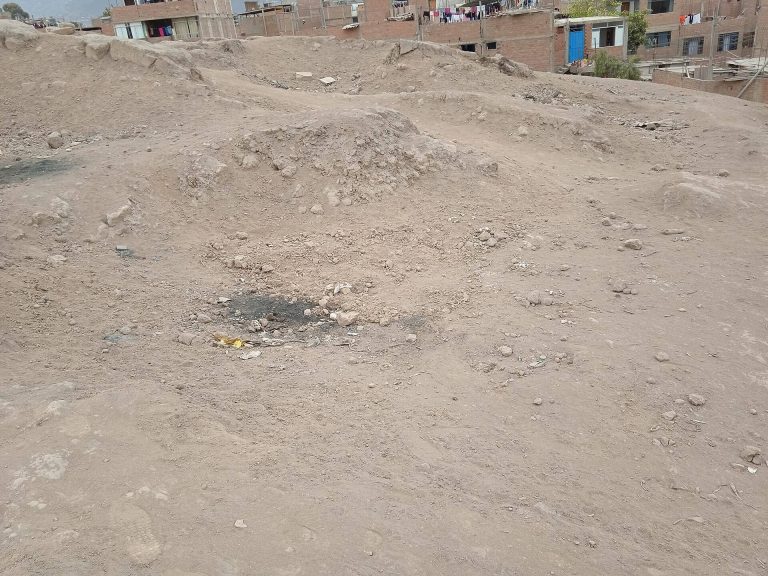
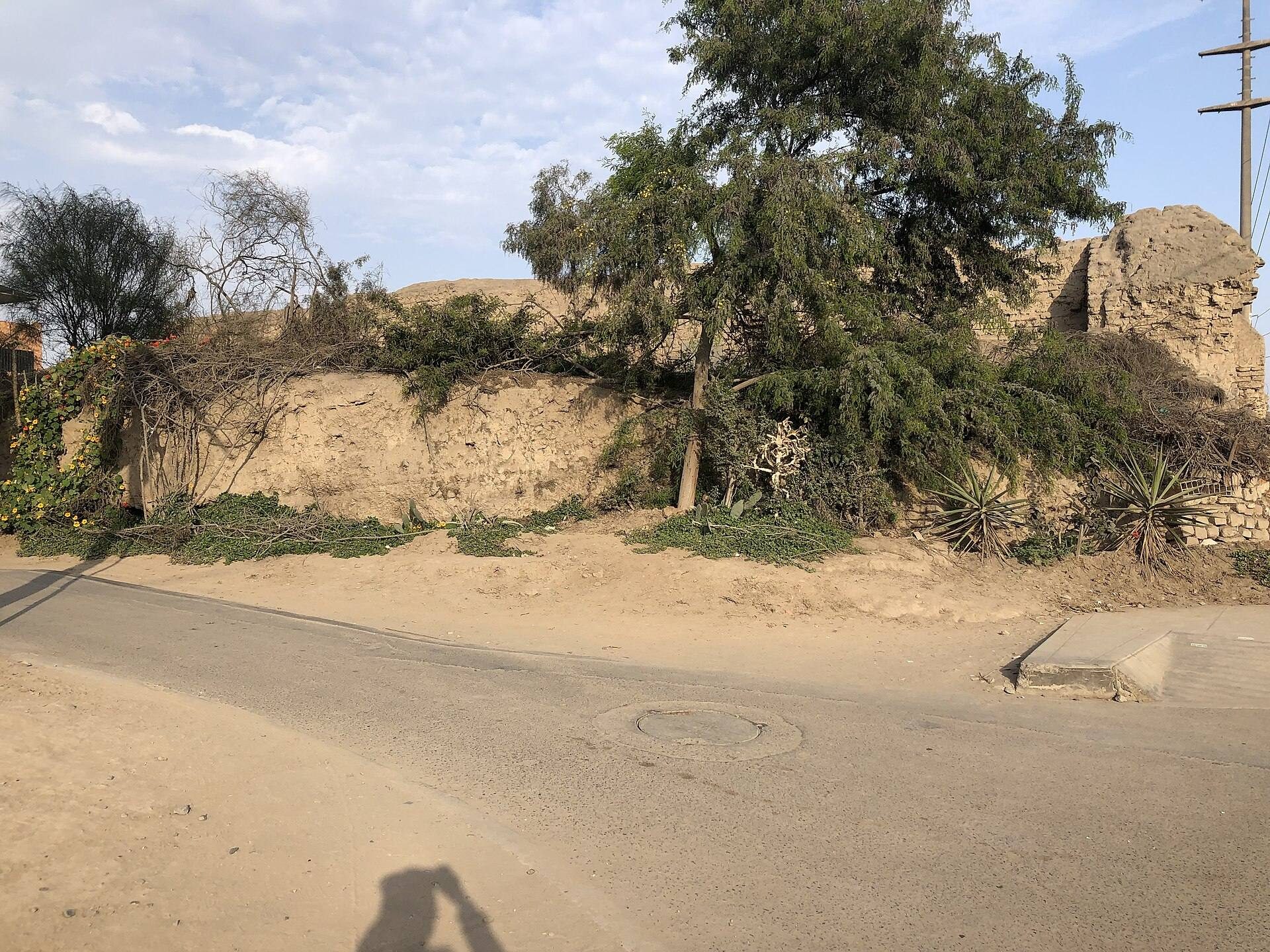
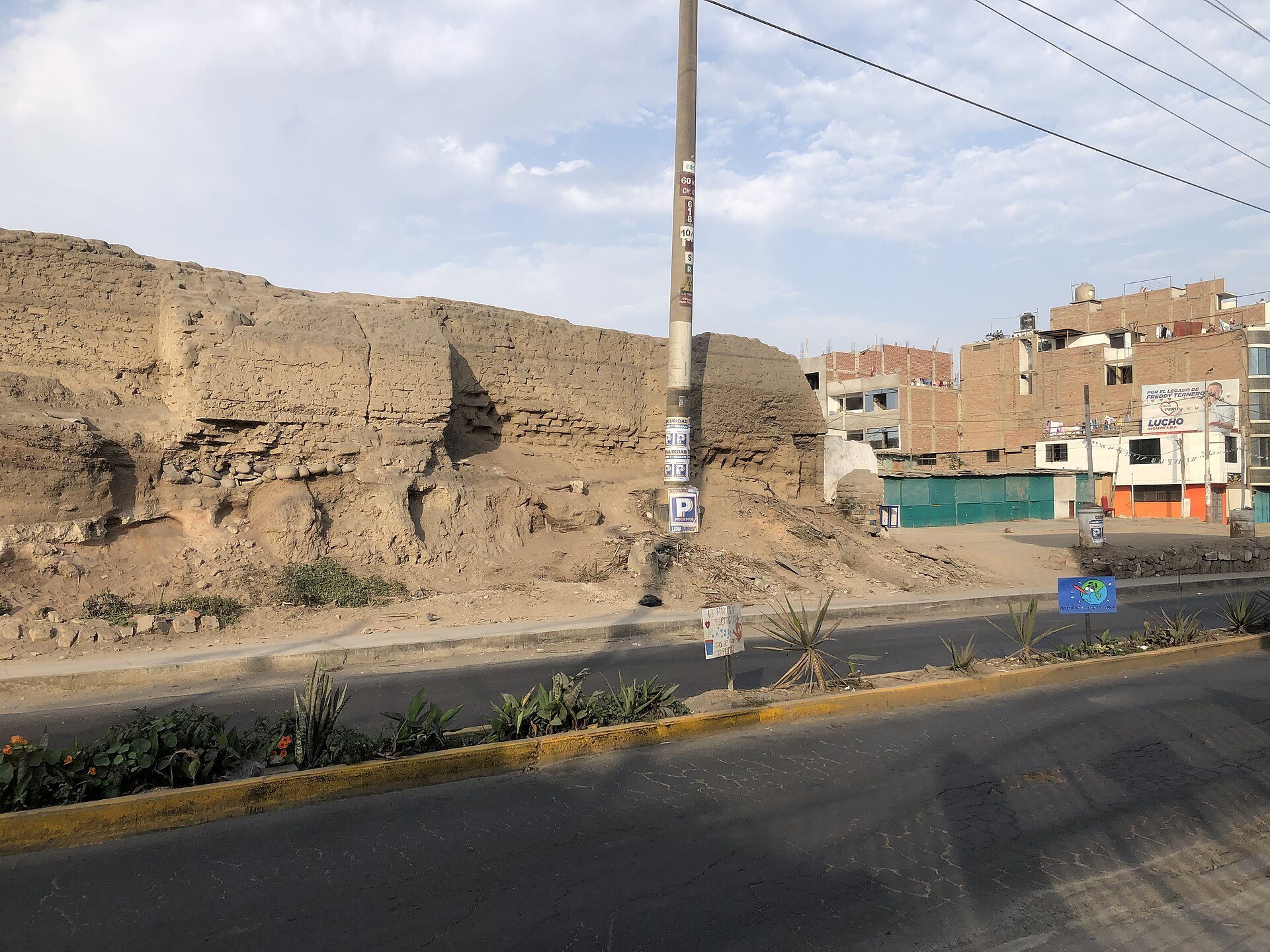
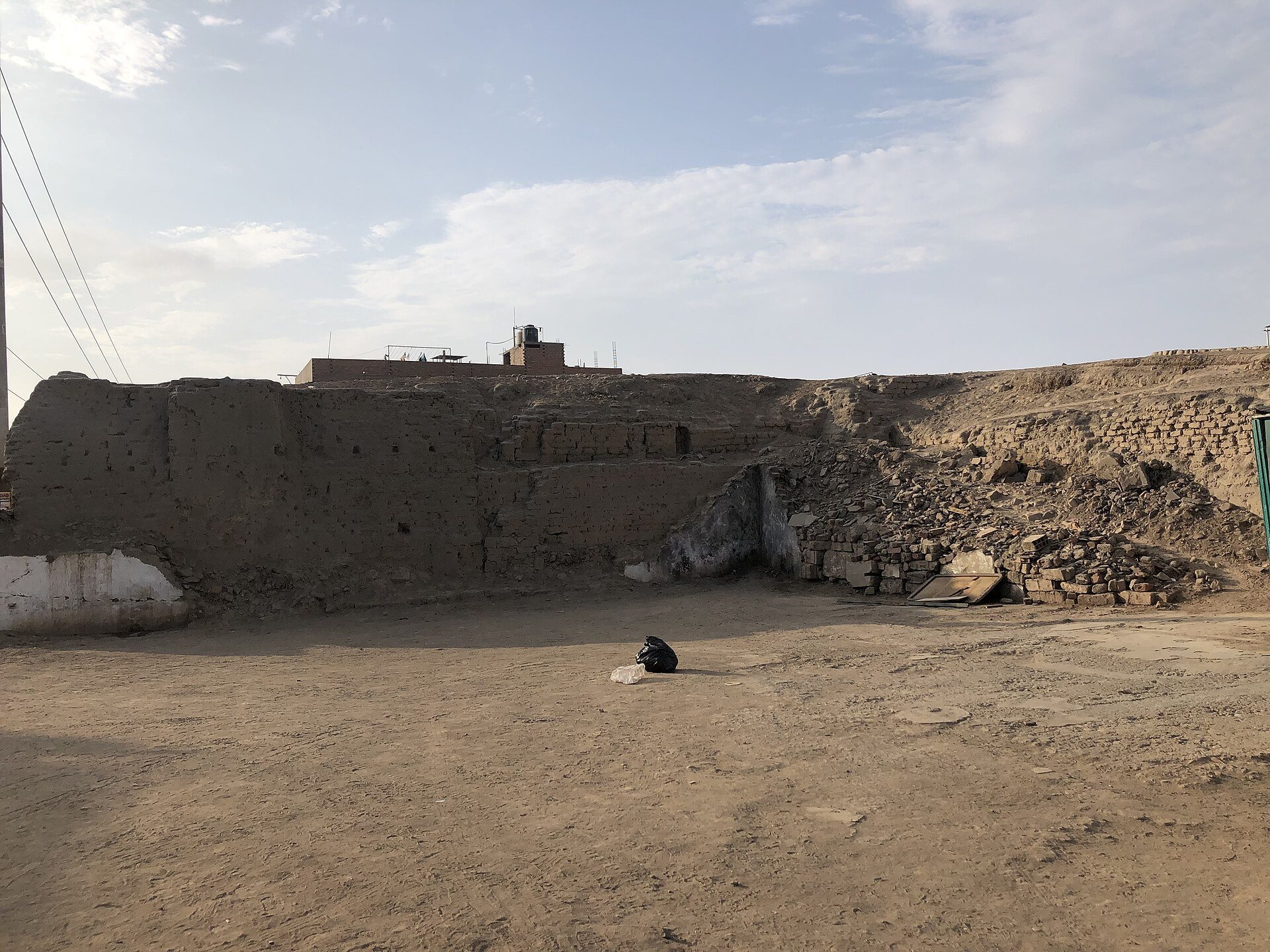
For more than 40 years, the site’s caretaker has provided information about the complex and sought state assistance. Huaca Santa Rosa is now largely abandoned. Construction debris, other objects, and rubbish occupy the upper section, while a corner of the lower section is used as a rubbish dump. A market also occupies part of the lower area, adding a contemporary use to the layered history of the site.
Remains
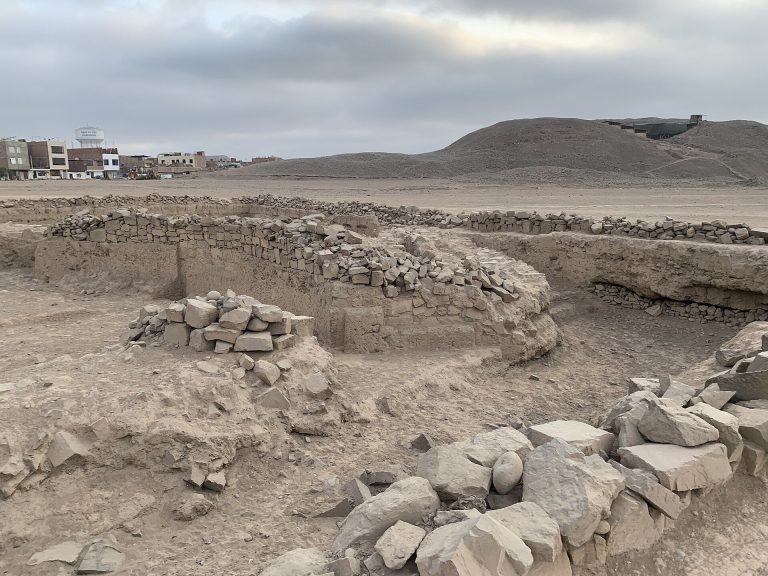
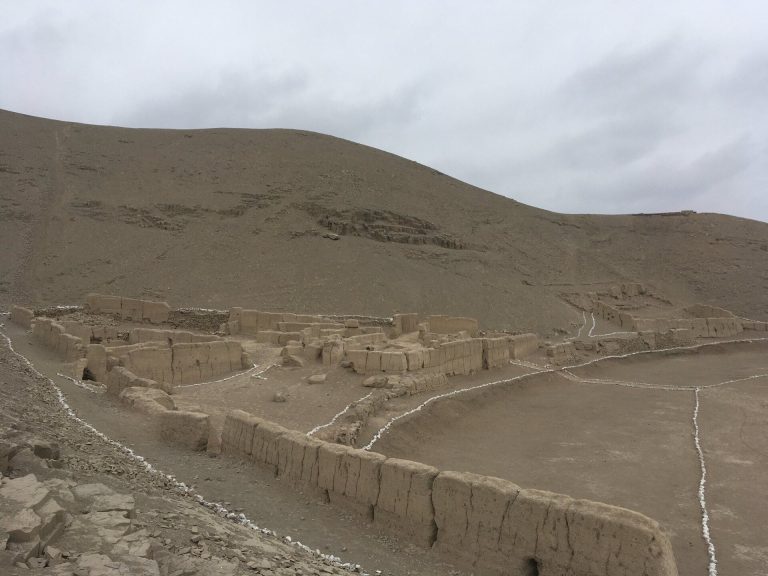
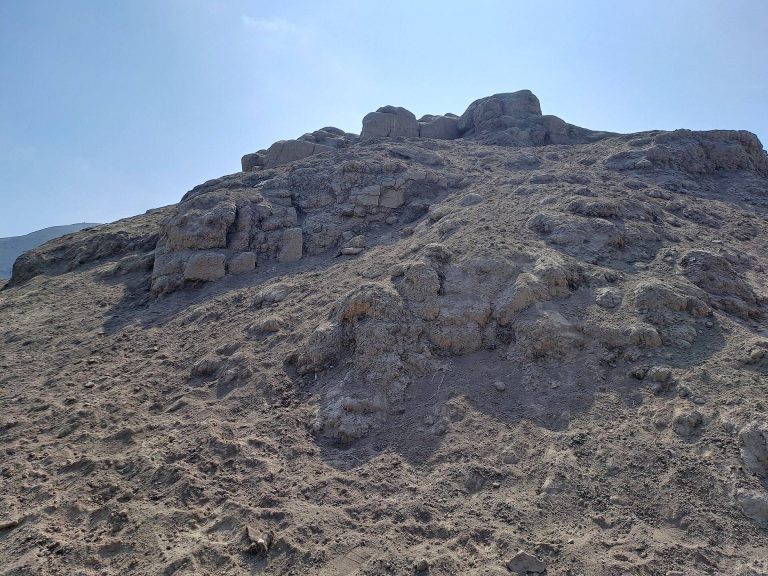
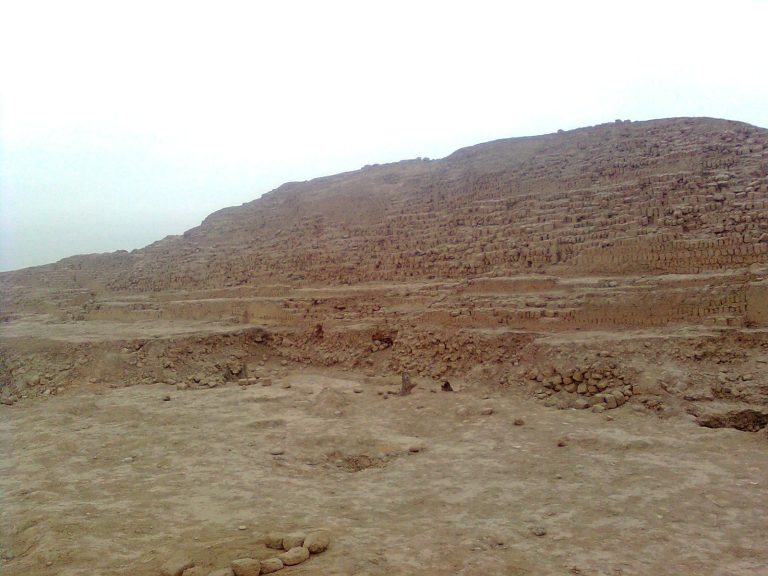
The complex covers approximately 1,500 square metres at an altitude of about 44 metres above sea level. Its surviving form is organized into two clearly separated vertical sections. The lower section contains the construction associated with the Middle Horizon, while the upper section consists of the later mud-built hacienda house. The later building directly overlies the earlier monument, making the relationship between the two phases physically visible.
Pre-Hispanic and colonial structures
Lower huaca
The lower section is an artificial archaeological construction associated with the Middle Horizon. Its relationship to the Garagay complex is based on the ceramics linked to Santa Rosa and on the shared chronology attributed to the two sites. Part of the lower area is occupied by a market, which is supported against one of the enclosure walls. An additional masonry wall was built in front of that market structure.
Hacienda house
The upper section is a later hacienda house made of mud and built directly over the earlier huaca. Its position preserves the visible superimposition of the Spanish colonial phase on the pre-Hispanic construction. The upper area is currently used for dumping construction debris, multiple objects, and rubbish, affecting the condition in which this later structure survives.