Holy Spirit Parish Church: A Pilgrimage Church on Osterberg, Slovenia
Site at a Glance
- Rating
- 4.7
- Popularity
- Medium
- Country
- Slovenia
- Primary era
- Early Modern
- Eras represented
- Early Modern
- Civilizations
- Duchy of Styria, Habsburg, Habsburg Austria, Holy Roman Empire
- Site type
- Religious
- Remains
- Church
On this page5 sections
History
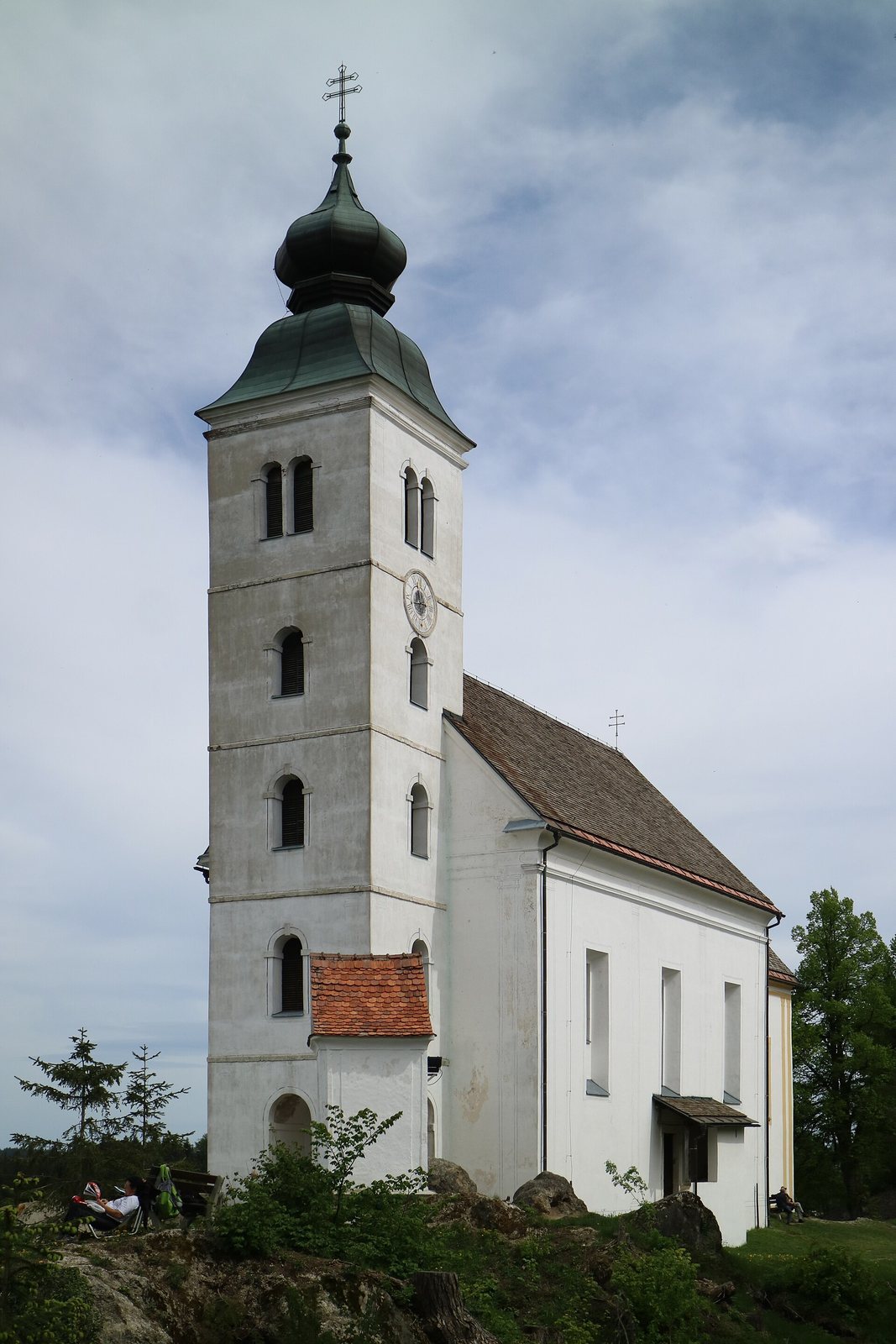
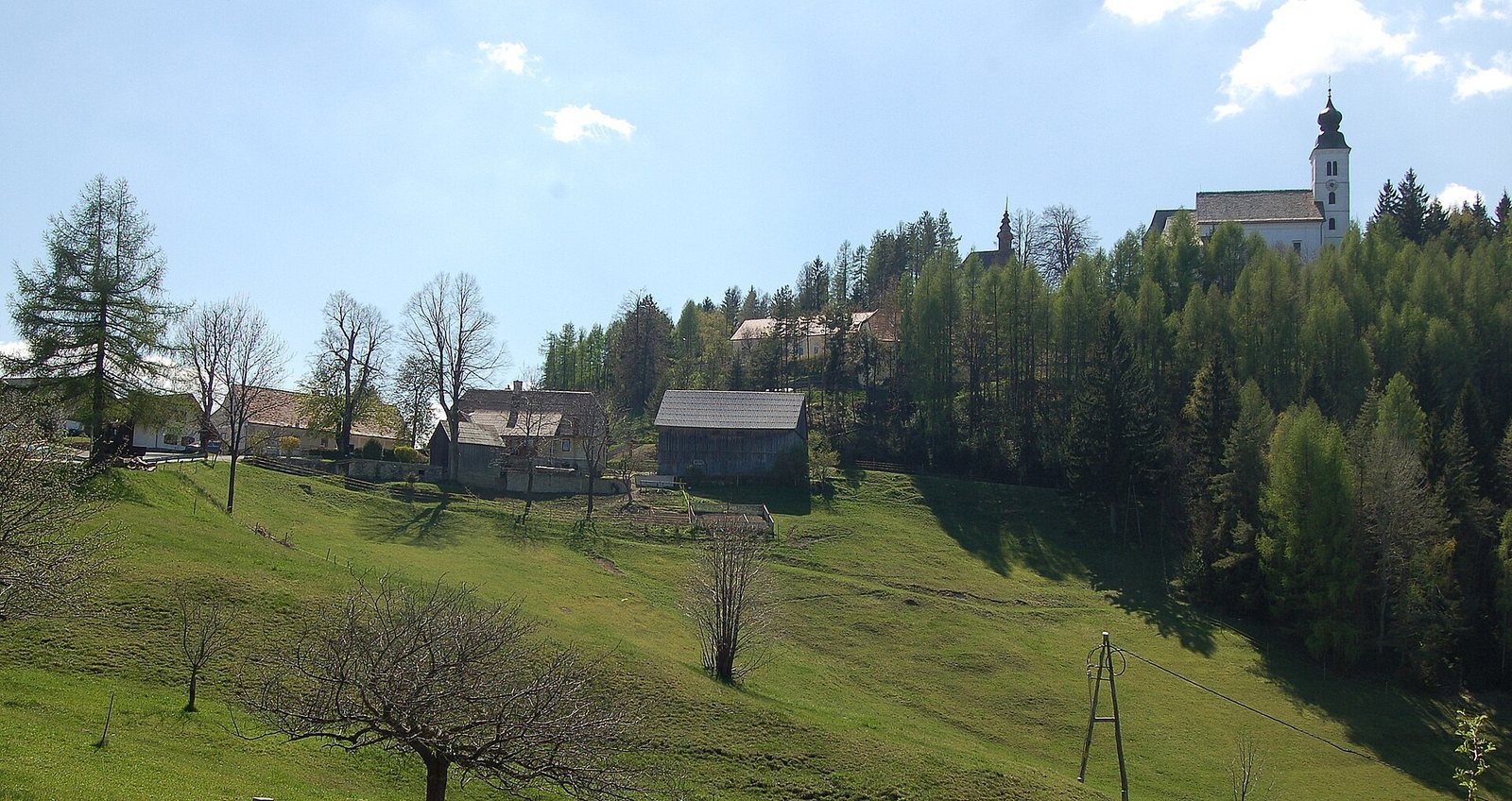
The Holy Spirit Parish Church stands on Osterberg in Selnica ob Dravi, Slovenia, near the border with Austria’s Styria. Anna Crescentia von Stubenberg had the church built anew in 1667, and it was dedicated to the Holy Spirit, the third person of the Christian Trinity, in 1709. Its history is closely connected with the Jumpers, a religious movement whose gatherings took place on the hill.
The Jumpers and the chapel
The Jumpers movement arose before 1570. By the early seventeenth century, members from Slovenian- and German-speaking communities, mainly from lower social groups, gathered regularly on Osterberg. Through ritual dancing, they sought ecstatic states and visions and tried to call upon the Holy Spirit. Some had been expelled from the Schwanberg area, then the last Protestant region in southwestern Styria. They withdrew to the country between Soboth and the Windische Bühel, where gatherings were commonly held on hilltops.
During the Counter-Reformation, the Catholic Church’s response to the Protestant Reformation and its challenge to Catholic authority and practice, church authorities monitored the gatherings before forcibly dispersing participants. Whether suppression had lasting success by the mid-seventeenth century remains uncertain, partly because the area east of the Drauwald was difficult to reach. A cult building stood on Osterberg before 1600. Authorities burned a chapel there in 1618, and it was rebuilt in 1622. Allowing churches at former cult sites was understood as a way to help secure lasting pacification.
Parish development and the border
Anna Crescentia von Stubenberg, a member of a Styrian noble family, had a new church built in 1667. The settlement of Heiligengeist grew around it. The church began as a chapel belonging to the parish of Leutschach, became a subsidiary church in 1789, and formed an independent parish from 1892. The parish covered extensive parts of the former Austrian municipality of Schlossberg, as well as areas around Heiligengeist that are now in Slovenia.
In 1919, after the First World War and the Treaty of Saint-Germain, the border between Austria and the Kingdom of Yugoslavia divided the parish. Its Austrian portion joined the parish of Leutschach, while the other portion was assigned to Yugoslavia.
Conflict and pilgrimage
During the Ten-Day War in 1991, the armed conflict between Slovenian forces and the Yugoslav army following Slovenia’s declaration of independence, Yugoslav and Slovenian soldiers clashed on Osterberg. The church is also a pilgrimage destination. Its annual major festival takes place on Pentecost Sunday, with services in both Slovenian and German. Renovations have received support from Styrian citizens and businesses.
Remains
The church stands on Osterberg, a pointed hill. The name derives from the Slovenian word óster, meaning “sharp” or “pointed,” and refers to the hill’s shape rather than to Easter. A wooden church stood on Osterberg for many centuries. Before 1600, a cult building occupied the hill, and by 1618 the Jumpers’ chapel stood at the site of the present church.