Hochburg: A Medieval Castle and Renaissance Fortress in Germany
Site at a Glance
- Rating
- 4.7
- Popularity
- Medium
- Country
- Germany
- Primary era
- Medieval
- External website
- Open
- Eras represented
- Medieval, Early Modern
- Civilizations
- Holy Roman Empire
- Site type
- Military
- Remains
- Castle
On this page10 sections
History
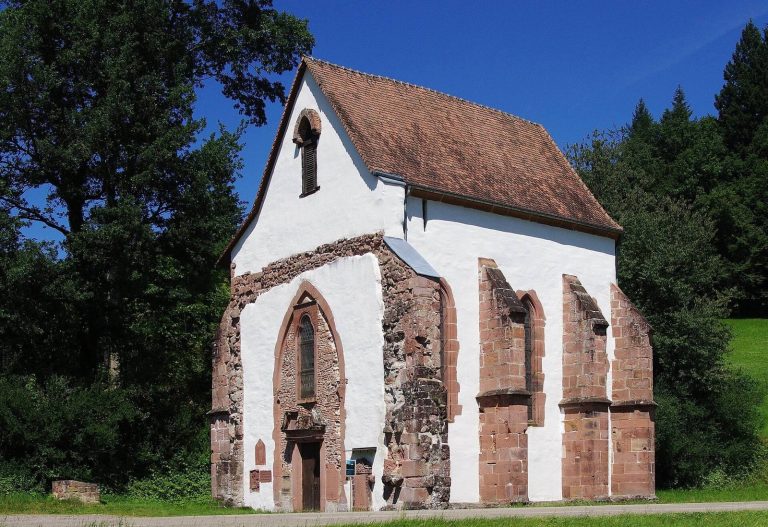
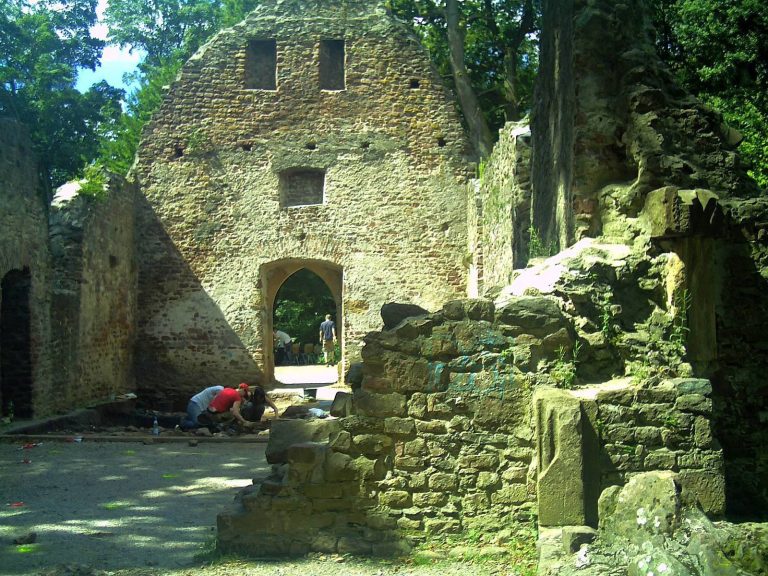
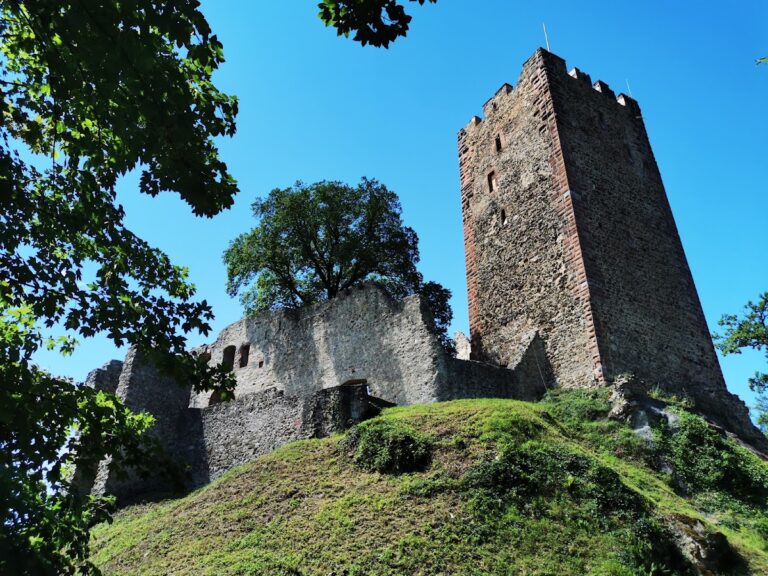
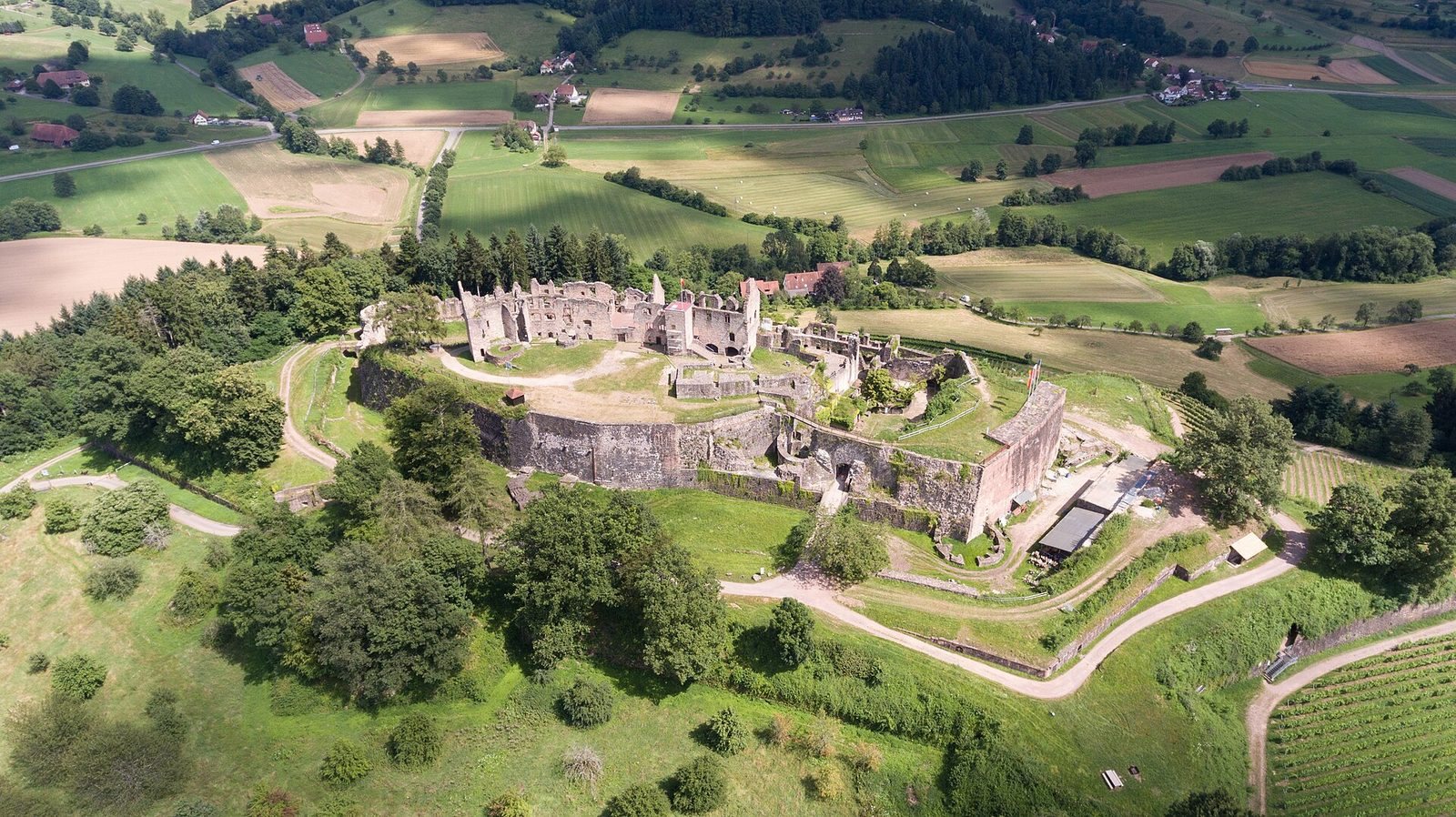
Hochburg, also known as Burg Hachberg, is a hilltop castle and fortress ruin in Germany, located in Windenreute, a district of Emmendingen. Probably founded before 1127, perhaps during the eleventh century, the medieval aristocratic castle later became a Renaissance palace-fortress and the political center of the Margraviate of Baden-Hachberg.
Origins and the Baden-Hachberg line
Dietrich von Emmendingen probably established Hochburg, possibly as a stronghold connected with the medieval clearance and settlement of woodland. He later adopted the name “von Hachberg.” The first written reference to the castle dates from 1127. Erkenbold von Hachberg, the last member of his lineage, is thought to have transferred his property to the Zähringers, a medieval Swabian noble dynasty with extensive territories in southwestern Germany. The transfer may have helped finance his participation in the Second Crusade, the western European military expedition to the eastern Mediterranean fought from 1147 to 1149.
A document concerning the foundation of Tennenbach Monastery in 1161 shows that Herrmann IV of Baden controlled the castle by that time. Around 1212, his sons Herrmann V and Heinrich I divided the margraviate. Hochburg then became the political center of Baden-Hachberg, a collateral branch of the House of Baden, the southwestern German ruling dynasty whose rulers held the rank of margrave.
Acquisition and military resistance
In 1415, Bernhard I of the main Baden line acquired Hochburg and its lordship from Otto II of Baden-Hachberg. Otto was heavily indebted and was the last member of that branch. The castle withstood the Upper Rhine League of Cities’ war against Bernhard I in 1424. It also resisted the German Peasants’ War in 1525, a widespread uprising in which rural communities challenged political, economic, and social conditions across parts of the German lands.
Renaissance transformation
From 1553, under Margrave Karl II, the medieval noble residence was extensively enlarged and transformed into a Renaissance palace-fortress. Under Margrave Georg Friedrich, the defenses were strengthened with seven bastions. A bastion is a projecting, usually angular fortification designed to allow defensive fire along the faces of adjoining walls. Three of the bastions were named Rötteln, Sausenberg, and Badenweiler, recalling other castles held by the Baden-Durlach margraves.
Sieges and destruction
Hochburg was besieged from 1634 to 1636 during the Thirty Years’ War, the destructive European conflict fought from 1618 to 1648. After the defenders capitulated, the fortress was demolished. Margrave Friedrich VI began rebuilding it in 1660, but the restoration did not secure its future.
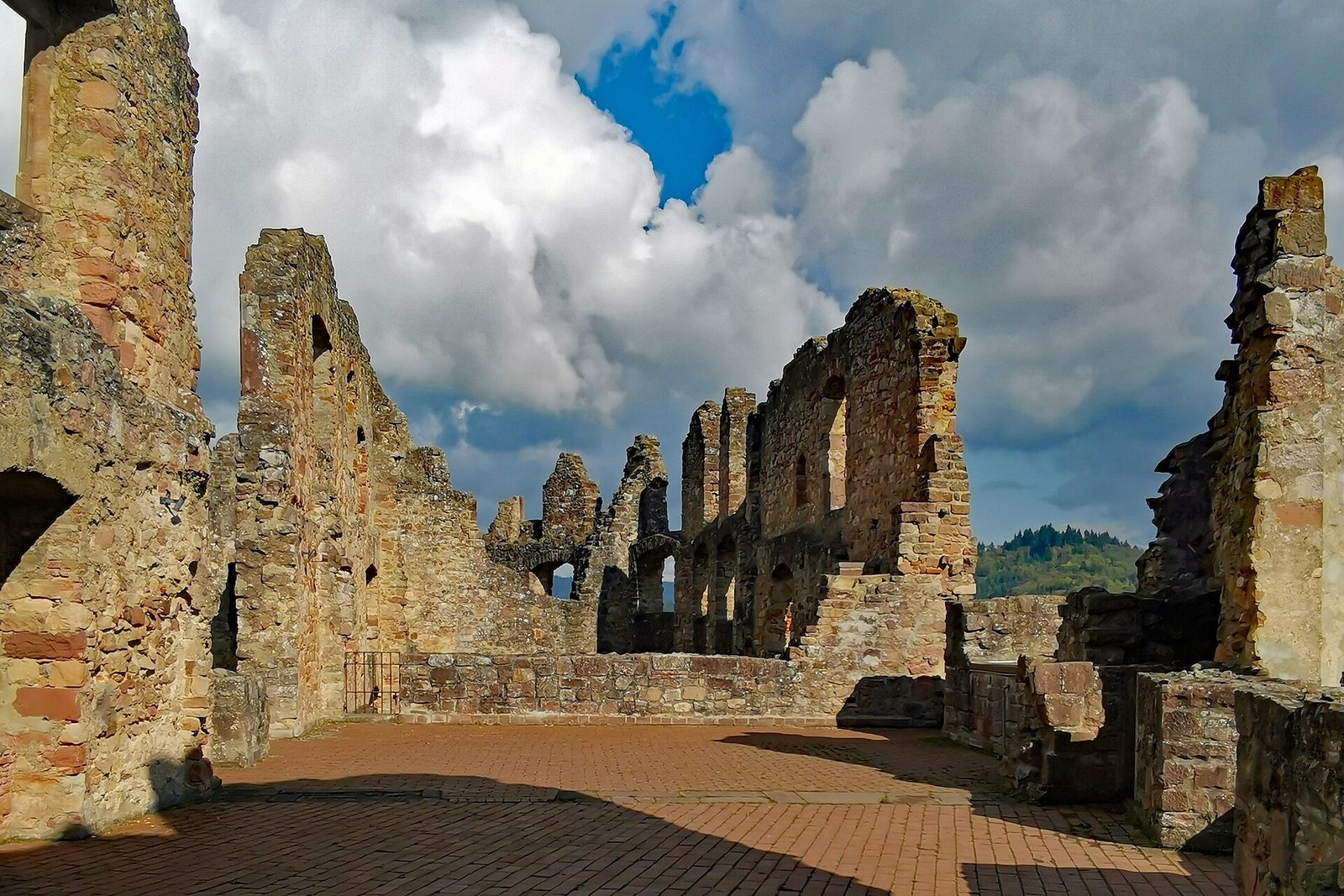
In 1681, the fortifications were deliberately destroyed after France extended its control to Freiburg im Breisgau following the Peace of Nijmegen. An accidental fire caused by domestic servants on 13 October 1684 further damaged the former fortress. French troops from Freiburg occupied the remaining fortifications on 12 October 1688, at the beginning of the War of the Palatine Succession, fought from 1688 to 1697. On 17 February 1689, they blew up the corner towers and parts of the walls, then destroyed the still habitable buildings and cellar vaults. The demolition was intended to prevent the fortress from being restored.
Preservation and cultural memory
Initial efforts to secure and preserve the ruins began at the end of the nineteenth century. The two world wars interrupted the work, which later resumed. Since 1971, the Hochburg Preservation Association in Emmendingen has maintained the ruins with volunteers, and it has leased them since 2007. Hochburg remains state-owned, is classified among Baden-Württemberg’s state monuments, and is administered by the State Palaces and Gardens of Baden-Württemberg. A small museum has occupied a cellar in the Upper Castle since 1991.
The castle’s name has an uncertain origin. One tradition connects it with Hacho, said to have been a follower of Charlemagne who received an estate in the area. A commemorative plaque from the period of Margrave Karl II supports this interpretation. A document from 1161 gives the name as Castro Hahberc. The castle’s builders appear to have adopted its name for their lineage, and the Baden-Hachberg branch later followed the same practice.
The change from “Hachberg” to “Hochberg” first appears in French records concerning the Hachberg-Sausenberg line, whose members were also counts of Neuchâtel. The form “Hochberg” reappeared in 1787, when Karl Friedrich of Baden married Luise Karoline Freiin Geyer von Geyersberg in a second marriage and made her Freifrau von Hochberg. “Freiin” was a title for an unmarried woman of baronial rank, while “Freifrau” denoted a married baronial woman.
The ruins also entered German literary and artistic culture. Jakob Michael Reinhold Lenz, who stayed repeatedly in Emmendingen between 1775 and 1779, drew inspiration from Hochburg for a treatise on Shakespeare’s dramas. The German engraver Johannes Esaias Nilson produced an engraving of the ruins around 1770, and Johann Wolfgang von Goethe made a drawing containing motifs from Hochburg. Local legends tell of hidden treasure, including a white woman carrying keys between Brettental and the castle, a shepherd boy welcomed by twelve enchanted men in a vanished hall and rewarded with gold coins, and a young man who died insane while searching the underground passages.
Remains
Hilltop setting and development
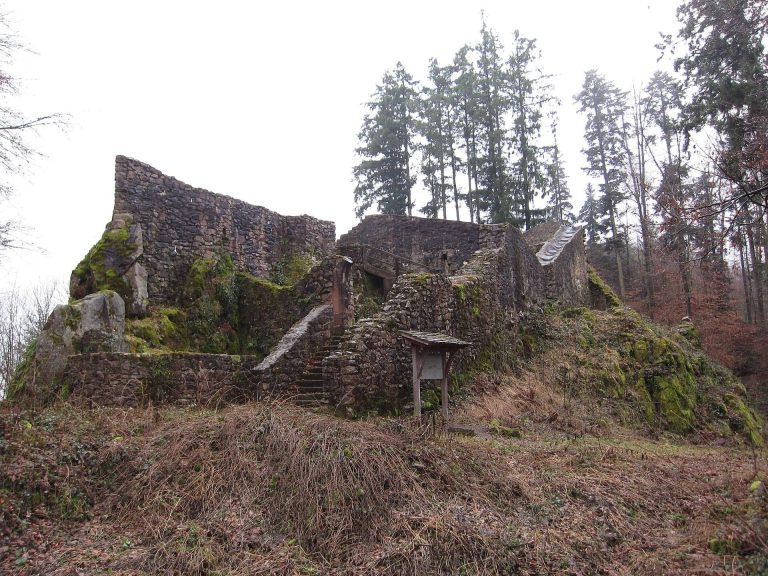
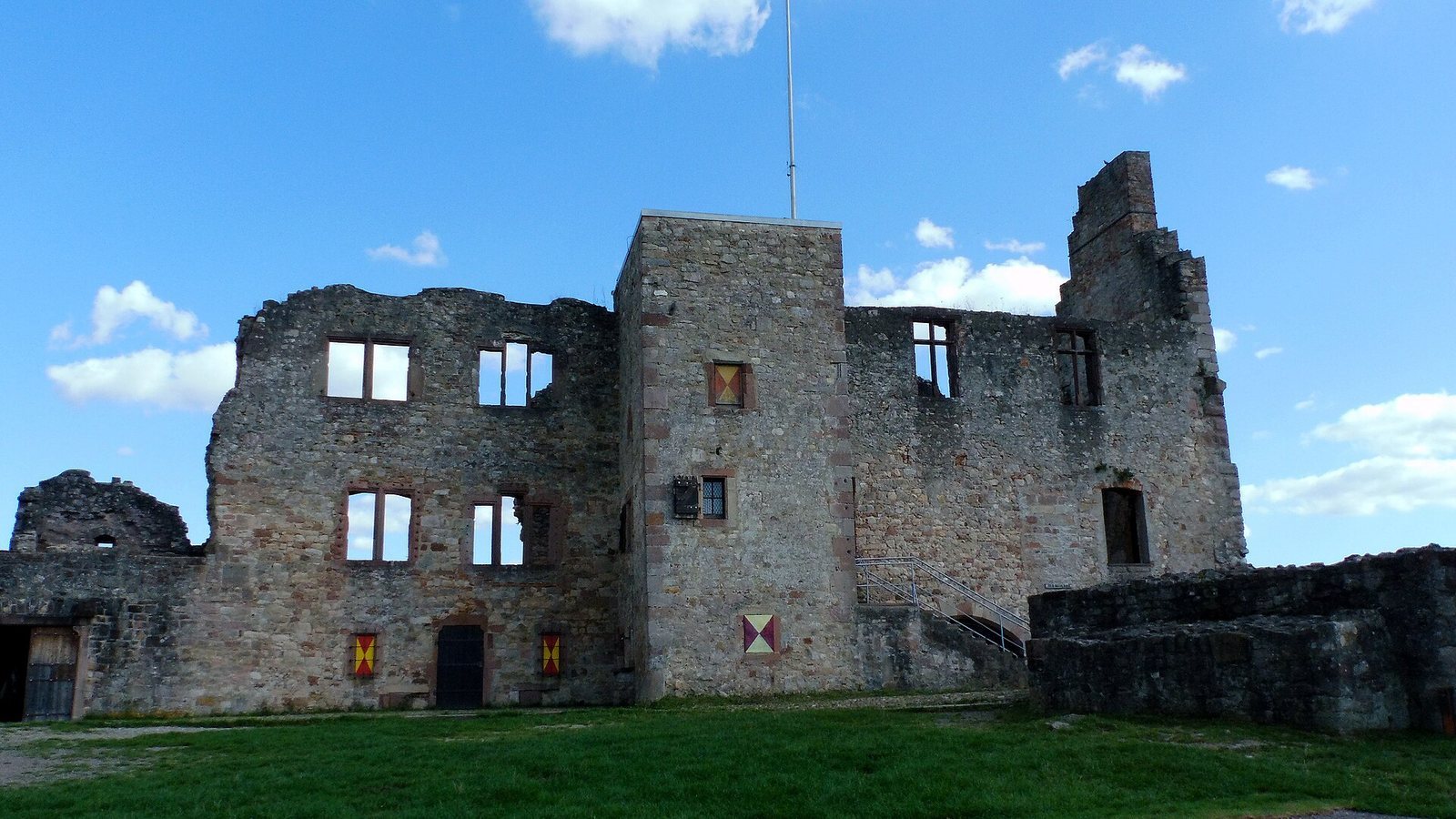
Hochburg occupies a mountain spur at the edge of the Black Forest foothills, near Sexau in Baden-Württemberg, at an elevation of 343.6 metres above sea level. The surviving complex is a ruin that preserves the physical development of the site from medieval aristocratic castle to Renaissance palace-fortress. Its later defensive form resulted from extensive enlargement under Karl II and the addition of seven bastions under Georg Friedrich.
Fortified complex
The seventeenth-century demolitions damaged the corner towers, sections of the enclosing walls, the remaining habitable buildings, and the cellar vaults. The named bastions Rötteln, Sausenberg, and Badenweiler formed part of Georg Friedrich’s reinforcement of the fortress. Their names referred to other castles belonging to the Baden-Durlach margraves, linking the defensive scheme to the wider territorial holdings of that branch of the House of Baden.
Upper Castle
The Upper Castle is the upper fortified section of the complex. Its cellar contains the small museum installed there in 1991, while the wider ruins retain the effects of the seventeenth-century destruction, including the loss of habitable buildings and cellar vaults caused by demolition and fire.