St. Severinskapelle: A Late-Medieval Pilgrimage Church Ruin in Germany
Site at a Glance
- Rating
- 4.4
- Popularity
- Very Low
- Country
- Germany
- Primary era
- Medieval
- External website
- Open
- Eras represented
- Medieval
- Civilizations
- Holy Roman Empire
- Site type
- Religious
- Remains
- Chapel
On this page8 sections
History
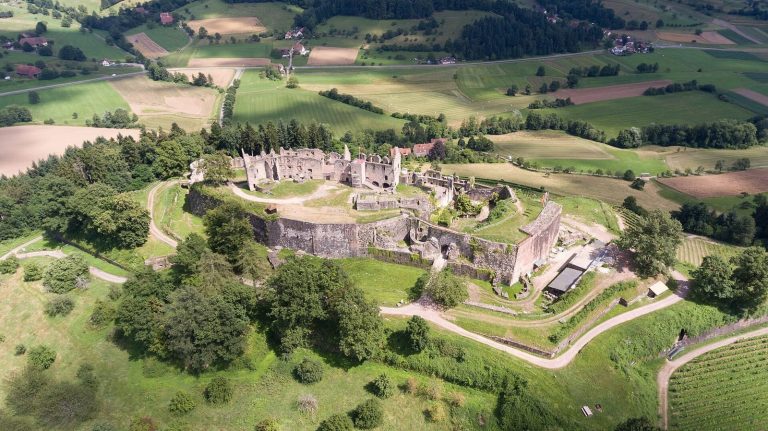
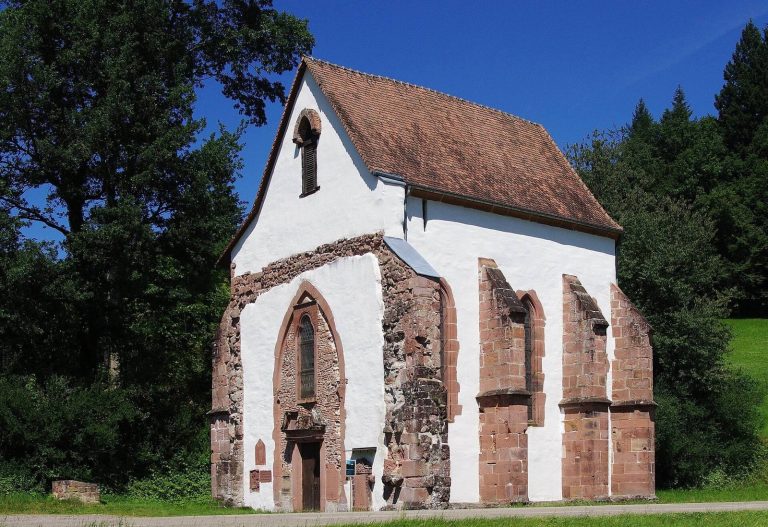
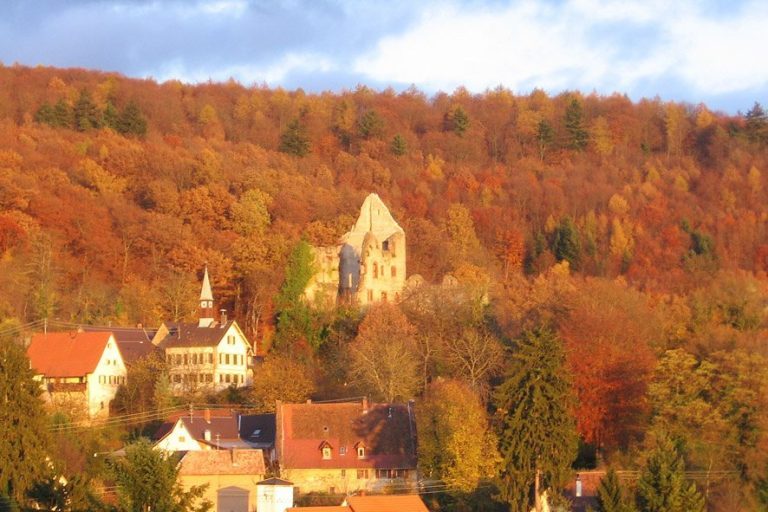
St. Severinskapelle is the ruin of a late-medieval pilgrimage church in Germany, located on Mauracher Berg near Denzlingen in Baden-Württemberg. Its construction is assumed to date to 1497. Dedicated to Saint Severin, a Christian bishop and saint, the church formed the latest phase of a long-lived religious and settlement site.
Early Medieval Settlement
The earliest identified built evidence is a sunken-featured building, a structure with a floor partly below ground level, dated by pottery to the ninth century. It belonged to an early-medieval secular estate or farmstead. The place called Muron was recorded in the tenth century. In 952, Emperor Otto the Great took Muron from Count Guntram, and in 962 he donated it to Konrad, Bishop of Constance. Muron may have corresponded to the estate on Mauracher Berg. A local tradition later held that Simon vom Walde, regarded as the namesake of Simonswald and the Simonswald valley, regularly rode with his retinue to the hill for worship.
Parish Churches and Pilgrimage
Two successive churches stood on the site before the late-medieval pilgrimage church. Each served as the parish church for the surrounding area, especially the Glottertal and Elztal. Their associated cemeteries were used between the twelfth and fifteenth centuries, when most of the excavated skeletons were buried.
The pilgrimage church is assumed to have been built in 1497. Pilgrimages ended in the Margraviate of Baden-Durlach after the Reformation in 1556, a sixteenth-century religious movement that challenged established Western Christian institutions and changed worship and church administration. After this change, the church was left to decay. The ruin is now used for ecumenical services.
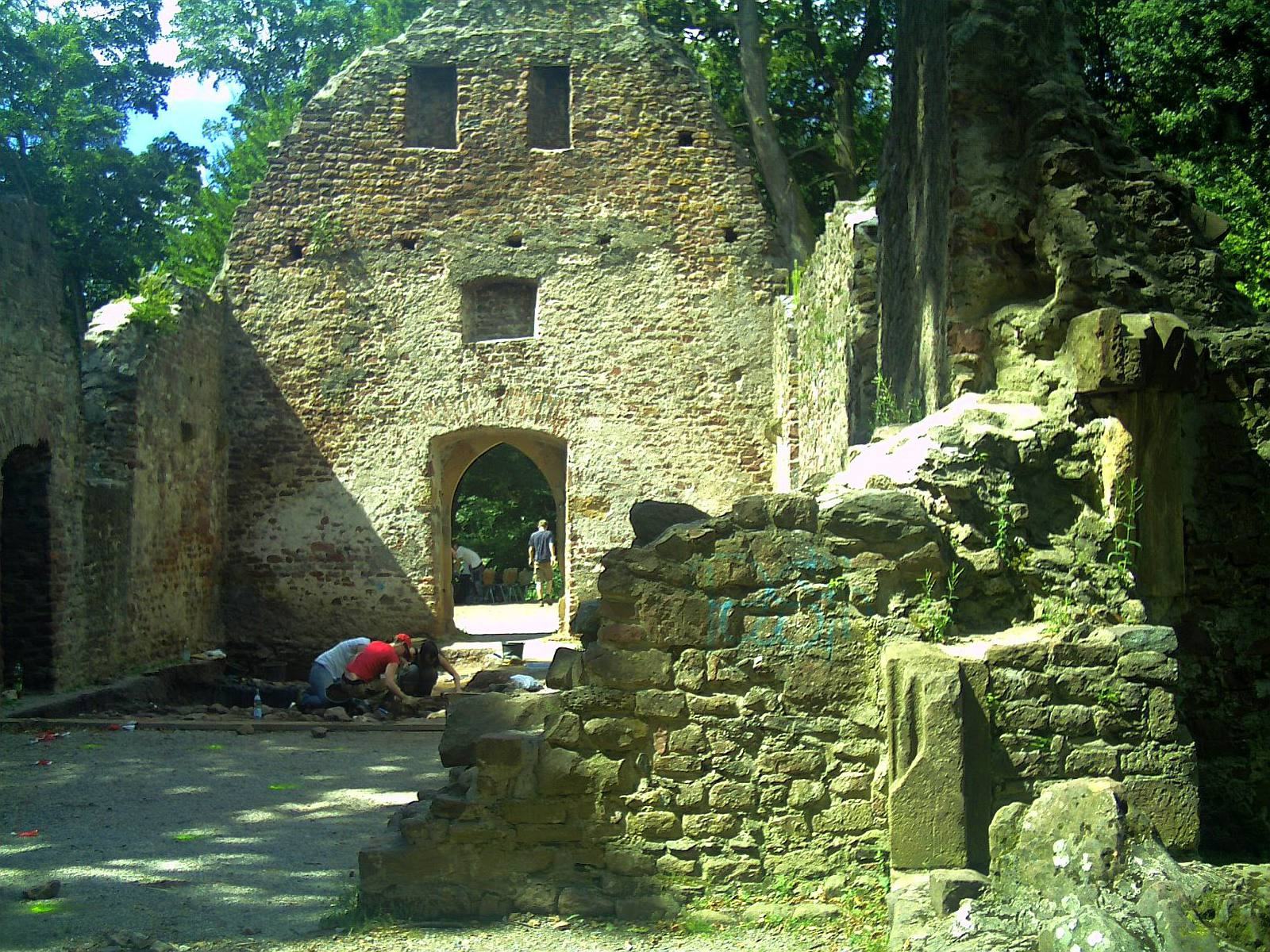
Excavations carried out between 2011 and 2016 by the Albert-Ludwigs University of Freiburg, under Benjamin Hamm, clarified the sequence of earlier occupation and identified graves from the parish-church cemeteries. Since 2019, paving stones have marked the courses of buried walls and outlined the locations of historic buildings.
Remains
Churches and Buried Buildings
Late-Medieval Pilgrimage Church
The principal visible remains are those of the late-medieval pilgrimage church. Its ruin occupies the site of the two earlier parish churches, whose apses had different forms: one was semicircular and the other rectangular. Buried wall courses are marked by paving stones installed in 2019, making the positions of the historic buildings legible within the site.
Ninth-Century Farmstead Building
The remains of the ninth-century sunken-featured building represent the earliest identified structure at Mauracher Berg. Its partly sunken floor and pottery date connect it with the early-medieval secular estate or farmstead that preceded the churches.
Cemeteries and Associated Features
Excavations revealed graves belonging to the cemeteries of the two predecessor parish churches. The skeletons date almost exclusively from the twelfth to the fifteenth century, providing physical evidence of the communities served by those churches.
A red-sandstone relief of Saint Severin as a bishop formerly stood inside the chapel. During the twentieth century, it was transferred to the Catholic Church of St. James. On the southern slope, a wall is not directly associated with the church buildings and may have functioned as a retaining wall against landslides.
The southern side of the ruin adjoins the private cemetery established in 1912 for the Sonntag family. The family owned Mauracher Hof, at the foot of Mauracher Berg, from 1714 to 1970.