Hazra Mausoleums Complex: A Medieval Cemetery Monument in Azerbaijan
Site at a Glance
- Rating
- 4.8
- Popularity
- Very Low
- Country
- Azerbaijan
- Primary era
- Early Modern
- Eras represented
- Medieval, Early Modern
- Civilizations
- Safavid, Shirvanshah
- Site type
- Religious
- Remains
- Tomb
On this page10 sections
History
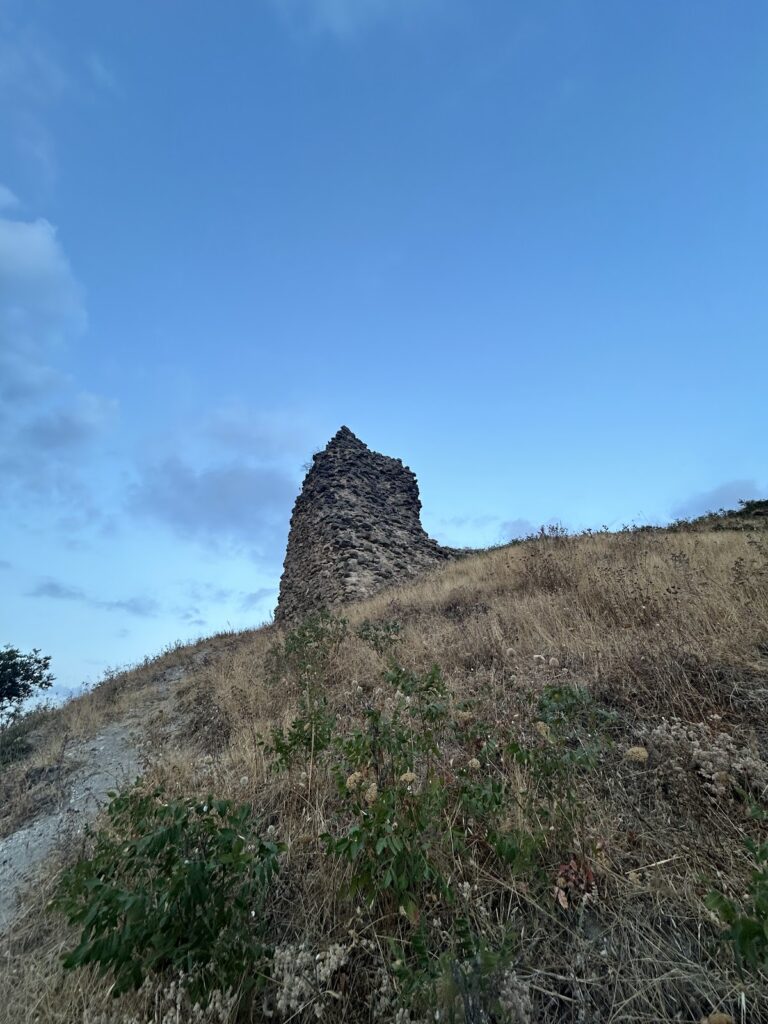
Hazra Mausoleums Complex is a group of historical and architectural monuments in Hazra village, Qabala District, Azerbaijan, constructed during the fifteenth and sixteenth centuries in the regional Shirvan-Absheron architectural tradition. The complex formed part of a medieval cemetery covering about 3.5 hectares and originally contained seven mausoleums. Four survive, including the mausoleums of Sheikh Badraddin, Sheikh Mansur, Sheikh Muhammad, and Sheikh Bani, although two are in a dilapidated condition.
Medieval foundations and memorials
The Sheikh Badraddin Mausoleum commemorates Badraddin, identified by its inscription as the son of Sheikh Shamsaddin. The inscription records his death in 1446–1447. An Arabic inscription on the Sheikh Mansur Mausoleum associates the building with Sheikh Mansur during the reign of Sheikh Ibrahim, a medieval ruler. It also connects the village with Sheikh Mansur’s name from the thirteenth century.
Safavid-period construction
Inscriptions on two of the mausoleums place their construction during the reign of Shah Tahmasp I, the Safavid ruler who reigned from 1524 to 1576. A construction inscription from the Sheikh Muhammad Mausoleum states that it was erected over the grave of Sheikh Muhammad, son of Sheikh Barik, in 1562–1563. The inscription of the Sheikh Bani Mausoleum establishes a date of 1570–1572 and names both Sheikh Bani and Shah Tahmasp I.
The Sheikh Bani inscription also names the master architect Shamakhi Shamsaddin. He is likewise identified as the architect of the sixteenth-century Sheikh Mazyad Mausoleum in Agsu.
Restoration and protection
The first recorded restoration campaign took place in 2006 at the request of the local department of Azerbaijan’s Ministry of Culture and Tourism. Brigade No. 4 of the Sheki Scientific Restoration and Production Department carried out the work. By 2018, the mausoleums were apparently neglected and at risk of collapse, while further restoration and conservation efforts had not yet produced a solution.
The complex is registered among Azerbaijan’s national historical monuments and is classified as a monument of national importance.
Remains
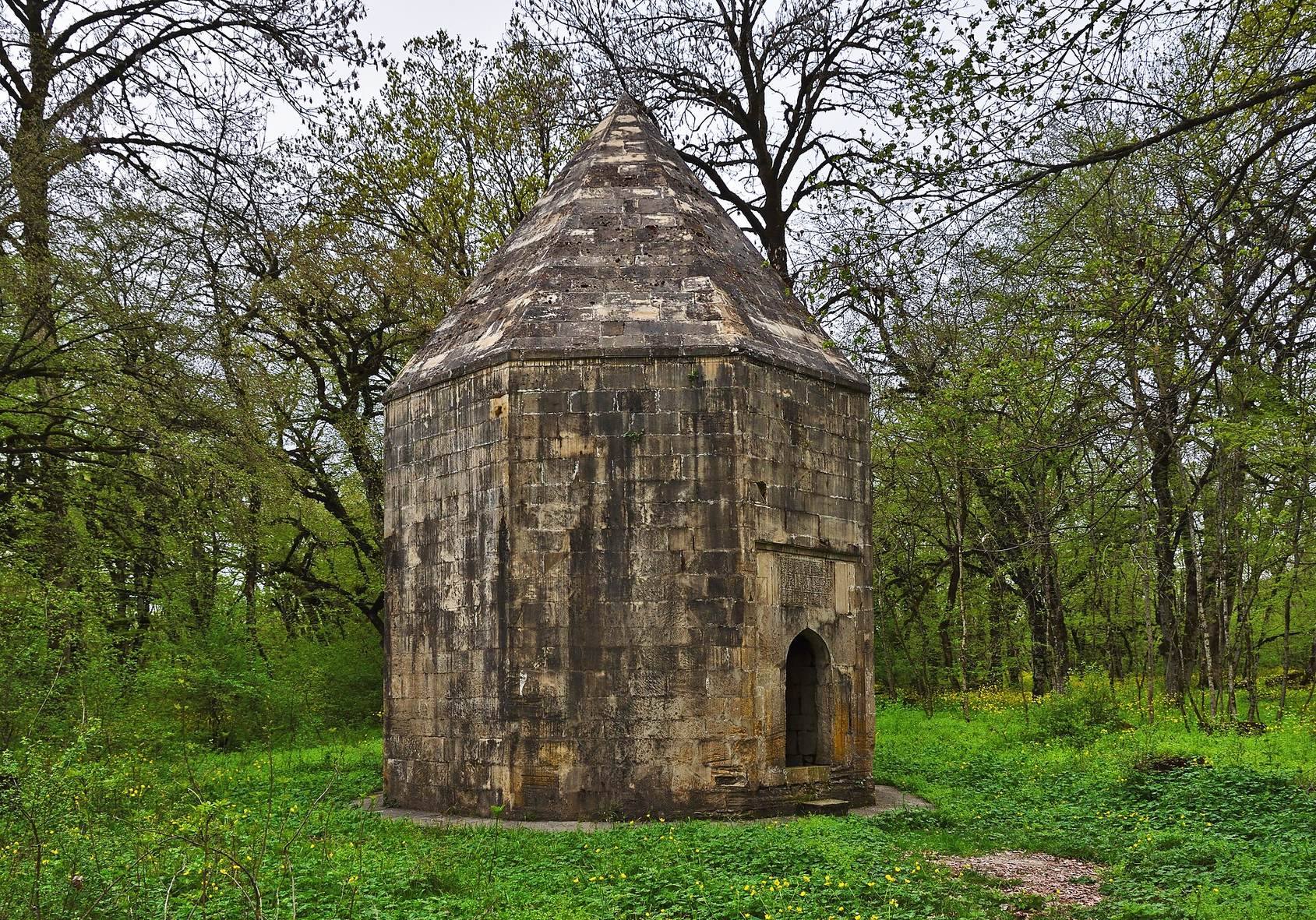
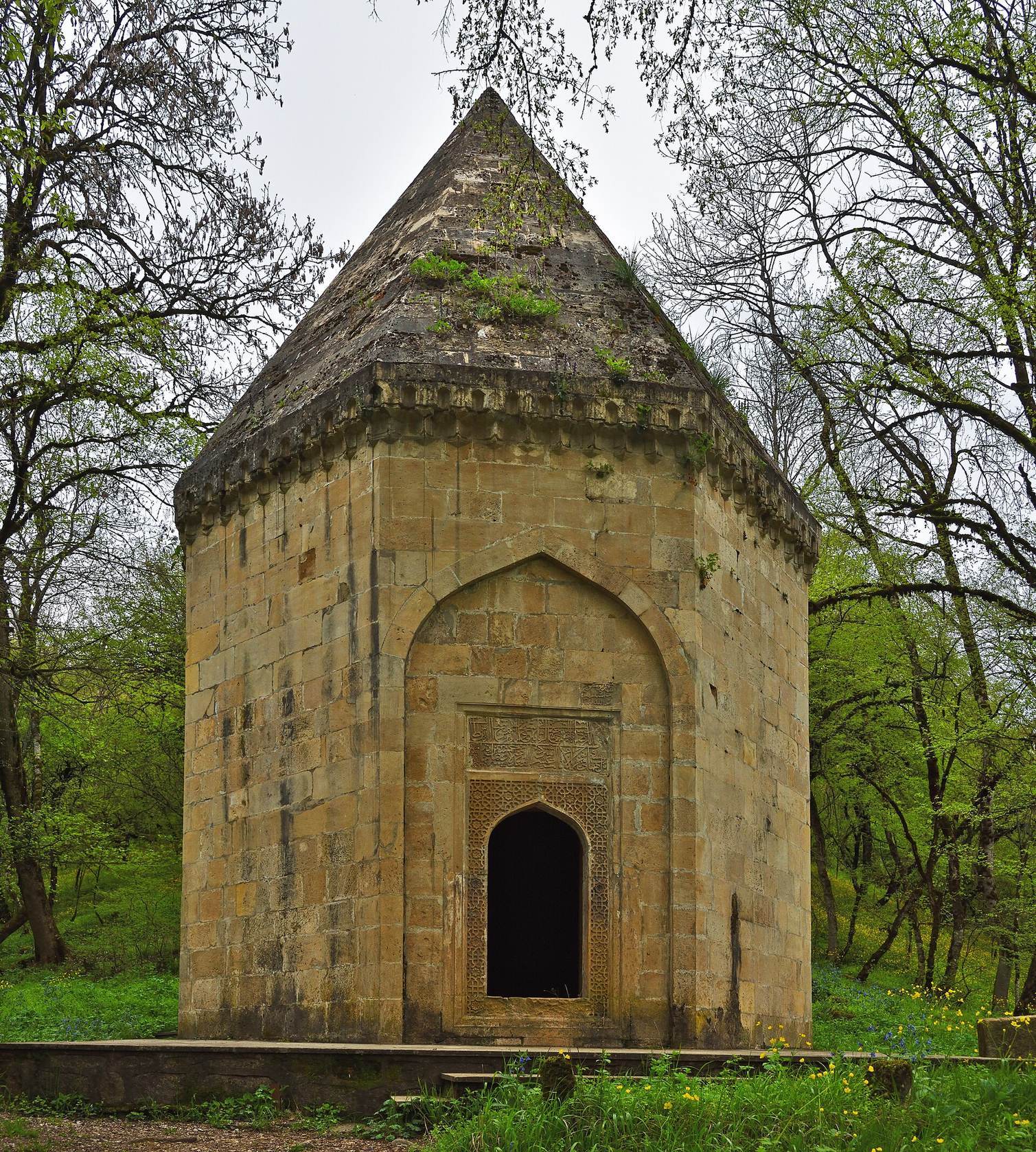
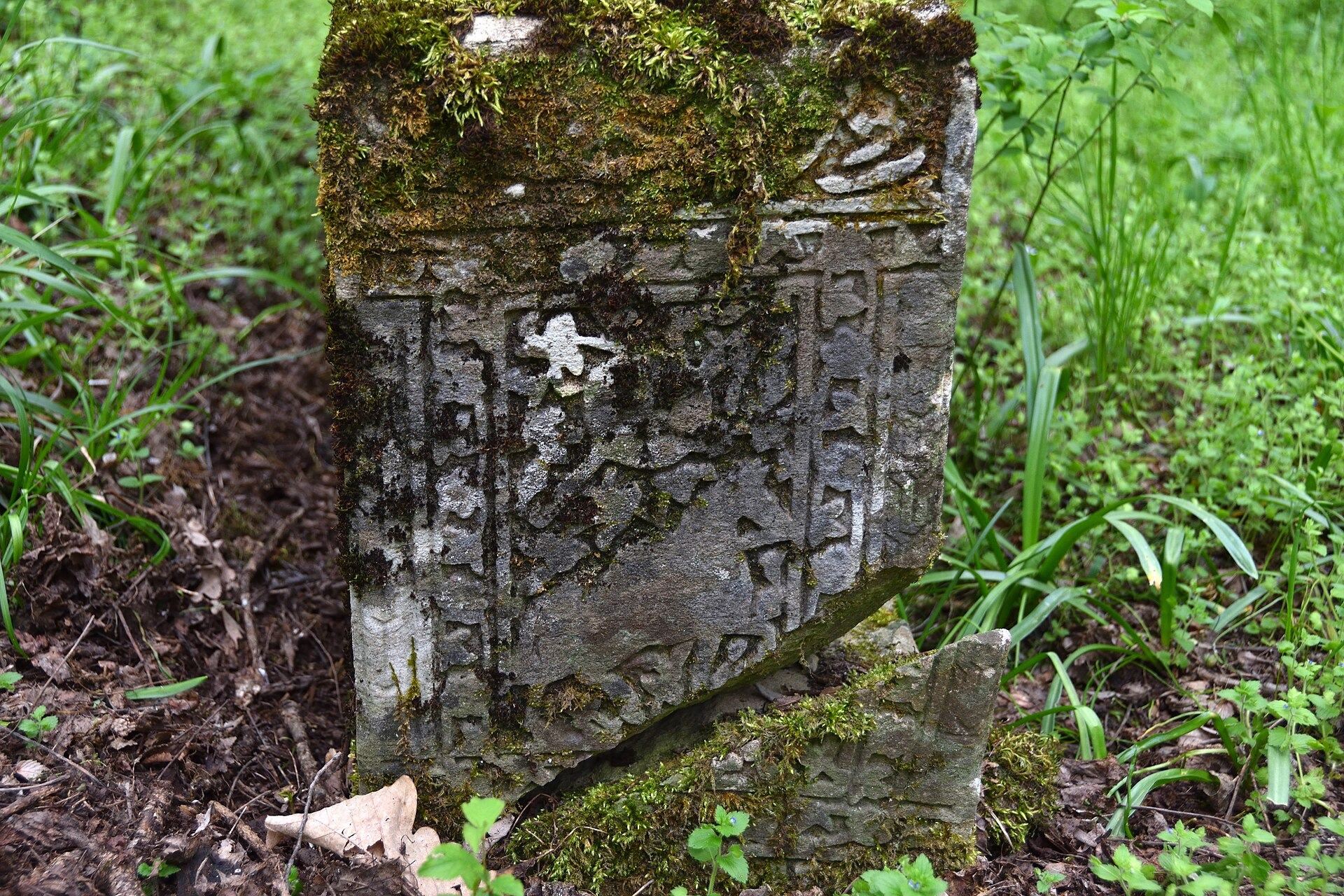
The complex stands in a forested area at the center of the medieval cemetery. Its four surviving mausoleums reflect the Shirvan-Absheron architectural school through their masonry, entrance framing, cornice forms, internal volumes, and carved inscriptions. The buildings differ in plan and external treatment, while portals, cenotaphs, and headstones carry Arabic-script decoration. Engravers and calligraphers arranged the lettering as borders, cord-like patterns, and carpet-like designs across the stone surfaces.
Surviving mausoleums
Sheikh Badraddin Mausoleum
The Sheikh Badraddin Mausoleum has an octagonal plan both inside and outside. It contains two inscriptions, including a principal two-line Arabic text in naskh, a clear traditional Arabic script. The inscription identifies the tomb and records Badraddin’s death. Its carved text forms part of the monument’s decorative treatment.
Sheikh Muhammad Mausoleum
The Sheikh Muhammad Mausoleum preserves a construction inscription written in two lines on two stone fragments. The text uses naskh with elements of thuluth, a larger Arabic script commonly used for monumental decoration. The fragments were found during restoration and reinstalled in the wall.
Sheikh Mansur Mausoleum
The Sheikh Mansur Mausoleum is rectangular inside but octagonal outside. It is covered by an octagonal, tent-shaped roof. Above the arched entrance, a three-line Arabic inscription is carved in thuluth. The entrance and roof give the building a distinct external form within the complex.
Sheikh Bani Mausoleum
The Sheikh Bani Mausoleum has an inscription beside the entrance that identifies the work as that of Shamakhi Shamsaddin. A stela beside the building records the dates 1570–1572 and names Sheikh Bani and Shah Tahmasp I. The stela may originally have stood above the entrance before falling from that position.