Halmstad Castle: A Seventeenth-Century Royal and Governor’s Residence
Site at a Glance
- Popularity
- Medium
- Country
- Sweden
- Primary era
- Early Modern
- Eras represented
- Early Modern
- Civilizations
- Danish, Swedish
- Site type
- Domestic
- Remains
- Castle
On this page6 sections
History
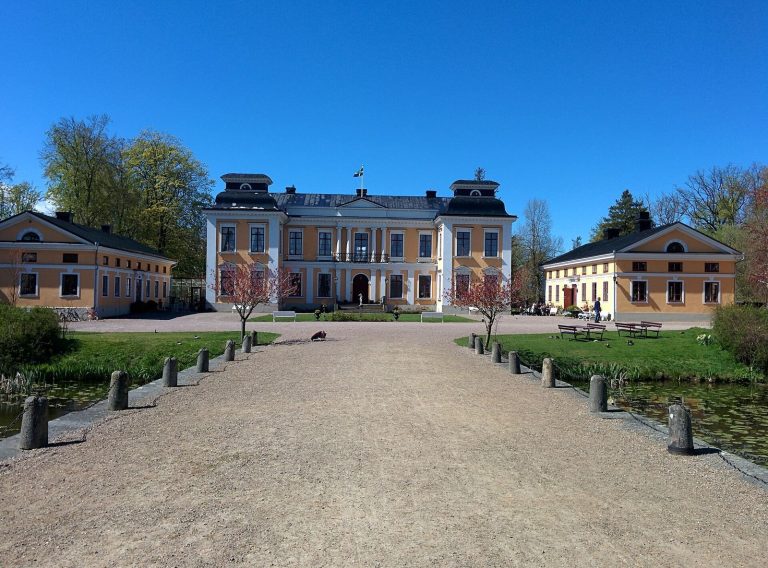
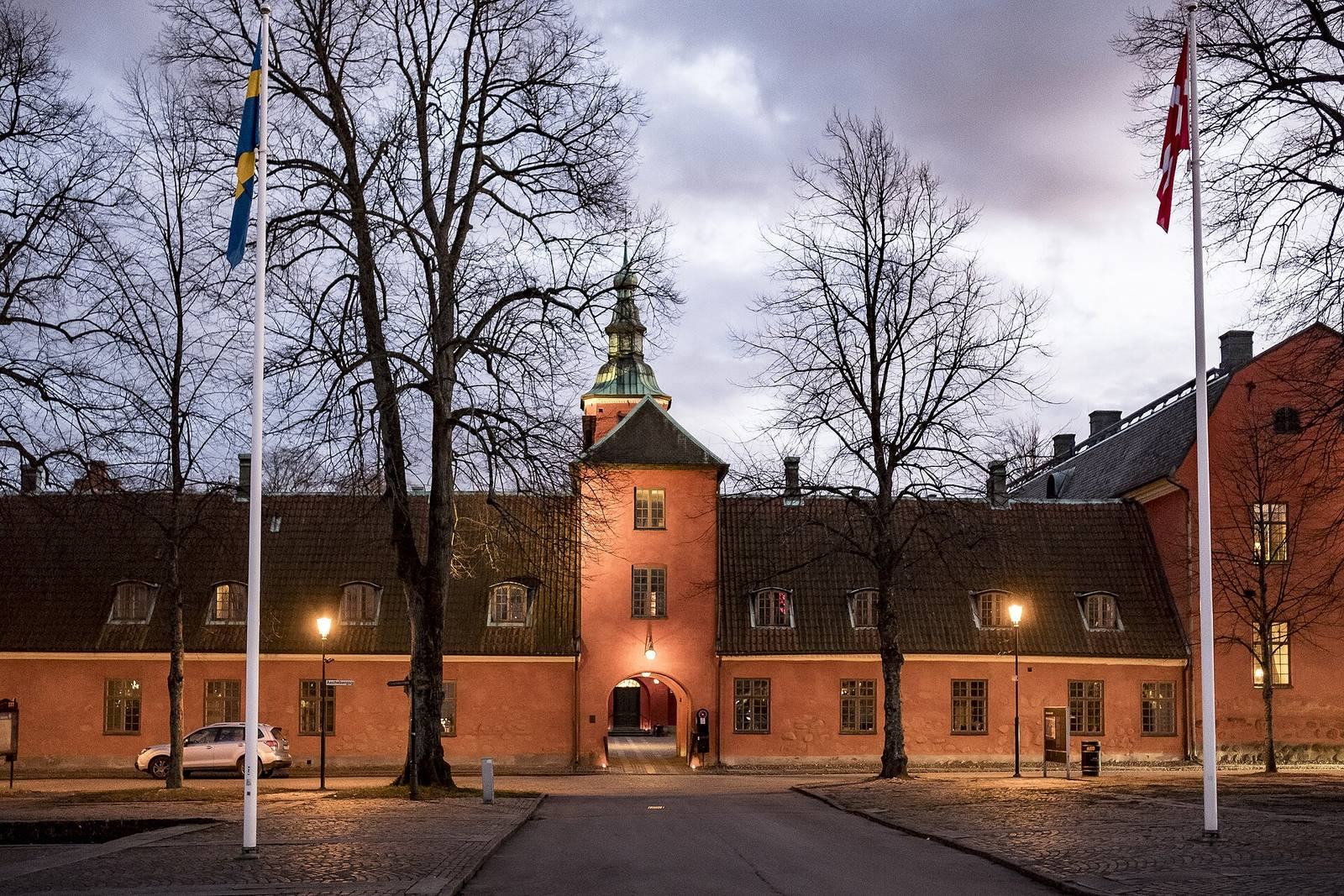
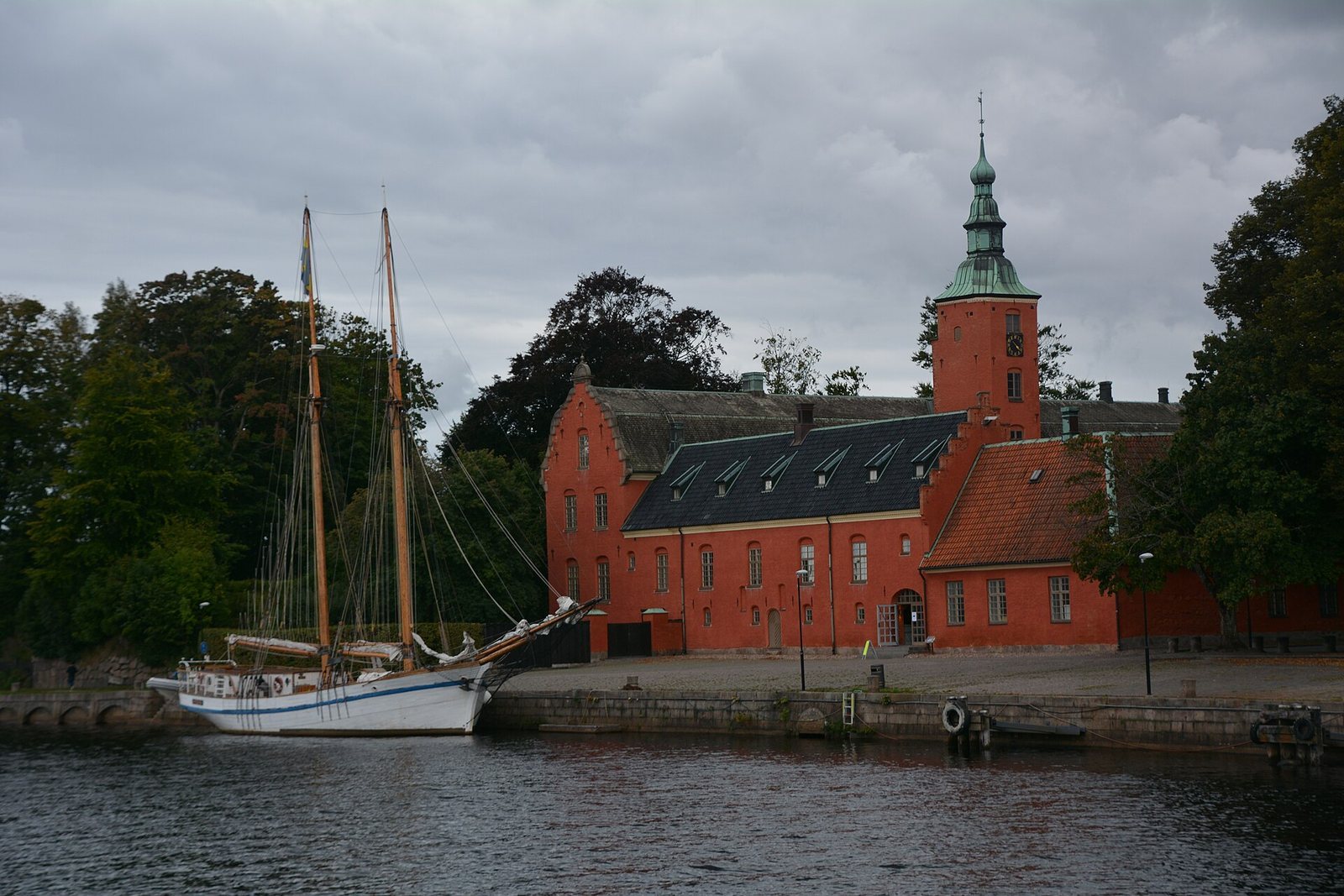
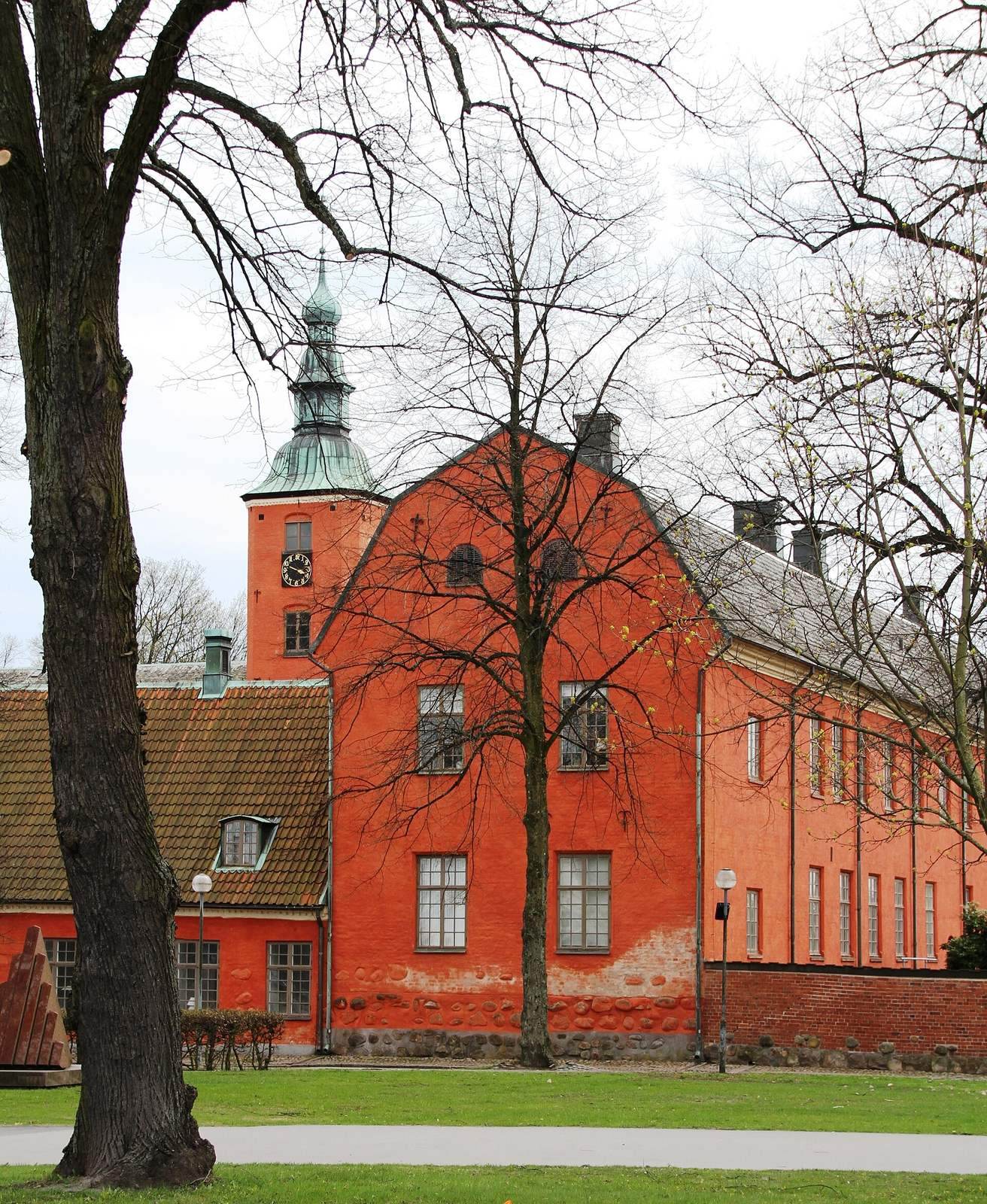
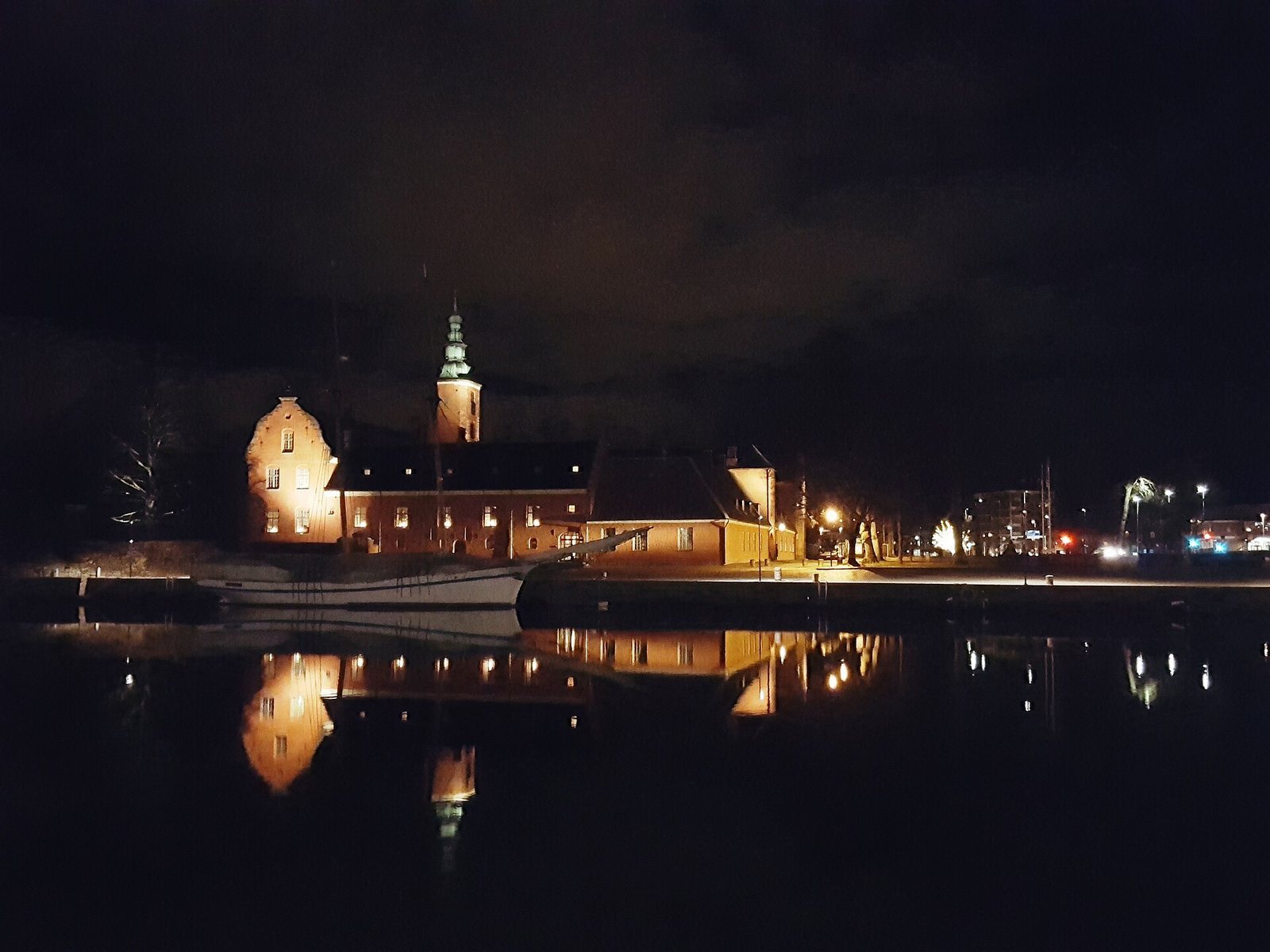
Halmstad Castle is a seventeenth-century castle in Halmstad, Sweden, built under Danish king Christian IV in the Renaissance style associated with his era. It began as a residence for the Danish king and later served Swedish rulers and Halland’s governor.
Danish Rule and Construction
In 1595, a farm on the site was purchased to provide accommodation for Christian IV during a visit to Halmstad. Construction began in 1609 on the farm and nine adjoining lots, and was probably finished in 1615. The Dutch architect Willum Cornelissen designed the castle and managed its construction. At the time, Halland was a Danish province.
Swedish Rule and Later Use
The Second Treaty of Brömsebro in 1645 transferred Halland to Sweden for a limited period. The Treaty of Roskilde in 1658, part of the conflicts between Denmark and Sweden, confirmed the transfer. The castle then came under the authority of Bengt Christoffersson Lilliehook, Halland’s first Swedish governor. It served as a residence for visiting Swedish kings, and Swedish authorities strengthened it in 1658.
Restoration and alteration have taken place at the castle several times since 1770. In modern times, it has remained the traditional residence of the governor of Halland County and has housed offices for the governor and local authority.
Remains
Architectural Character
The castle’s architectural character is closer to that of a contemporary Danish country house than an elegant royal palace. Its complex includes an east wing.
Fortress and Façade
The inner fortress was completed in 1658. That year, the windows in the castle’s façade were made considerably smaller.