Hacı Özbek Mosque: An Early Ottoman Single-Domed Mosque
Site at a Glance
- Popularity
- Medium
- Country
- Turkey
- Primary era
- Medieval
- Eras represented
- Medieval, Modern
- Civilizations
- Ottoman
- Site type
- Religious
- Remains
- Mosque
On this page8 sections
History
Foundation and early Ottoman İznik
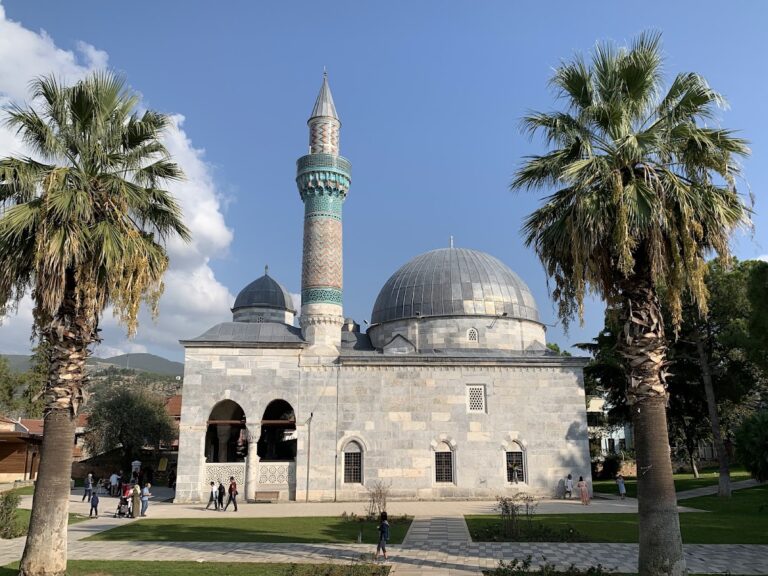
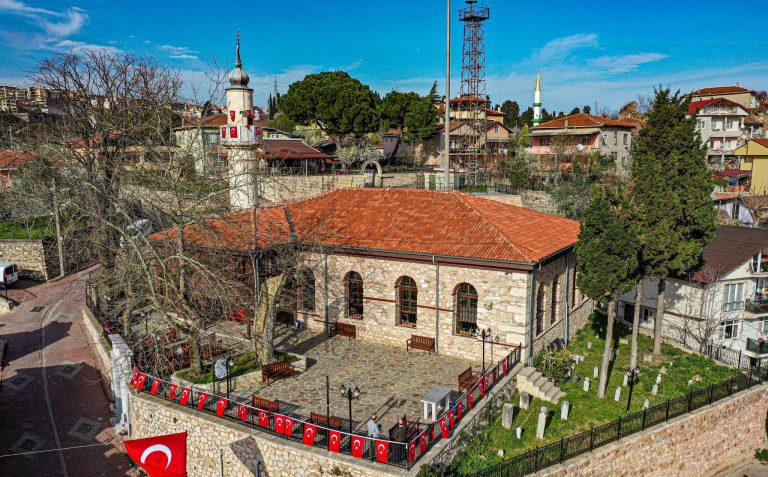
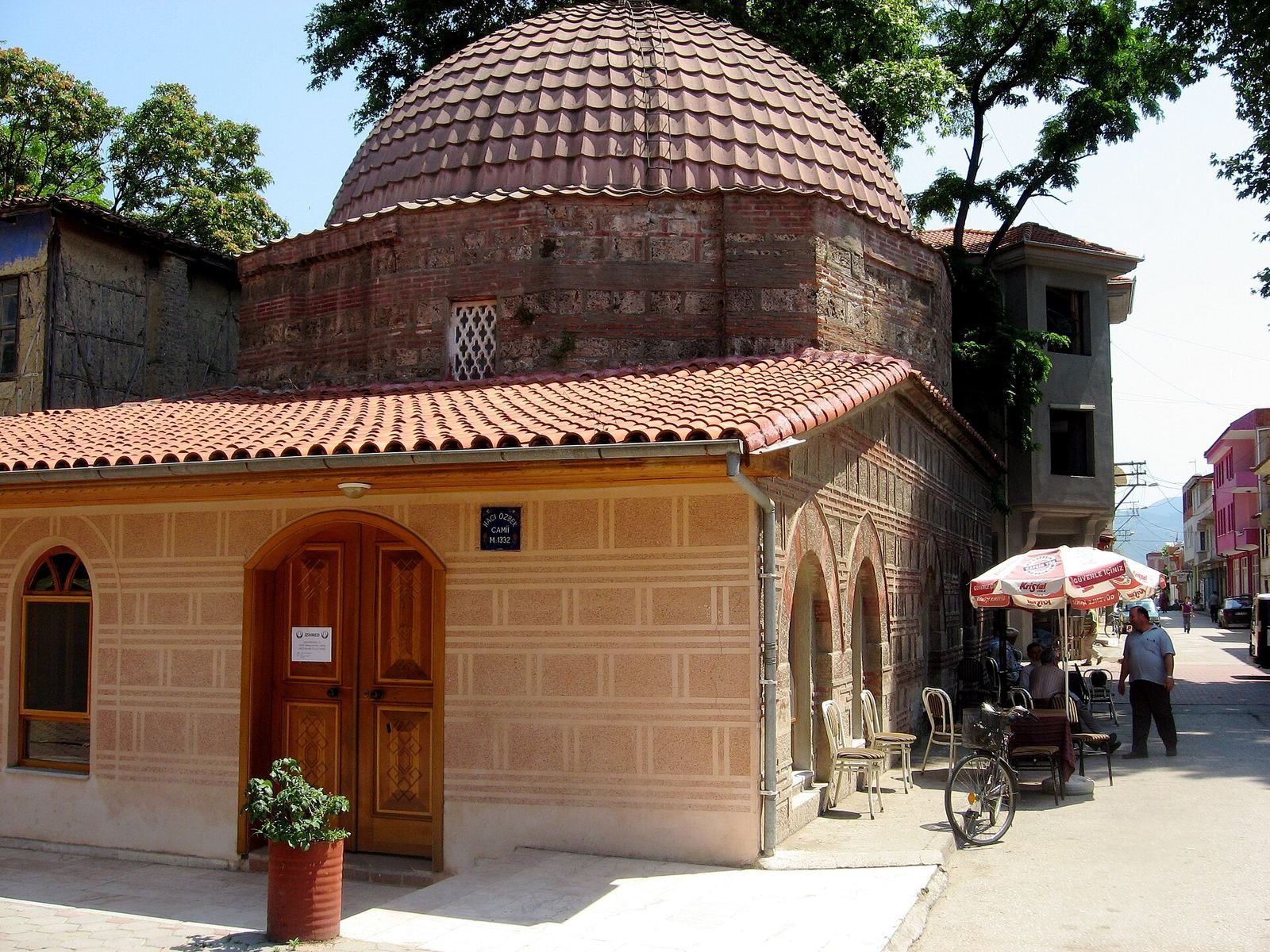
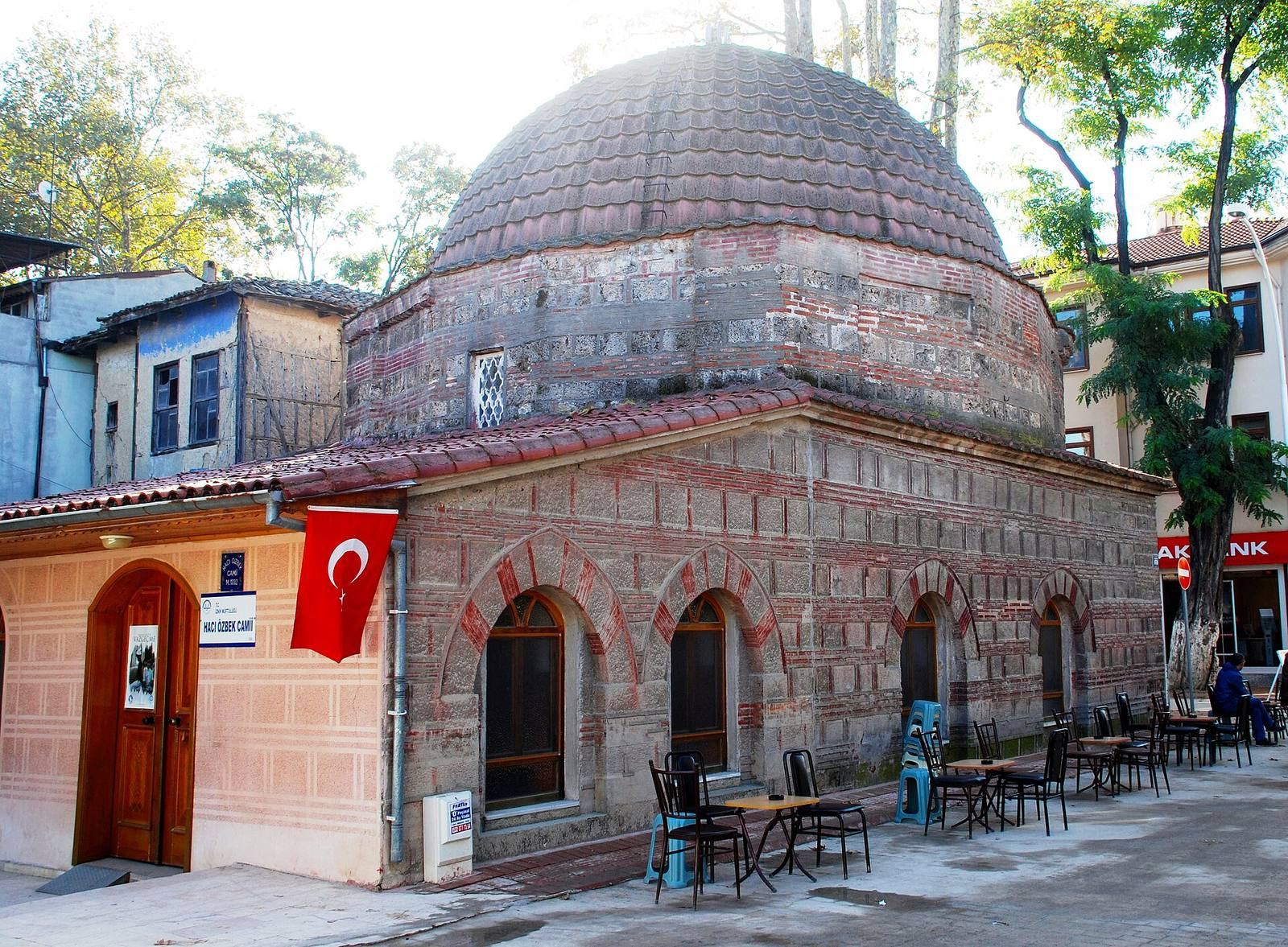
Hacı Özbek Mosque is an early Ottoman single-domed mosque in Eşrefzade, İznik, Türkiye, built in 1333, two years after Orhan I conquered the city. Orhan I was an early sultan of the Ottoman state, established by a Turkish dynasty. İznik was the first important centre of Ottoman art, and the mosque is a prime example of Ottoman single-domed design. Its construction combines Byzantine techniques, associated with the eastern Roman Empire, with the requirements of Muslim worship.
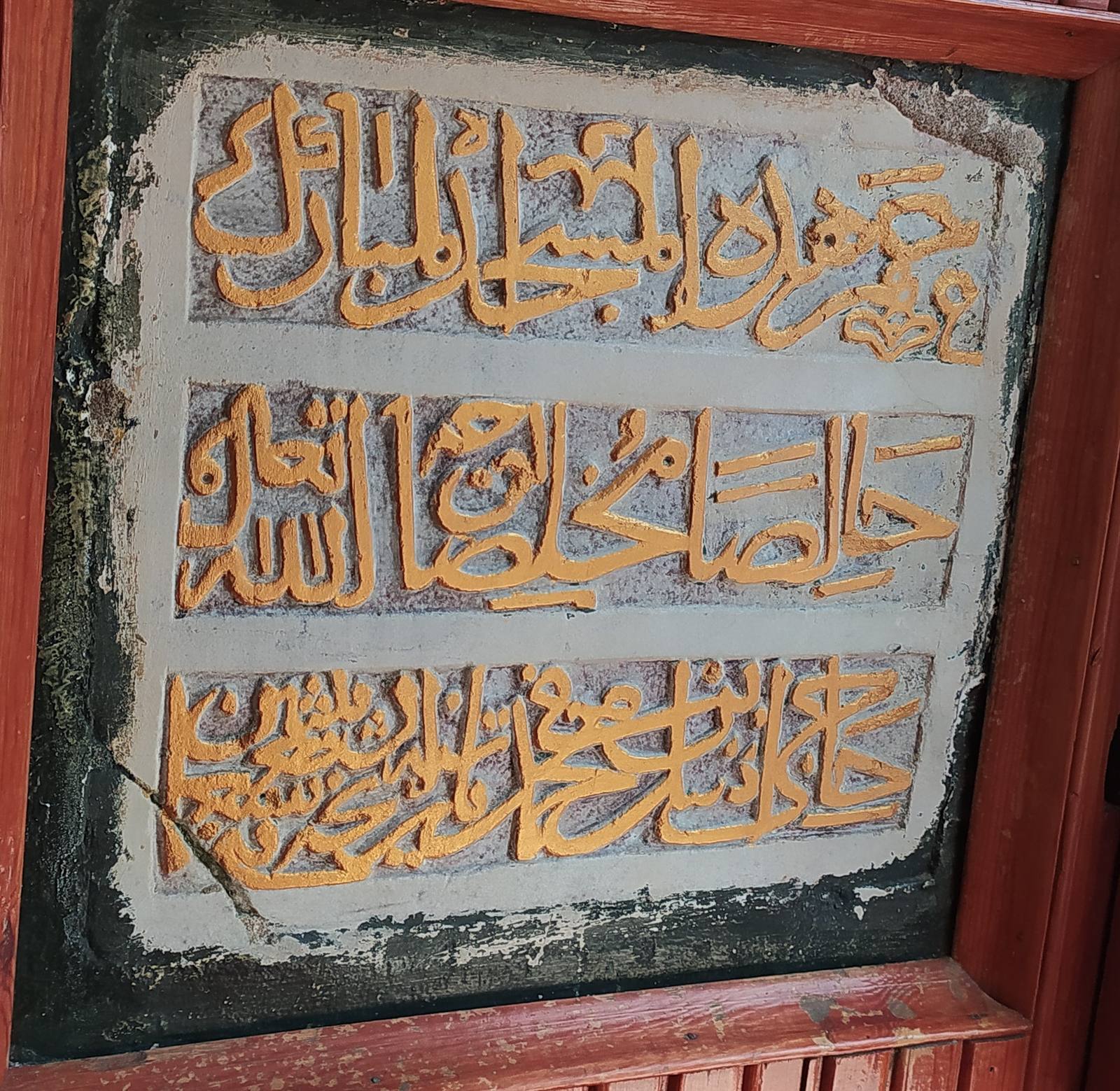
An inscription above a window names Hacı Özbek bin Muhammed as the builder. Hoji Zaynel Ibn Muhammad is considered the architect.
Twentieth-century changes
Road widening led to the demolition of the original portico in 1939. An enclosed replacement was added in 1959.
Remains
Architectural layout
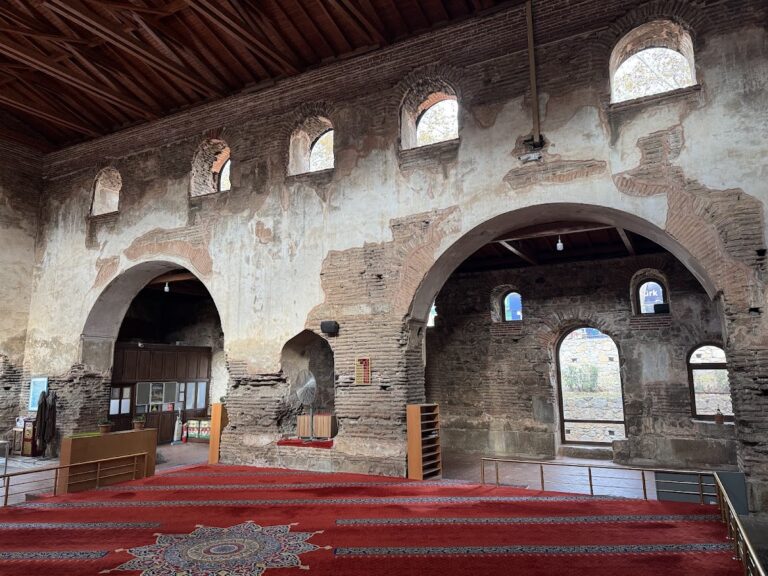
The mosque is a single-unit structure organized around a square hall and a dome. Its walls combine brick and rubble stone, and its porticoes belong to different sides of the building.
Prayer hall and dome
The square hall measures 7.92 metres on each side. Above it, a brick dome about 8 metres across rests on a twelve-sided drum. A band of triangular planes decorates the drum’s interior, and terracotta tiles cover the dome.
Masonry
The walls combine three layers of brick with alternating layers of individually cut stone, separated by vertically laid bricks. Saw-toothed brick bands run along the tops of the walls.
Porticoes and interior
The original portico stood west of the hall and had three sections. Its southern section had a barrel vault, a continuous tunnel-shaped ceiling, while the northern section had a mirror vault, with a flat central area within the vaulted ceiling. The enclosed portico added later is on the north side. Interior ornamental details are concealed beneath layers of plaster.