Gut Bustedt: A Moated Castle Estate in North Rhine-Westphalia, Germany
Site at a Glance
- Popularity
- Medium
- Country
- Germany
- Primary era
- Early Modern
- Eras represented
- Medieval, Early Modern
- Civilizations
- Brandenburg-Prussia, Holy Roman Empire, Kingdom of Prussia
- Site type
- Domestic
- Remains
- Castle
On this page9 sections
History
Gut Bustedt is a moated castle estate northwest of Hiddenhausen in the Herford district of North Rhine-Westphalia, Germany, founded in 1415 by the knight Heinrich Ledebur. It stood on land belonging to the women’s convent at Herford, and its history included a feud over that property, service as an administrative seat, and conversion to a residence under Brandenburg-Prussian rule.
Medieval castle and Ravensberg administration
Ledebur’s claim to the convent’s land brought him into conflict with its abbess, the head of the religious community. After his defeat, he was forced to leave in 1419. The abbess then ordered the first castle demolished and a replacement built.
The rebuilt castle became a pledged holding and was long associated with the county administration. The Nagel family held it under a feudal grant for more than 100 years, and it served for an extended period as the seat of the Enger administrative district. The estate effectively passed to the counts of Ravensberg. As a knightly estate in the historic County of Ravensberg in Westphalia, it had the right to take part in the territory’s political assembly.
Brandenburg-Prussian residence
By 1649, the County of Ravensberg had passed to Brandenburg-Prussia, a Hohenzollern state comprising Brandenburg and the Duchy of Prussia. From that year, cavalry captain Wolf-Ernst Eller converted the castle into a moated residence.
Eller, commander of Sparrenburg fortress in Bielefeld and a confidant of Frederick William, the Great Elector of Brandenburg (elector from 1640 to 1688), received the estate from Prussia as a reward for betraying the city of Herford to the Swedes during the Thirty Years’ War, a major European conflict fought from 1618 to 1648.
Estate and modern use
In 1964, the estate passed from the von Eller family, later known as Eller-Eberstein, to the Hiddenhausen administrative district. Its agricultural lands were sold, and a biology center took up residence in 1980 to conduct biological research and provide educational visits for school groups.
During the 1969 territorial reform, the estate’s area was separated from Bustedt and remained within the newly formed municipality of Hiddenhausen. Bustedt had been an independent municipality in the Hiddenhausen administrative district until 1968. The estate is distinct from the district of Bustedt within Bünde, which shares its name.
Remains
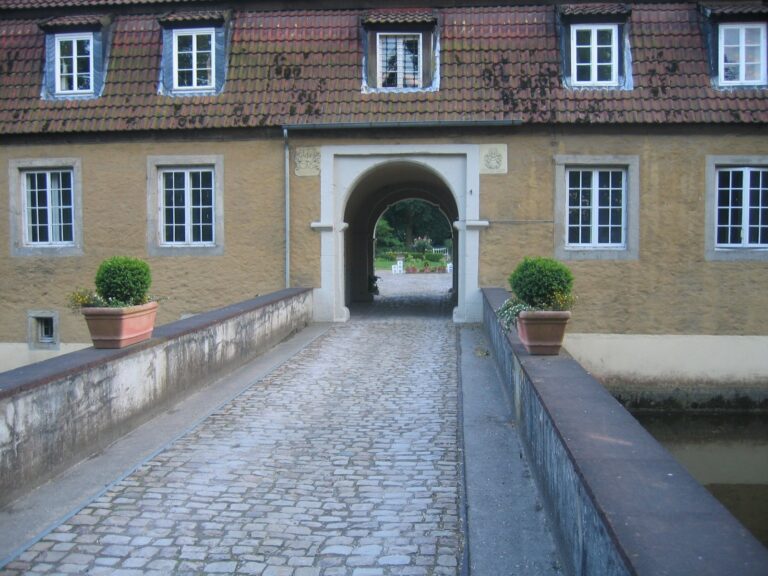
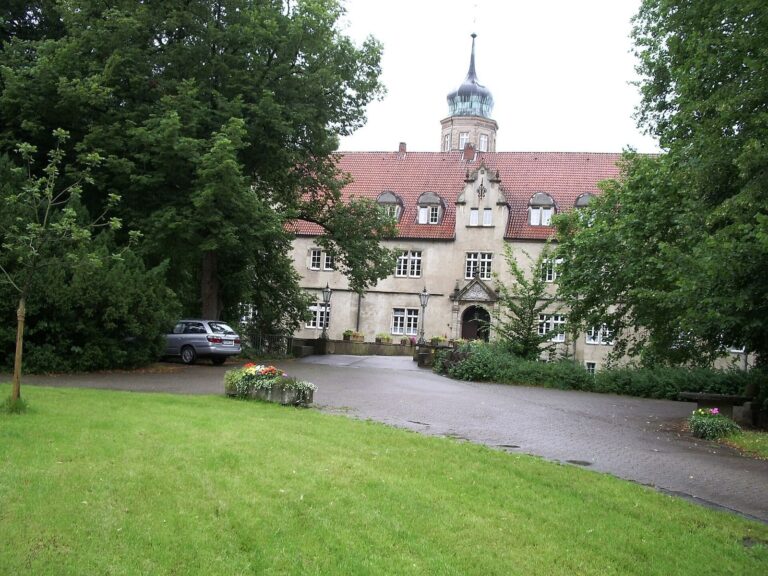
The surviving lowland castle is arranged across two islands, which form the outer and main enclosures. A moat fed by the Brandbach stream surrounds the complex.
Castle buildings and access
Main island
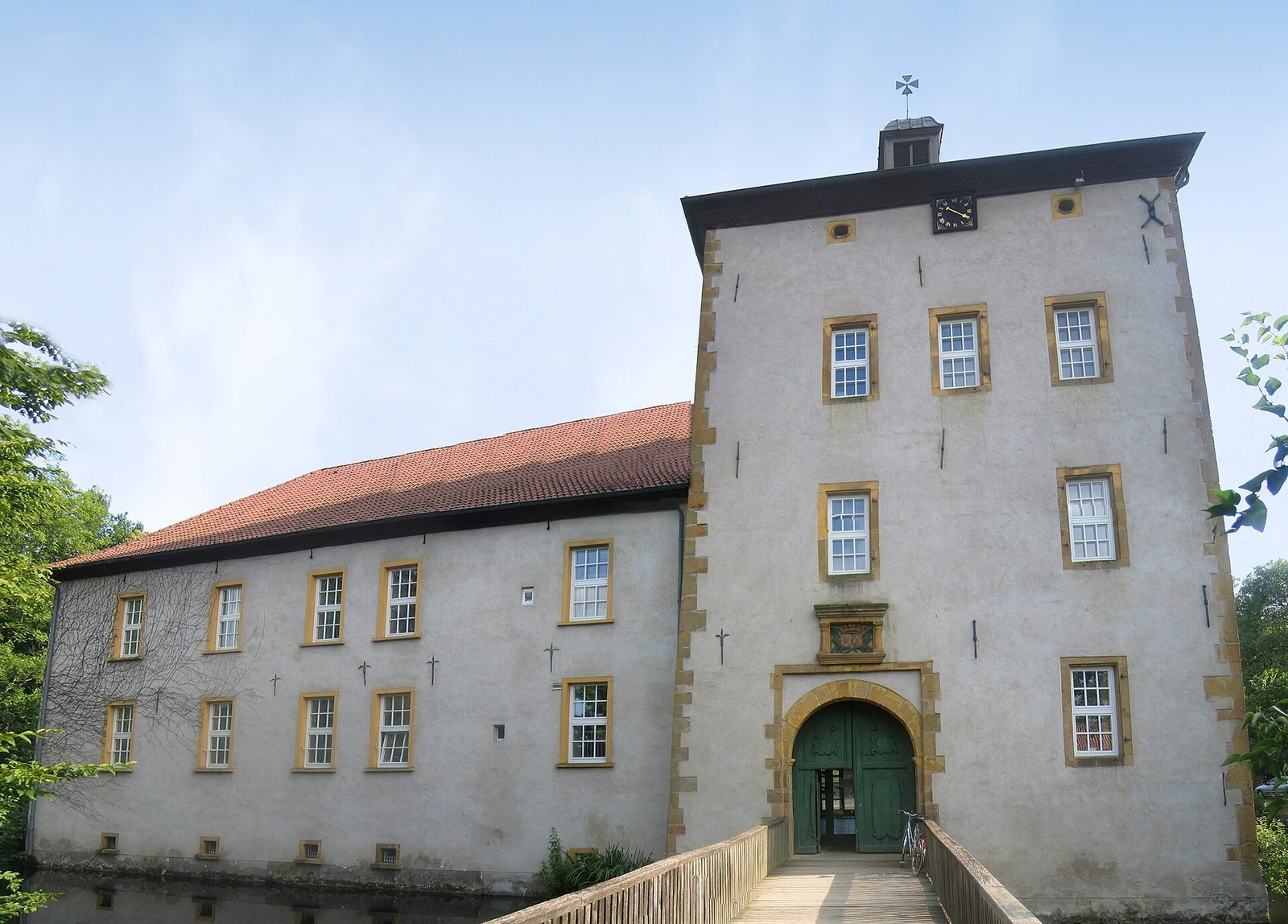
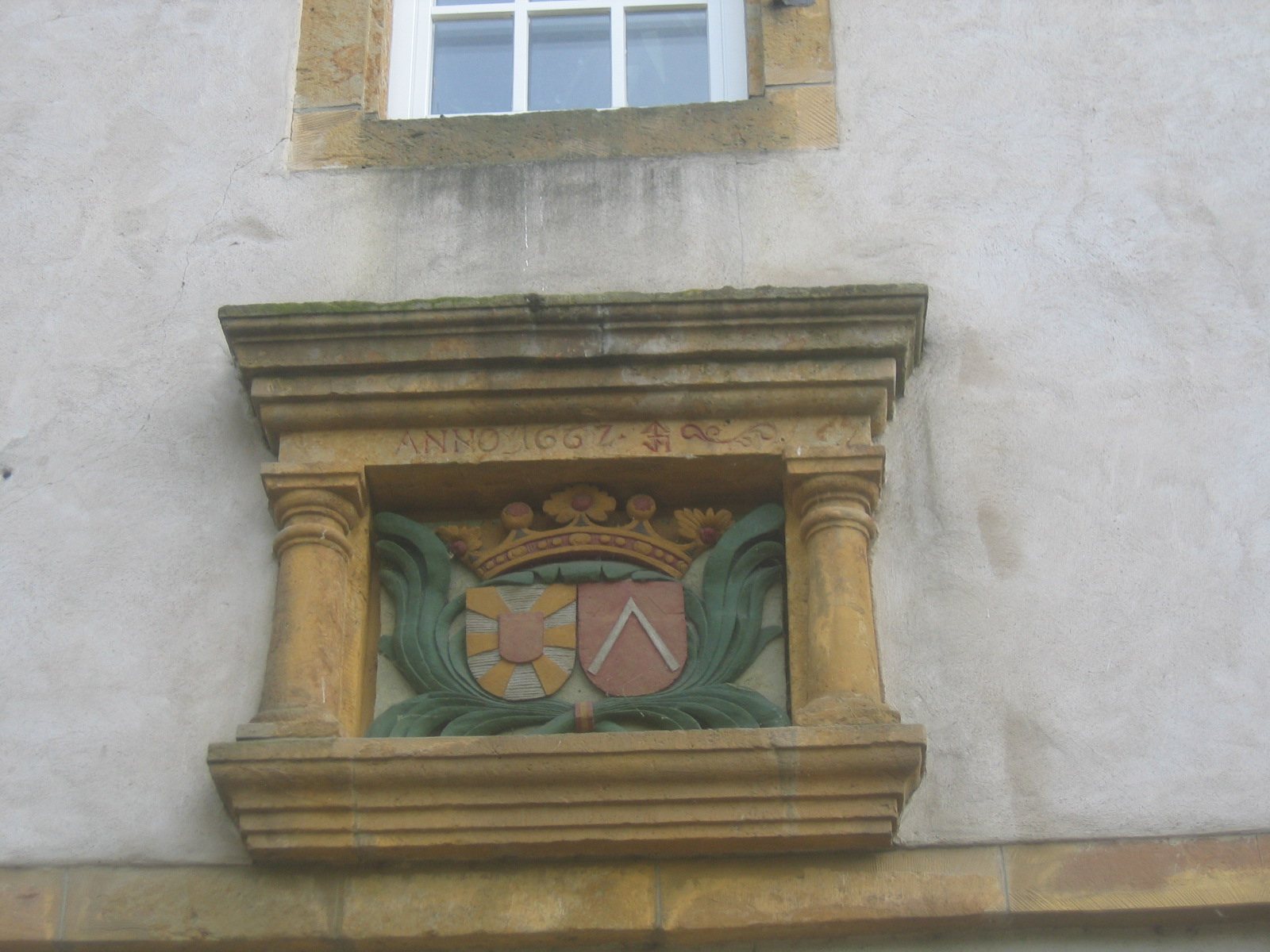
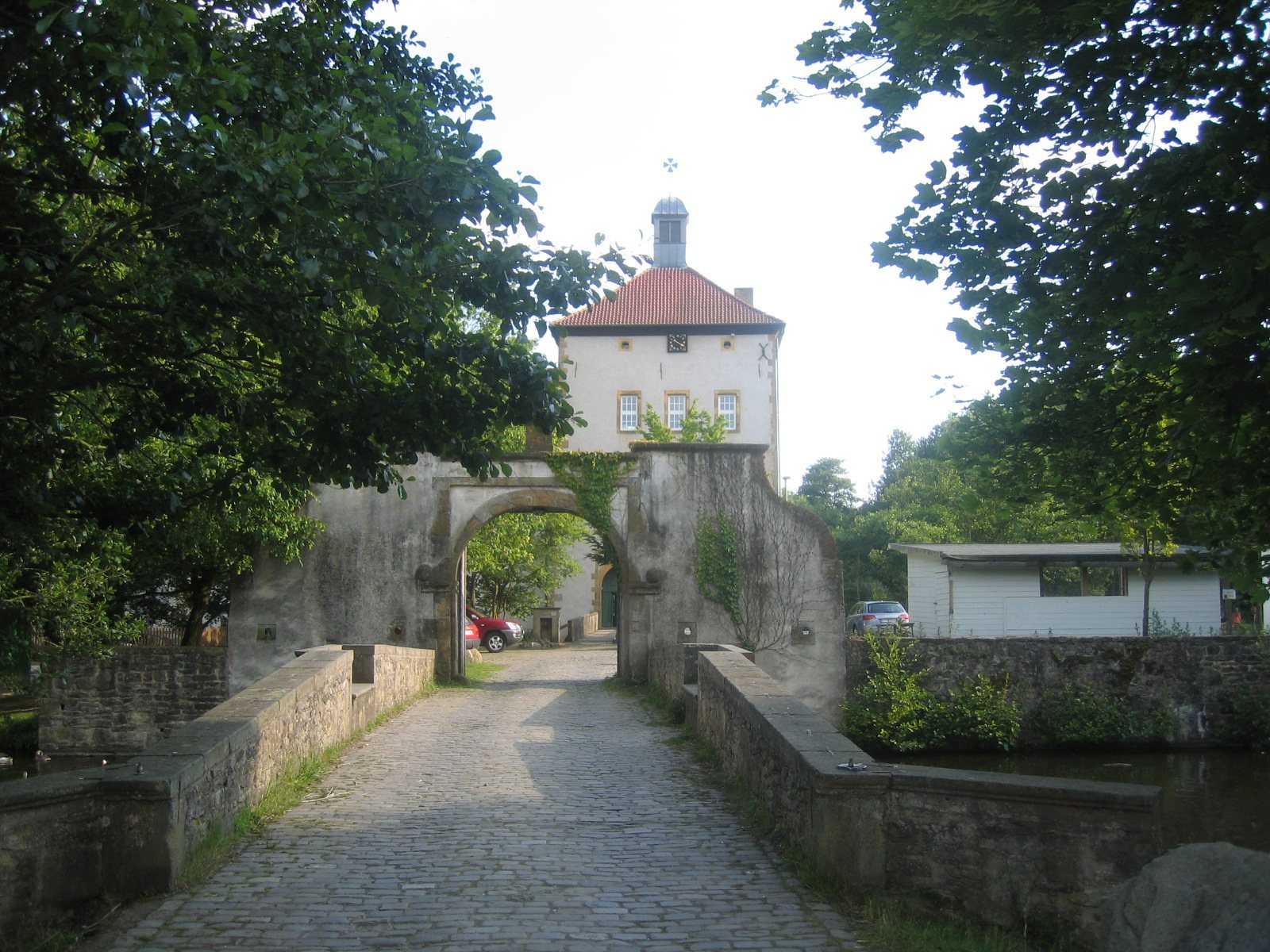
The manor house and residential tower stand on the main island and were built between 1649 and 1662. An entrance portal is also part of the complex.
Outer island
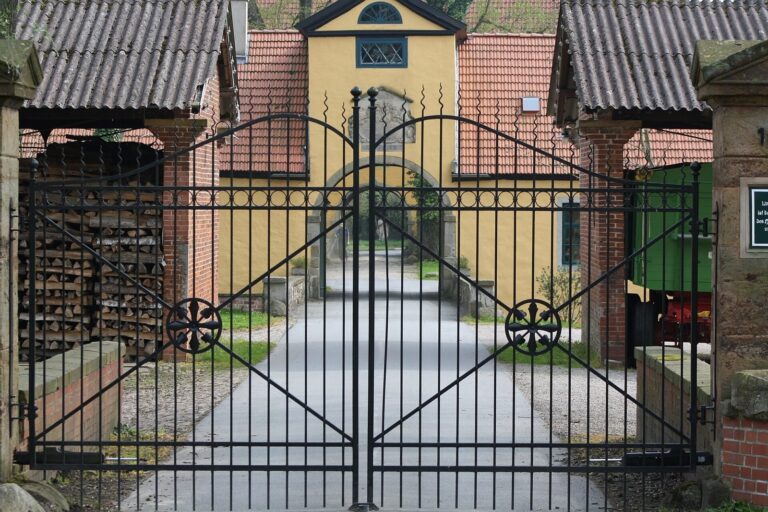
A Baroque bridge gives access to the outer island. Until the nineteenth century, it contained a cattle building and another outbuilding.
Moat and gardens
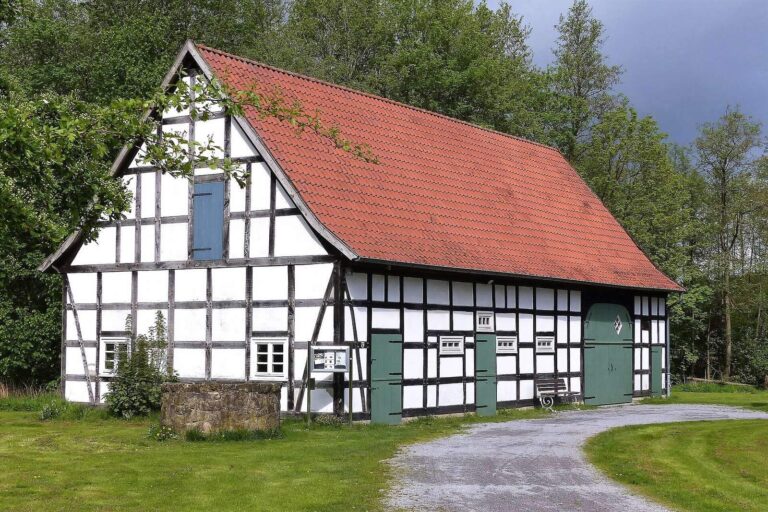
In the second half of the eighteenth century, part of the moat around the main residence was filled in to enlarge the island for utility gardens. Ornamental garden features were added around 1820. Since 1982, the biology center has established teaching gardens on the grounds, including a farmhouse garden used for biology lessons.