Langeneichstädt Megalithic Tomb: A Neolithic Burial Monument in Germany
Site at a Glance
- Popularity
- Medium
- Country
- Germany
- Primary era
- Stone Age
- Eras represented
- Stone Age
- Civilizations
- Unclassified
- Site type
- Burial
- Remains
- Tomb
On this page5 sections
History
The Langeneichstädt megalithic tomb is a prehistoric burial monument in Germany, about 800 metres north of Langeneichstädt. It dates to 3600–2700 BC and is attributed to either the Salzmünde or Bernburg culture, both Neolithic cultures of central Germany.
Fieldwork uncovered the tomb in 1987, making it a notable megalithic monument in Saxony-Anhalt.
Remains
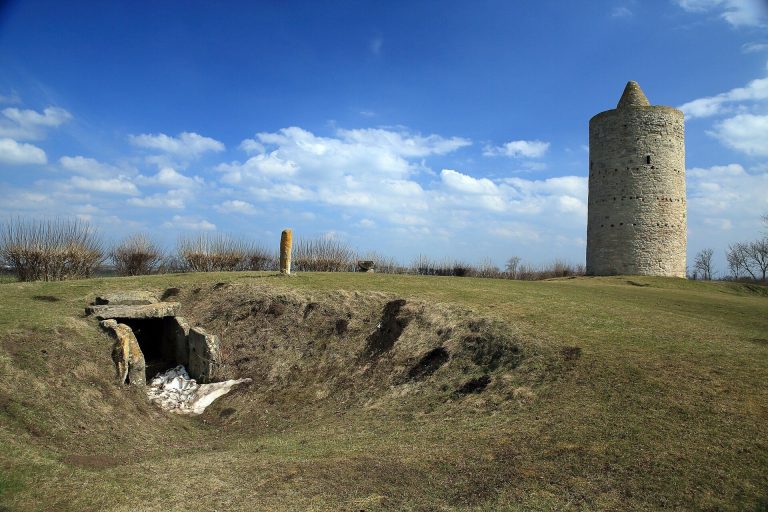
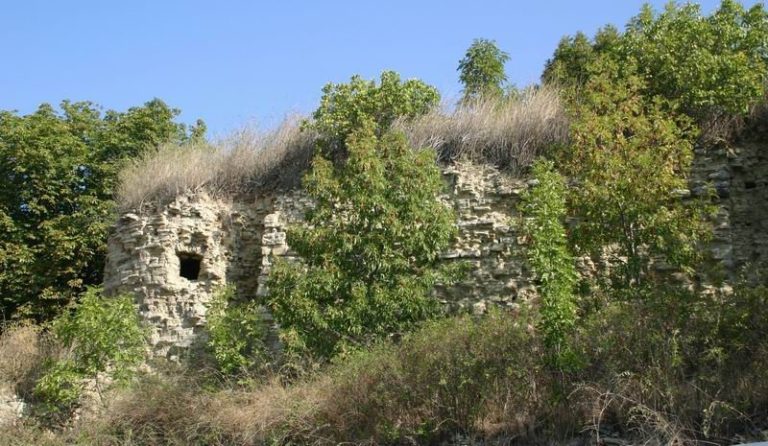
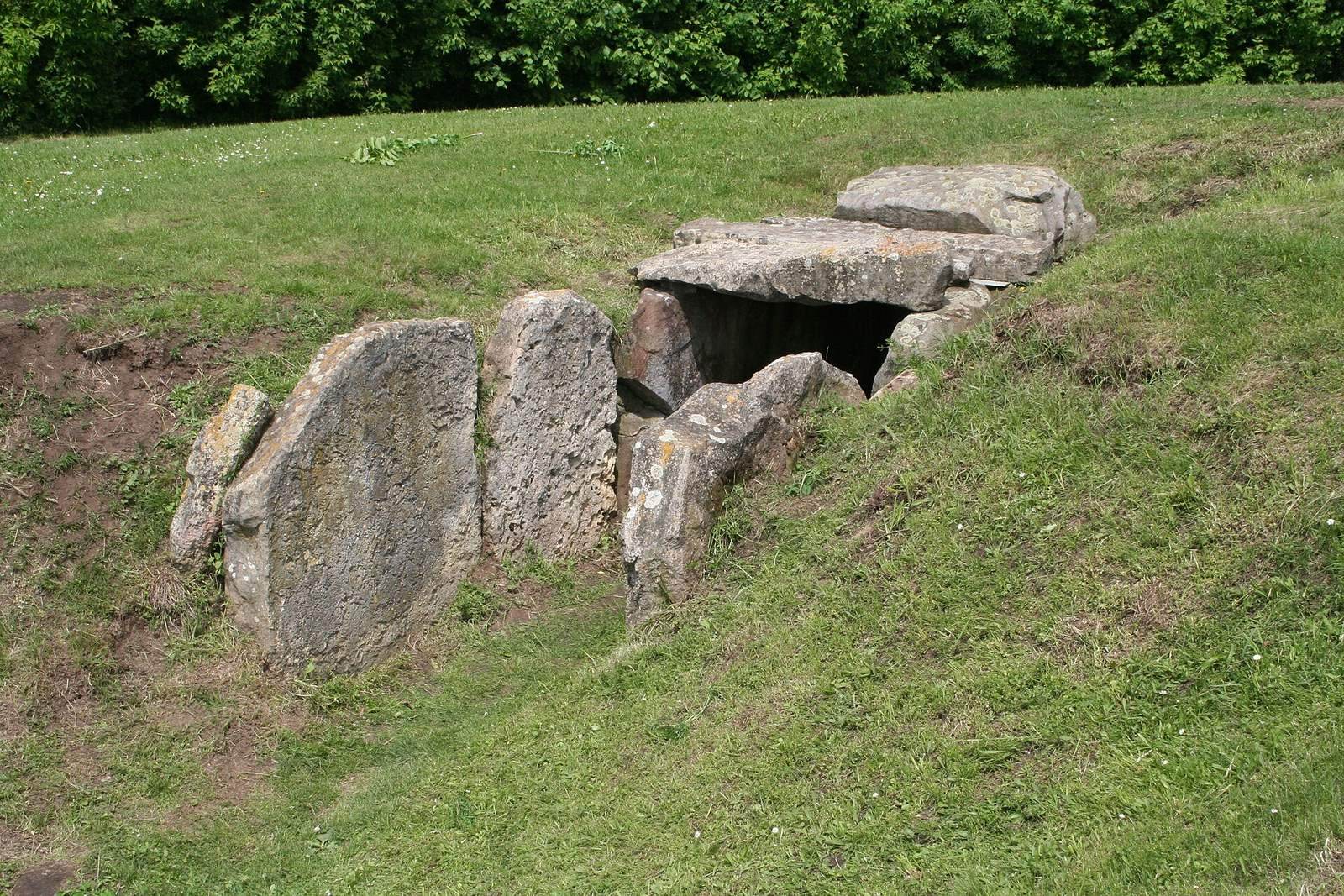
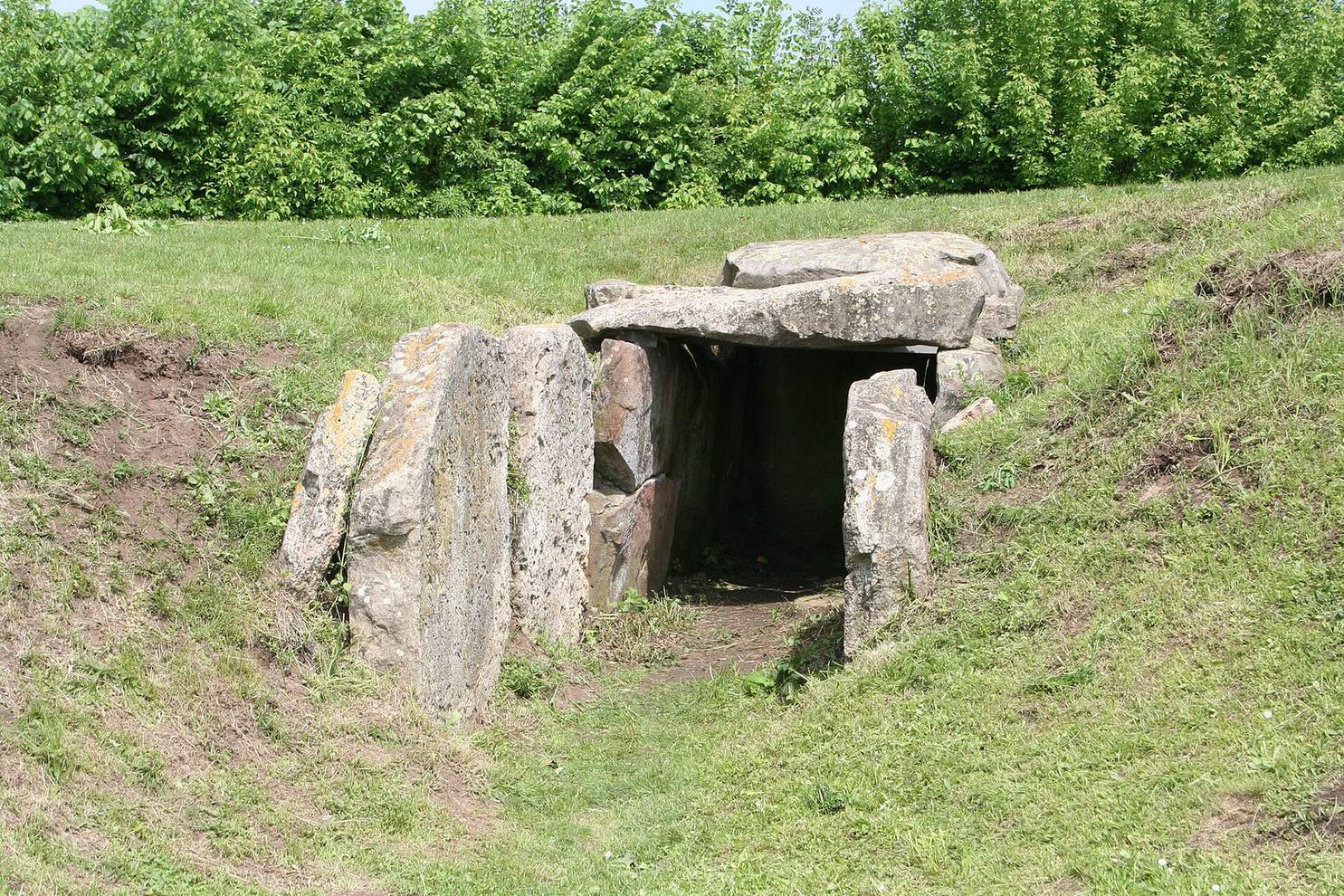
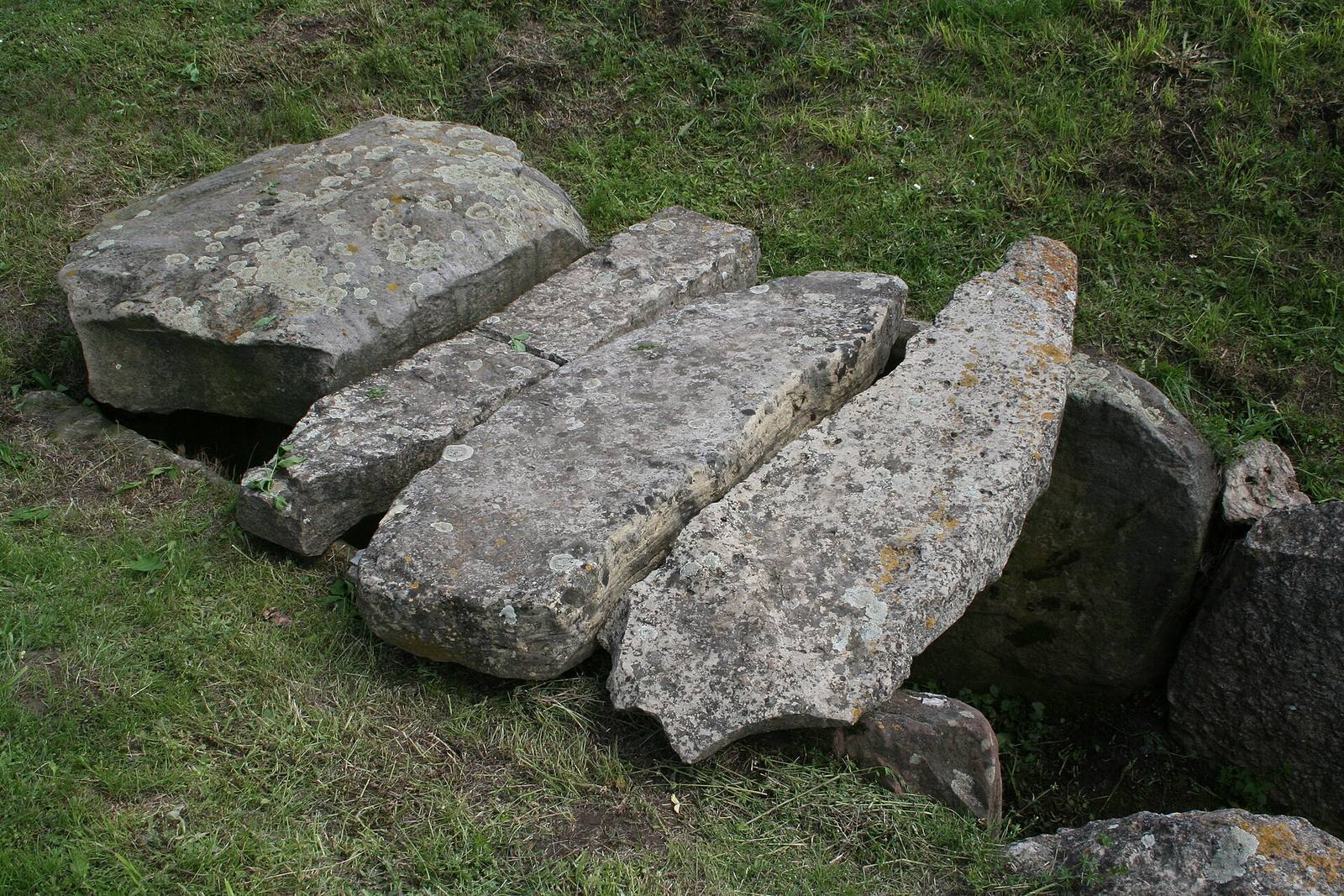
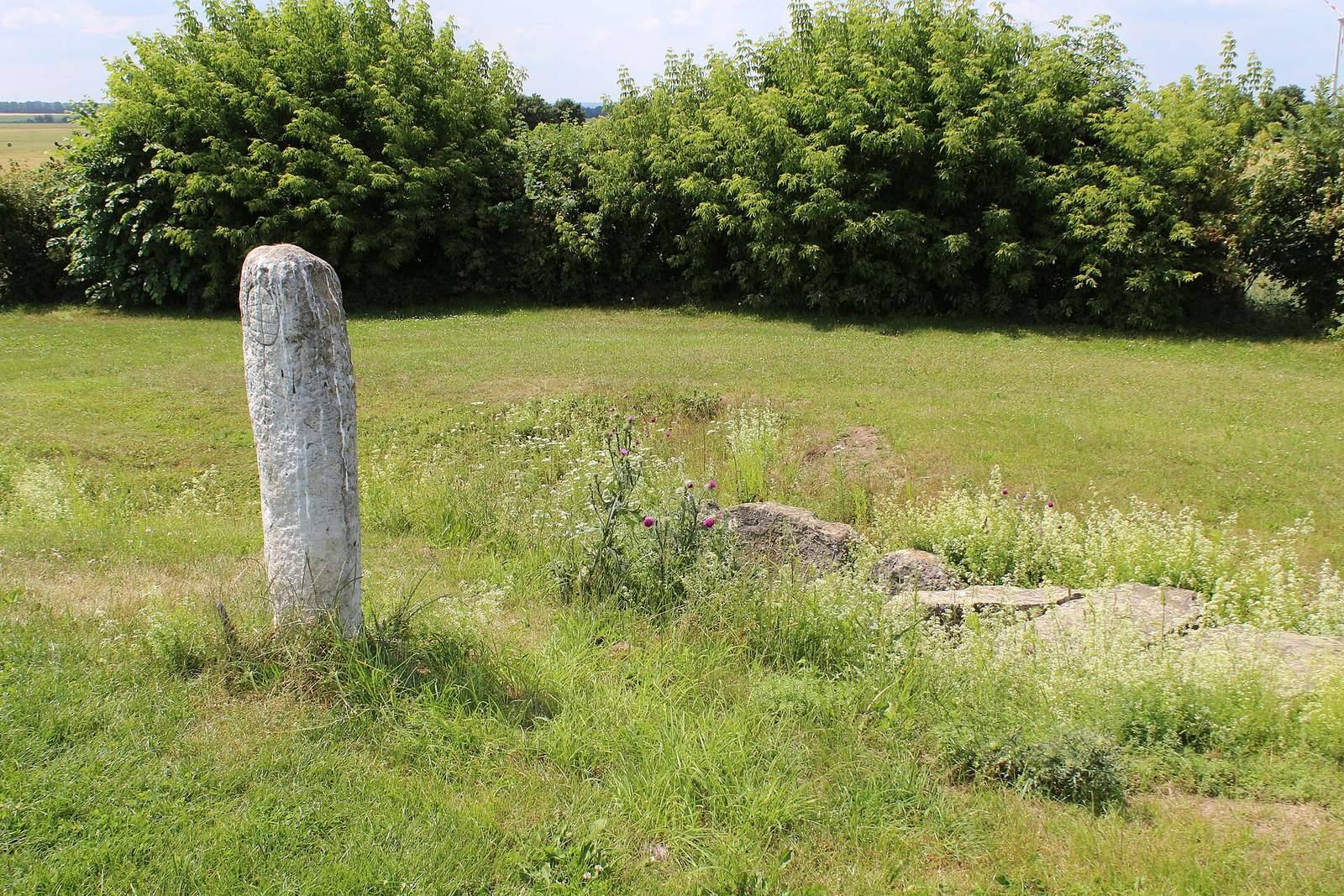
The tomb lies in an enclosed meadow shared with the medieval Eichstädter Watchtower. The burial chamber is just over 30 metres northwest of the tower and is a stone-built space capped by a carved stone.
Burial chamber
The chamber measures 5.3 metres long, 1.9 metres wide, and 1.7 metres high. Its floor consists of several layers of limestone slabs. Archaeological investigations removed sandstone and shell-limestone slabs. Ornaments made from animal teeth, copper, bone, and amber were found on the chamber floor.
Carved capstone
A carved stone 1.76 metres high served as the chamber’s capstone. Described as a menhir statue, it is a carved prehistoric stone monument. Its image represents a female deity known as the “dolmen goddess”; a dolmen is a prehistoric tomb made from upright stones supporting a capstone. An axe motif on the stone has been interpreted as a status symbol. The original is displayed at the State Museum of Prehistory in Halle, while a replica stands between the watchtower and the chamber.
Nearby burial mounds
Aerial surveys identified several flattened burial mounds near the tomb. They form a row aligned with it and may date to the same period.