Great Fosters: An Elizabethan Country House and Estate in Surrey
Site at a Glance
- Popularity
- Medium
- Country
- United Kingdom
- Primary era
- Early Modern
- Eras represented
- Early Modern, Modern
- Civilizations
- British, English
- Site type
- Domestic
- Remains
- Elite Residence
On this page9 sections
History
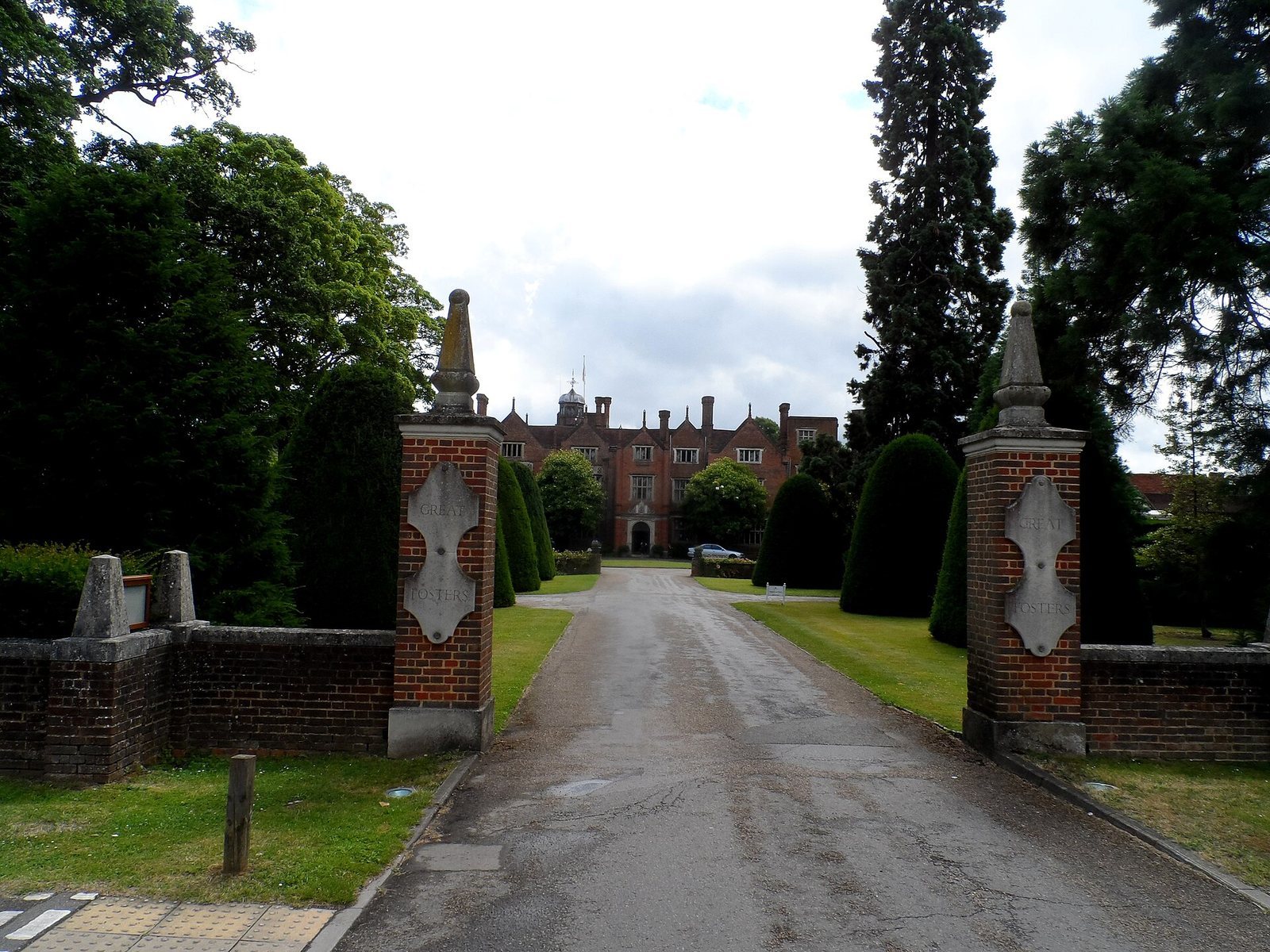
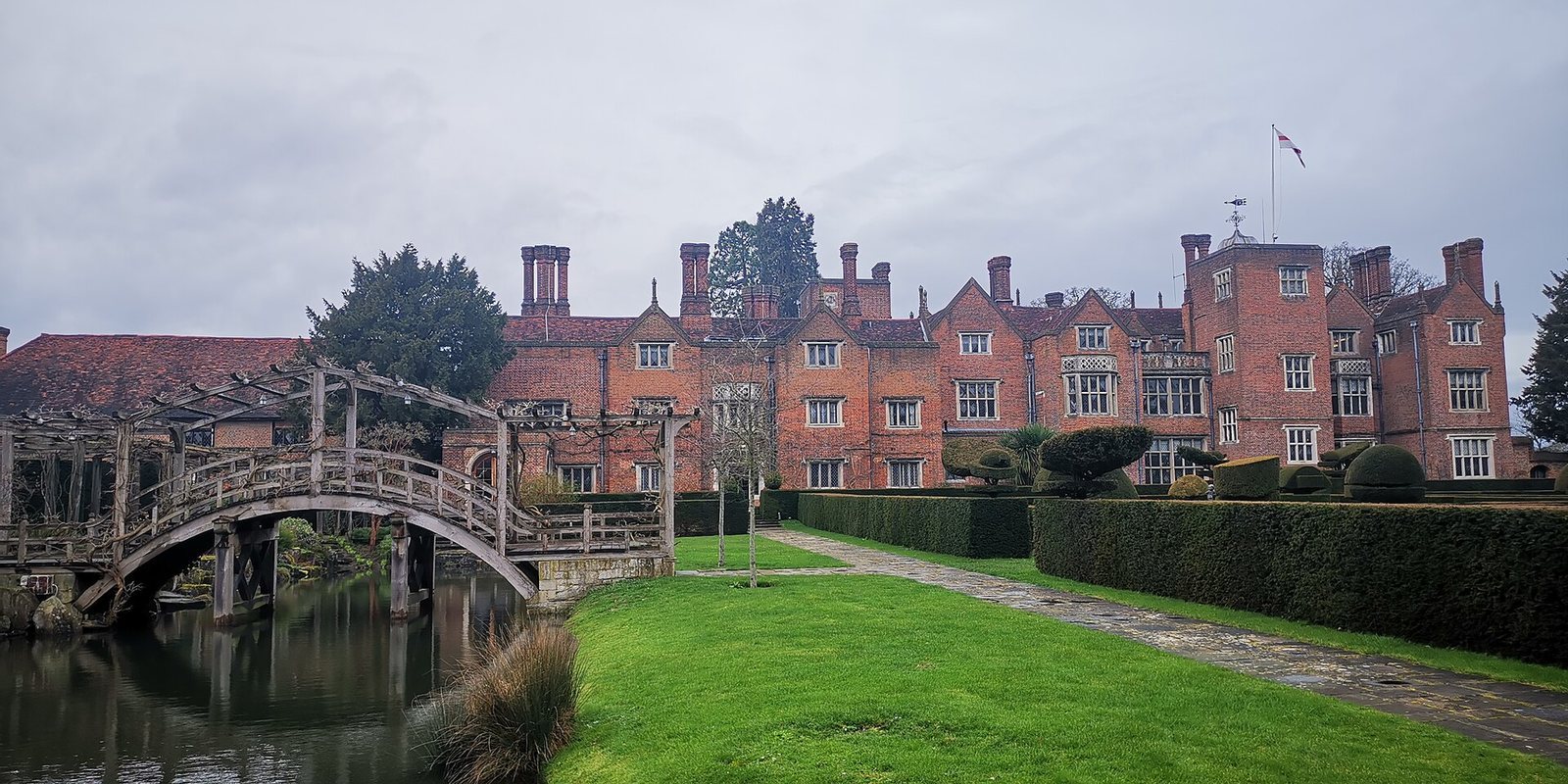
Great Fosters is an Elizabethan country house, built around 1550 near Egham in Surrey, United Kingdom. It originally stood within Windsor Great Park. The house later served as the London seat of Sir John Dodderidge, a judge of the King’s Bench, a senior English court, and a former Solicitor General, a senior legal officer to the Crown, under James I. Dodderidge’s monument in Exeter Cathedral gives Forsters near Egham as the place where he died.
Early residence and ownership
Sir Robert Foster owned Great Fosters by 1639. On his death in 1663, the property passed to his son, Sir Thomas Foster. After Thomas died in 1685, his daughters inherited the house, which remained in the family. Sir Charles Orbey was living there in 1715. In 1787, one of Sir Thomas’s great-grandsons sold the property to Mr Wyatt for £700.
A psychiatric asylum
In 1818, Dr George Frederick Furnivall, Sir John Chapman and another partner acquired Great Fosters and ran it as a psychiatric asylum. Chapman held that mental illness could not be explained solely by physical illness. Furnivall was locally described as “Doctor to the Poor” in Windsor, while Chapman was among the 300 founding members of the Royal College of Surgeons. A claim that King George III received treatment at the house toward the end of his life is unconfirmed by Windsor Castle records.
The estate in the twentieth century
In 1918, architects extended the house and laid out its formal gardens. The estate belonged in the early twentieth century to Baroness Halkett, a lady-in-waiting to Queen Alexandra, and later passed to the Earl of Dudley and the Hon. Gerald Montague. Harold Sutcliffe bought it in 1931, and his family retained it until late 2018, when Alexander Hotels acquired the property.
Great Fosters is now a hotel with a Michelin-starred restaurant. The house was Grade I listed in July 1951, a category for buildings of exceptional interest. Its gardens and parkland entered the Register of Historic Parks and Gardens at Grade II* in July 1988, a category for particularly important sites of more than special interest.
Remains
The house
The house has a symmetrical, U-shaped plan characteristic of an Elizabethan homestead. Larger brickwork in the porch suggests a possible extension in the early seventeenth century. Its windows have stone mullions (vertical dividers) and transoms (horizontal dividers), with lead strips holding the glass panes. An entryway bears Elizabeth I’s crest and the date 1598. Tall chimneys added in the early seventeenth century were removed after a bomb blast during the Second World War and replaced with replicas.
Gardens and estate buildings
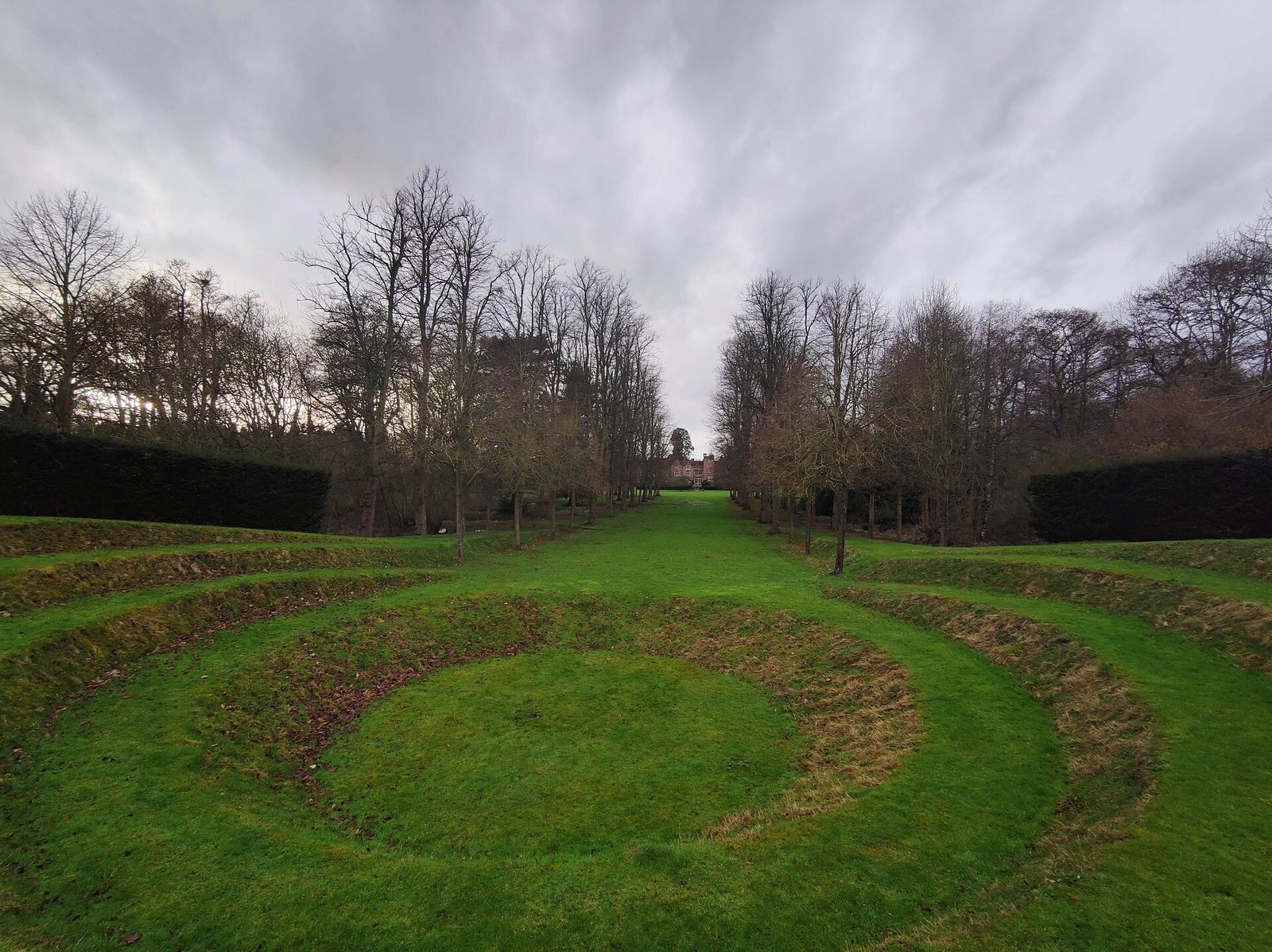
Formal grounds
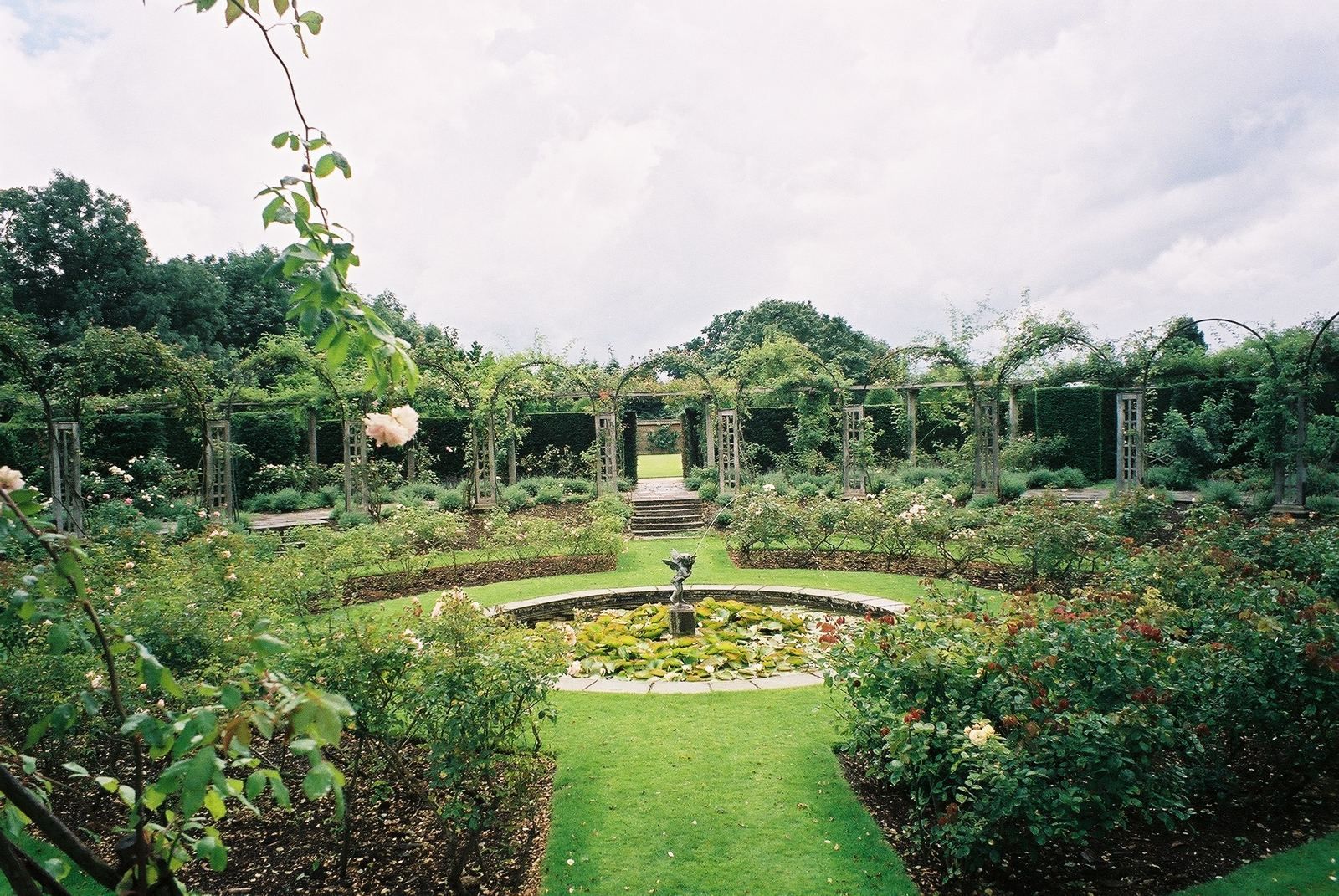
The estate covers about seven hectares and includes formal gardens and parkland. It lies adjacent to Egham, Surrey.
Estate buildings
The grounds include a seventeenth-century barn reconstructed at Great Fosters after being moved from its original position in a field at Malden, Surrey. A former stable block dating to the sixteenth century now serves as a conference centre. The estate also contains a structure identified as the Great Fosters Residential Block.