Gravetye Manor: An Elizabethan Manor House and Landscaped Estate
Site at a Glance
- Popularity
- High
- Country
- United Kingdom
- Primary era
- Early Modern
- Eras represented
- Early Modern, Modern
- Civilizations
- British, English
- Site type
- Domestic
- Remains
- Manor House
On this page8 sections
History
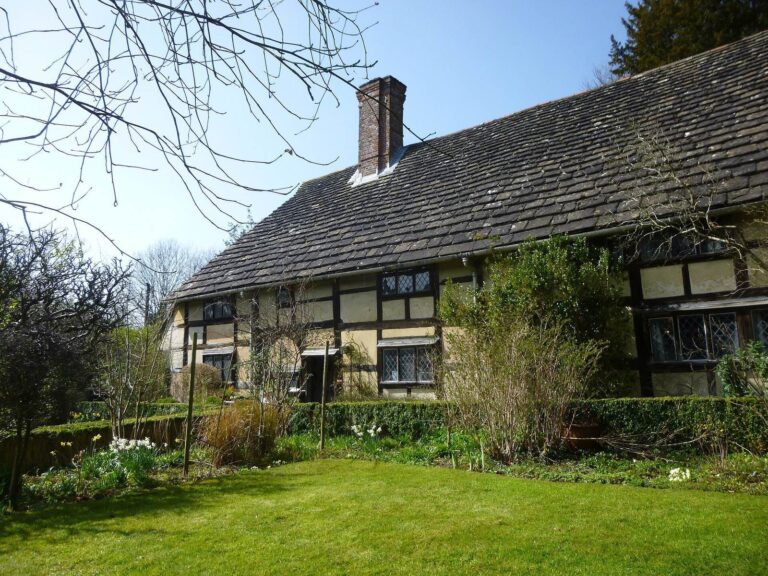
Gravetye Manor is an Elizabethan manor house in the United Kingdom, built in 1598 by Richard Infield, an ironworks owner or manager, as a home for his new bride, Katherine Compton. The Elizabethan period coincided with the reign of Elizabeth I, from 1558 to 1603. The manor later became the home of landscape gardener William Robinson, whose work made its gardens among England’s best-known.
Infield and William Robinson
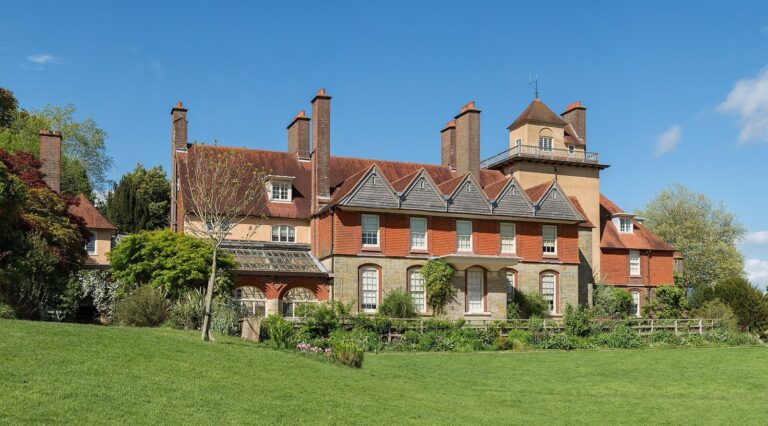
Robinson, a British landscape gardener and horticultural writer who promoted naturalistic gardening, lived at Gravetye from 1884 until his death in 1935. He developed the gardens and commissioned an expansion of the house.
War and hotel use
After Robinson’s death, the manor and grounds passed to the Forestry Commission, a UK public body concerned with forests and forestry. During the Second World War, Canadian Army soldiers used the property as a base and dug up parts of the garden to grow potatoes and leeks for their rations. The estate remained derelict for many years after the war.
In 1958, the property was leased to business partners Robin Howard and restaurateur Peter Herbert, along with Herbert’s first wife, Pip. Herbert developed it as a 17-bedroom country-house hotel and restored Robinson’s core gardens during his long tenure. Produce from the kitchen garden contributed to the restaurant’s Michelin Guide recognition; it held one Michelin star in 2020.
Later changes and present use
In 2004, Herbert and his second wife, Sue, retired to a cottage on the estate and sold the business to Andrew Russell and chef Mark Raffan. Following the 2008 financial crisis, the business entered administration in early 2010, a formal insolvency process managed by an appointed administrator. After an agreement with Von Essen Hotels, long-term guest and investor Jeremy Hosking bought the property lease in March 2010 and commissioned a new restaurant designed by architect Sir Charles Knowles. Gravetye Manor is now a hotel and restaurant.
The manor was listed Grade I in 1957, the highest listed-building category in England. Its gardens were registered Grade II* in 1984, a category for particularly important heritage of more than special interest.
Remains
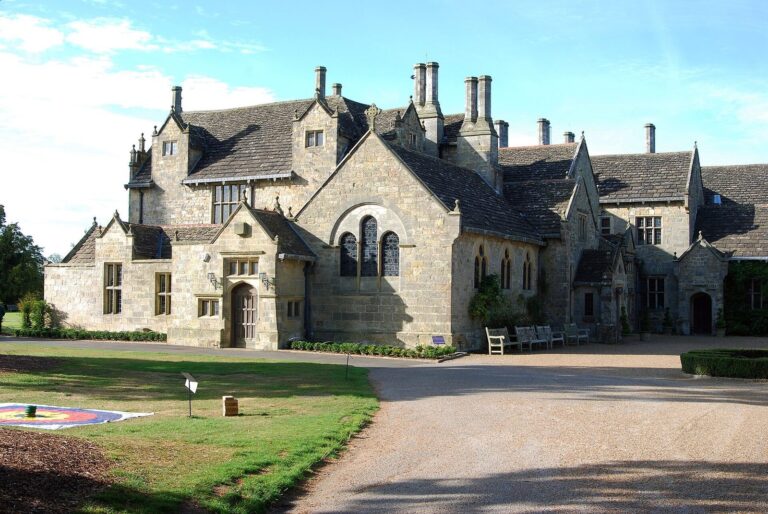
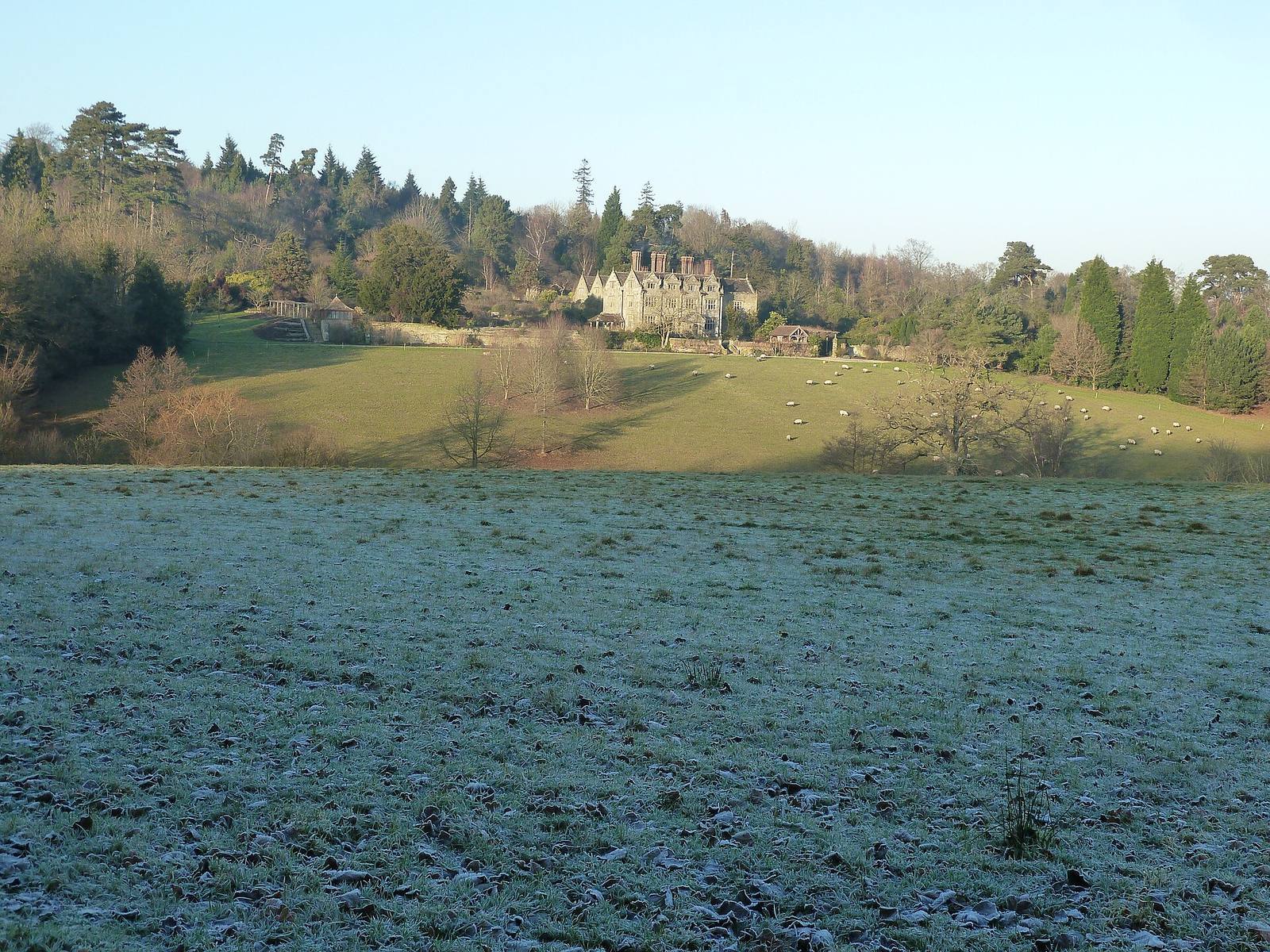
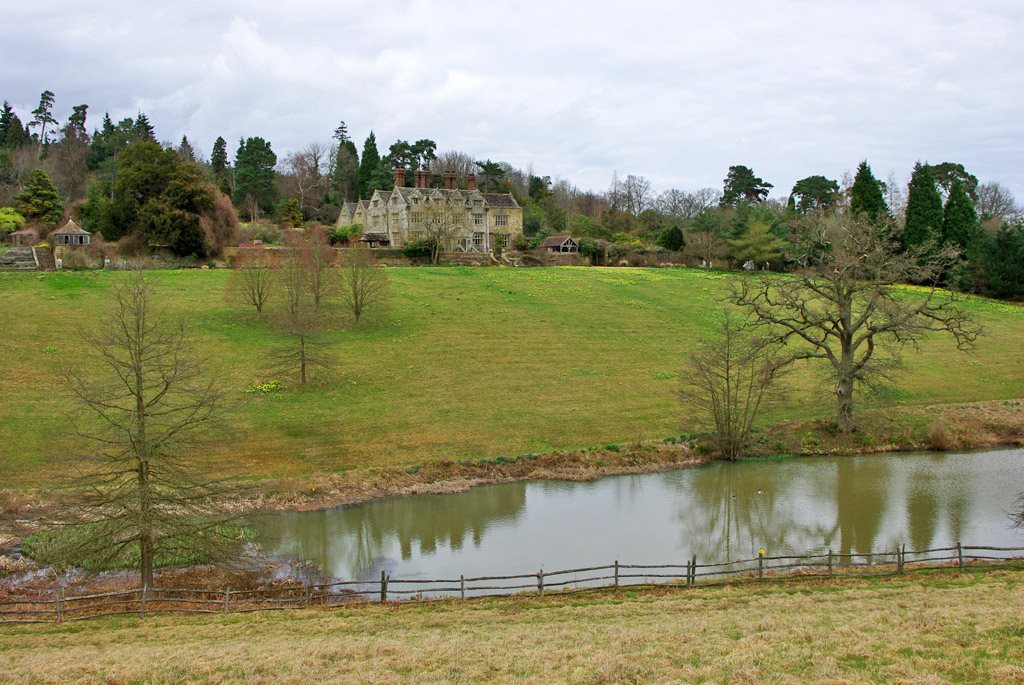
The estate covers 1,000 acres of landscaped grounds. Its principal features include the two-storey manor house, a restaurant occupying the courtyard, Robinson’s 52-acre natural gardens, and an oval walled kitchen garden.
Manor house and courtyard
The house is a two-storey Elizabethan building. Its northeast wing, commissioned by Robinson, was designed by Sir Ernest George to match the existing house. A later restaurant building fills the courtyard.
Natural gardens and grounds
Robinson’s natural gardens cover 52 acres within the wider estate. They remain part of the landscaped grounds.
Walled kitchen garden
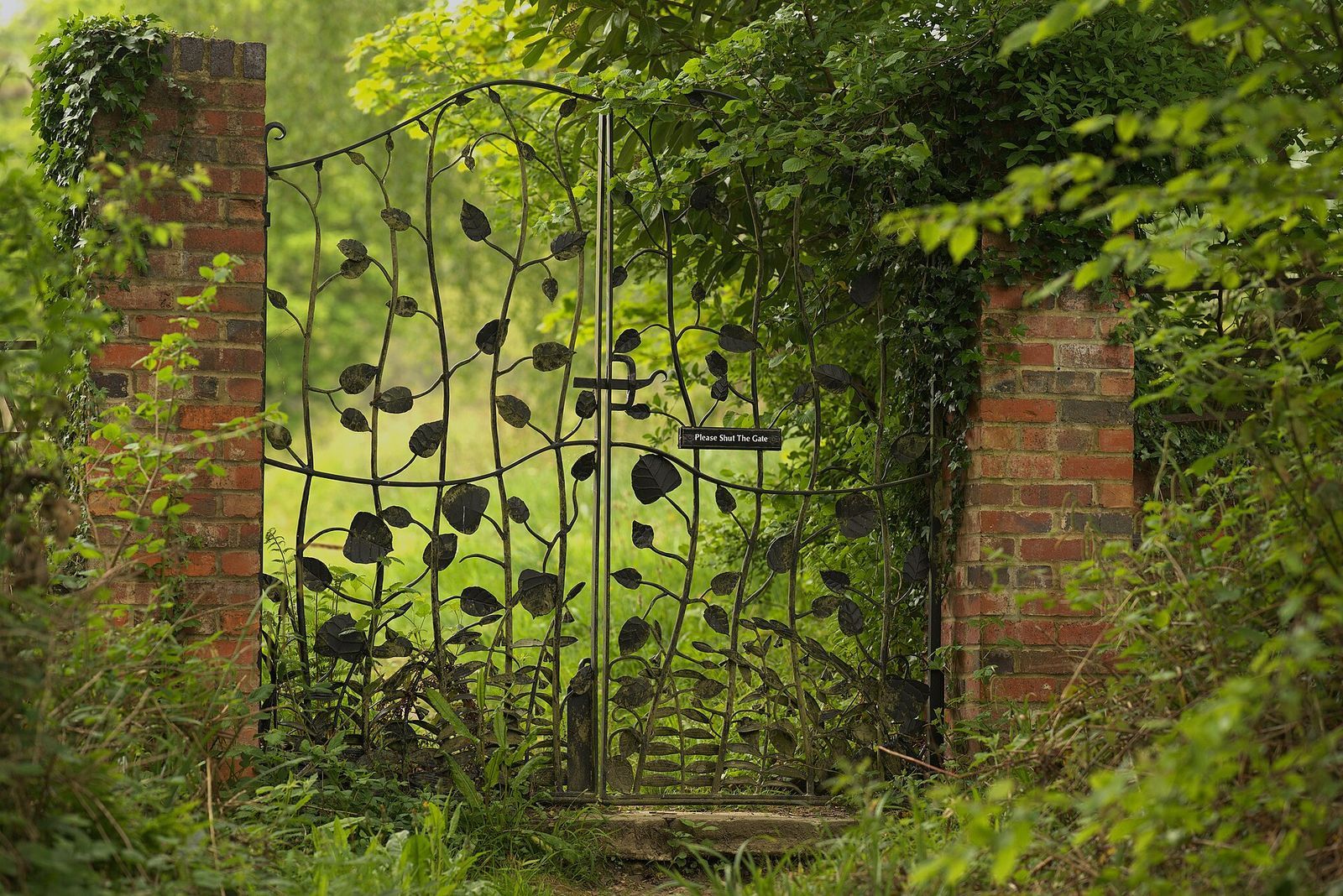
The oval kitchen garden is enclosed by walls and covers 6,000 square metres. Head gardener Tom Coward and his team maintain it, and chef George Blogg harvests its produce.