Gorsam Chorten: A Buddhist Stupa in Arunachal Pradesh
Site at a Glance
- Rating
- 4.8
- Popularity
- Very Low
- Country
- India
- Primary era
- Medieval
- Eras represented
- Medieval
- Civilizations
- Unclassified
- Site type
- Religious
- Remains
- Stupa
On this page5 sections
History
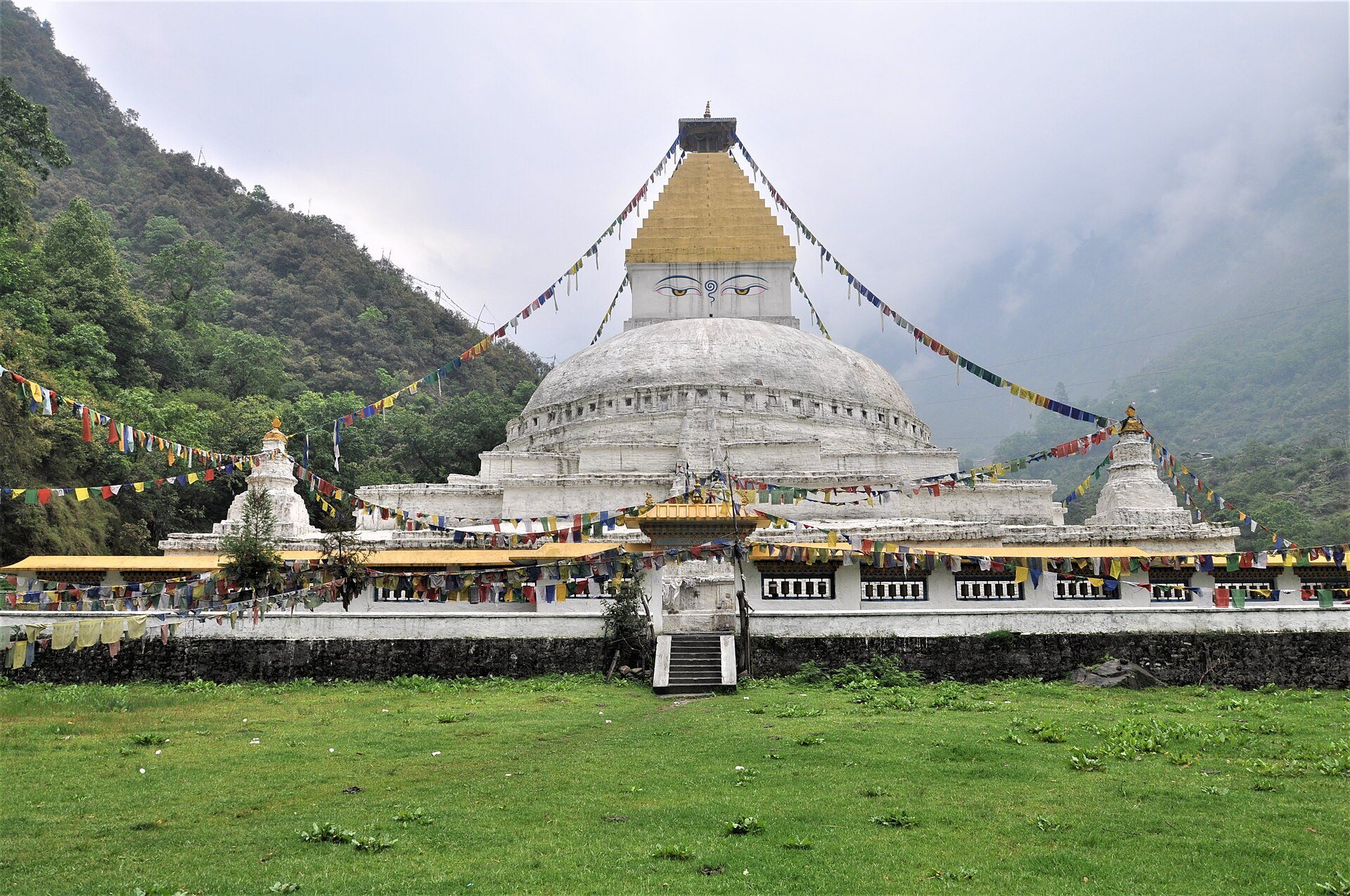
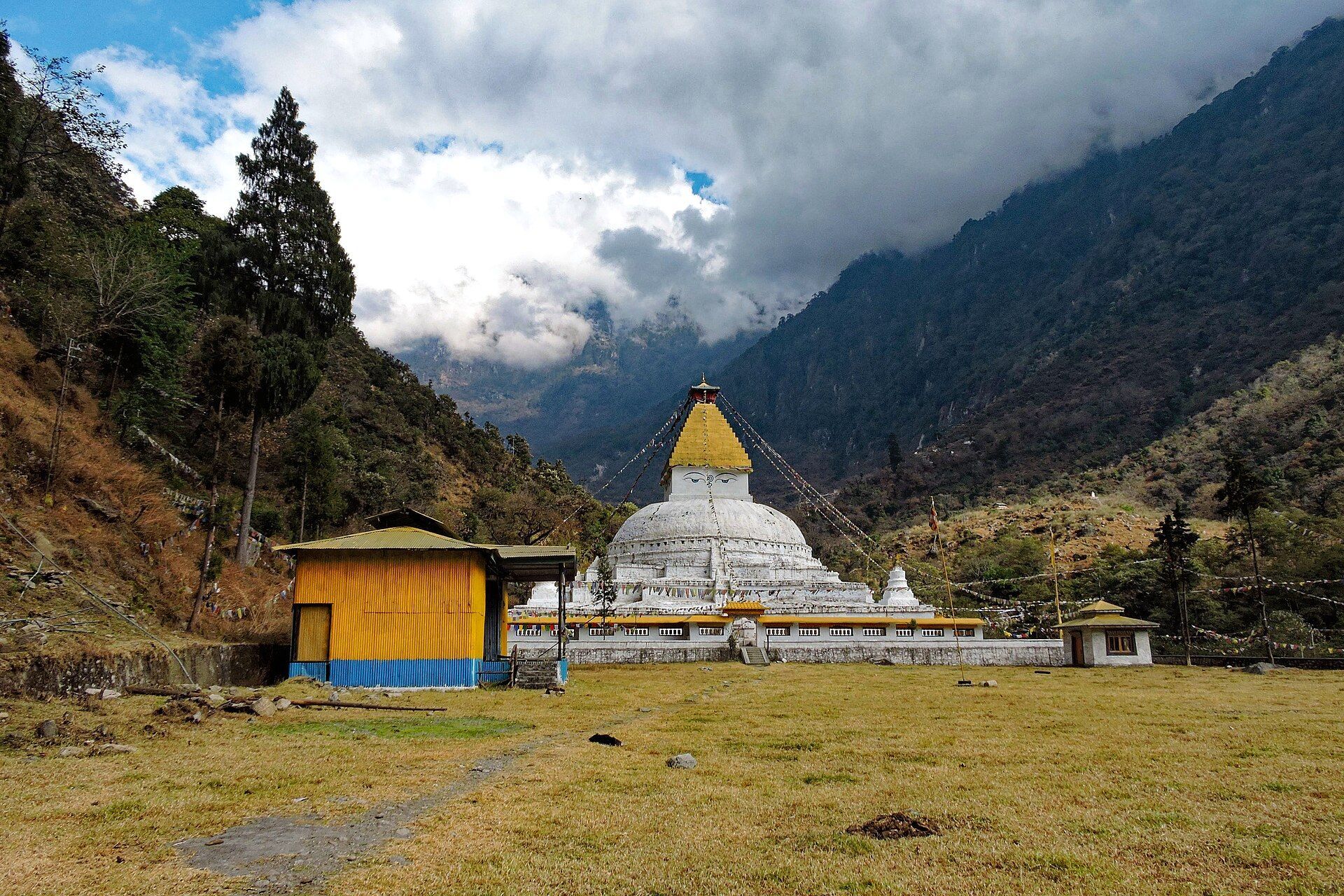
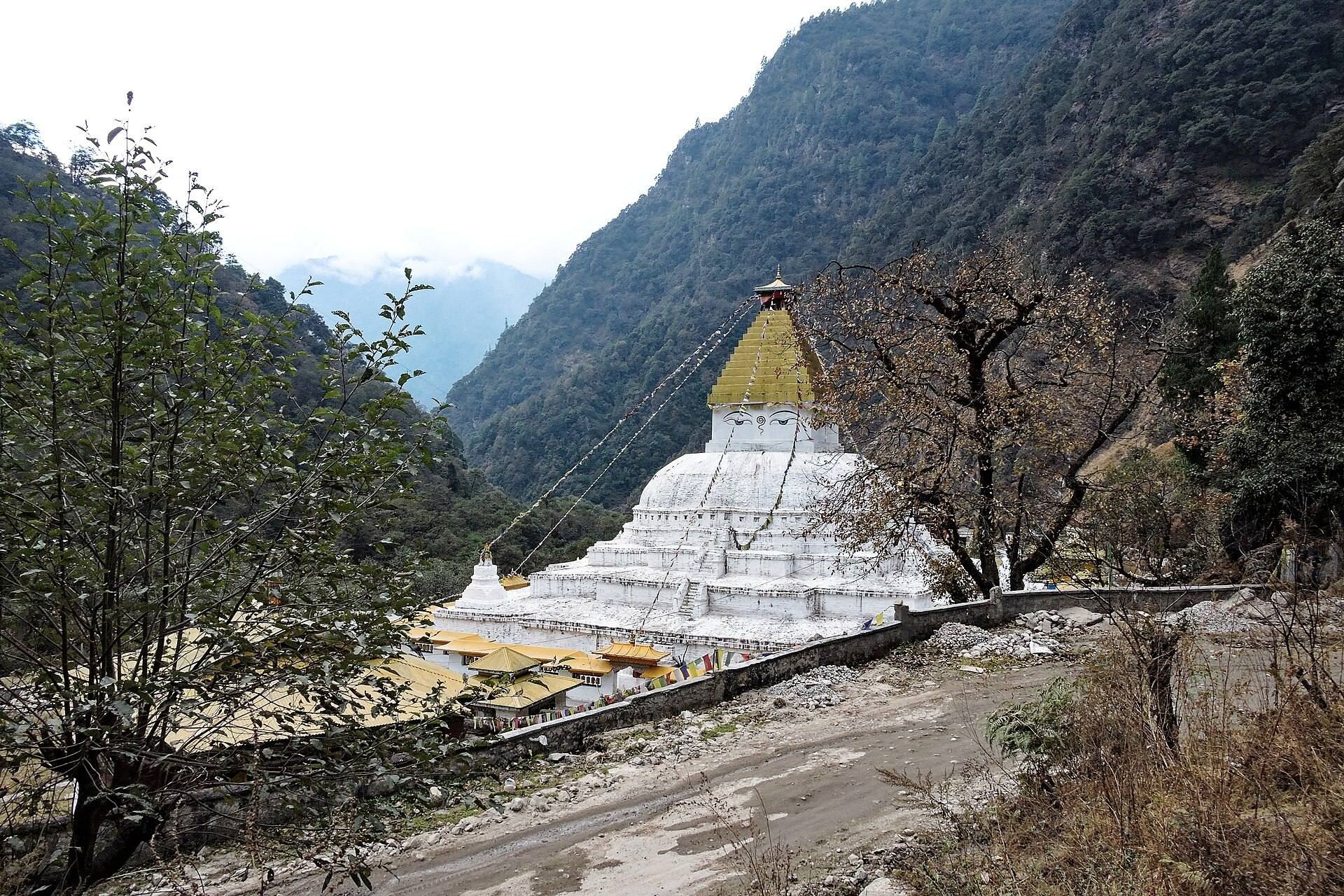
Gorsam Chorten is a Buddhist stupa in Zemithang, Arunachal Pradesh, India, in the Sandy Plain of Mon within Tawang district. Traditionally dated to around the twelfth century, it is associated with the monk Sangye Pradhar and is regarded as a major religious center of the region.
Foundation and religious purpose
According to local tradition, Sangye Pradhar lived and worked around the eleventh century. After visiting Boudhanath, a major Buddhist stupa in Kathmandu, Nepal, he resolved to create a comparable monument in his homeland. The resulting structure was intended to establish an important Buddhist center in the region.
Another foundation tradition connects the monument with the Gorsam stone bridge, which crossed a local river or stream and served residents and travelers. The stupa was reportedly built to counter harmful supernatural forces associated with the bridge. It also served a religious purpose, supporting the accumulation of merit and the purification of spiritual obscurations.
Gorsam Chorten is also known as Monlam Chorten and Thongdrol Chorten. It is regarded as one of the largest and most important Buddhist stupas in the Tawang region, and its religious and cultural importance has also contributed to the life of the surrounding area.
Twentieth-century consecration and continuing observance
In 1959, during the Fourteenth Dalai Lama’s journey from Tibet into exile in India, he consecrated Gorsam Chorten. Consecration is the ritual by which a Buddhist monument is formally sanctified. On the same occasion, he bestowed an empowerment associated with Avalokiteshvara, the Great Compassionate One, on local devotees. An empowerment is a transmission ritual that prepares practitioners for a particular Buddhist practice.
Devotees from Tibet, Bhutan, and the Mon region visit the stupa for worship and pilgrimage. A festival held around March lasts about two or three days and includes prostrations, offerings, and circumambulation, the ritual practice of walking around a sacred monument. Local residents also commemorate an eight-year-old girl connected with the stupa’s foundation tradition. She is said to have been regarded as an incarnation of a dakini, a female figure associated in Vajrayana Buddhism with spiritual insight and transformation, and to have entered the monument during its original construction.
Remains
Gorsam Chorten stands in the Sandy Plain of Mon and is approximately 100 feet high. It is a stupa, a Buddhist monument associated with sacred relics, remembrance, offerings, meditation, and circumambulation. The monument is also linked to the Gorsam stone bridge over a local watercourse, giving the surviving stupa a physical connection with the landscape described in its foundation tradition.
Form and foundation tradition
The stupa’s design was modeled on Boudhanath, although tradition holds that it was not an exact reproduction. The foundation story explains this difference through Sangye Pradhar’s attempt to preserve the Nepalese monument’s form. Lacking another way to make a model, he is said to have carved its shape into a radish. The radish dried and changed form before it could serve as a precise guide, and the resulting Gorsam Chorten consequently differed from Boudhanath.