Gorodok Hillfort (Trubchevsk): A Medieval Fortified Center
Site at a Glance
- Popularity
- Low
- Country
- Russia
- Primary era
- Early Modern
- Eras represented
- Medieval, Early Modern
- Civilizations
- Kievan Rus, Russian
- Site type
- Military
- Remains
- Fortified Town
On this page6 sections
History
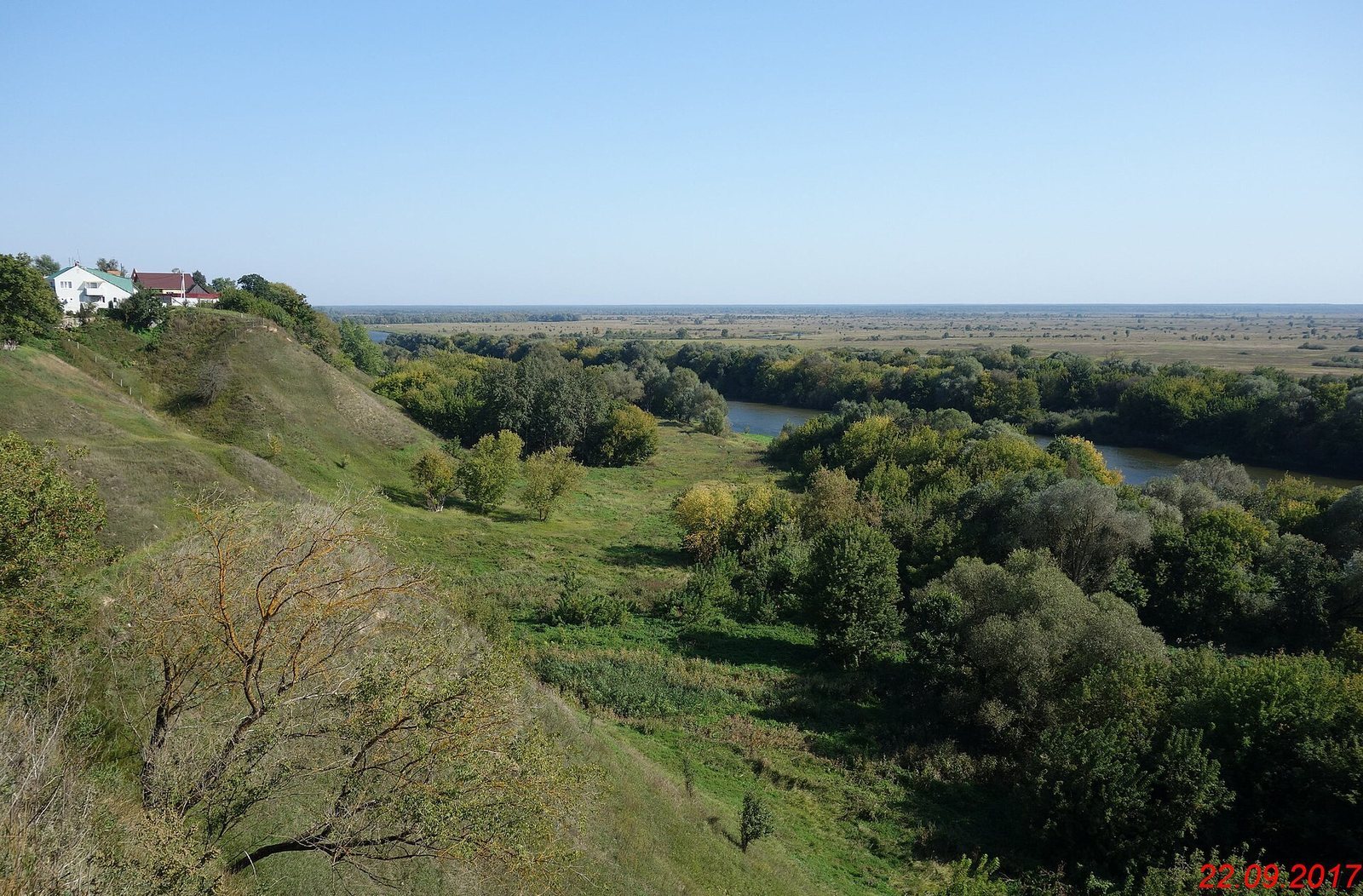
Gorodok Hillfort is the historic fortified center of Trubchevsk, on the right bank of the Desna River in Russia. Trubchevsk moved here from Kvetun Hillfort in the second half of the twelfth century. A change in the Desna’s course is a probable reason for the relocation.
Relocation and medieval settlement
The outer town was settled no earlier than the twelfth century, when Trubchevsk established its present center at the hillfort.
Early modern defenses
A new fortress was built at the site in the seventeenth century to defend against attacks by Crimean Tatars, a Turkic people historically associated with Crimea, and the Polish-Lithuanian Commonwealth, a state formed by the union of the Kingdom of Poland and the Grand Duchy of Lithuania. During the Petrine era, the reign of Peter the Great from 1682 to 1725, the defenses were strengthened against the Swedes.
Gorodok Hillfort holds federal-level cultural heritage status in Russia.
Remains
Fortified layout
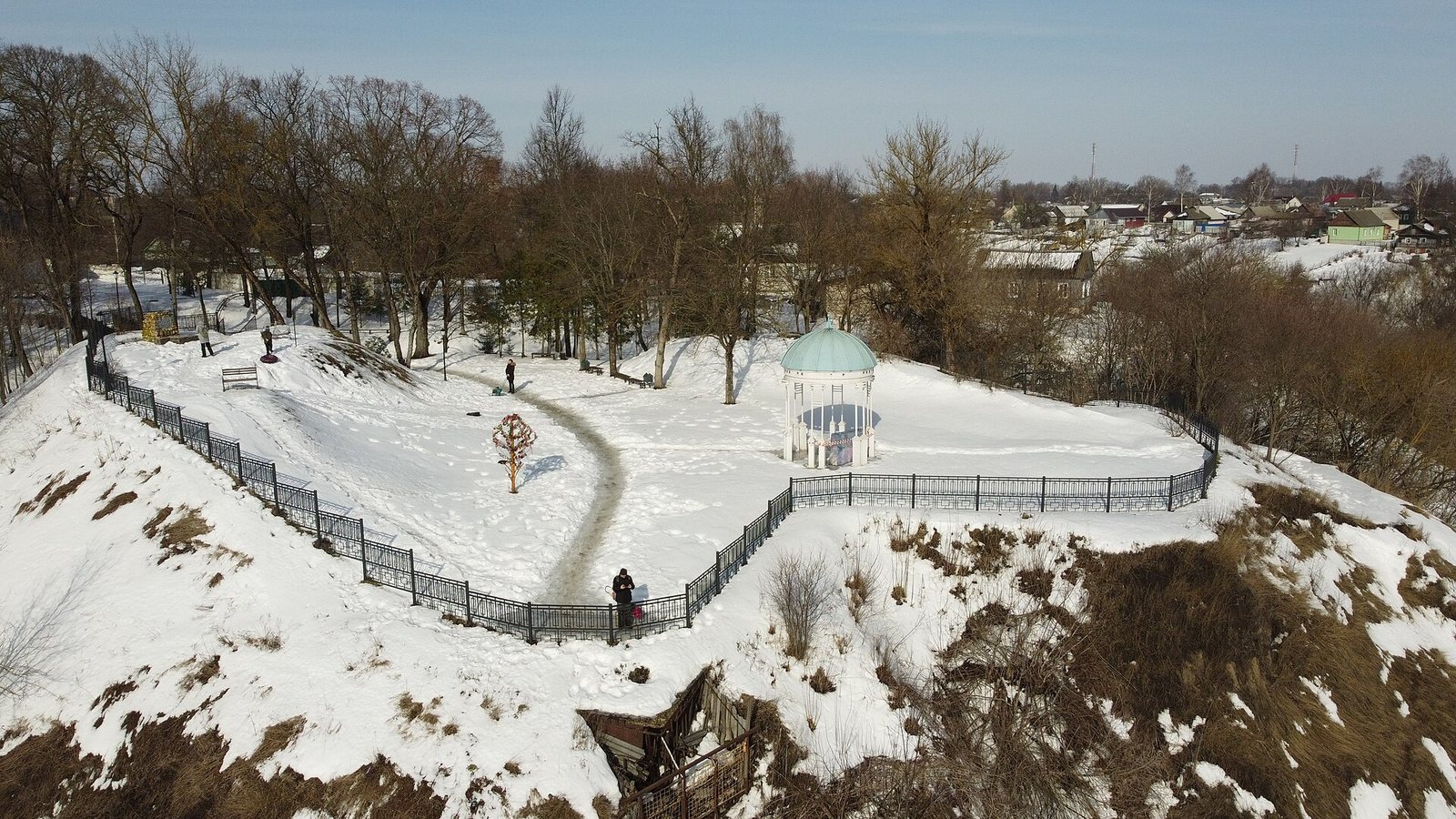
The site occupies the Gorodok tract, which rises 40 metres above the Desna. Its citadel covered 0.2 hectares and adjoined an outer town of 3.6 hectares. A ditch extending into a ravine divided the two areas. The fortification has largely been lost, but traces of a rampart and ditch remain around the outer town.
Archaeological deposits and church foundation
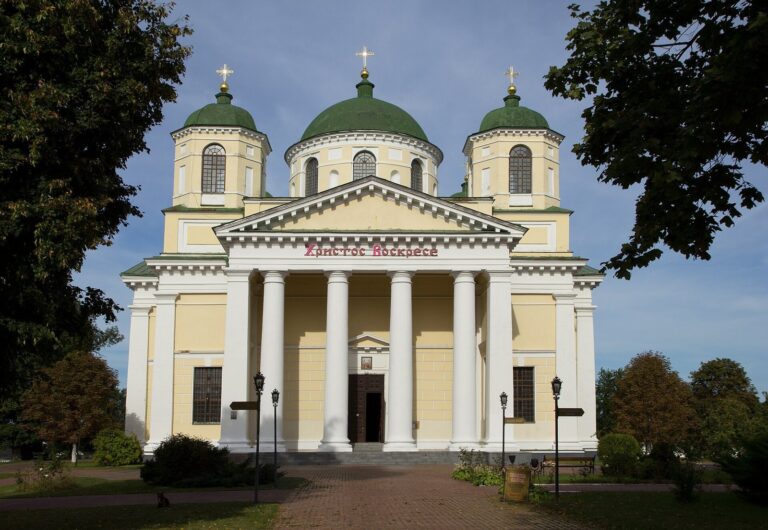
The citadel’s cultural layer reaches a depth of two metres. It contains deposits from the Yukhnov and Romny cultures, archaeological cultures of Eastern Europe’s forest and forest-steppe regions, as well as from the Old Rus period, associated with the medieval East Slavic polity and cultural world. Beneath the present Holy Trinity Cathedral are the remains of a stone church foundation dating to the twelfth century. Soviet archaeologist and architectural historian Pavel Rappoport identified the foundation during archaeological investigations at the hillfort.