Gloucester College: A Benedictine College of Oxford
Site at a Glance
- Popularity
- Medium
- Country
- United Kingdom
- Primary era
- Medieval
- Eras represented
- Medieval
- Civilizations
- English
- Site type
- Civic
- Remains
- University
On this page9 sections
History
Foundation and priory
Gloucester College was a Benedictine institution in Oxford, United Kingdom, serving monks studying at the University of Oxford from the late thirteenth century until 1542. The Benedictines were a Western Christian monastic order that followed the Rule of St Benedict. The college was arranged in staircase units, each overseen by the monastery that sent its monks.
In 1283, John Giffard gave a house in Stockwell Street to the Benedictines of the Province of Canterbury. The province assigned it to St Peter’s Abbey in Gloucester as a dependent house for thirteen student monks. The Carmelites of Oxford also claimed the land, prompting legal proceedings in 1288. Giffard granted further property in 1291, and decisions made at Benedictine meetings in 1290 and 1291 established an independent priory for student monks from the province’s monasteries. Gloucester Abbey gave up its claim to the property, and Henry de Heliun became the new priory’s first head, or prior.
Studies and changes in leadership
In 1337, Pope Benedict XII issued a decree requiring five percent of Benedictine monks to study at a university. Gloucester’s head was thereafter called the Prior Studentium, meaning “prior of the students,” and was elected by the students. The college’s recruitment area expanded to include the Province of York, but numbers remained low in part because the monks’ home monasteries had to meet the costs of living in Oxford.
From the mid-fourteenth century, Cambridge provided another option for Benedictine students. Oxford also had two other Benedictine colleges, Durham College and Canterbury College. The college closed for a period after the Black Death, the pandemic that caused widespread mortality across Europe. By 1537, it had 32 students.
From Gloucester Hall to Worcester College
During the Dissolution of the Monasteries, the Crown-led suppression of England’s monastic institutions in the sixteenth century, the property passed to the English Crown. In 1542 it was transferred to the Bishop of Oxford, who sold it to Sir Thomas White, founder of St John’s College. The institution was then known as Gloucester Hall and was treated as an annex of St John’s.
Benjamin Woodroffe, Gloucester Hall’s penultimate principal, established a Greek College for Greek Orthodox students as an effort to strengthen relations between their church and the Church of England. It operated from 1699 to 1705, with 15 Greek members recorded. In 1714, Sir Thomas Cookes refounded Gloucester Hall as Worcester College. The name Gloucester also survives in Gloucester Green, opposite the former college.
Remains
Surviving buildings
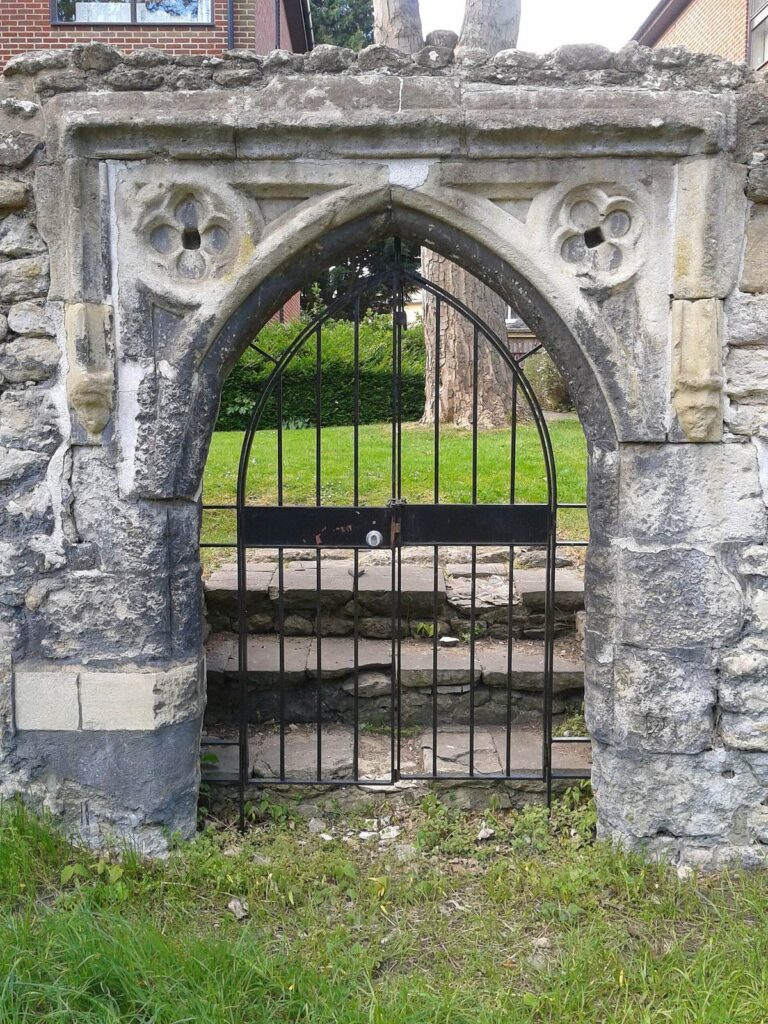
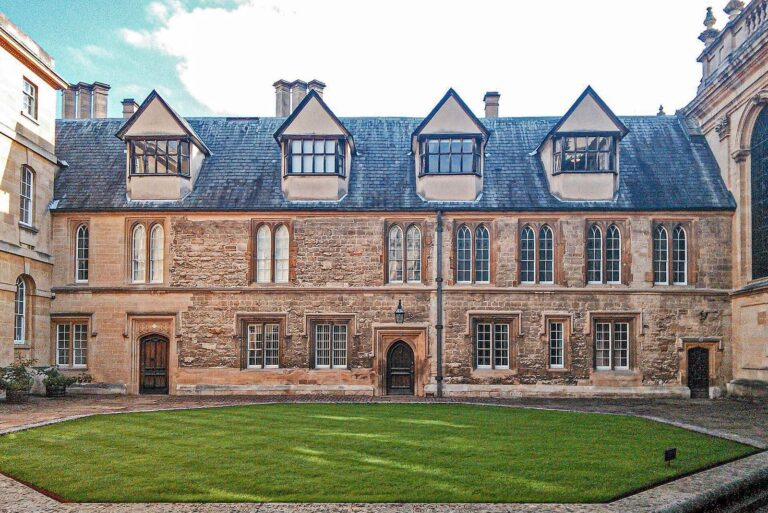
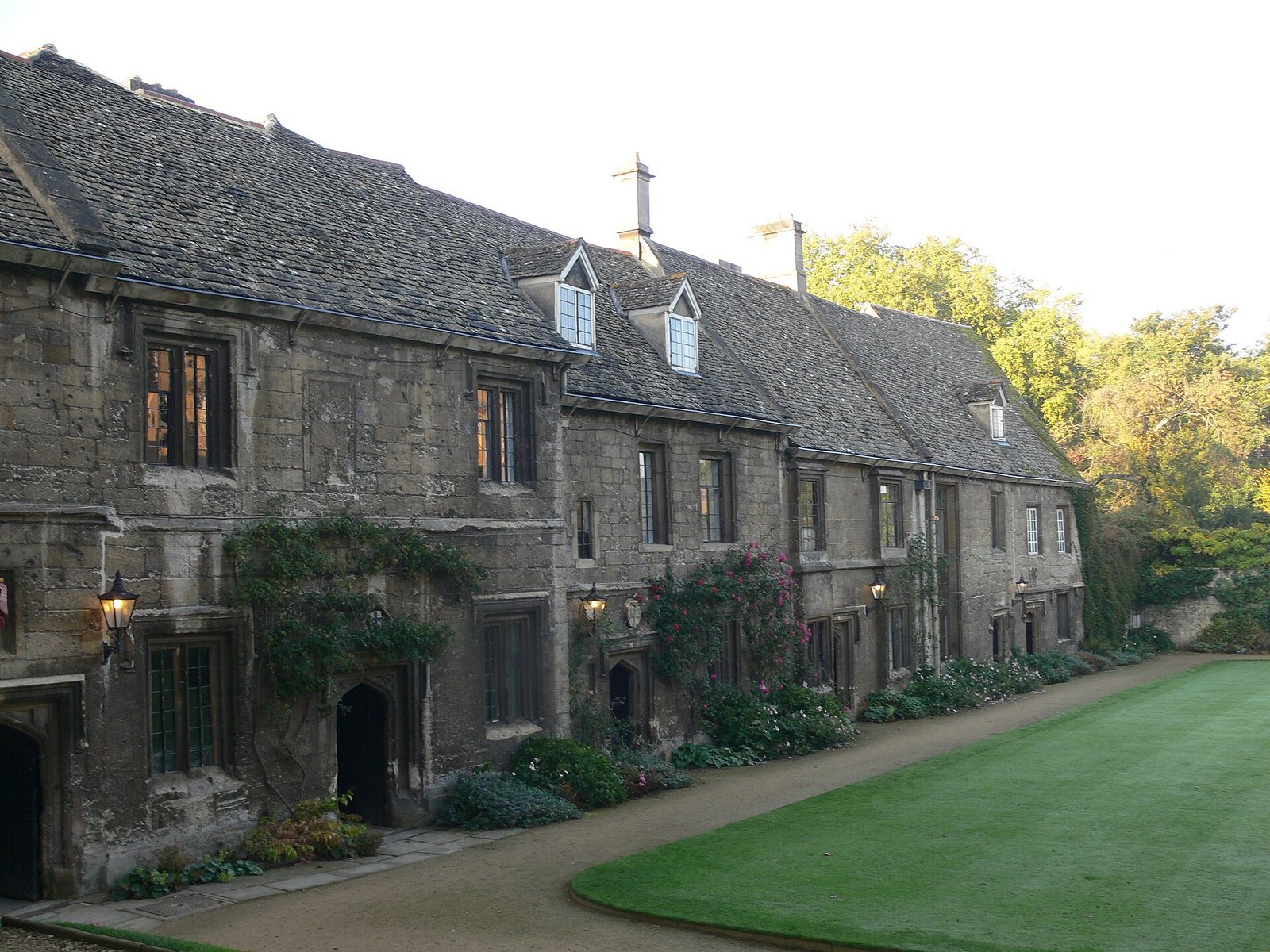
The surviving architectural remains include a fifteenth-century gate and preserved college buildings bearing the arms of monasteries. Gloucester House, within present-day Worcester College, retains the Gloucester name.
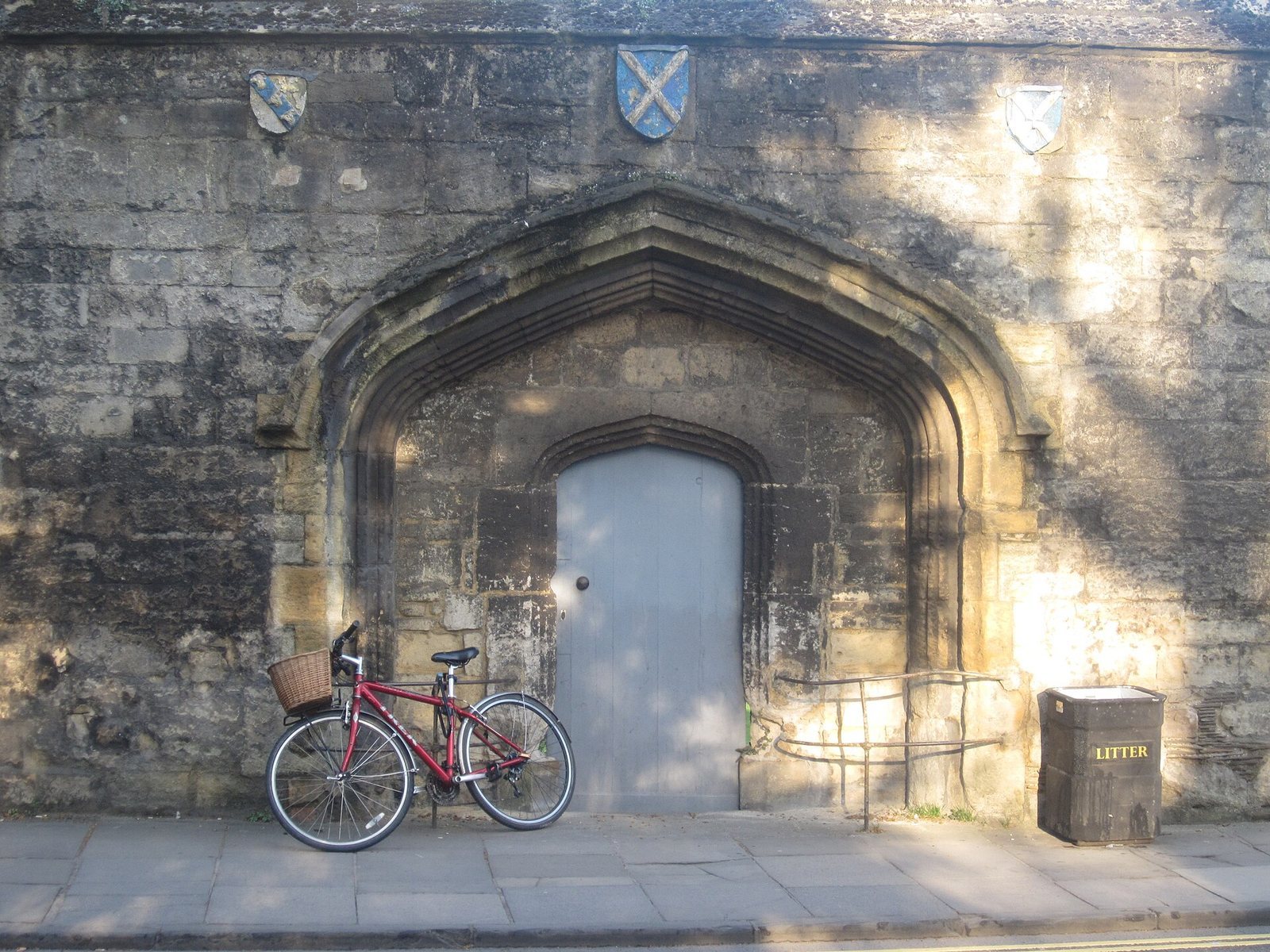
College gate
The fifteenth-century gate bears the arms of the monasteries of Winchcombe, St Albans, and Ramsey.
College buildings
Arms belonging to various monasteries appear above the doors of preserved fifteenth-century college buildings.
Gloucester House
Gloucester House is a building within present-day Worcester College whose name preserves the association with the earlier institution.