Fowlescombe Manor: An Ancient Manor House and Estate
Site at a Glance
- Popularity
- Medium
- Country
- United Kingdom
- Primary era
- Early Modern
- Eras represented
- Early Modern
- Civilizations
- British, English
- Site type
- Domestic
- Remains
- Manor House
On this page6 sections
History
Fowlescombe Manor is an ancient manor house in the United Kingdom. By the time of William Pole, a Devon antiquary and historian who died in 1635, its holdings comprised the estates of Bolterscombe, Smythescombe and Black Hall, in the parishes of Ugborough and North Huish.
Fowelscombe Manor has been proposed as one of three possible inspirations for Baskerville Hall in Arthur Conan Doyle’s Sherlock Holmes novel The Hound of the Baskervilles, published in 1901–02. The other candidates are Brook Manor and Hayford Hall, which was also owned by Devon landowner John King of Fowelscombe, who died in 1861.
Remains
Surviving buildings and grounds
Manor house and grounds
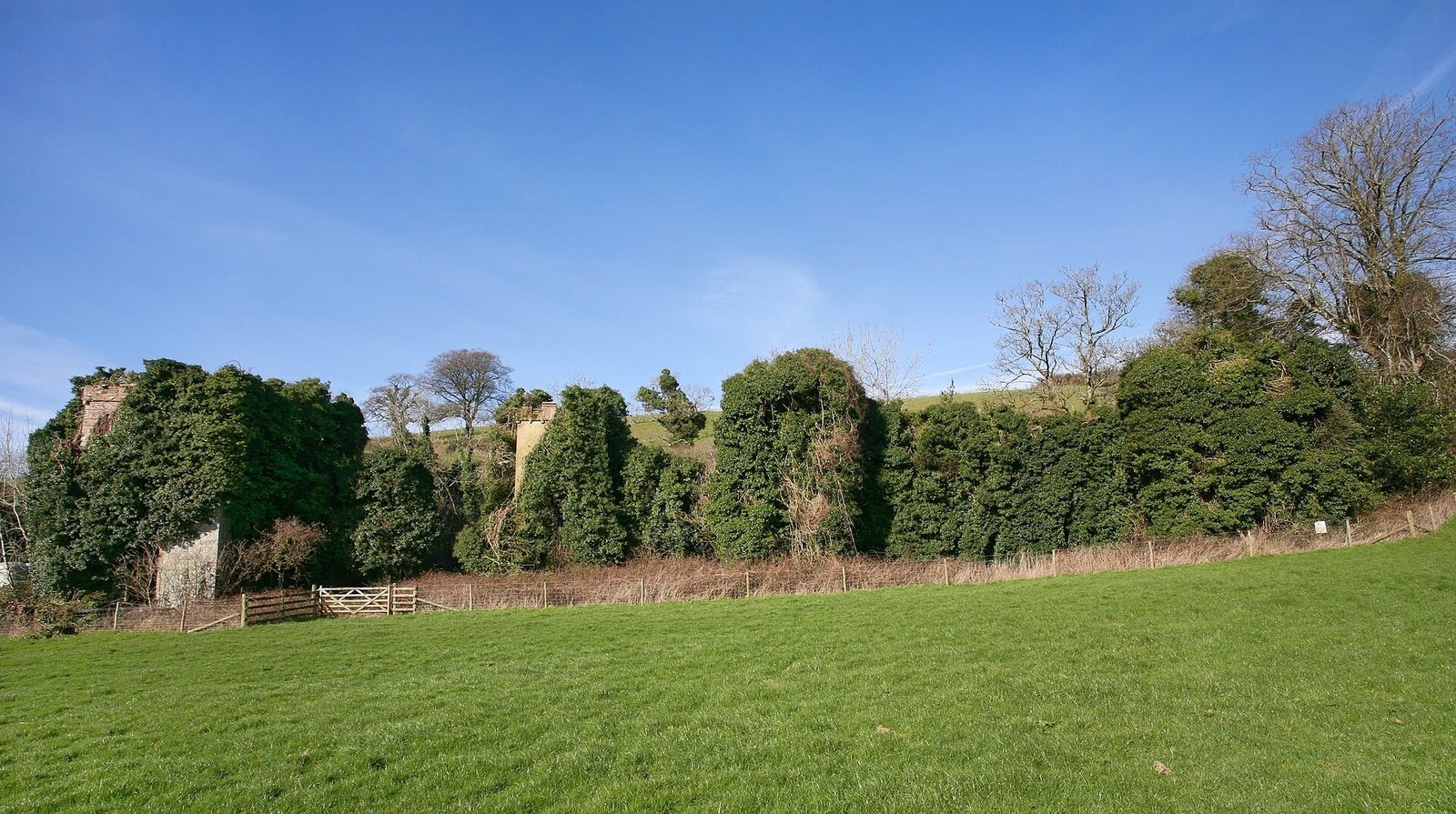
Fowelscombe House stands about one mile southeast of Ugborough village, amid parkland and a water garden. The large house follows the hall-house form, a traditional design organized around a central hall. It now survives as an ivy-covered ruin, overgrown with trees and nettles.
Stable block
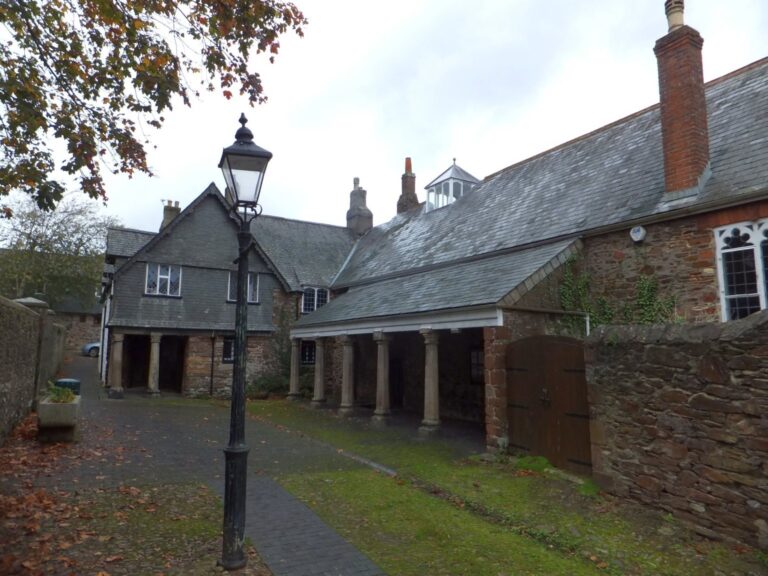
The seventeenth-century stable block is arranged around a courtyard. The courtyard may also have held kennels for hounds used to hunt foxes and deer.
Bridge
A bridge dating to the late eighteenth century leads to the manor house.