Fortress of Jikha: A Genoese Communication and Observation Fortress
Site at a Glance
- Rating
- 4.3
- Popularity
- Medium
- Country
- Turkey
- Primary era
- Medieval
- Eras represented
- Medieval
- Civilizations
- Byzantine, Genoese
- Site type
- Military
- Remains
- Fort
History
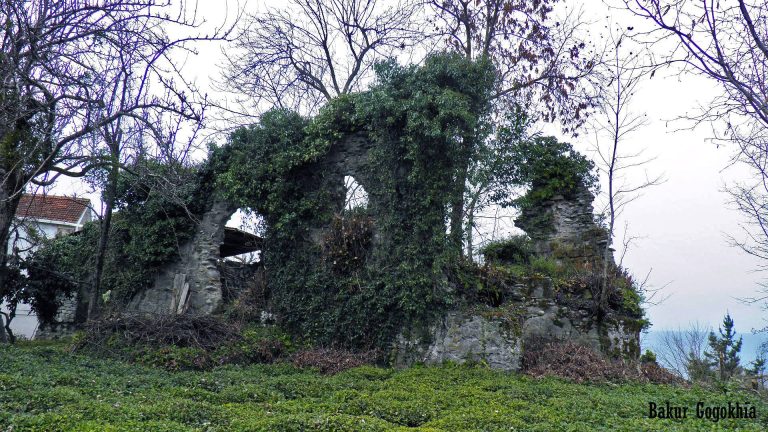
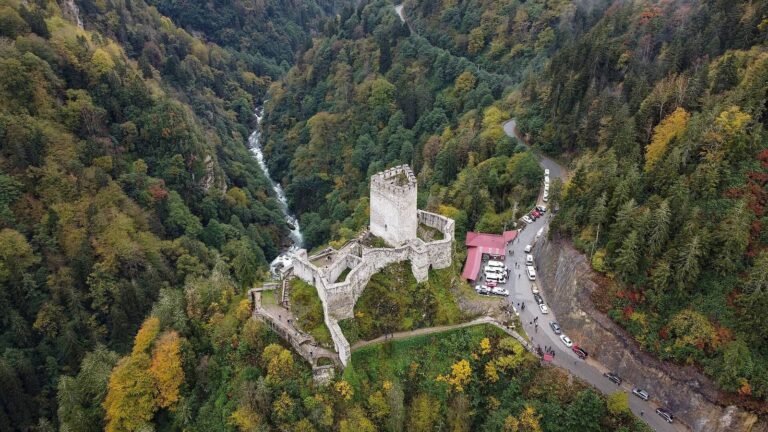
The Fortress of Jikha, in Yücehisar village in Pazar district, Rize Province, Turkey, is thought to have been built by the Genoese in the 14th century for communication and observation. The Genoese were people of the maritime republic of Genoa, in what is now Italy, whose trading and naval connections extended across the Mediterranean and Black Sea.
The fortress is also known by names linked to nearby villages. Its Laz name, Lamğoşi Cixa, comes from Lamğo, the former name of Yücehisar. In Laz, a language spoken by the Laz people of the southeastern Black Sea region, ciha means “fortress.” The word gradually fell out of use with that meaning, and the name entered Turkish as Ciha Kalesi. The fortress is also called Ğulivat Castle, a name associated with its occasional placement in Şentepe village.
Remains
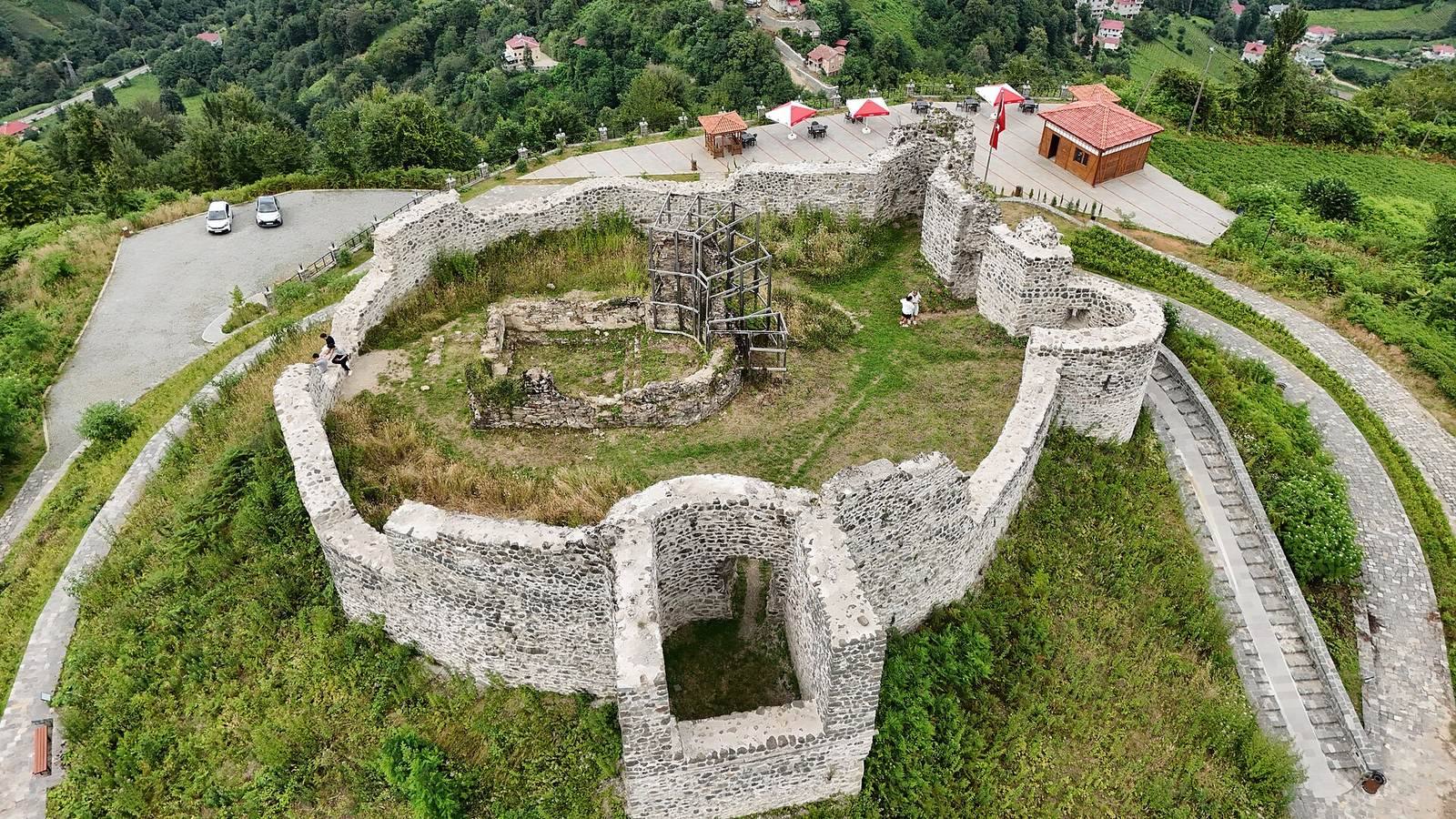
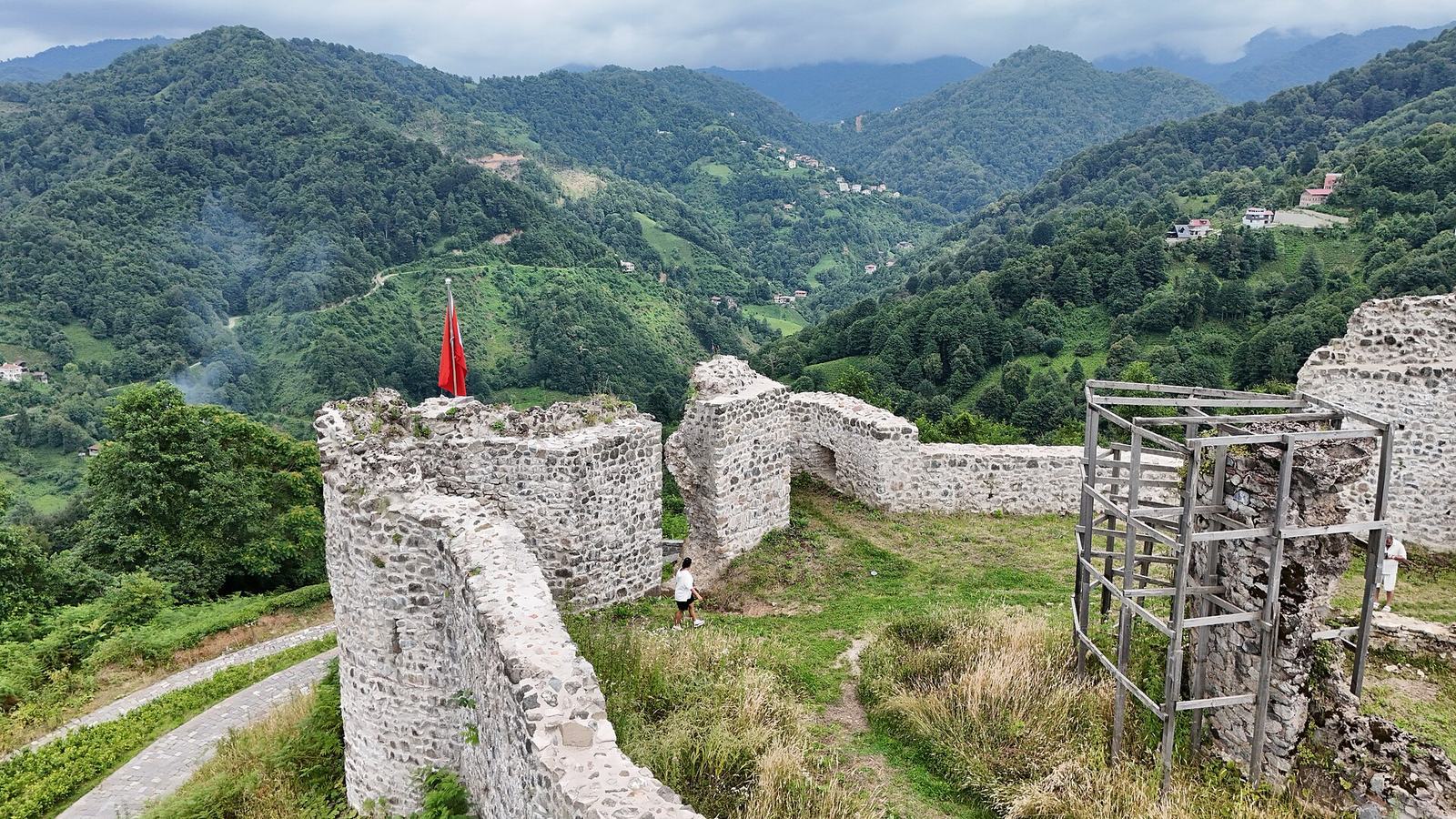
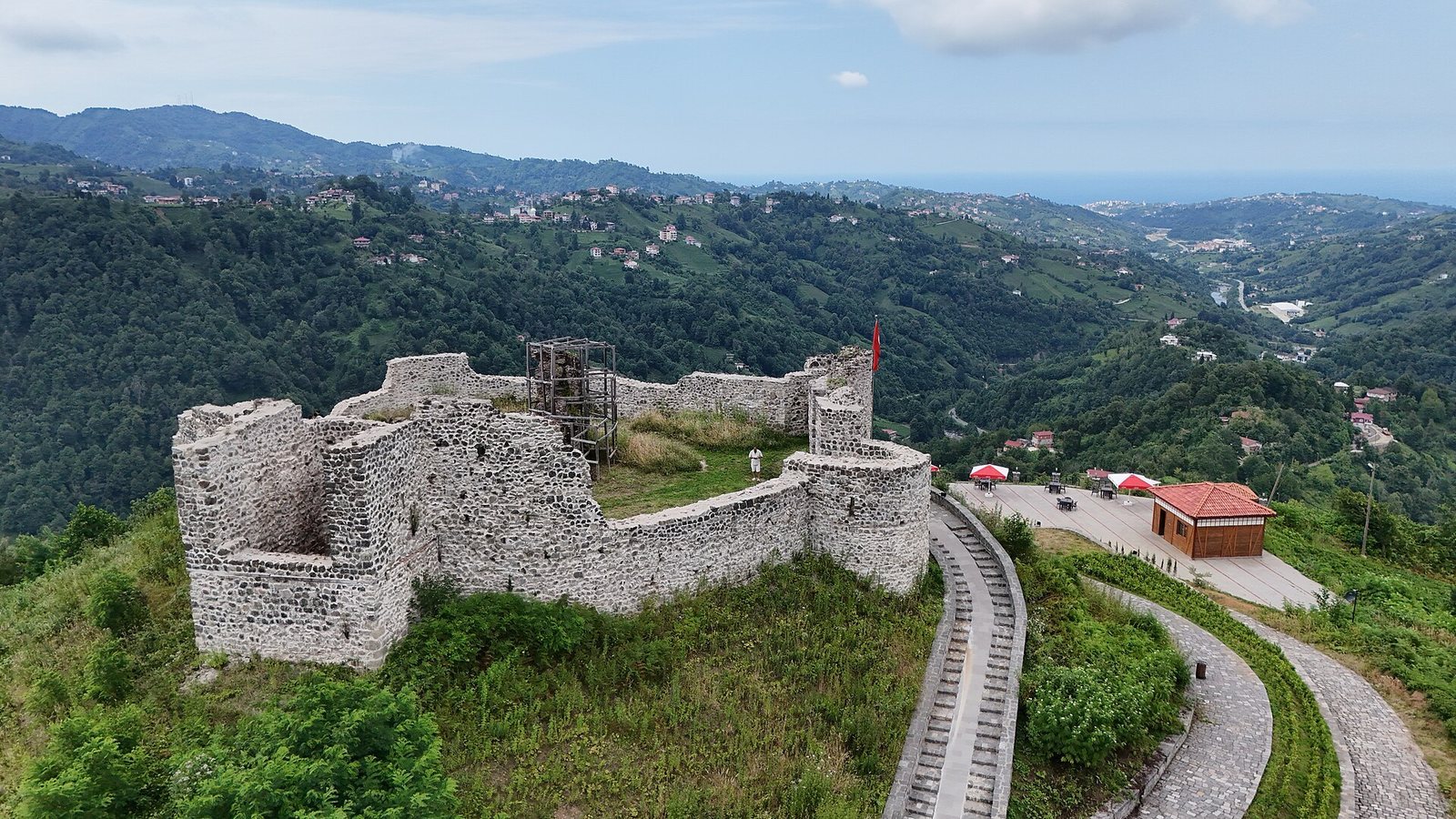
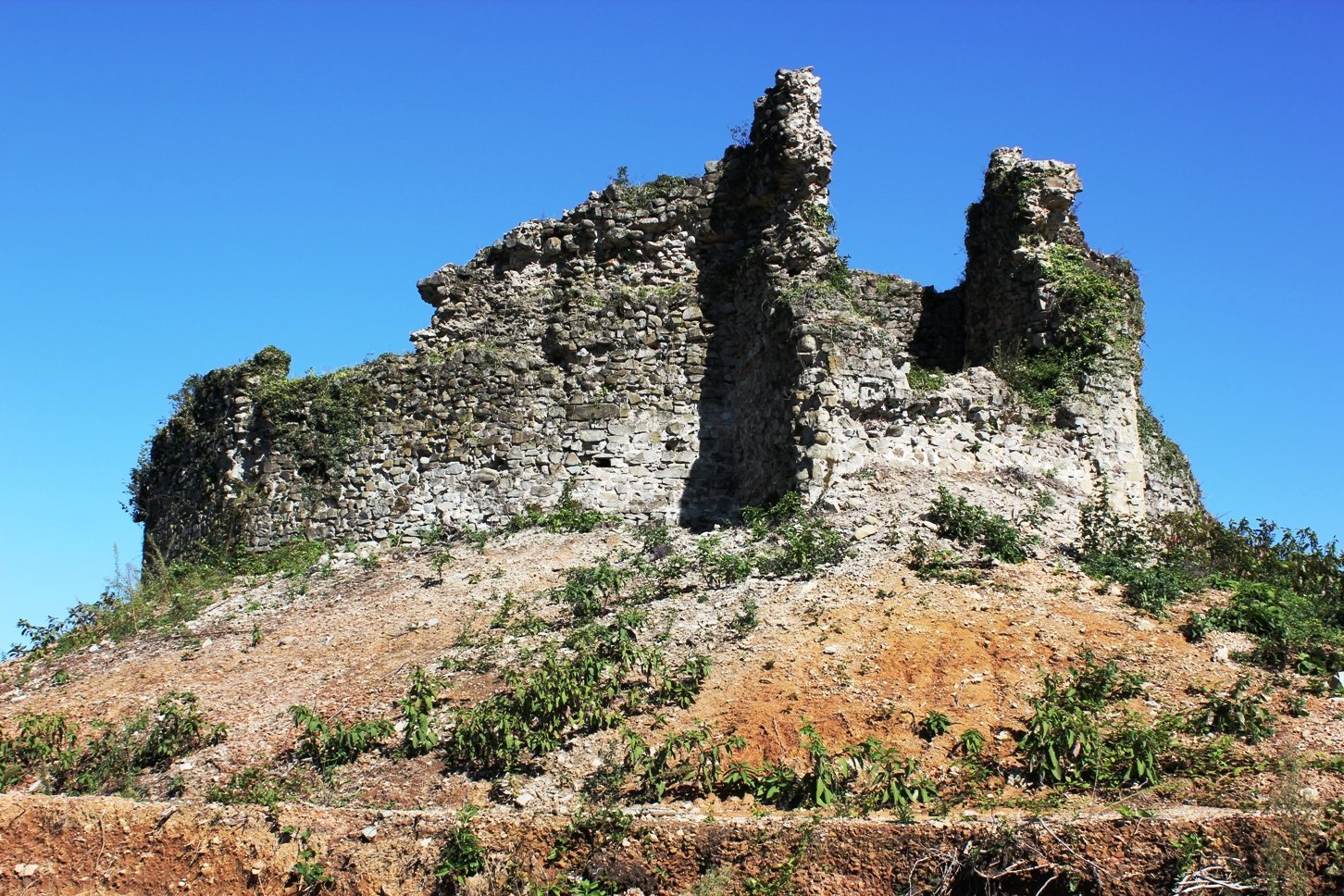
The fortress stands on a hill 350 metres above sea level, east of the Hemşin Stream and about 7 kilometres from Pazar. Its circular enclosure covers 640 square metres, with an interior measuring 27 metres long by 22 metres wide. Walls are between 1.2 and 1.8 metres thick, and the structure reaches about 6 to 7 metres in height. An entrance on the northeast side is flanked by two towers, while a further circular tower stands at the centre. The northeast section of the fortress is particularly well preserved.