Fort Verdala: British Fortified Barracks in Malta
Site at a Glance
- Popularity
- Medium
- Country
- Malta
- Primary era
- Modern
- Eras represented
- Early Modern, Modern
- Civilizations
- British, Knights Hospitaller
- Site type
- Military
- Remains
- Fort
On this page8 sections
History
Construction and conversion to barracks
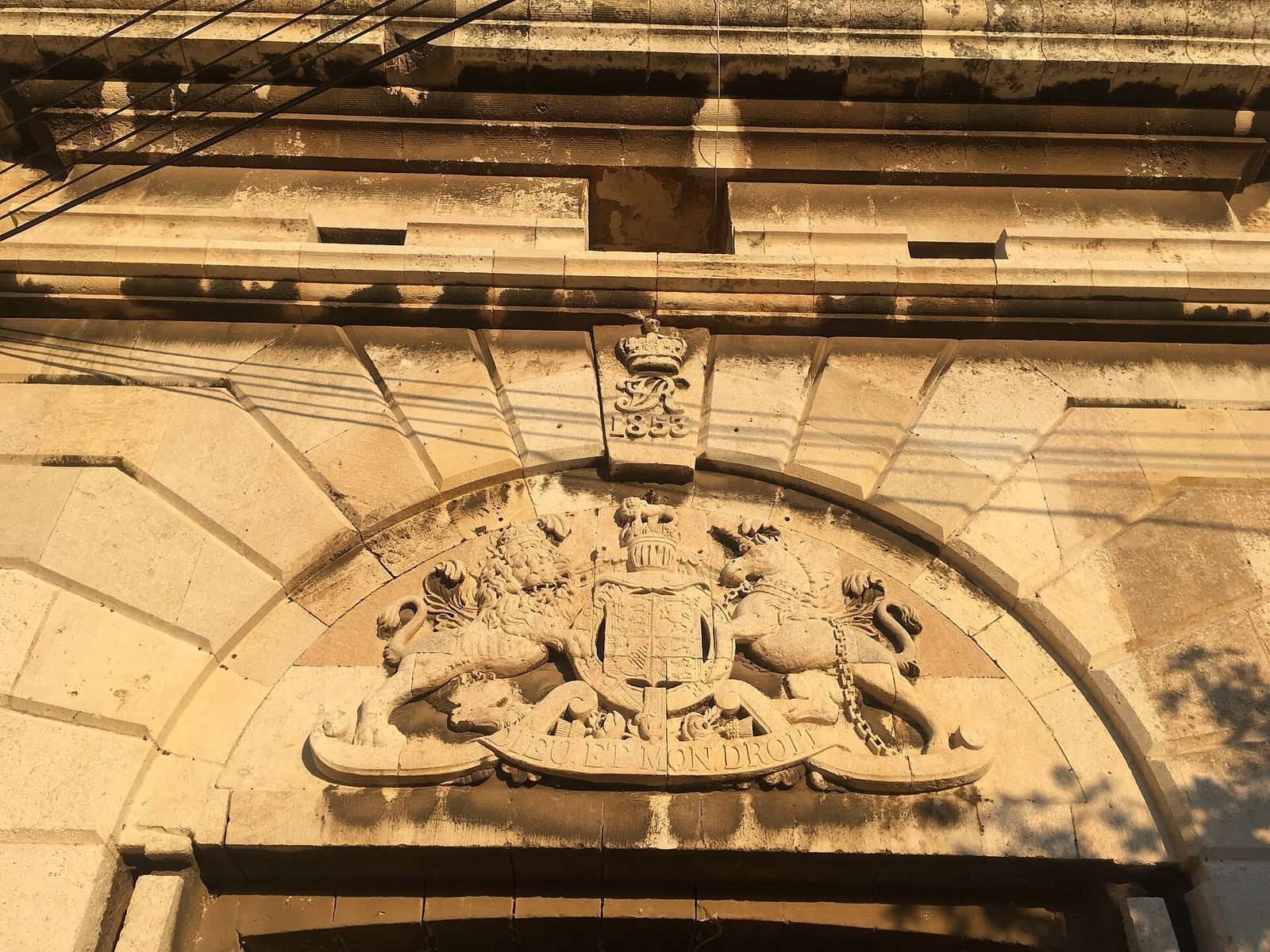
Fort Verdala is a fortified barracks in Cospicua, Malta, built for the British by the Royal Engineers, the British Army’s military-engineering corps, between 1852 and 1856. It stands within the Santa Margherita Lines, a seventeenth-century defensive fortification. The fort took its name from the Verdala Curtain, a wall connecting two bastions incorporated into the site.
By 1886, the fort was armed with 24-pounder smooth-bore howitzers, guns that fired 24-pound projectiles through unrifled barrels. The weapons were removed in the 1890s, when the fort was converted into a barracks complex.
Military and naval uses
During the First World War, Fort Verdala became a prisoner-of-war camp for captured Germans. Those held there included Franz Joseph, Prince of Hohenzollern-Emden, naval officer Karl von Müller, and Karl Dönitz, who later led the German Navy. Mahmud Hasan Deobandi, an Indian Muslim scholar and anti-colonial activist, was also interned there after the Silk Letter Movement, an unsuccessful effort against British rule in India.
Between the wars, the Royal Marines, Britain’s naval infantry, occupied the fort before it became a Royal Navy store. In 1940, it was commissioned as HMS Euroclydon, a stone frigate: a land-based naval establishment commissioned under a ship’s name. It served as a school for children of Royal Navy personnel until 1943, when the threat of aerial bombardment led to its closure. The fort then again became a prisoner-of-war camp.
Fort Verdala briefly served as a demobilisation centre in 1945 and returned to naval-school use in 1947. From the 1950s, the school catered only for primary-age children of Royal Navy personnel. Naval personnel, Maltese servicemen, and at times members of other Commonwealth navies, including the Royal Pakistan Navy, were also housed at the fort.
Transfer to Malta and later use
British military use ended in 1977, when the fort was decommissioned and transferred to the Government of Malta. Verdala International School occupied the site until moving to Fort Pembroke in St Andrew’s in 1987. Later, the site was used for state education, first as Verdala Boys’ Secondary School and then as the co-educational St Margaret College Secondary School, Verdala. Government housing is also located there.
Remains
Fortified layout
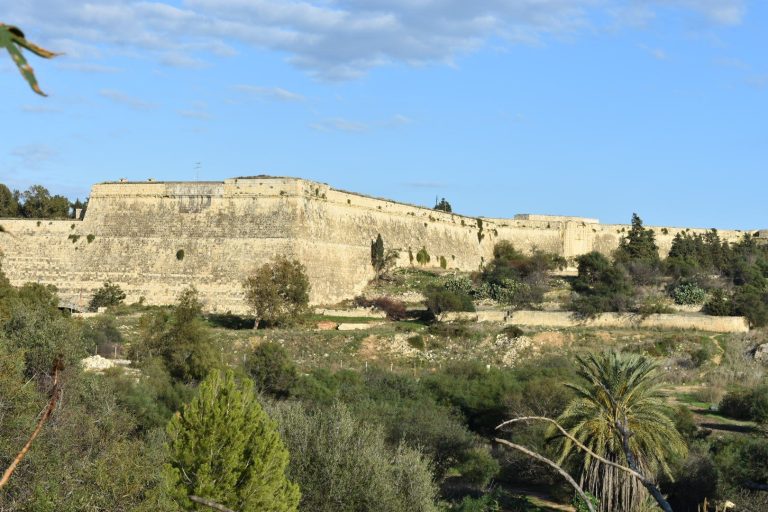
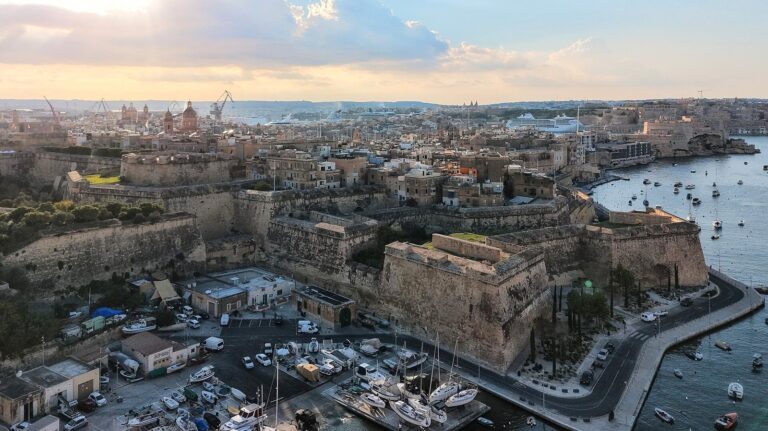
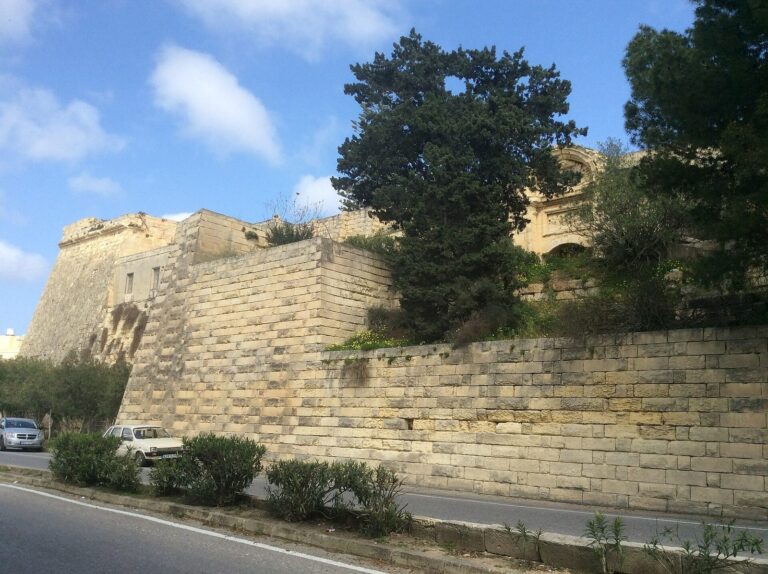
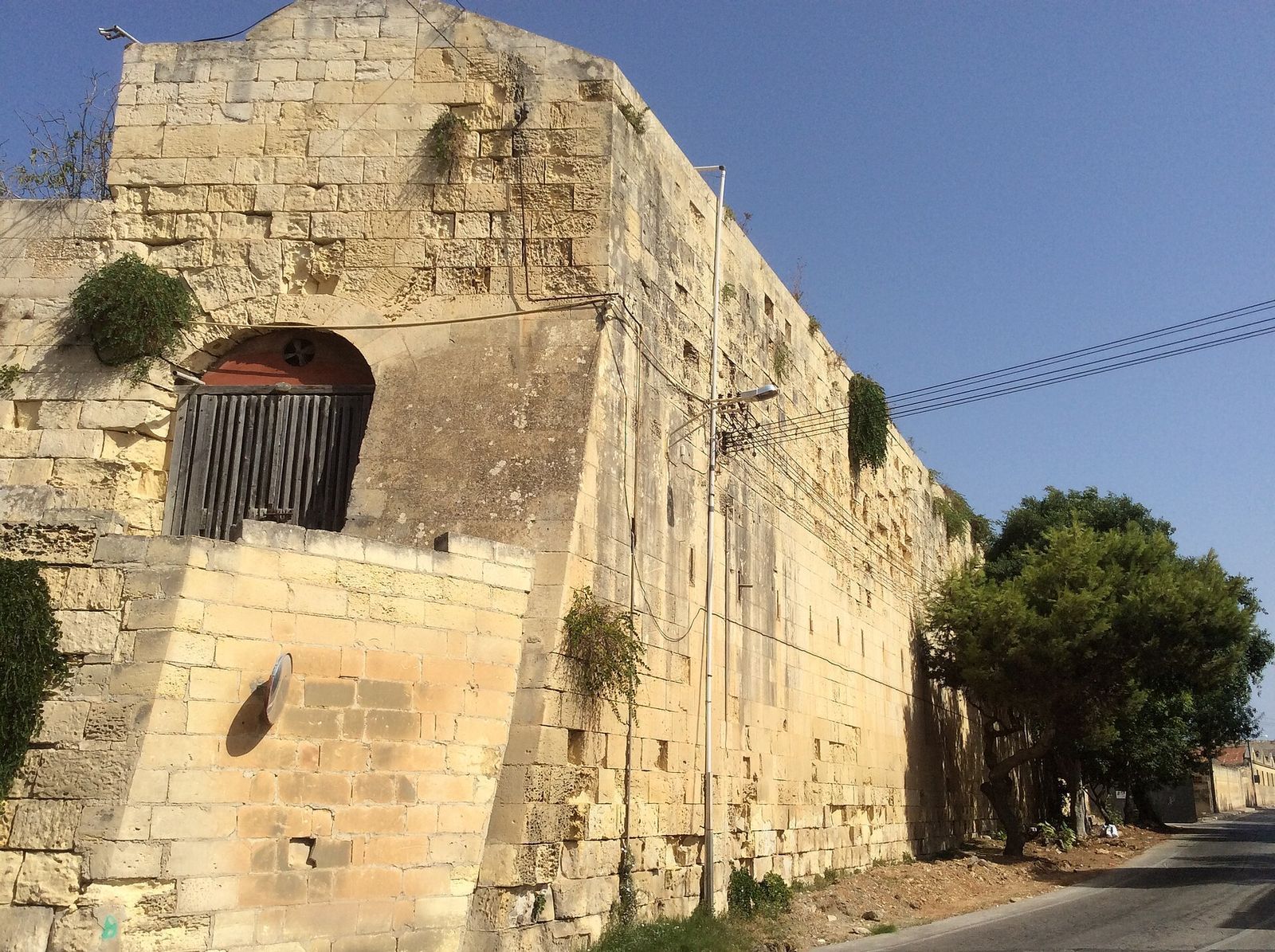
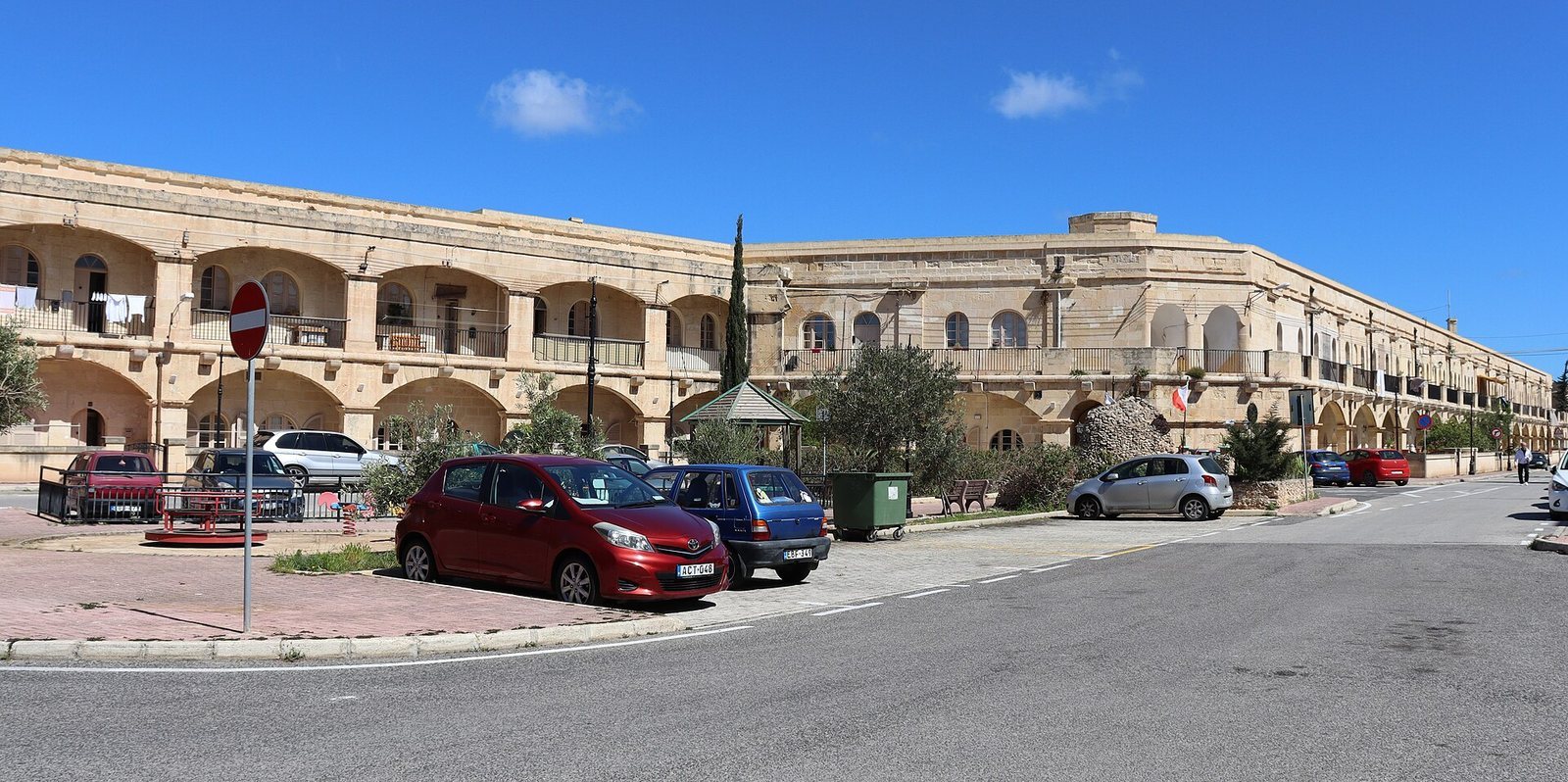
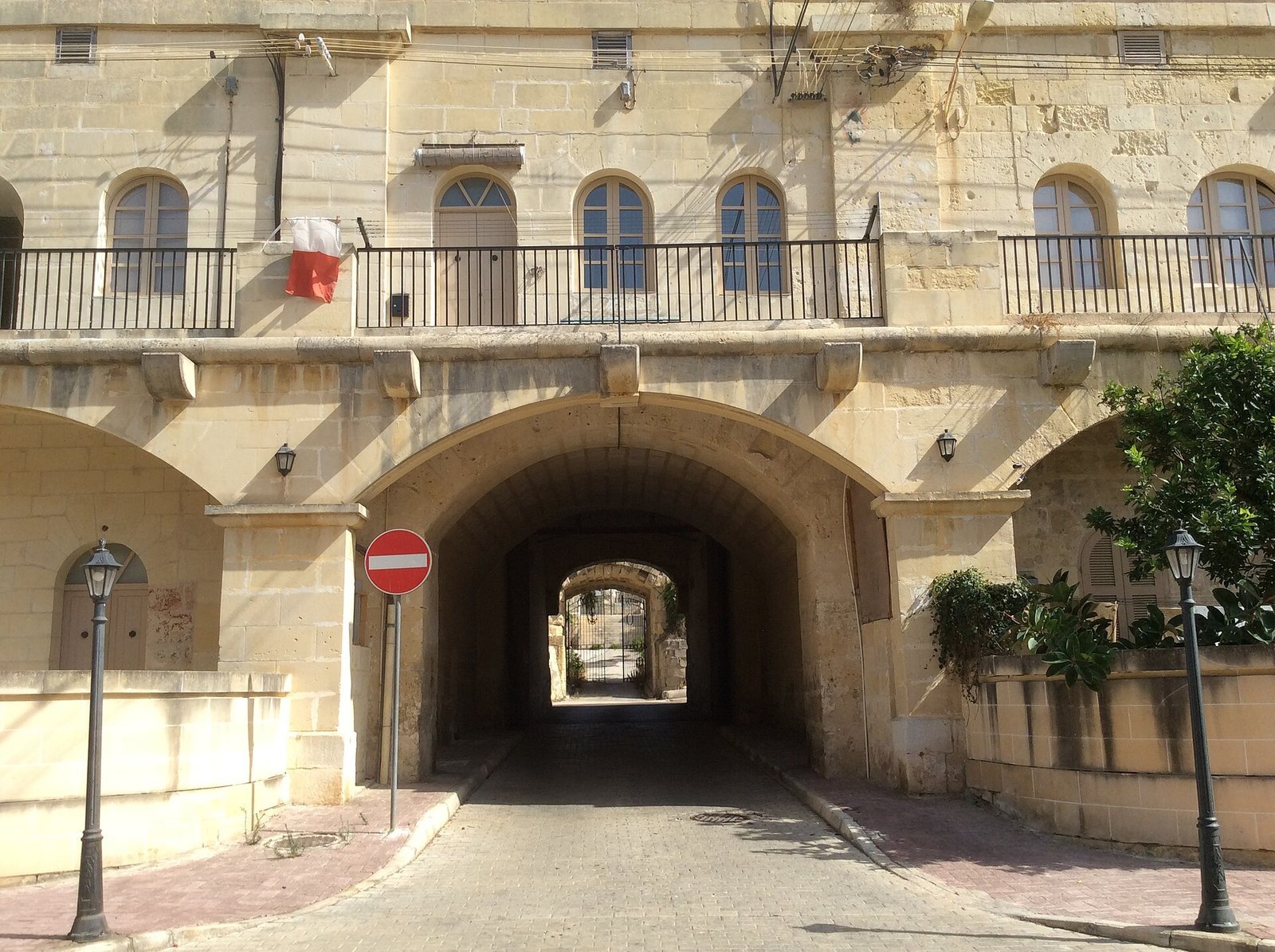
Fort Verdala occupies the central part of the Santa Margherita Lines and combines barrack accommodation with a fortified perimeter. The complex is built of limestone and incorporates two bastions, projecting sections of defensive wall.
Barrack block and enclosure
A barrack block is enclosed by casemated walls, which contain casemates, fortified spaces within a defensive structure. A shallow ditch runs outside the walls. The fort is intact.
Verdala Curtain and bastions
The Verdala Curtain connects St. Margherita Bastion and St. Helen Bastion, the two defensive works incorporated into the fort.