Fort George in Mumbai: A British Fortification and Administrative Center
Site at a Glance
- Rating
- 4
- Popularity
- Medium
- Country
- India
- Primary era
- Early Modern
- Eras represented
- Early Modern
- Civilizations
- British
- Site type
- Military
- Remains
- Fort
On this page7 sections
History
Dongri Hill and Fort George
The British built Fort George in Mumbai, India, in 1769 as an extension of Bombay’s fortified walls. The fort was named for George III, king of Great Britain and Ireland from 1760 to 1820. Before its construction, Dongri Fort had occupied the site. In 1739, Dongri Hill was leveled because it gave Maratha forces, belonging to a major political and military power in western India, a vantage point from which to attack Bombay’s defenses.
Administration and demolition
Fort George became the center of British administration in the Bombay Presidency, the British administrative territory in India. Its administrative role ended in 1829, when the Governor’s Residence moved to Parel. In 1862, Governor Henry Bartle Frere ordered most of the fort demolished. British dominance in the area and Bombay’s urban growth had made it redundant.
Remains
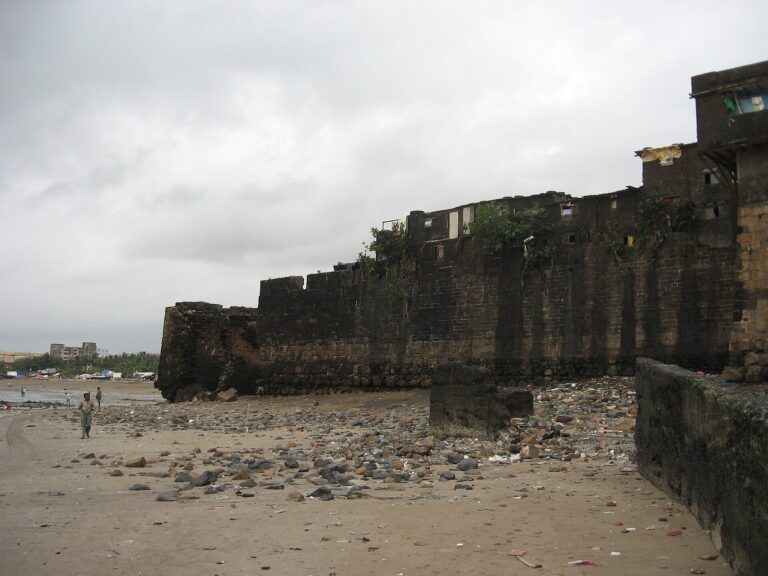
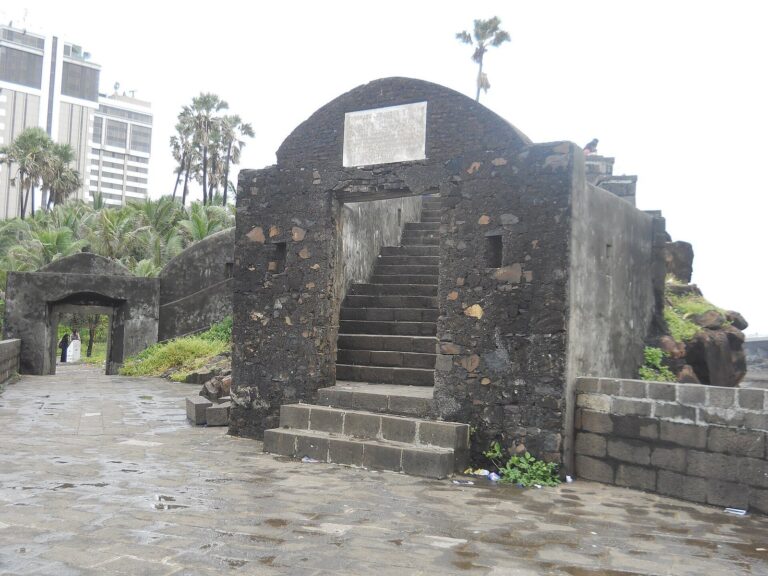
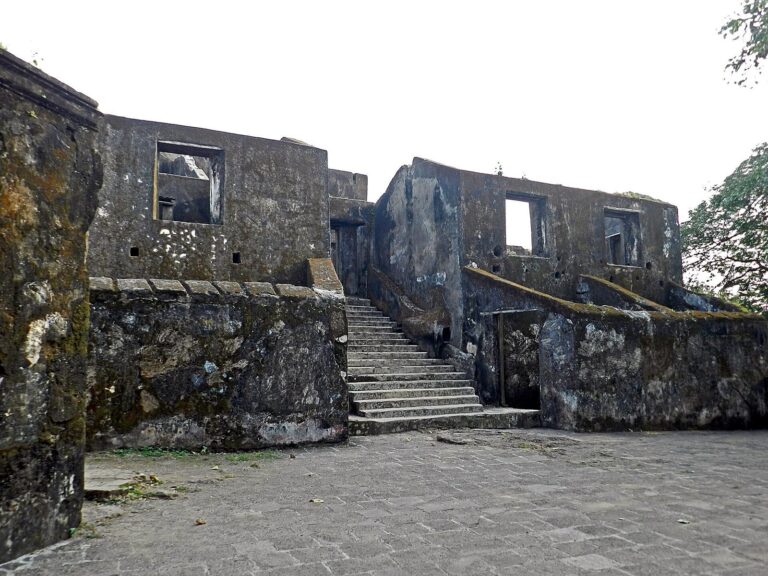
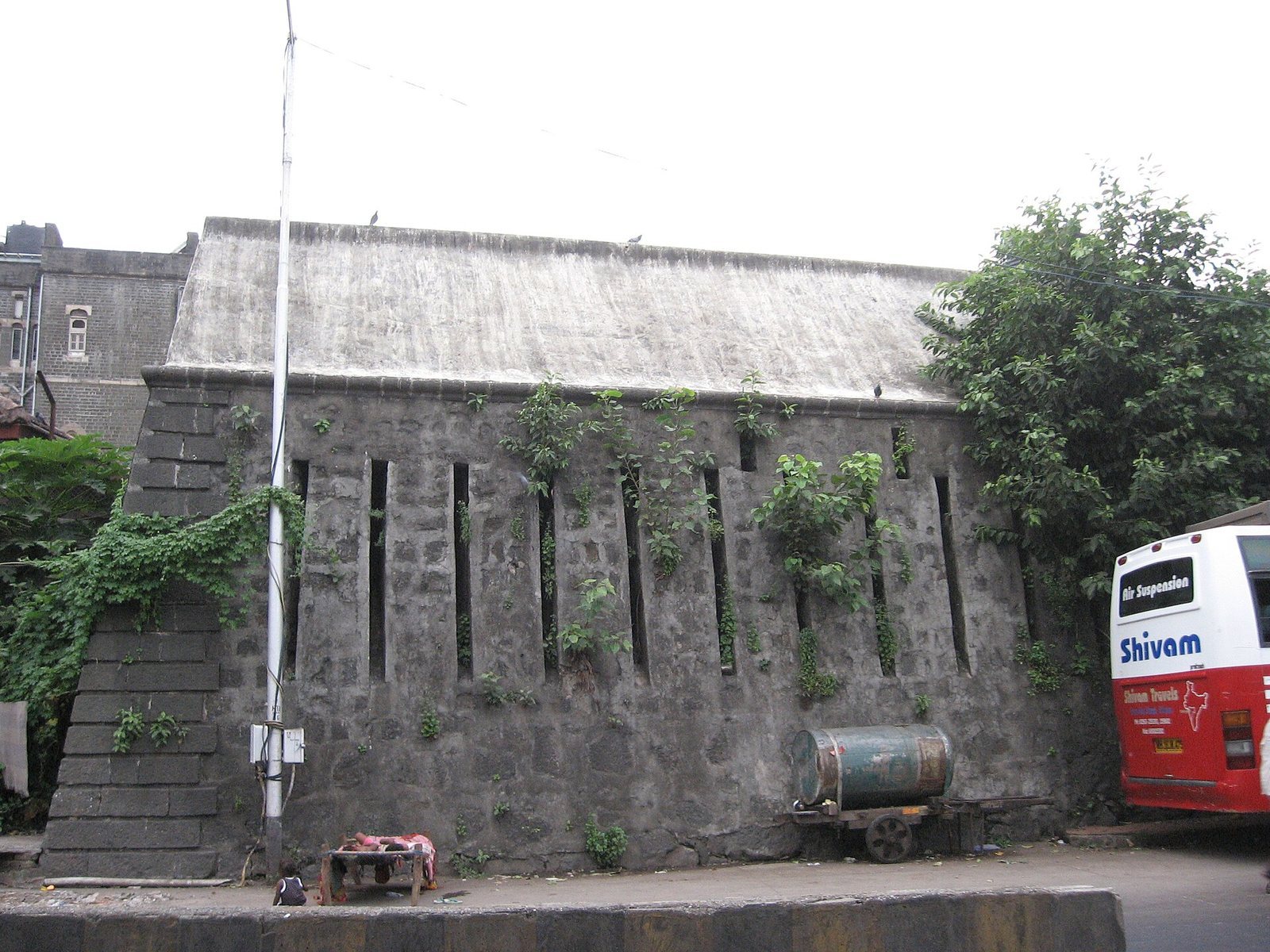
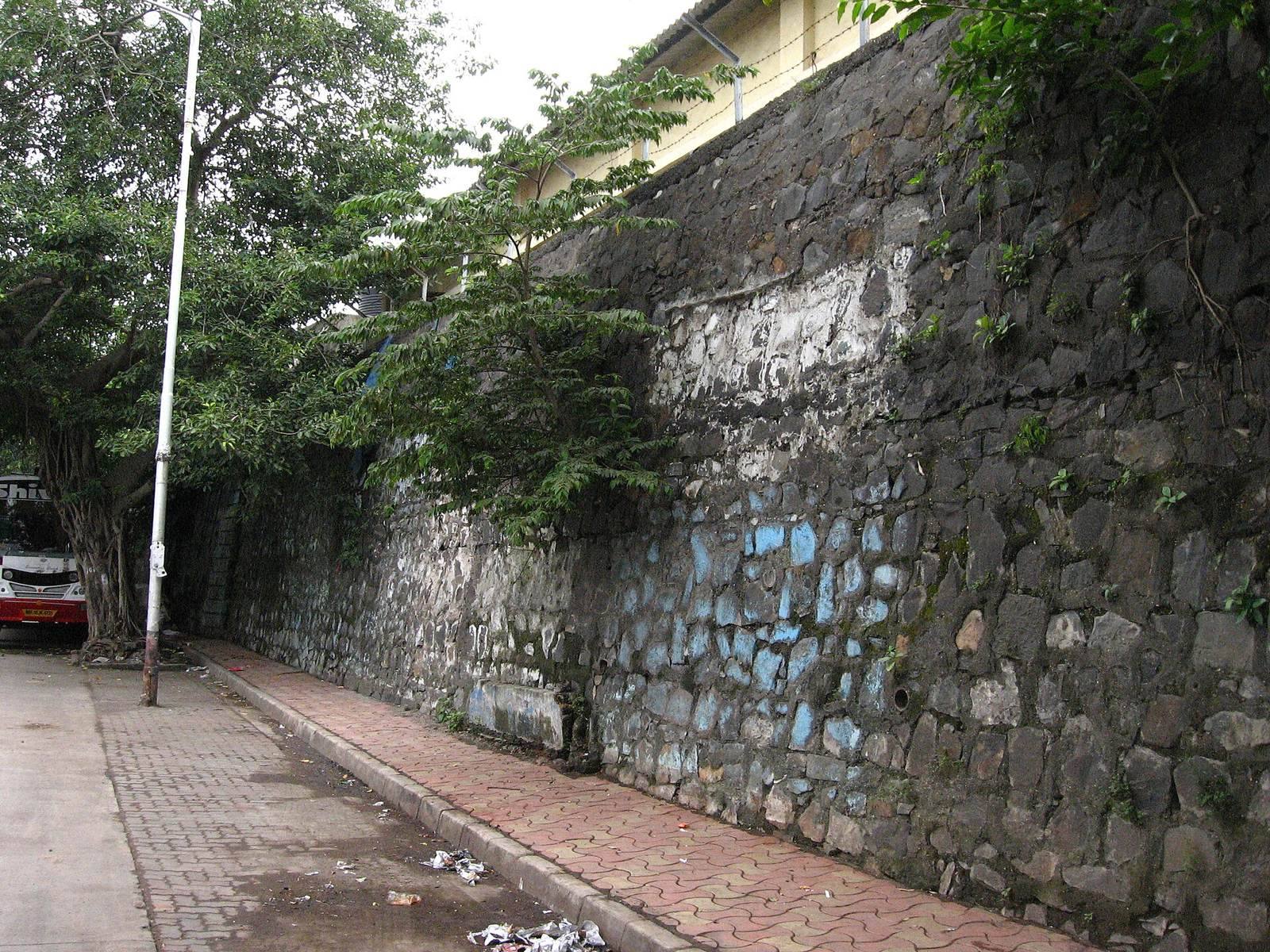
Fort George formed part of Bombay’s fortified walls. Its surviving remains include the north bastion and a fragment of wall near St. George Hospital.
Surviving fortifications
North bastion
The north bastion, a projecting section of a fortification designed to help defend it, is a surviving part of the fort. It is used by the Directorate of Archaeology and Museums, Maharashtra State.
Wall remnant
A fragment of Fort George’s wall remains near St. George Hospital.