Fort Augustaborg: A Danish Trading Fort at Teshie
Site at a Glance
- Popularity
- Medium
- Country
- Ghana
- Primary era
- Early Modern
- Eras represented
- Early Modern
- Civilizations
- Danish
- Site type
- Military
- Remains
- Fort
On this page5 sections
History
Fort Augustaborg was a Danish trading fort built at Teshie in present-day Ghana, with construction beginning in 1787. It guarded a trading post on the Gold Coast, the historical name for the area now known as Ghana, and was intended to deter Dutch attempts to reclaim the area.
Early trading posts and shifting control
A Danish trading post may have existed at Teshie as early as 1593. In 1656, during the Second Northern War, a conflict between Denmark and Sweden, Denmark revived its presence there and established a permanent trading lodge. Heinrich Carloff, a former Swedish agent with extensive experience and contacts on the Gold Coast, helped advance the Danish effort to gain a foothold and reduce Sweden’s influence.
Danish officials appear to have left Teshie after English conquests in 1664 or during subsequent fighting between England and the Dutch, followed by Dutch reconquests. The settlement was later identified as Dutch. In 1782, during the Fourth Anglo-Dutch War between Britain and the Dutch Republic, Dutch commanders at Tema, Ponny, and Teshie withdrew to Fort Christiansborg after the British capture of Crèvecoeur, leaving their crews behind.
Construction and Danish rule
Although Denmark was not involved in the war, governor Jens Adolf Kjöge used the Dutch withdrawal to extend Danish control. He offered gifts and promised benefits to local chiefs in return for replacing Dutch flags with Danish ones and accepting the Danish king’s authority. Danish forces took over the three posts, which Kjöge then ordered destroyed. Construction of Fort Augustaborg at Teshie began in 1787 to protect the local trading post and guard against a Dutch return.
The fort also served as a post in the Atlantic slave trade. Denmark passed the first European law abolishing that trade in 1792, though the ban did not take effect until 1803. The fort’s name honored Princess Louise Augusta, daughter of King Christian VII of Denmark; it was also known as Fort Teshie.
Transfer to Britain and Ghana
Denmark decided in 1849 to give up its African possessions and sold its forts on the Guinea coast to Britain for £10,000. Fort Augustaborg passed to British control in 1850. The last Danish flag on the Gold Coast was lowered on 30 March that year. Britain retained the fort until Ghana became independent in 1957, after which it passed to the Ghanaian administration. In 1979, Fort Augustaborg was included in UNESCO’s World Heritage listing of Ghana’s coastal forts and castles, alongside 32 others.
Remains
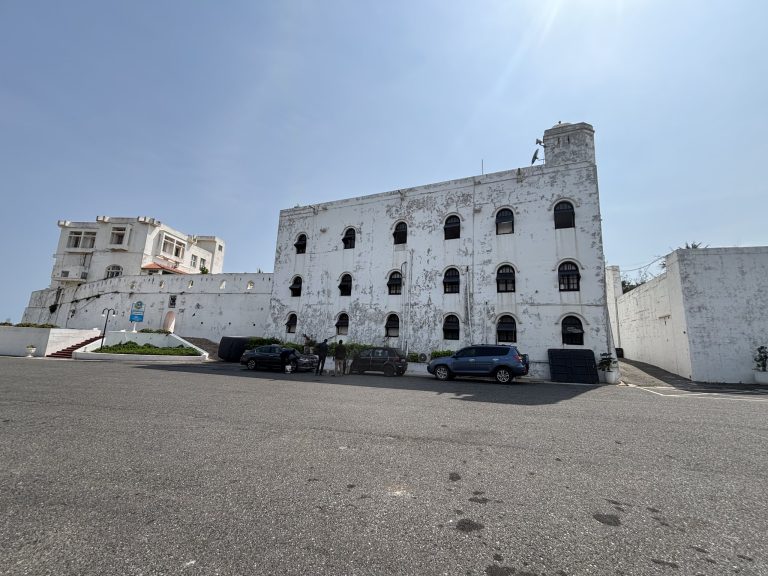
Fort Augustaborg had a small, square plan with four bastions, projecting parts of the fortification used as gun positions, one at each corner. It was smaller than Danish forts of a similar general design, including Fort Kongensteen and Fort Prinzenstein.
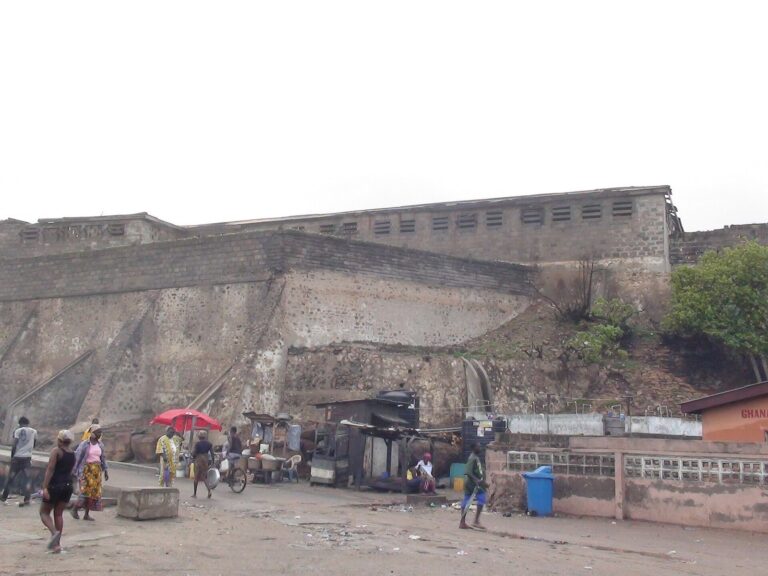
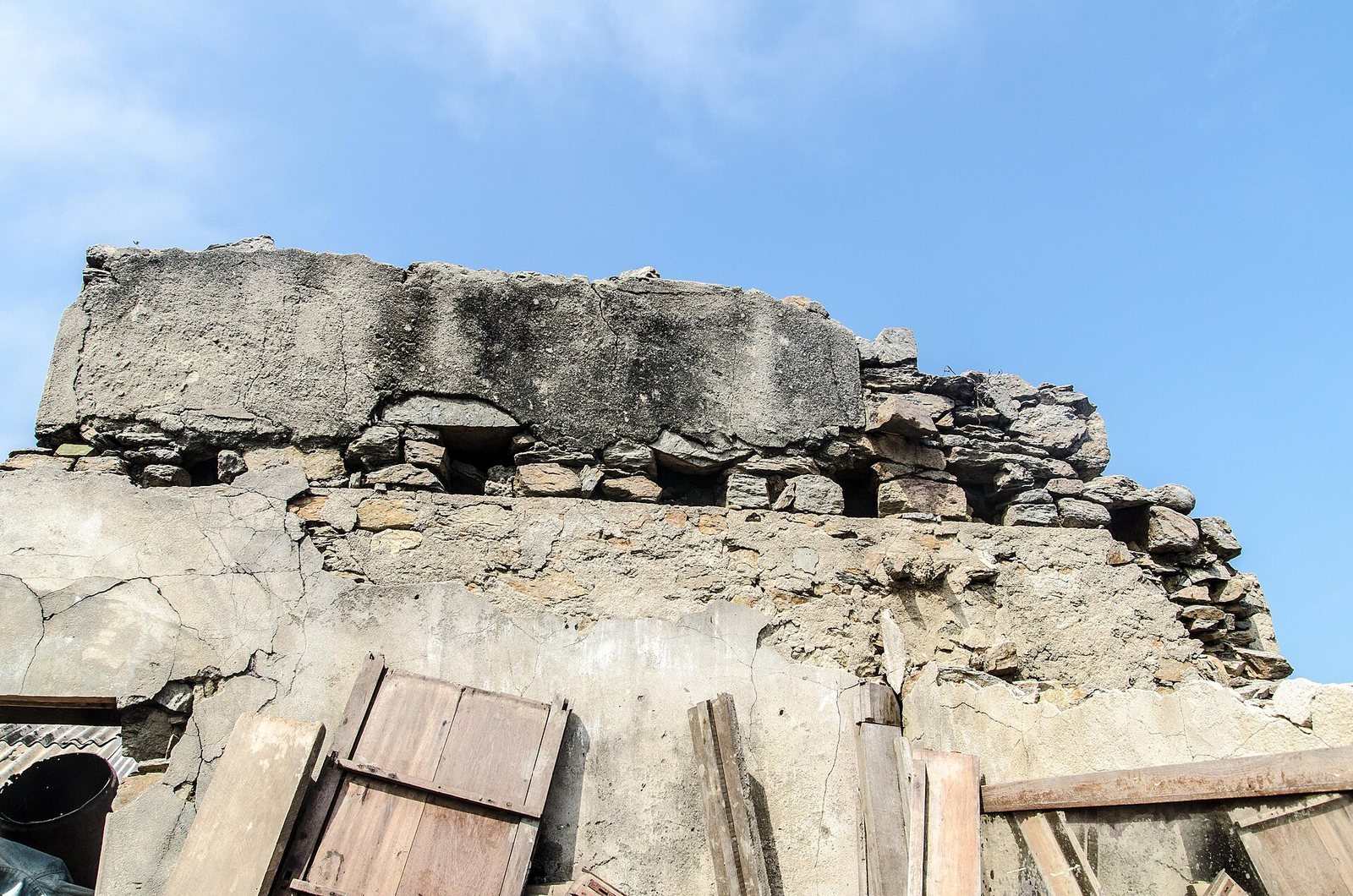
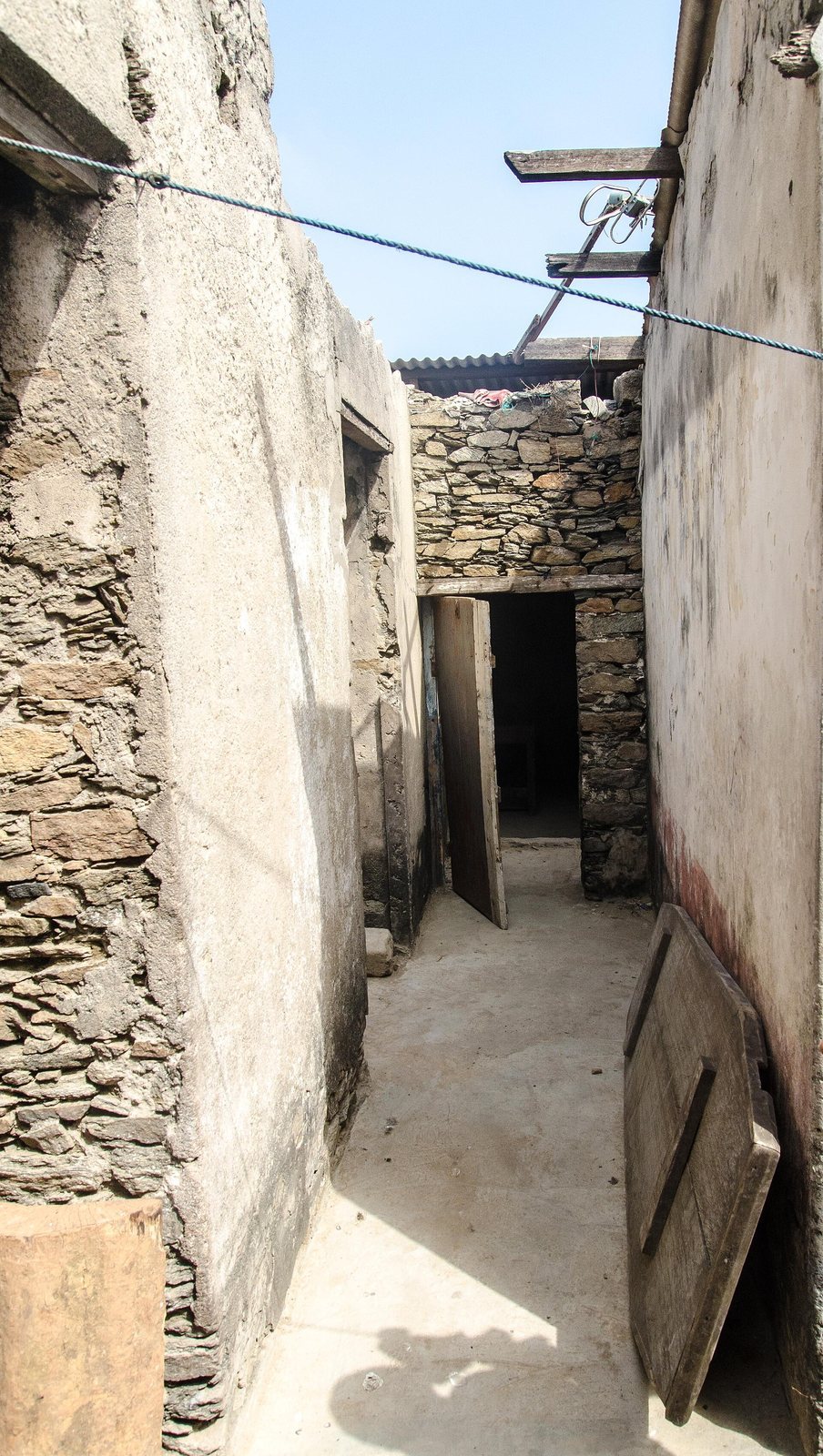
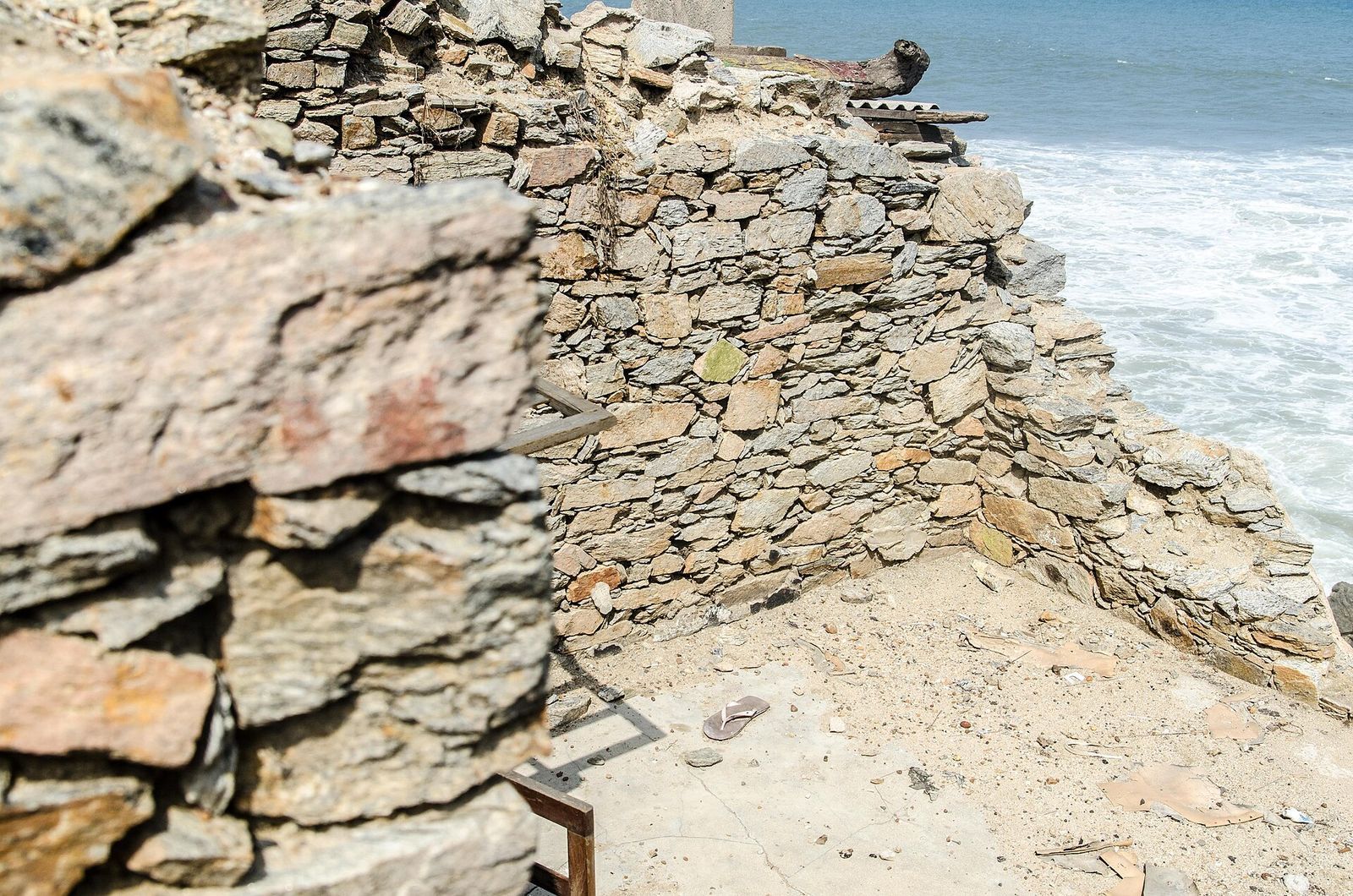
Ruins of the fort were noted in the 1890s. Ruins and a wall were also identified in 2016.