Fort along the Zouw: A Carolingian Fort in Belgium
Site at a Glance
- Rating
- 4.6
- Popularity
- Very Low
- Country
- Belgium
- Primary era
- Medieval
- External website
- Open
- Eras represented
- Medieval
- Civilizations
- Carolingian
- Site type
- Military
- Remains
- Fort
On this page4 sections
History
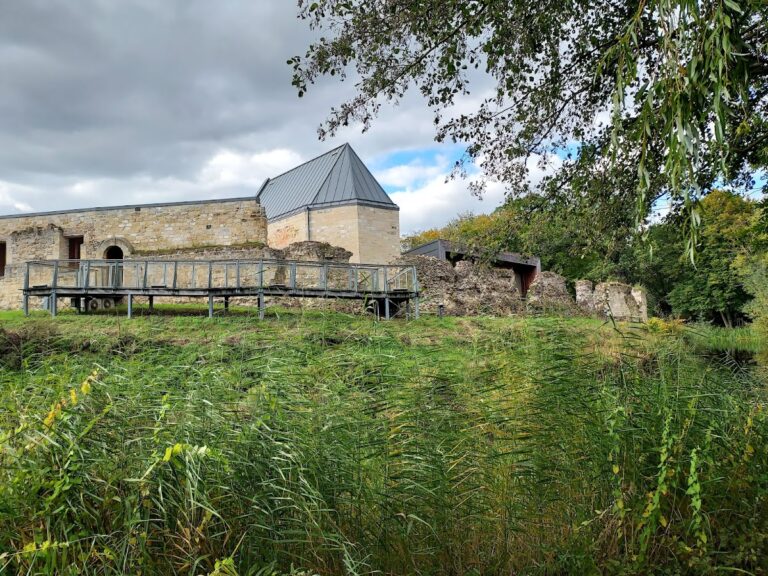
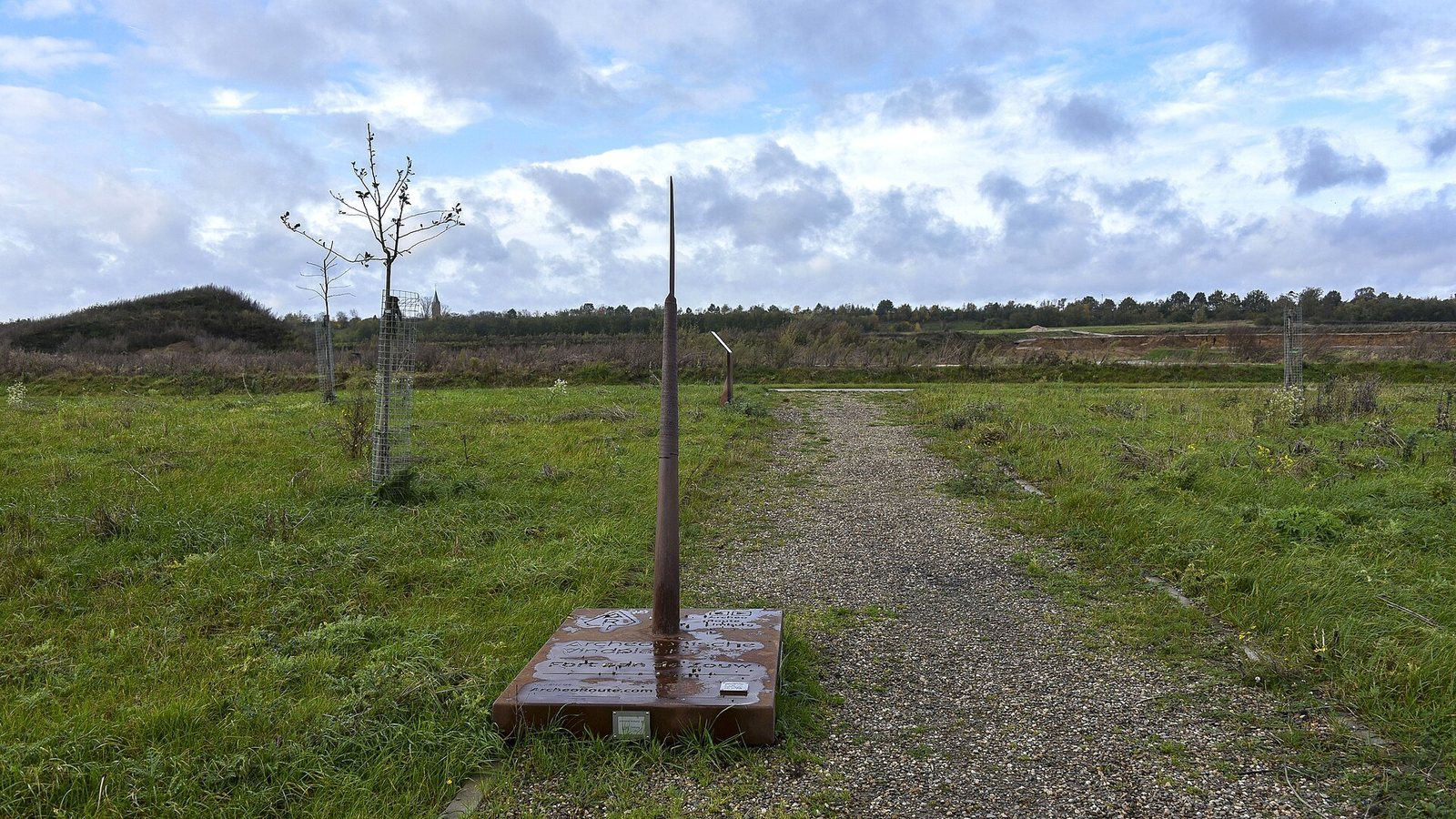
Fort along the Zouw is an archaeological site in Belgium, near Lanaken, containing the remains of a Carolingian fort built in a Roman style between the late seventh and early tenth centuries. The Carolingian period was the era of the Frankish ruling dynasty associated with Charlemagne and his predecessors and successors. The stronghold, described as a castrum or castellum, terms for a fortified enclosure derived from Roman usage, probably belonged to the period of Charles Martel, an early eighth-century Frankish political and military leader and the grandfather of Charlemagne. It stood along an access route towards the Meuse and early medieval Maastricht.
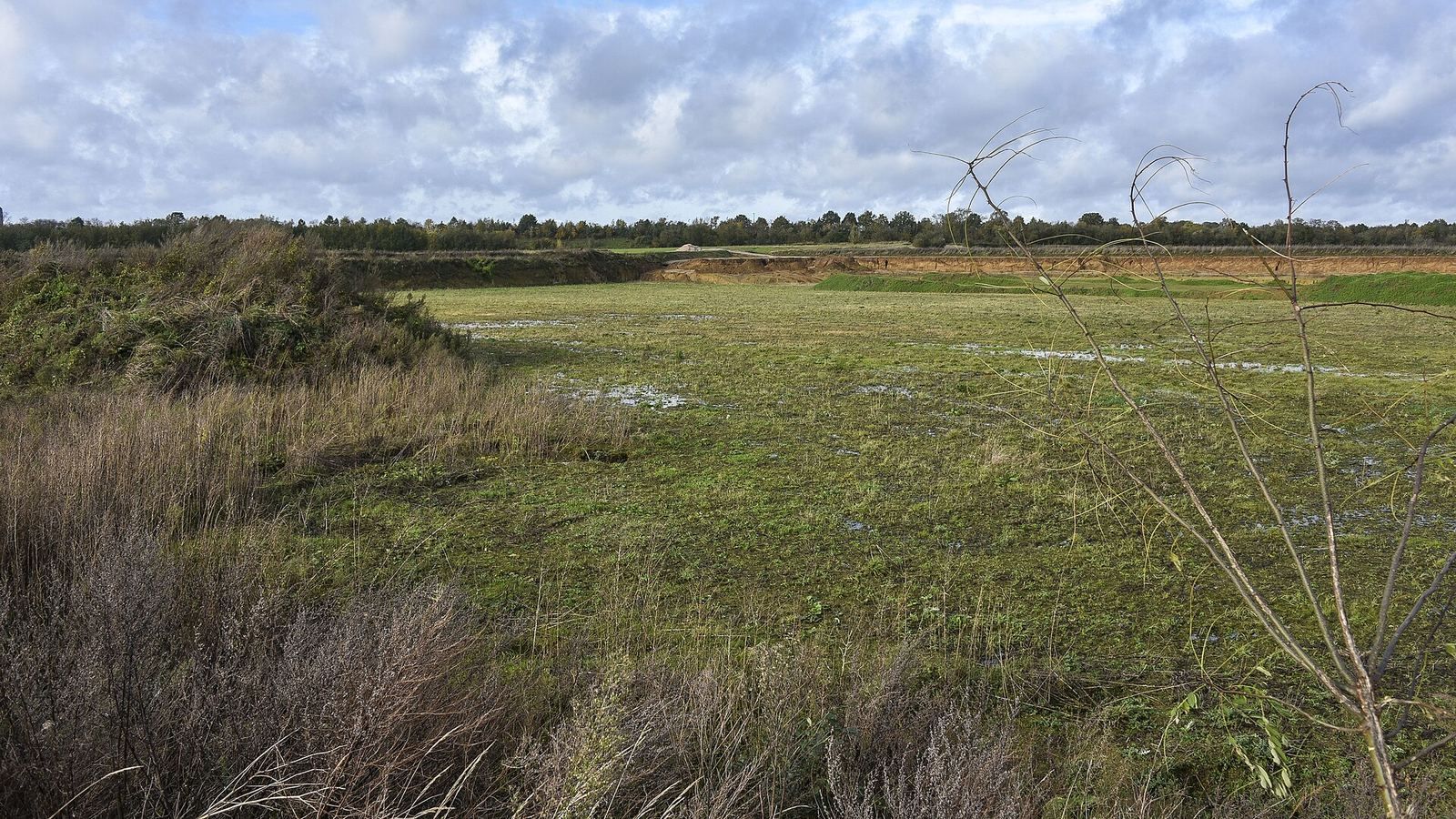
The fort was discovered in 2017 during archaeological work connected with clay extraction in the Zouw Valley between Veldwezelt and Maastricht. Radiocarbon dating of organic material, together with pottery, places the site between the late seventh and early tenth centuries. It is the first known discovery of this type of fort in Belgium, and its size raises the possibility that the remains extend into the Netherlands. In 2023, the fort and its finds received provisional classification as an official archaeological site from the Onroerend Erfgoed heritage agency, placing them under protection.
Remains
Ramparts and gatehouse
The surviving fortification includes a side of the rampart oriented from northeast to southwest. Together with a double ditch, this stretch measures 155 metres. Archaeological investigation also uncovered traces of an associated gatehouse, linking the defensive boundary with an entrance structure within the fort.
Archaeological finds
Excavated material from Fort along the Zouw includes animal bones, plant remains, and pottery. These finds accompany the radiocarbon evidence in placing the fort within the late seventh- to early tenth-century period.