Fontanaccia Dolmen: A Megalithic Chamber in Sartène, France
Site at a Glance
- Popularity
- Low
- Country
- France
- Primary era
- Unclassified
- Eras represented
- Unclassified
- Civilizations
- Unclassified
- Site type
- Burial
- Remains
- Tomb
On this page6 sections
History
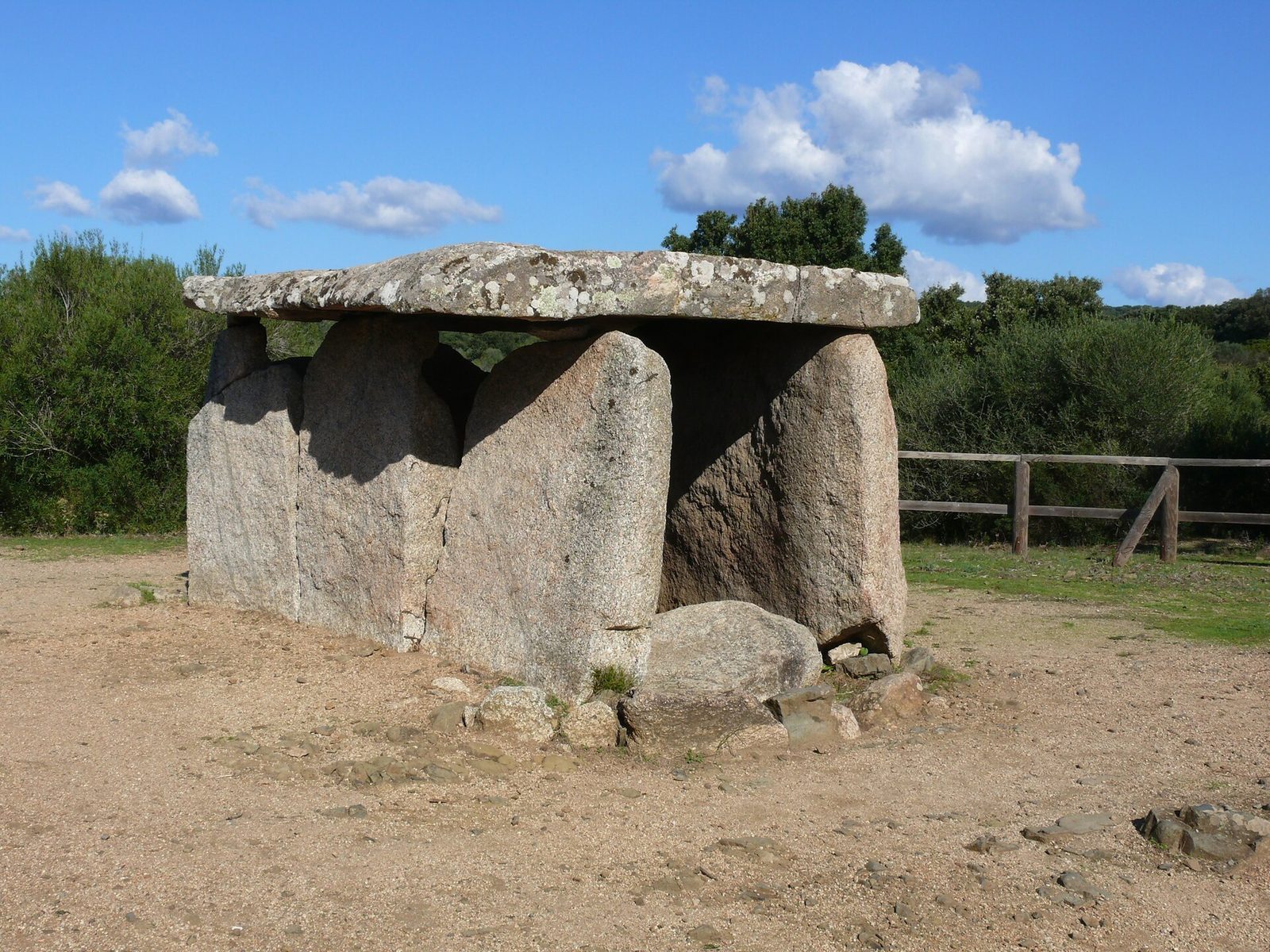
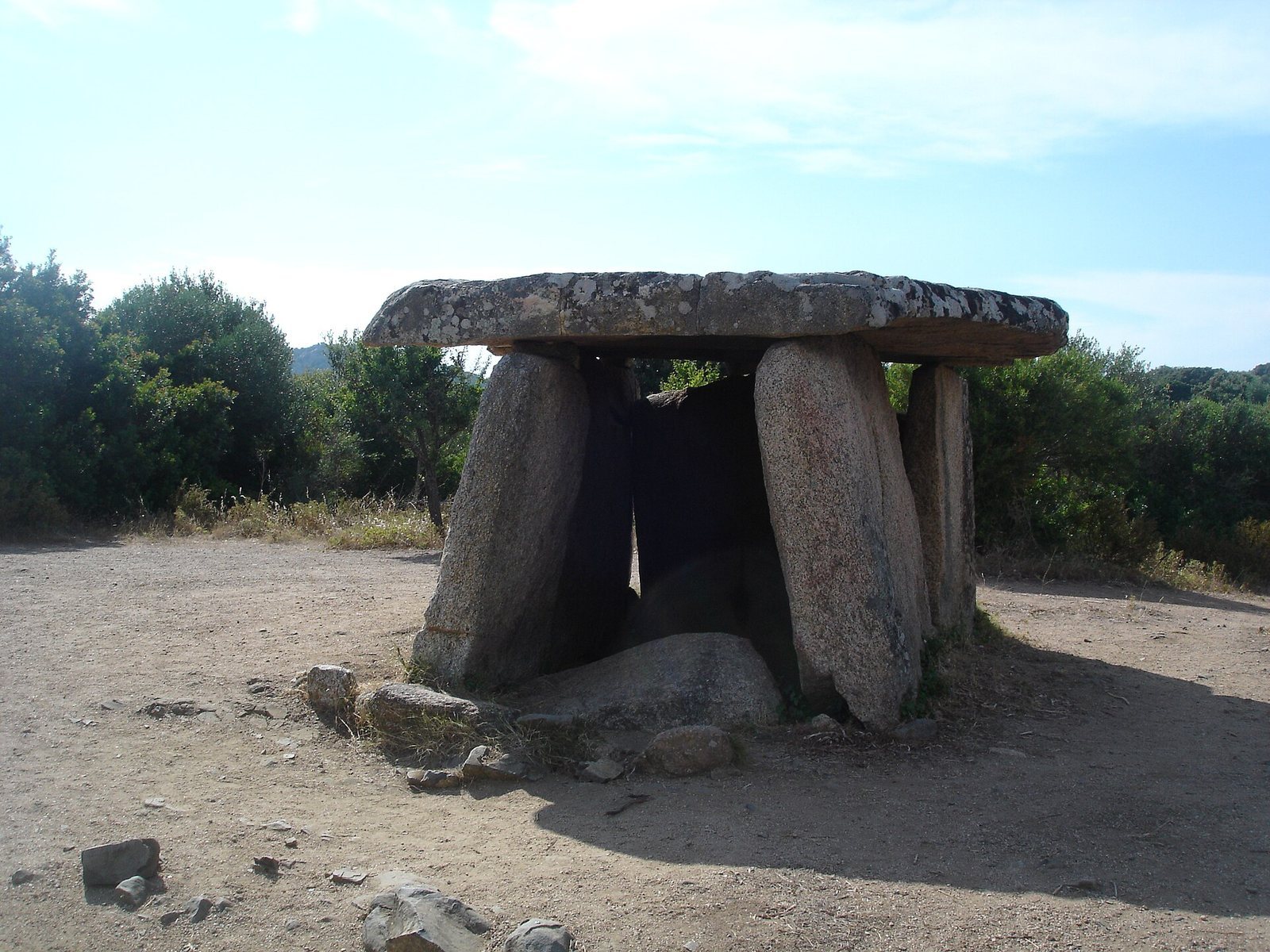
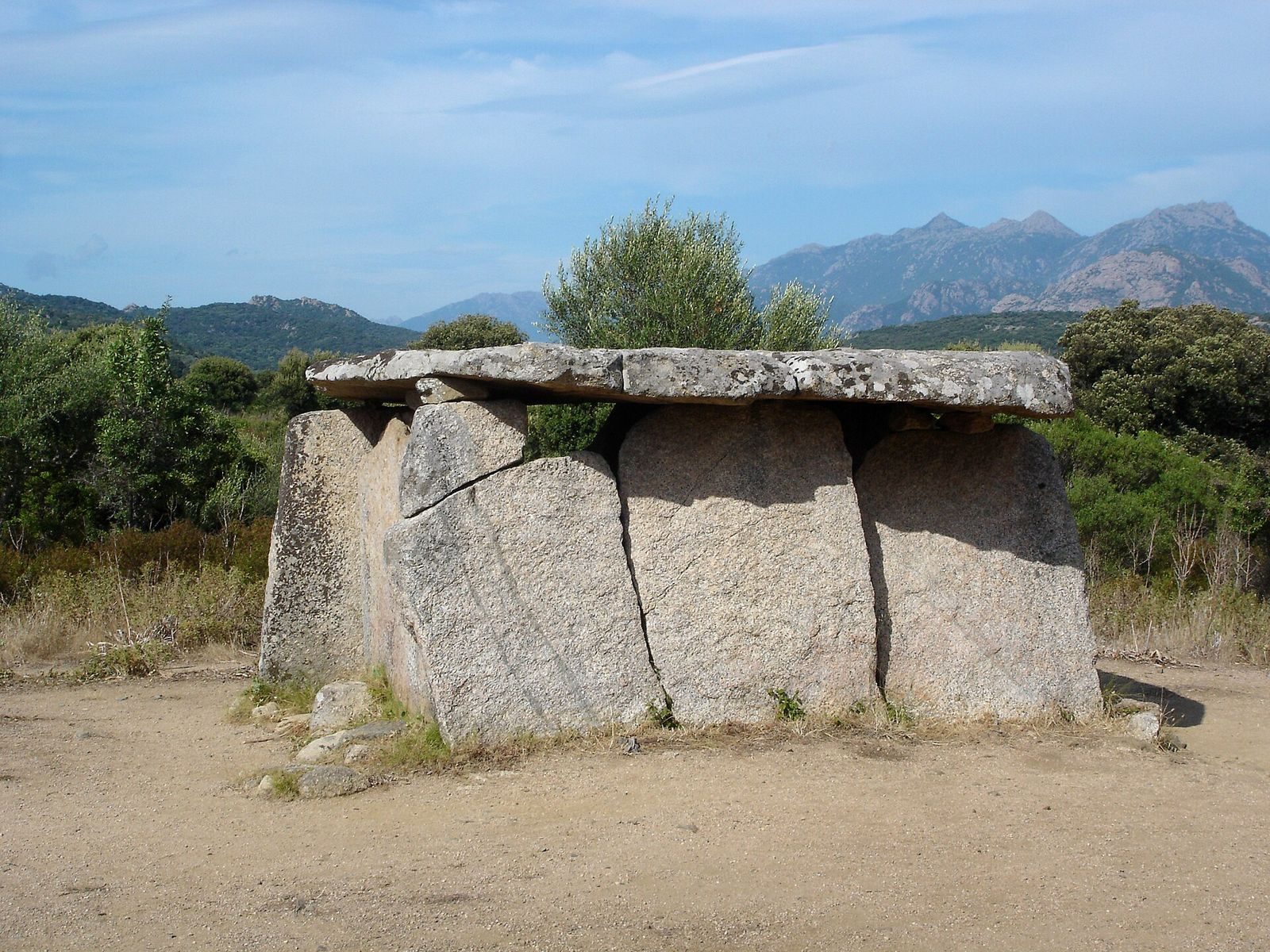
The Fontanaccia dolmen, a megalithic chamber made from upright stones supporting a large capstone, stands in the Cauria archaeological area of southern Sartène, France. Dolmens are commonly interpreted as tombs. The monument is also known as the Devil’s Forge.
Nineteenth-century descriptions and protection
By Prosper Mérimée’s visit in 1839, the chamber had been looted. Mérimée identified the structure as a dolmen, drew it, took measurements, and described it to the Paris Commission for Historic Monuments. He published an account in 1840.
Adrien de Mortillet visited in 1883 as part of a mission for a committee concerned with megalithic monuments. He described the dolmen as Corsica’s most beautiful and best-preserved example. His detailed descriptions, drawings, measurements, and photographs were used repeatedly in later accounts. The monument has been classified as a historic monument since 1889.
Later investigation and interpretation
In 1964, archaeologist Roger Grosjean cleared dense scrub from the dolmen during excavations at nearby I Stantari. Excavations at Fontanaccia in 2012–2013 added further observations. Adalbert von Keyserlingk examined the monument’s orientation and proposed a connection with a solstice alignment.
Remains
The chamber
The chamber has a trapezoidal plan and is built from seven shaped granite slabs supporting a capstone. It measures about 2.6 m long, 1.8 m wide at the rear and 1.35 m at the entrance, with a maximum height of 1.7 m. Mérimée recorded measurements of 3.15 by 2.05 m and a height of 1.65 m. Three side slabs have cracked over time. In de Mortillet’s counterclockwise labeling, slabs E, F, and G were formed from one larger slab. The capstone measures about 3.4 by 2.9 m and weighs more than three tonnes; Mérimée measured it as 3.5 by 2.3 m. Dolerite, a type of igneous rock, was used for packing blocks beneath the granite supports. The monument’s total weight is estimated at more than 15 tonnes.
Setting and nearby stone arrangements
The dolmen stands on a low rise north of Punta Cauria. The standing-stone arrangements at I Stantari lie about 300 m to the northeast, while those at Rinaghju are about 400 m to the southeast.