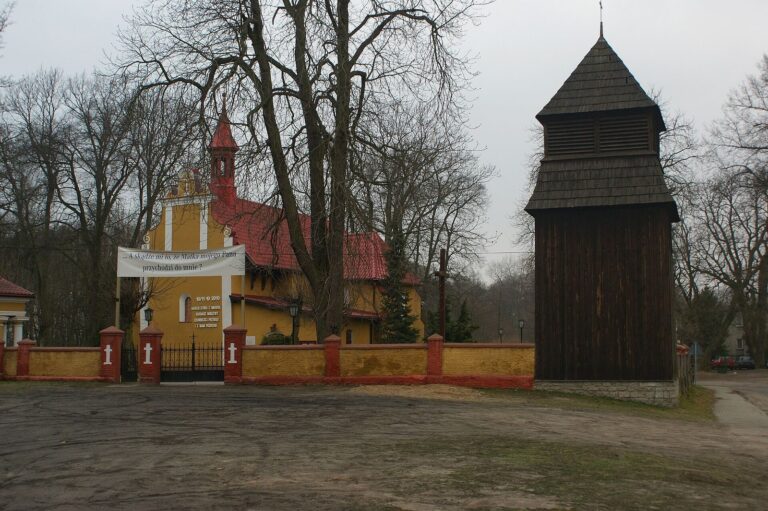
Exaltation of the Holy Cross Church in Wysocko Wielkie, Poland: A Late Gothic Parish Church
Site at a Glance
- Popularity
- Very Low
- Country
- Poland
- Primary era
- Early Modern
- Eras represented
- Early Modern
- Civilizations
- Polish–Lithuanian Commonwealth
- Site type
- Religious
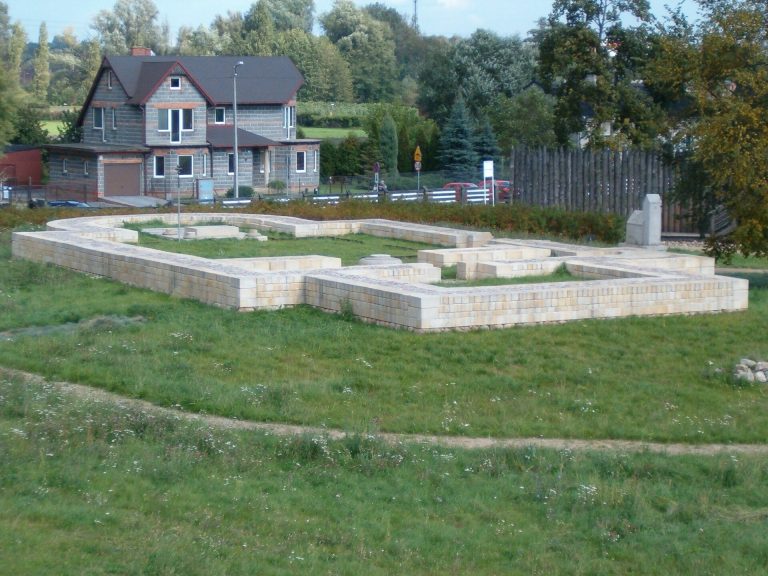
- Remains
- Church
On this page7 sections
History
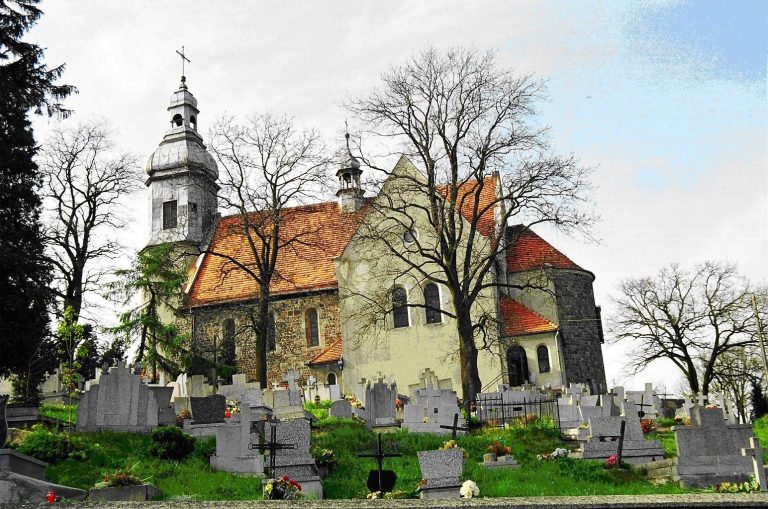
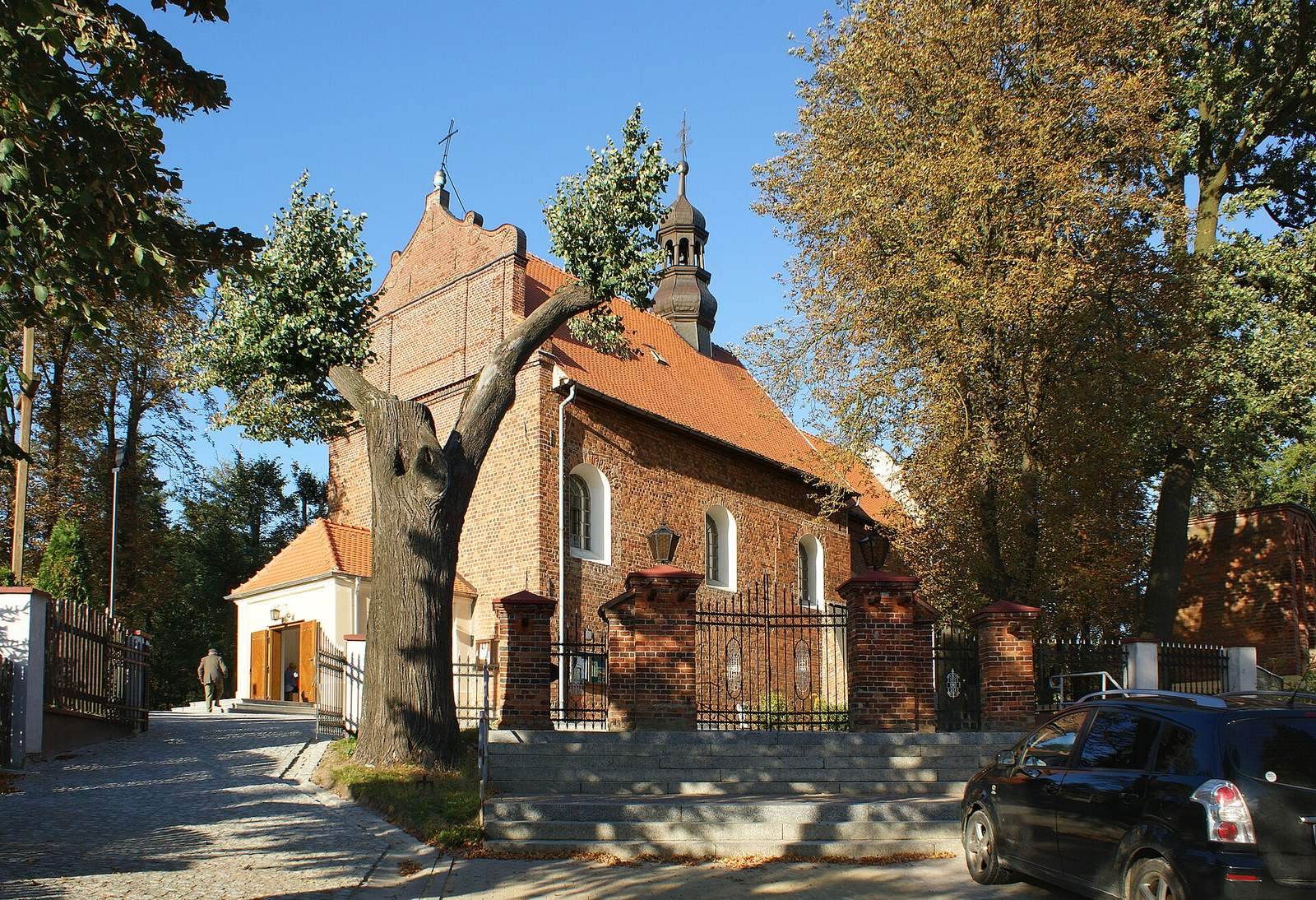
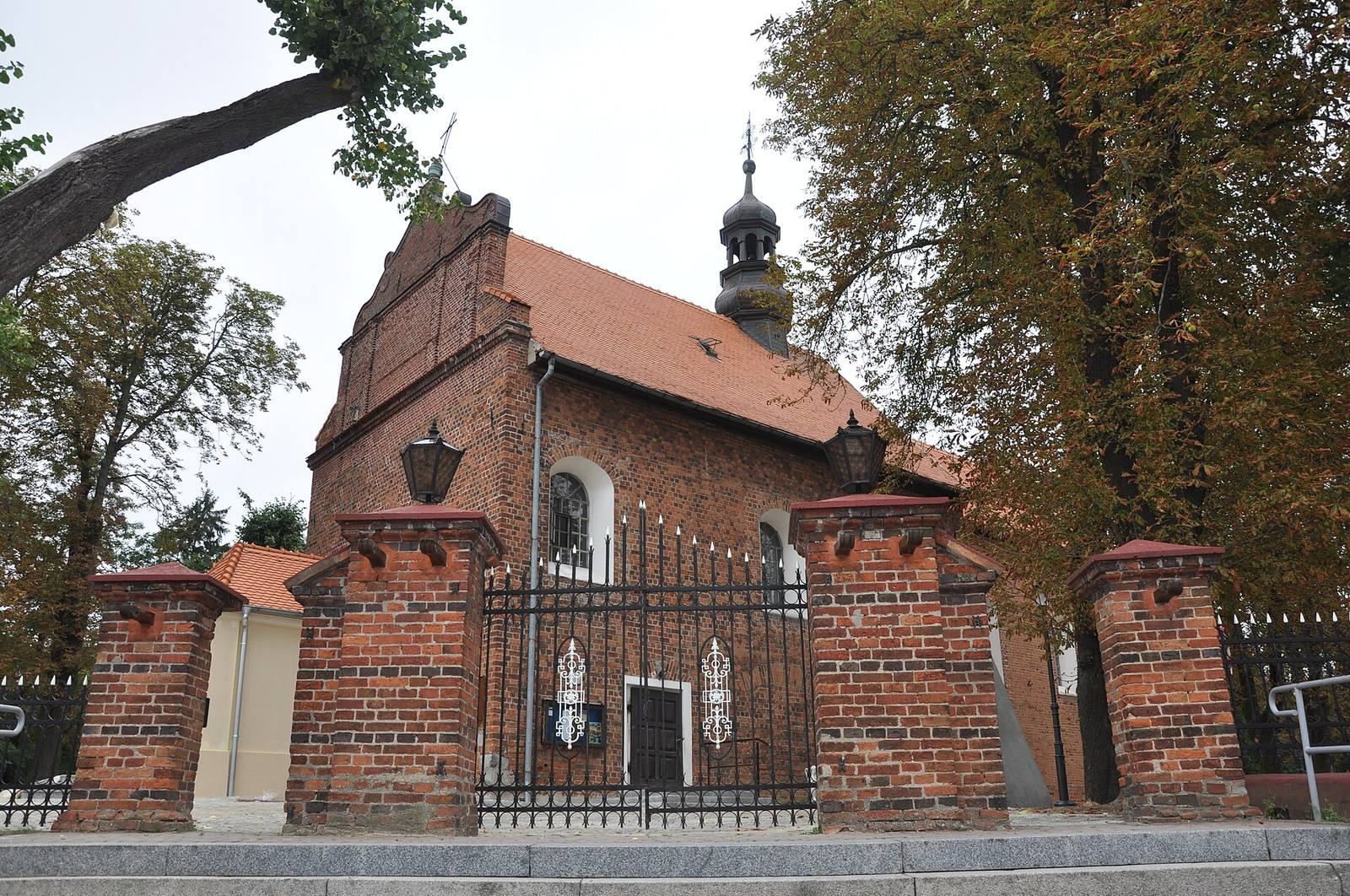
The Exaltation of the Holy Cross church in Wysocko Wielkie, Poland, is a Roman Catholic church built in the 16th century in the late Gothic style, the later phase of Gothic art and architecture. It may originally have been a wooden building. Local tradition places pagan worship on the site before the church was built.
Parish priest Jan Strzębosz carried out the church’s final remodeling before 1684. The building was restored and raised around that year. It serves the Roman Catholic parish of the same dedication, within the Ostrów Wielkopolski I deanery, a grouping of parishes, and the Diocese of Kalisz, a larger jurisdiction led by a bishop. The dedication’s Christian feast, the Exaltation of the Holy Cross, is observed on 14 September.
Remains
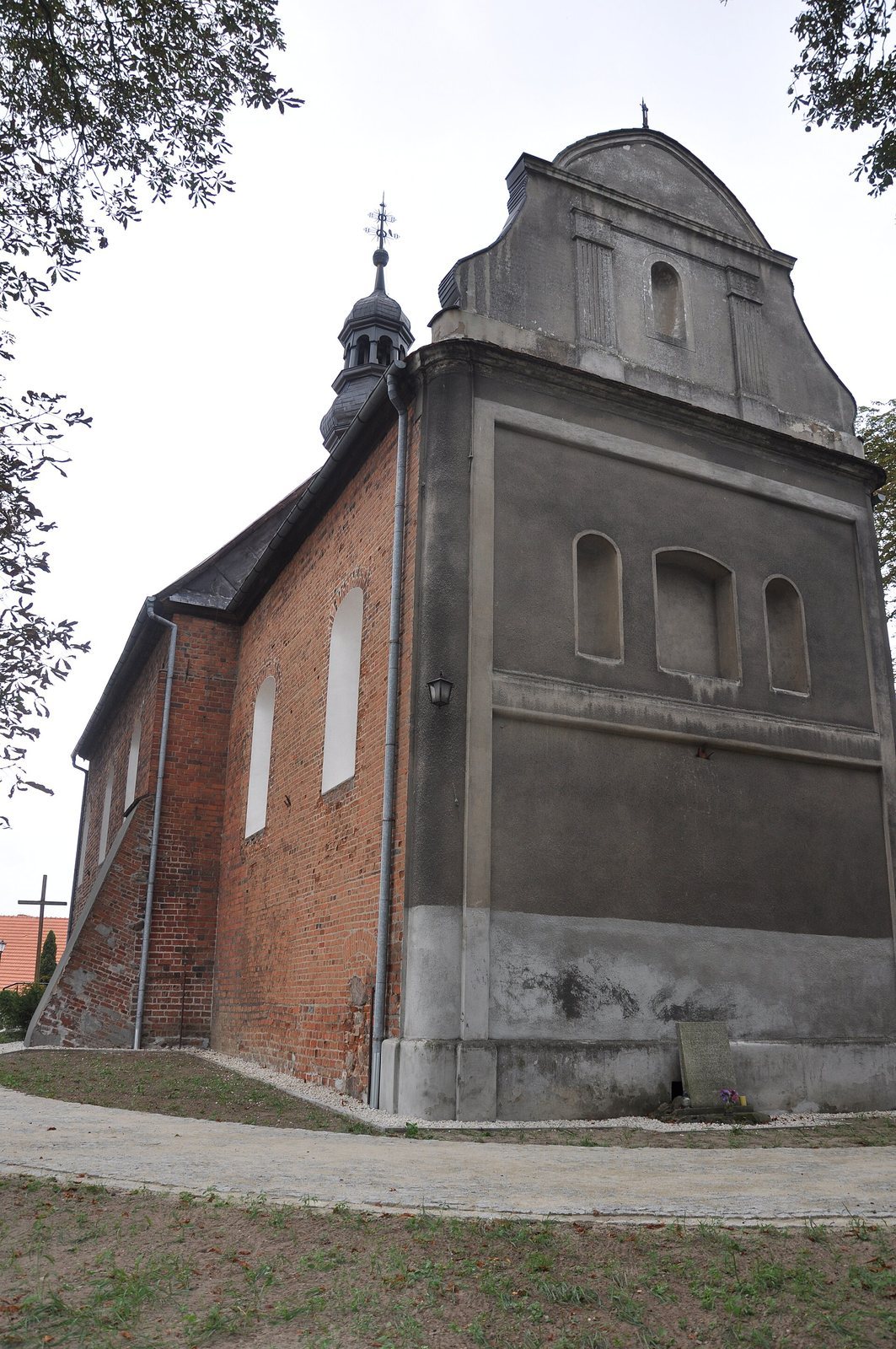
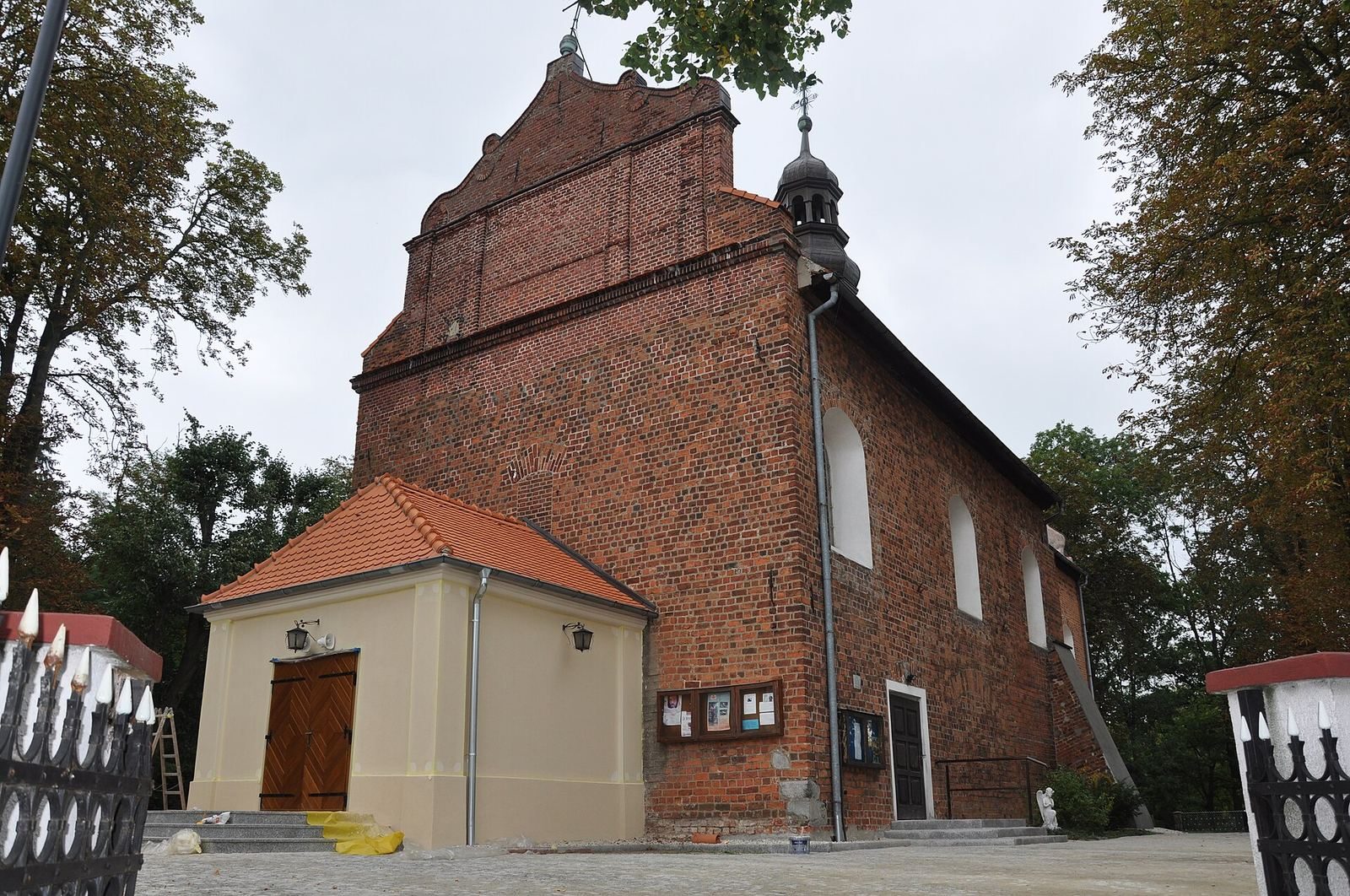
The church stands on a hill and has a single nave with a lower, narrower chancel ending in a straight wall. Its brick walls are laid in Polish bond, a bricklaying pattern, and include fragments of dressed stone. Porches adjoin the nave on the west and south, and a small bell turret is also part of the building.
Interior furnishings
Main altar
The main altar dates from the late 18th century and has gates. A large 17th-century Gothic crucifix occupies its foreground. Beneath it, the Virgin Mary, Jesus’s mother, stands while John the Apostle, one of Jesus’s disciples, kneels. Low wooden partitions that widen the altar carry figures of Joseph of Arimathea, associated in the Gospels with Jesus’s burial, and Mary of Cleopas, named in Gospel accounts of the Crucifixion. Above them, the altar’s upper section contains a painting of Saint Nicholas, an early Christian bishop of Myra, and two angel sculptures from the 17th century.
Side altars
Two side altars, both dating from the late 18th century, are in the late Baroque style, a phase of 18th-century European art and decoration.
Pulpit and baptismal font
The late-18th-century Rococo pulpit, in an 18th-century decorative style, was carved from a single oak trunk. A front panel of the same type is associated with the late-Baroque baptismal font.
Chancel paintings
Count Stanisław Szembek, whose title was a European noble rank, made the paintings in the chancel.