Eskihisar Castle: A Byzantine Fortress Guarding the Gulf of İzmit
Site at a Glance
- Rating
- 4.3
- Popularity
- High
- Country
- Turkey
- Primary era
- Medieval
- Eras represented
- Medieval
- Civilizations
- Byzantine
- Site type
- Military
- Remains
- Castle
On this page6 sections
History
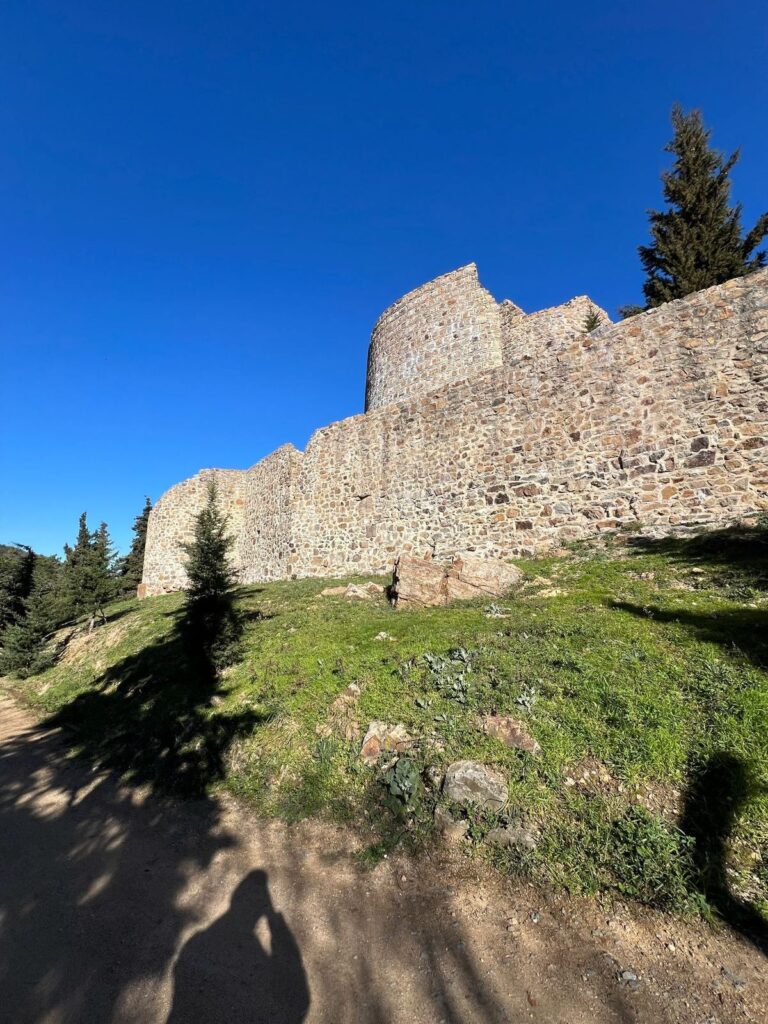
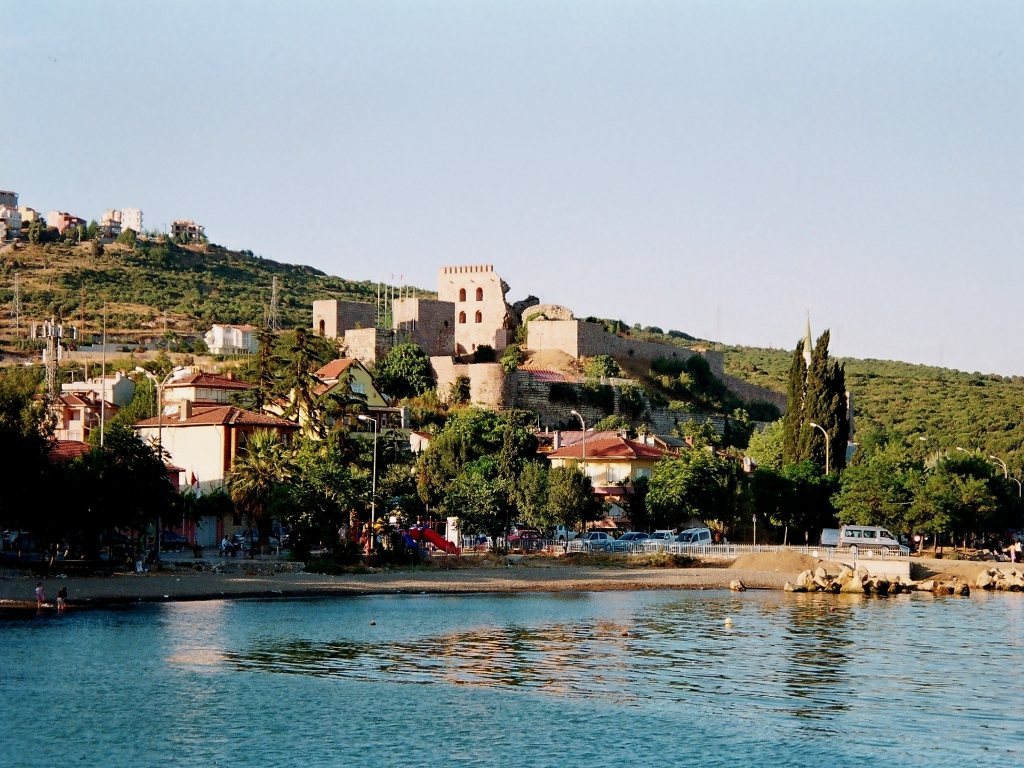
Eskihisar Castle is a Byzantine fortress on a steep hill northeast of Eskihisar village, in Gebze, Kocaeli, Turkey. Thought to have been built during the Byzantine Empire, it was intended to control passage along the southern side of the Gulf of İzmit and protect its harbor.
Early references and Nicaean history
The Byzantine historian and official Georgios Akropolite first mentions the castle in 1241. It also appears repeatedly in references to the period when the Latin Empire, a crusader state established after the capture of Constantinople in 1204, controlled the region. John III Doukas Vatatzes, emperor of Nicaea, a Byzantine successor state in western Asia Minor, is credited with conquering the Kocaeli Peninsula and its castles. The castle is also associated with the Battle of Pelekanon, a Byzantine–Ottoman battle fought in 1329.
Fortification phases
The defenses took shape in several stages. The inner walls are attributed to Manuel I Komnenos in the twelfth century. John III Doukas Vatatzes is credited with building the curtain walls, defensive walls linking sections of a fortification, in 1241. Around 1300, during the Palaiologan period, the outer walls and the tower at the southeast corner were added. The Palaiologan dynasty ruled the Byzantine Empire from 1261 to 1453.
Remains
Enclosures and towers
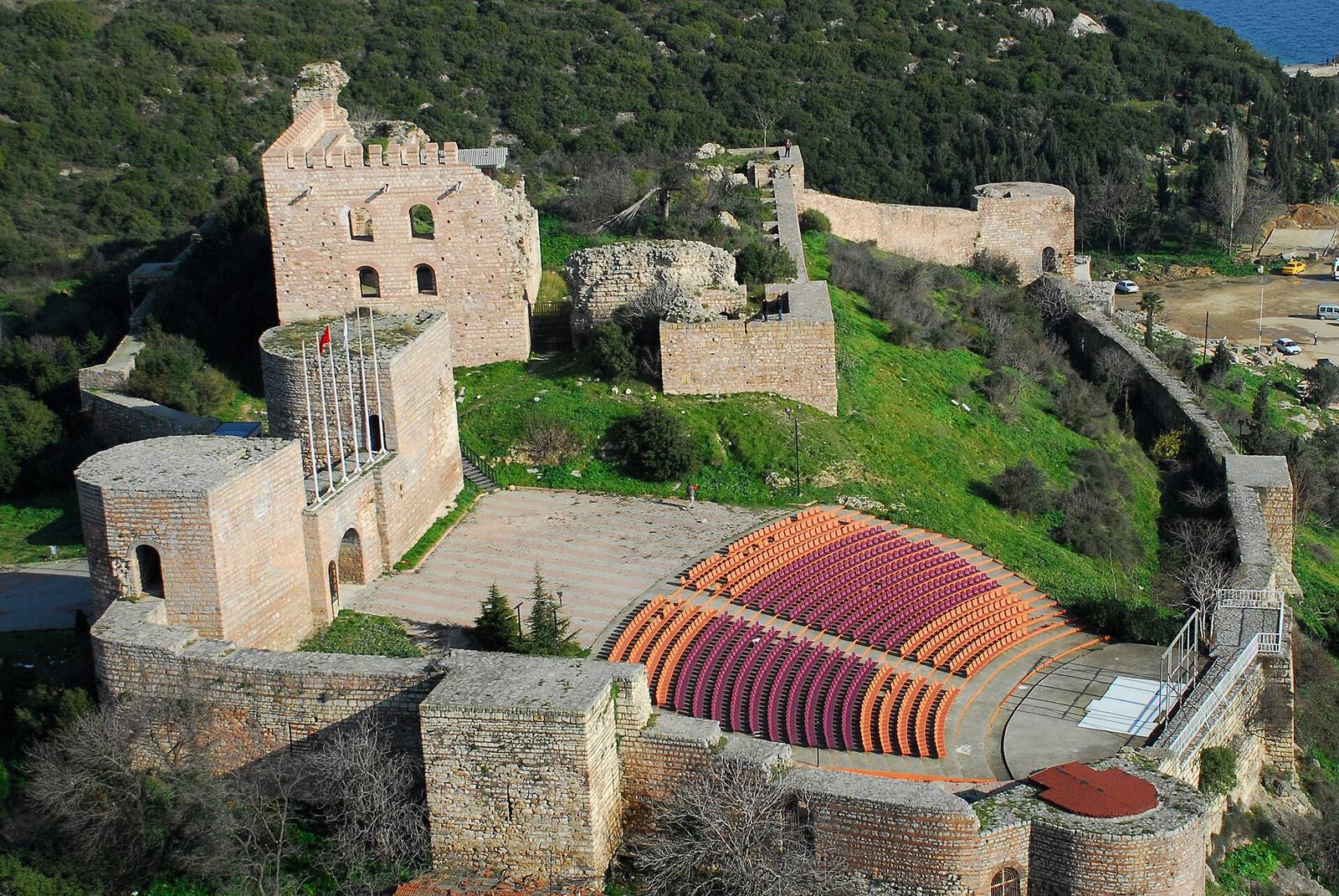
The castle has a rectangular plan divided into inner and outer enclosures, with walls built from brick and stone. Four semicircular and six rectangular towers reinforce the defenses. The main entrance is positioned between two towers, while six further gates are divided between the courtyards, three in each.
Walls and masonry
The walls are 1.50 to 1.60 metres thick. In the inner walls, courses of roughly cut stone alternate with brickwork: in some places, a stone course follows every two or three courses of brick, with bricks set vertically and horizontally beside the stone. Elsewhere, bricks surround each stone course. Related masonry appears at Blachernae Palace, a Byzantine imperial palace, and the Edirnekapı walls in Istanbul. By contrast, the outer walls were built of rubble stone without brick, and substantial portions no longer survive.