Ekenäs Church: A Lutheran Church in Raseborg, Finland
Site at a Glance
- Rating
- 4.3
- Popularity
- Medium
- Country
- Finland
- Primary era
- Modern
- Eras represented
- Early Modern, Modern
- Civilizations
- Grand Duchy of Finland, Russian, Swedish
- Site type
- Religious
- Remains
- Church
On this page9 sections
History
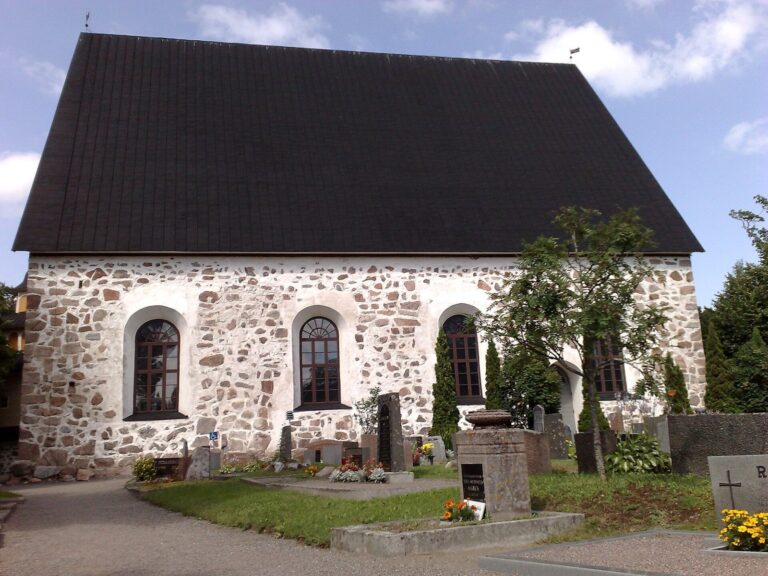
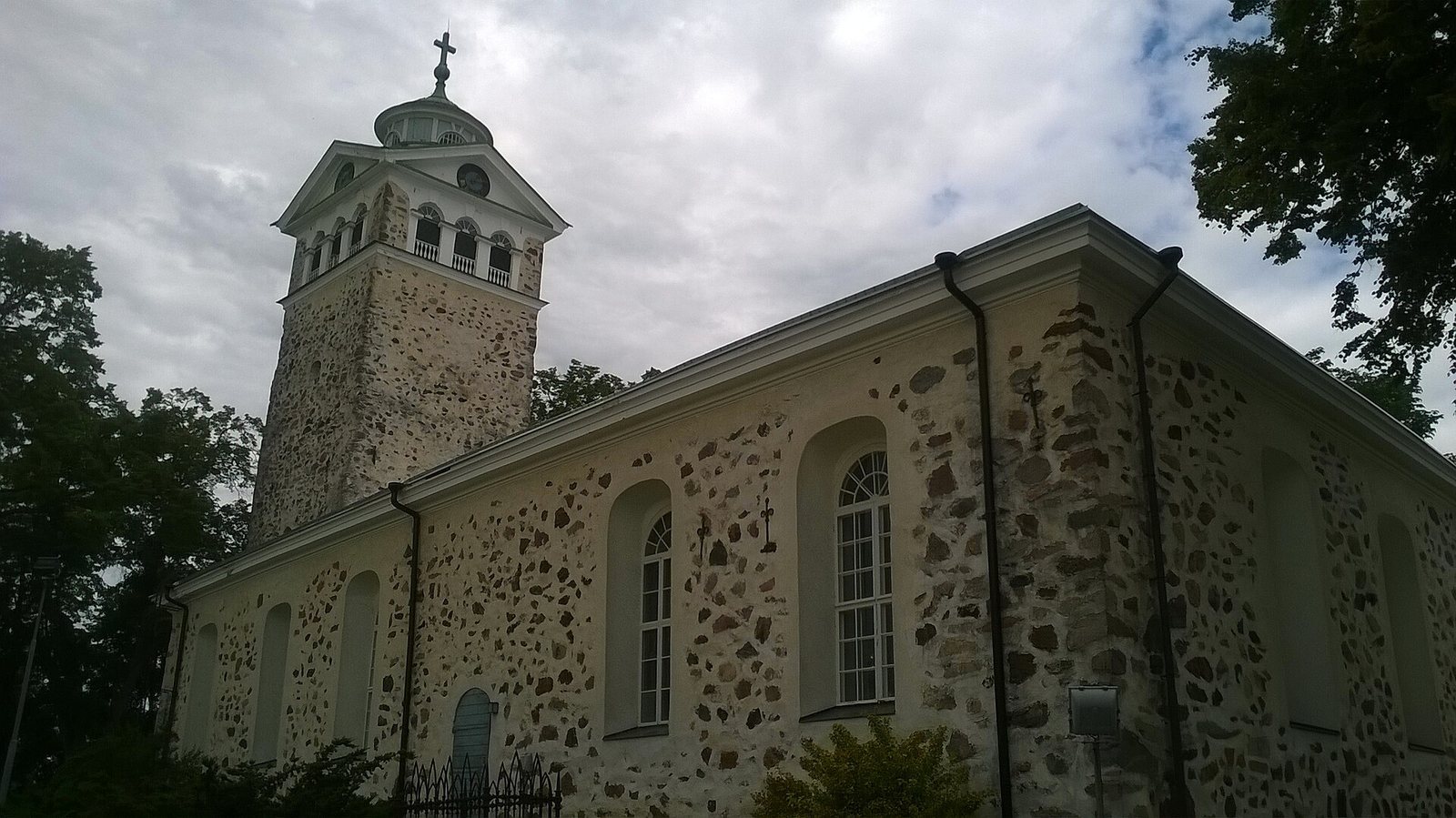
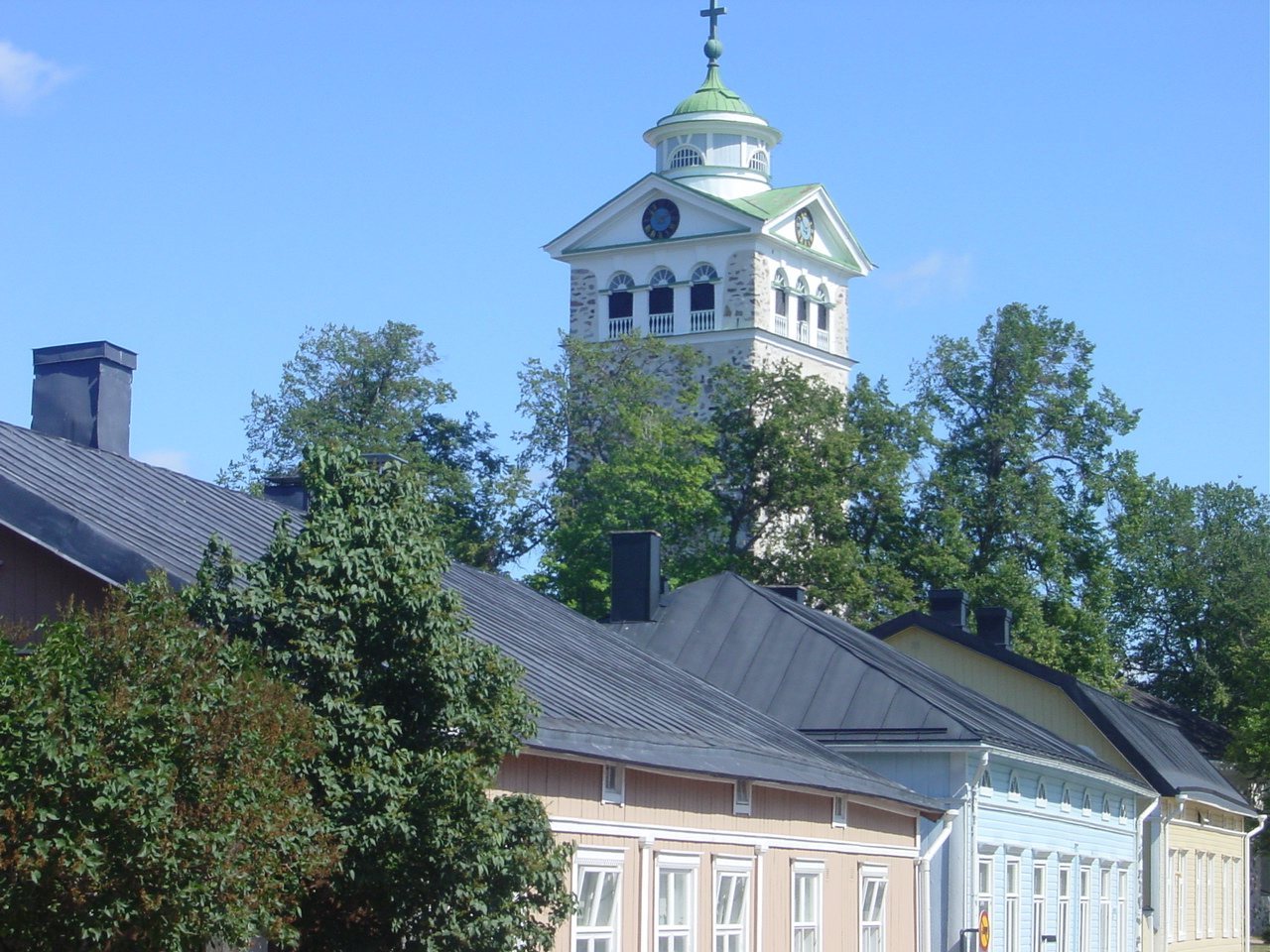
Ekenäs Church is a granite Lutheran church in Ekenäs, in Raseborg, Finland. Its stone building was begun in 1651 and completed in 1680. The original design was Baroque, a style associated with elaborate, dramatic forms; the church’s present character is Neoclassical, drawing on ancient Greek and Roman forms. The church serves Swedish- and Finnish-speaking congregations.
The wooden church and the stone building
After King Gustav Vasa of Sweden, who ruled from 1523 to 1560, granted Ekenäs town rights in 1546, Axel Stensson Leijonhufvud began a small wooden church there in 1589. His younger brother, Moritz Leijonhufvud, completed it around 1600. Interest in replacing the wooden building with a more durable church grew during the seventeenth century. In 1651, Earl Gustaf Adolf Leijonhufvud, a high-ranking noble of the Swedish Leijonhufvud family, initiated construction of the stone church. He died in 1656 from wounds received in the Thirty Years’ War, a major European conflict fought from 1618 to 1648. In accordance with his will, his son Gustav Mauritz Leijonhufvud carried the work forward. Construction continued into the 1670s, and the church was formally dedicated for worship in the 1660s before its completion in 1680. The old wooden church was demolished in 1690.
Fire, rebuilding and later use
A fire swept through Ekenäs on 14 June 1821 and damaged the church. The rebuilding followed plans by architect Charles Bassi and was completed by Anders Fredrik Granstedt in 1842. The church was restored in 1957–1959 and underwent another major renovation in 1987–1990.
Ekenäs Church is associated with the Swedish-speaking Ekenäsnejdens svenska församling and the Finnish-speaking Raaseporin suomalainen seurakunta. The Swedish-speaking congregation belongs to the Diocese of Borgå, a church administrative district within the Evangelical Lutheran Church of Finland.
Remains
Building and tower
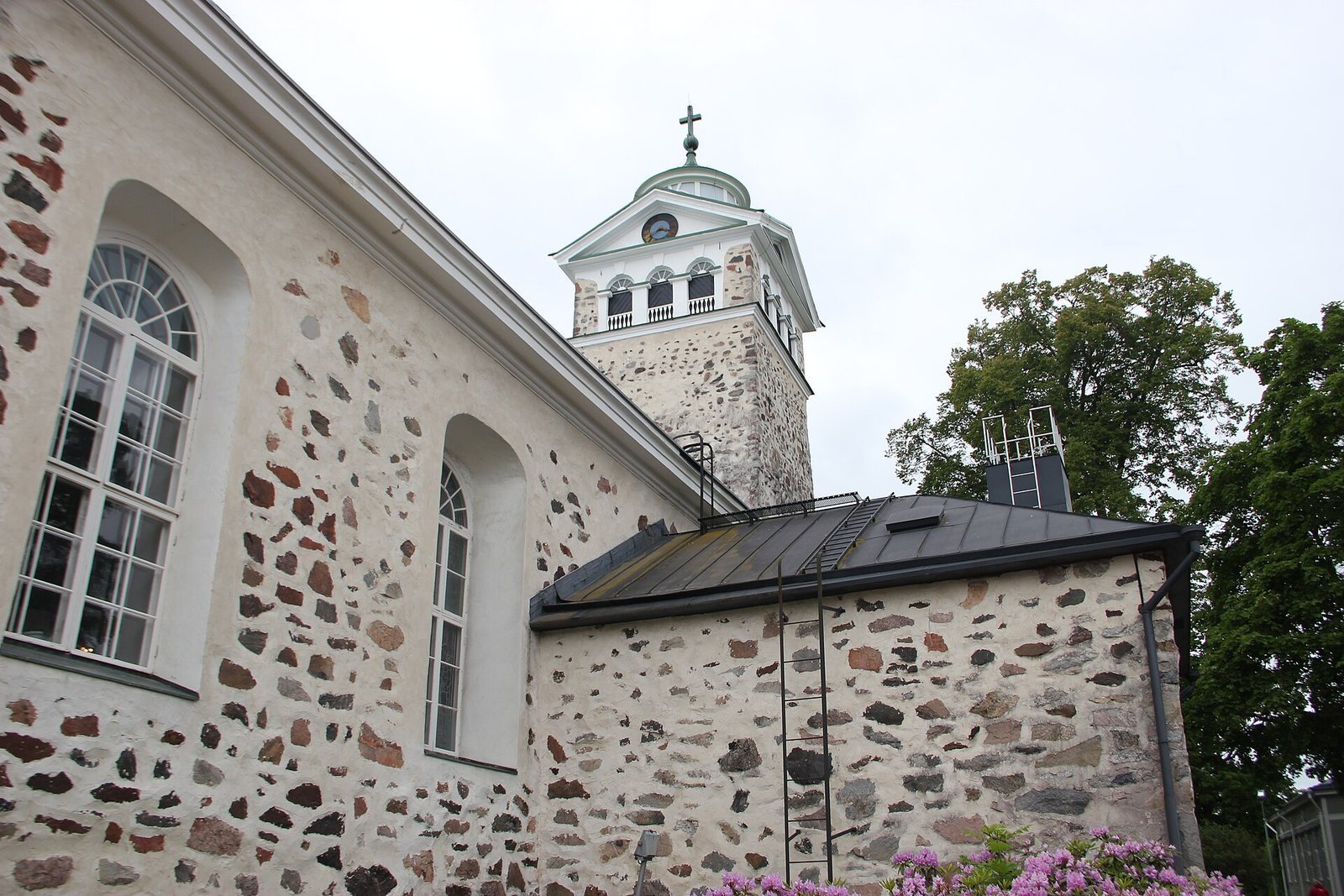
The granite church measures 36 metres long and 17 metres wide, with walls about 2 metres thick. Its original bell tower stood about 31 metres high. Following later work, the tower reaches 41.5 metres above sea level and 35.8 metres above ground. The building’s current architectural character is Neoclassical.
Interior and windows
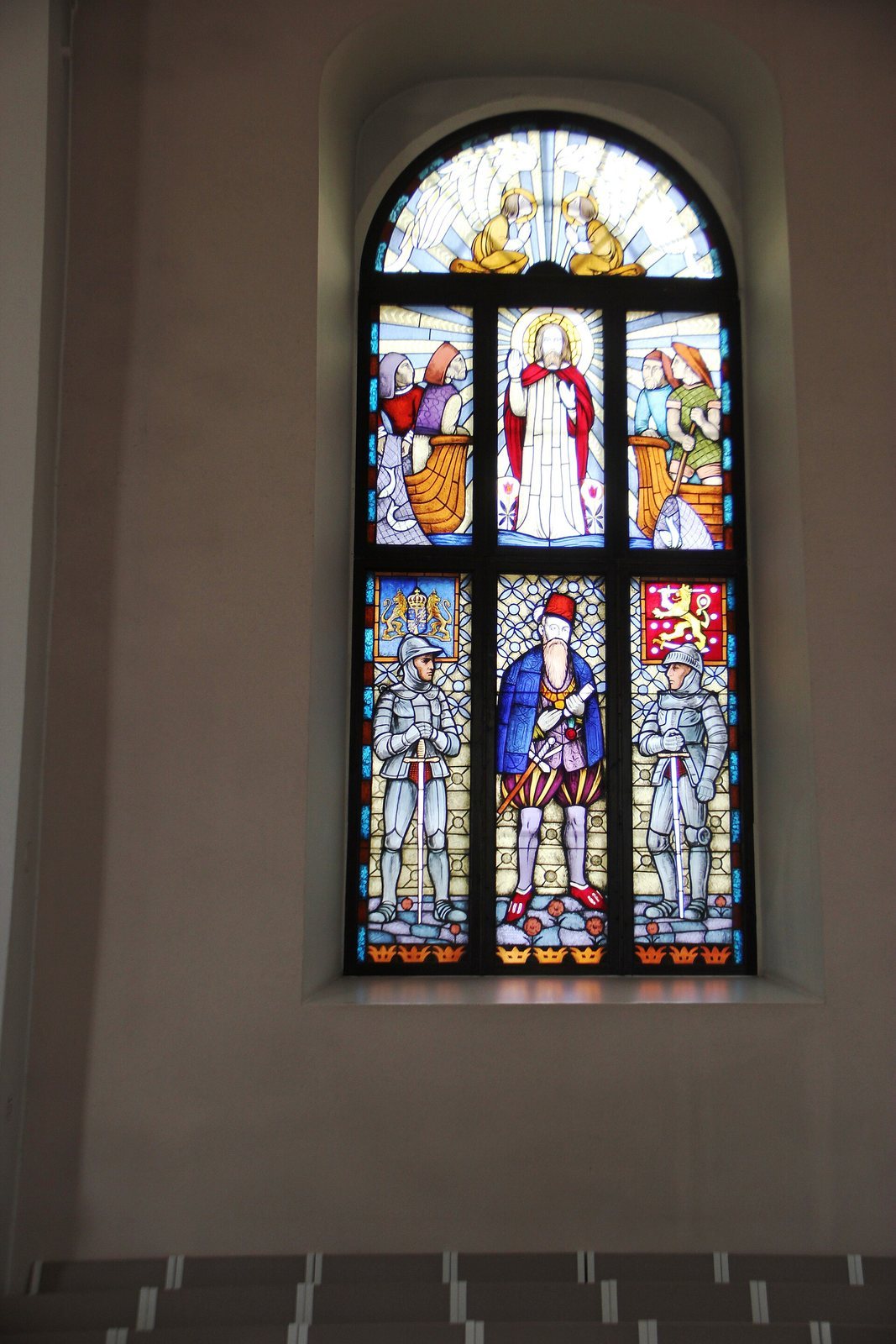
The interior has seating for 560 people and a central aisle. Granstedt designed the pulpit, a raised stand used for preaching, and a coat of arms is mounted on a church wall. In the 1821 fire, flames reached the wooden roof; the rebuilding lowered the roof by about 10 metres, removed the interior pillars and opened larger windows in the old walls. Karin Mazeitti-Slotte painted the stained-glass windows in 1924. They were moved to the north side in 1957–1959, and one was later placed in a southern window at the altar end. In the 1987–1990 renovation, the altar wall was walled up and finished to resemble marble.
Altarpiece and paintings
The altarpiece, an artwork associated with the altar, was made in Stockholm around 1660 and survived the 1821 fire. Later paintings for it were commissioned in Stockholm in 1797 and painted by the Swedish artist Lorens Pasch the Younger. Their subjects include the Holy Trinity, the Father, Son and Holy Spirit in Christian teaching, and Christ’s lamentation. One painting, the Descent from the Cross, is Pasch’s copy of an oil painting by the Flemish artist Cornelis de Vos.
Memorials and historical objects
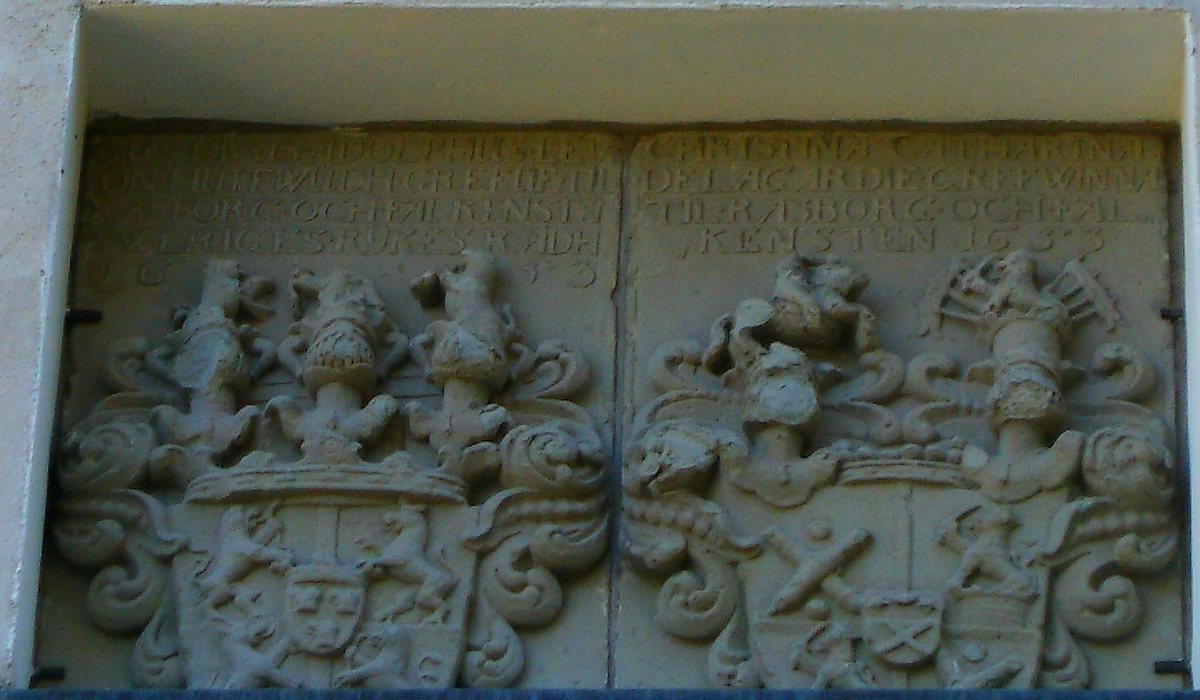
A sandstone plaque on the exterior depicts Gustaf Adolf Leijonhufvud and his wife, Christina Catharina De la Gardie. Inside the church, another plaque commemorates vicar Sigfridus Aronus Forsius; a memorial stone to Forsius stands in the churchyard. His Bible, which has handwritten notes and slight fire damage, was rescued from the 1821 blaze and is now held at Ekenäs Museum. The church inventory also includes a communion vessel dating to 1613.
Organ
Built by Anders Thulé in the early 1840s, the organ was the first instrument associated with the Kangasala organ factory. Knight Berndt Erik Inberg donated it in 1842. It has 24 stops, controls that select sets of pipes to produce different sounds. After several rebuilds, the organ was restored by Grönlunds Orgelbyggeri in 1992.