Eidsvollsbygningen: The Manor House Where Norway’s Constitution Was Signed
Site at a Glance
- Popularity
- Medium
- Country
- Norway
- Primary era
- Modern
- Eras represented
- Early Modern, Modern
- Civilizations
- Denmark–Norway
- Site type
- Domestic
- Remains
- Manor House
On this page5 sections
History
Construction and the 1814 Constitution
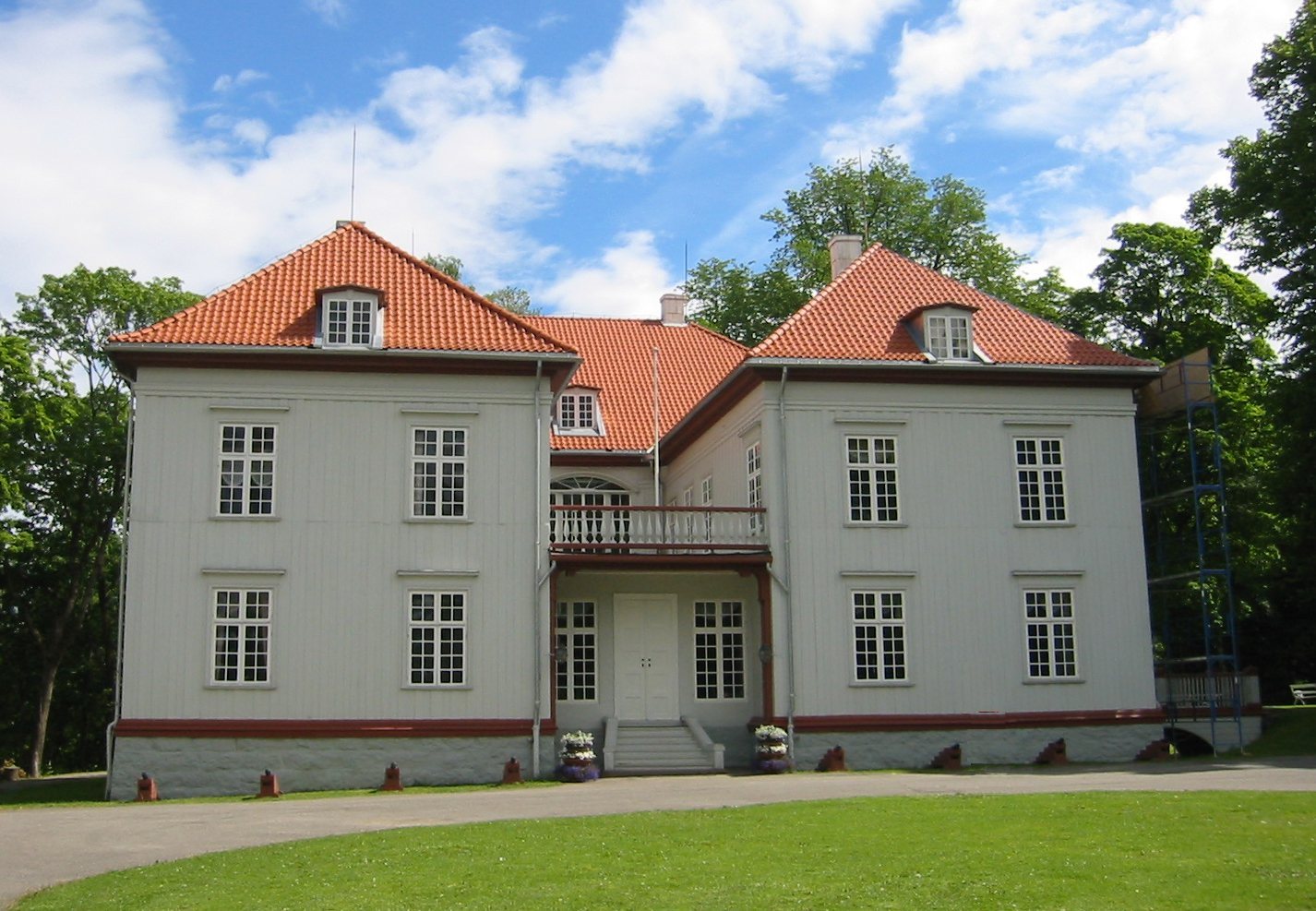
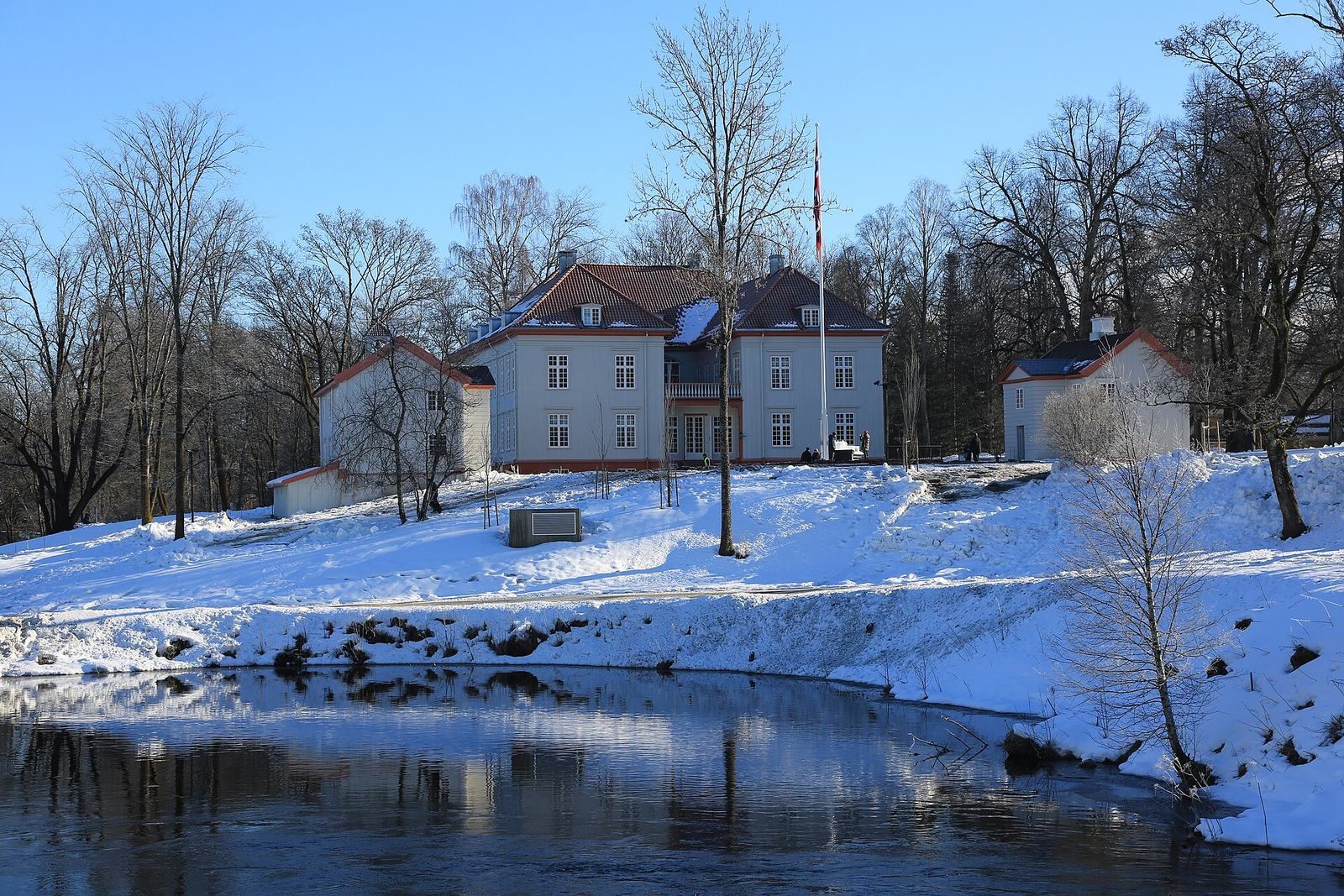
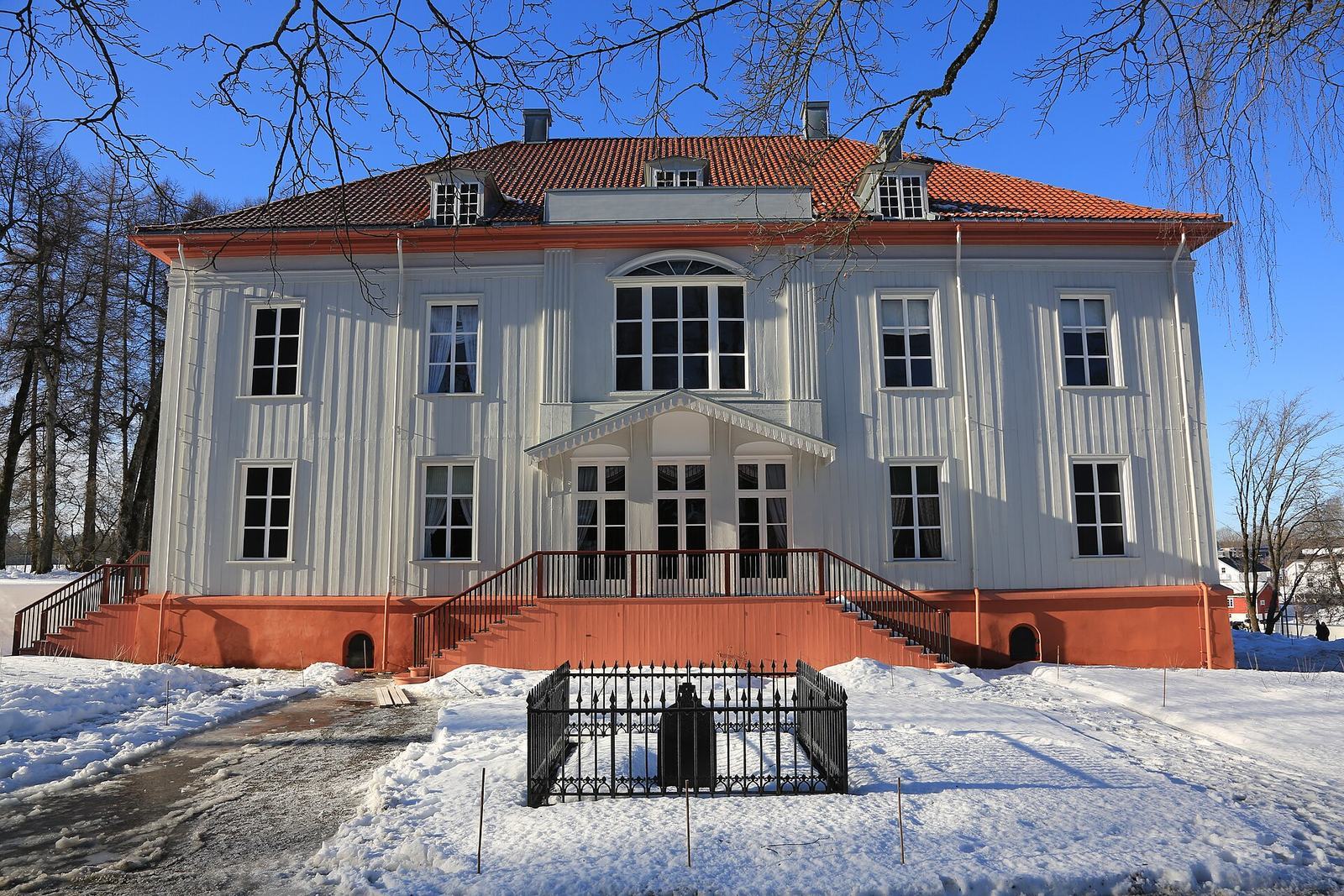
Eidsvollsbygningen is a manor house in Eidsvoll, Norway. Its construction began in 1770 and was completed in 1811. Around 1800, Norwegian businessman and public official Carsten Anker bought and renovated the estate. In 1814, Anker and his family lived there, and Norway’s Constitution was signed in the building on 17 May.
Transfer and preservation
After Anker went bankrupt in 1822, the estate passed to British creditors in 1823. A group of private citizens led by Henrik Wergeland, a prominent poet and public figure, raised funds to purchase the manor, pavilion, and garden. The purchase was completed in 1851, and the group gave the property to the Norwegian state.
Restoration and museum use
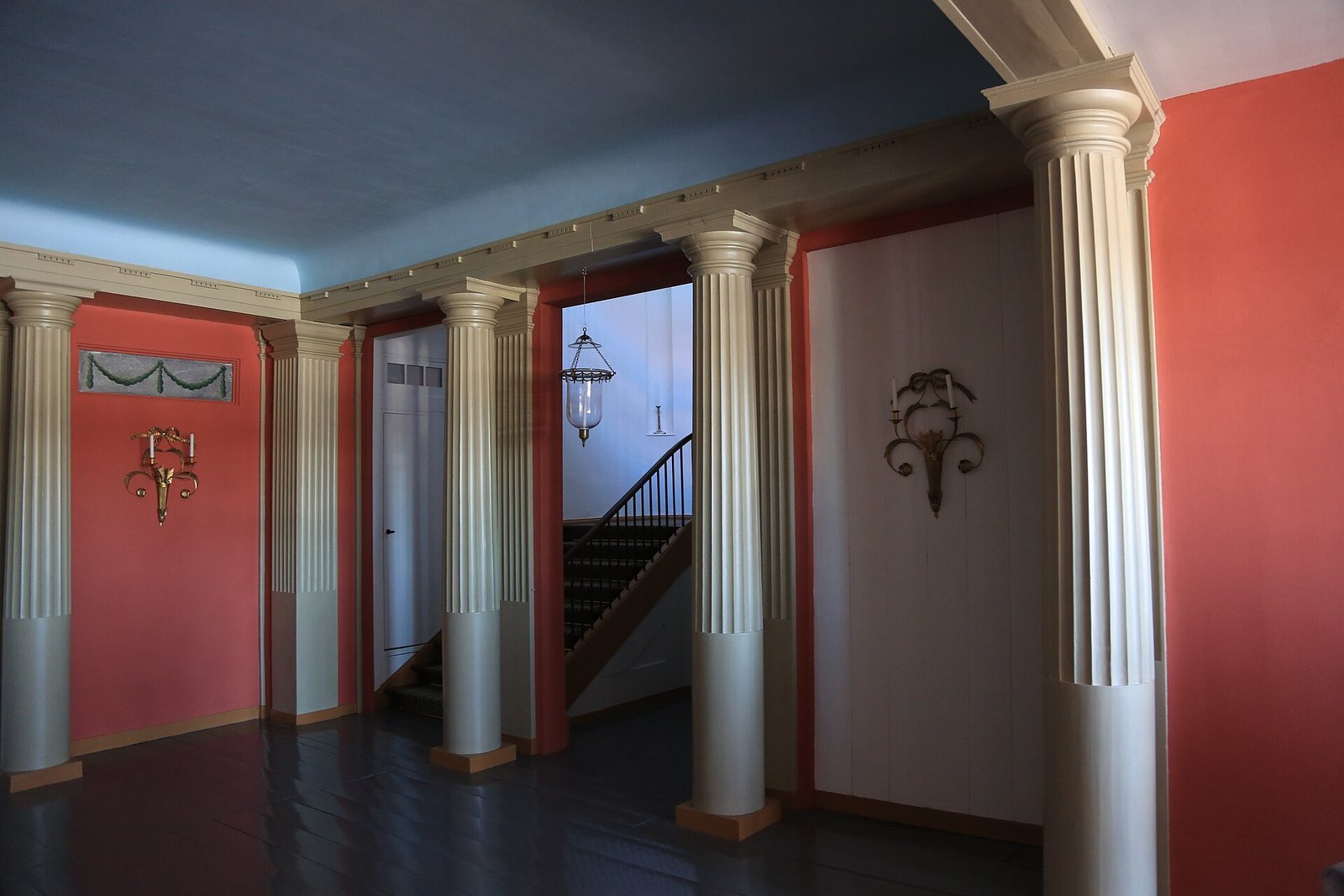
Major repairs and maintenance were carried out in 1895 for the Constitution’s centenary. Restoration plans made in 1964, its 150th anniversary, also aimed to furnish the building in the style of its 1814 appearance. In 2011, Statsbygg, the Norwegian government agency responsible for public buildings and property, began another restoration on behalf of the Ministry of Culture. Completed in 2014 for the Constitution’s bicentenary, the work sought to bring the building’s arrangement and design as close as possible to its 1814 appearance. The Norwegian state owns the estate, which is an official national monument and functions as a museum.
Remains
The estate comprises the manor house, a pavilion, and the surrounding garden, Eidsvollsparken. The manor house has a total floor area of more than 2,000 square metres.