Ehrenburg Castle: A Medieval Fortress in Italy
Site at a Glance
- Rating
- 4.2
- Popularity
- Medium
- Country
- Italy
- Primary era
- Medieval
- Eras represented
- Medieval, Early Modern
- Civilizations
- Unclassified
- Site type
- Military
- Remains
- Castle
On this page6 sections
History
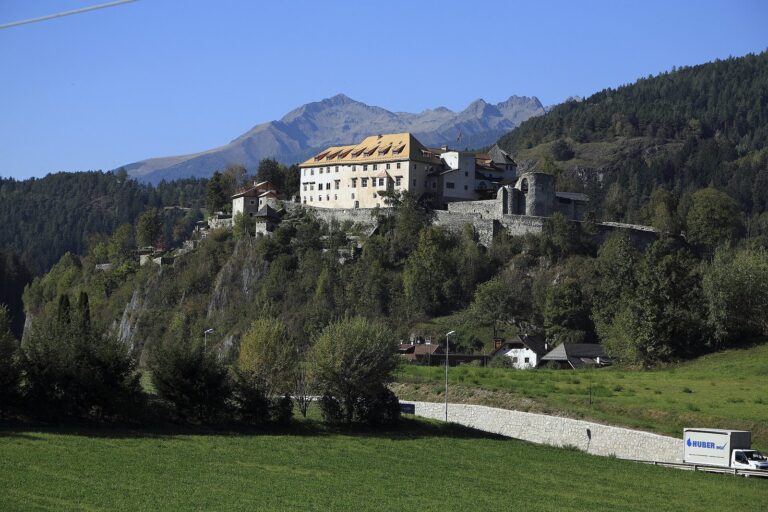
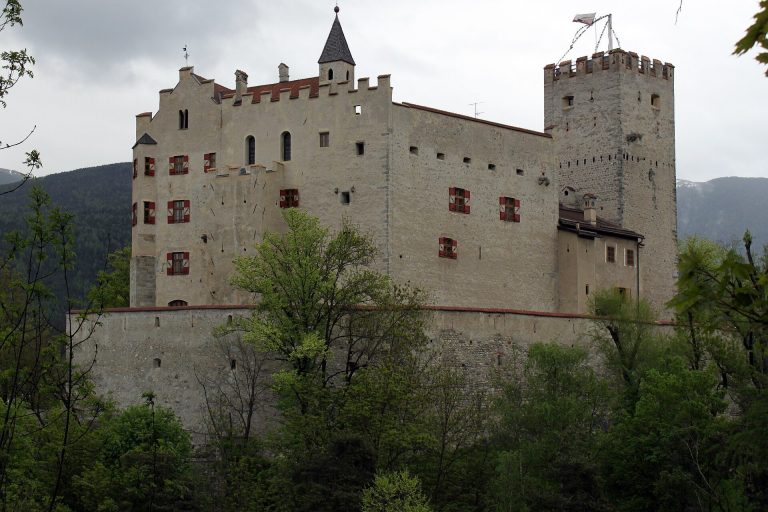
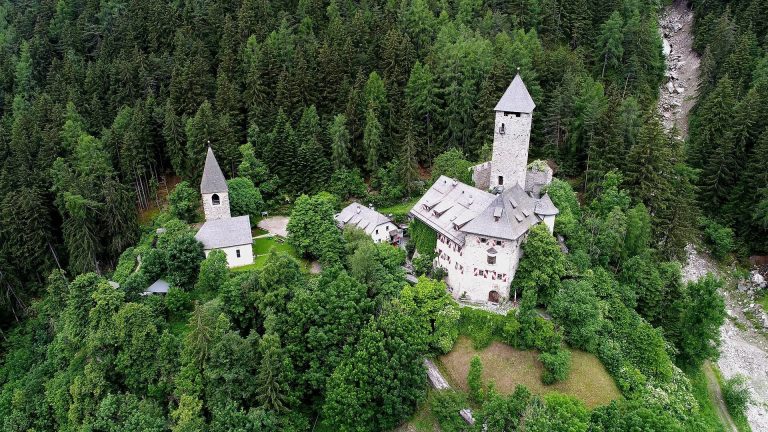
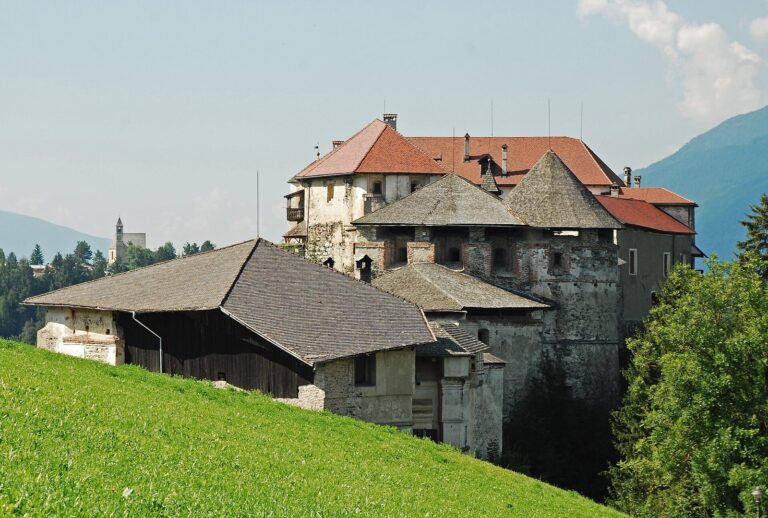
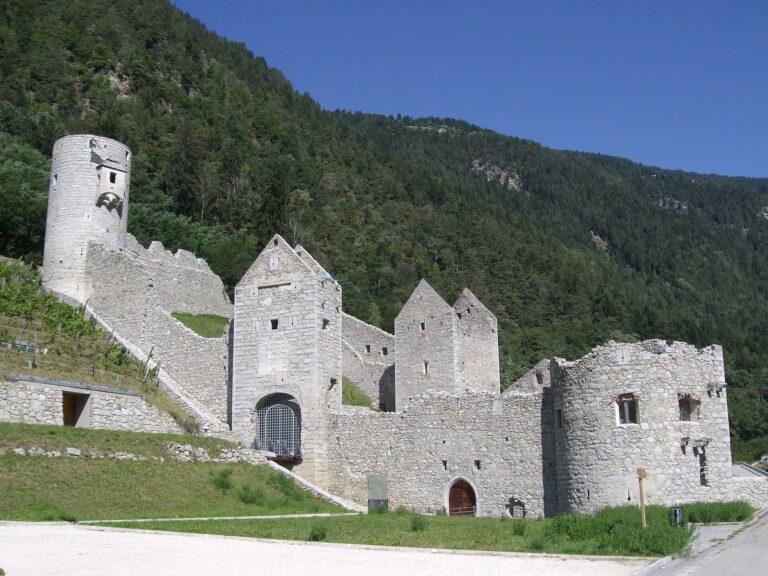
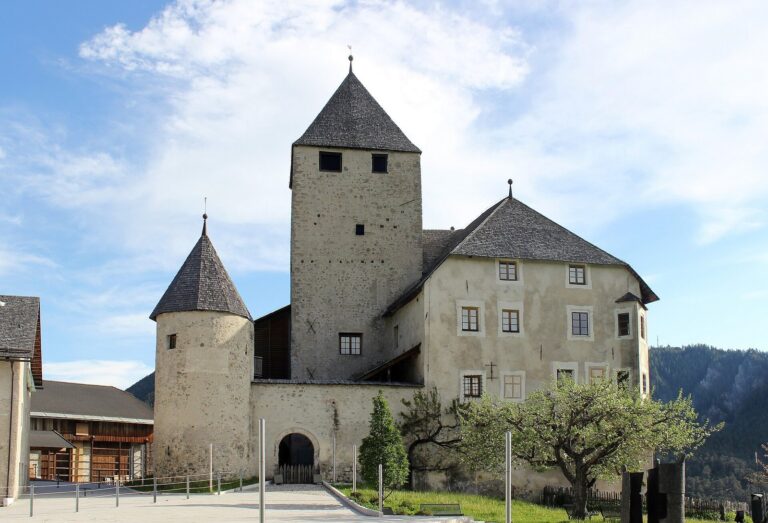
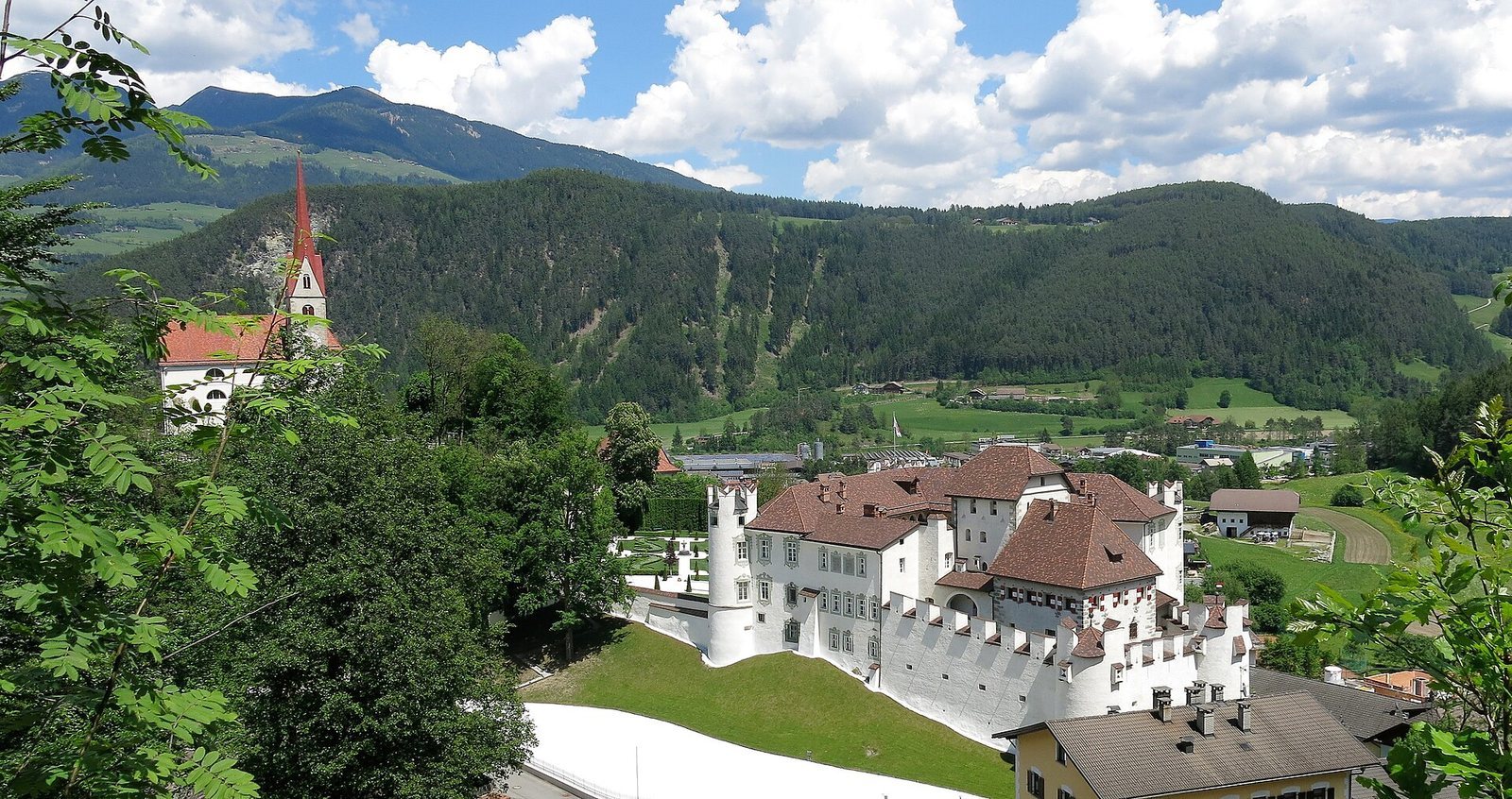
Ehrenburg Castle stands in Italy above the Rienz River, at the foot of Mount Getzen. Its history reaches back to the 12th century, when its earliest recorded name was Arbenburg. The name’s first element came from Aribo, a personal name associated with the Bavarian Aribones, a noble lineage. The castle later gave its name to the nearby settlement of Ehrenburg, also called Casteldarne.
Künigl ownership and architectural changes
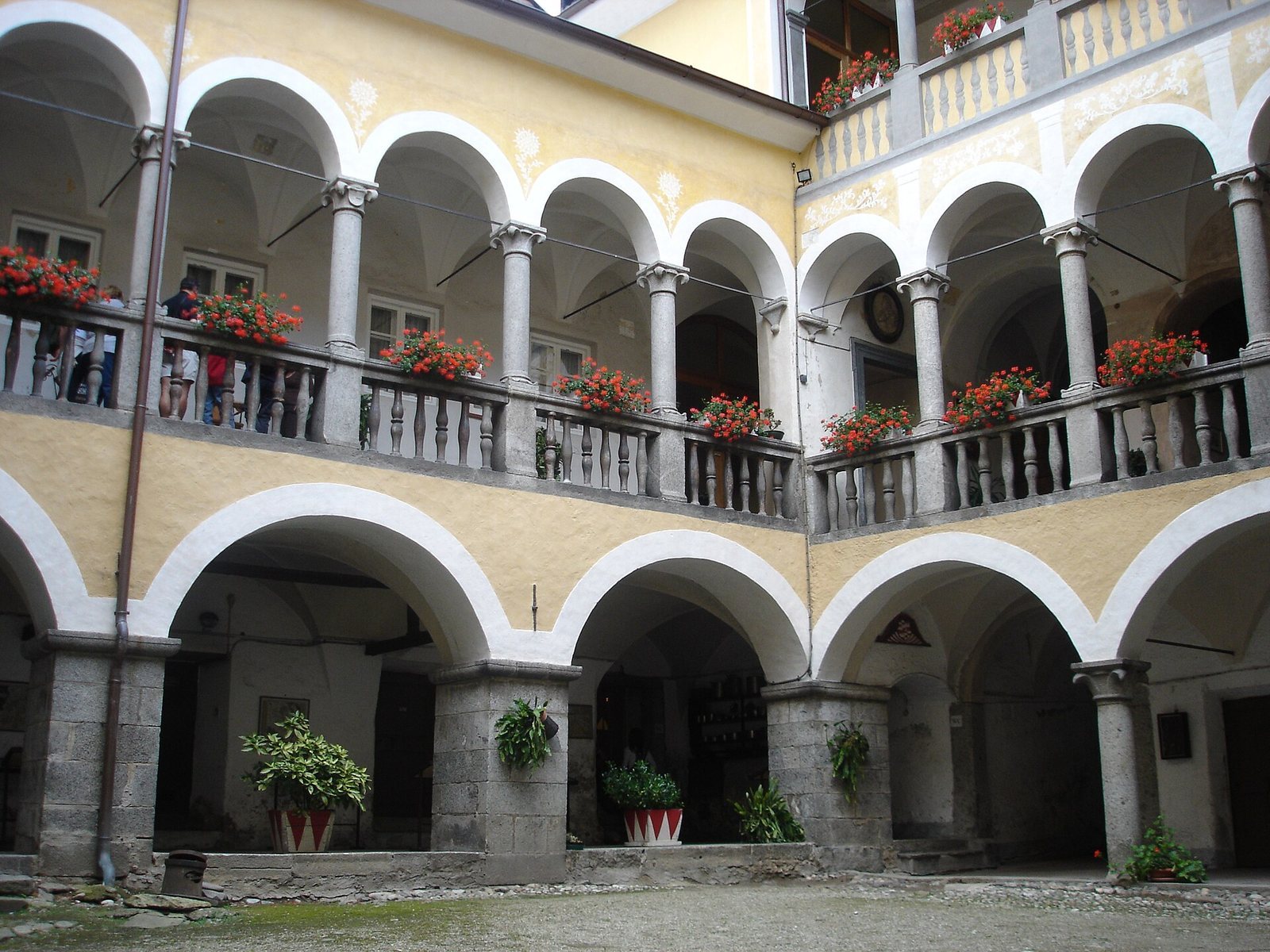
The counts of Künigl owned and inhabited the castle for about 700 years. In 1512, the old fortress was enlarged and remodeled in Renaissance style. Caspar Künigl (1481–1541) commissioned the local artist Lucio da Trento to create an arcaded courtyard.
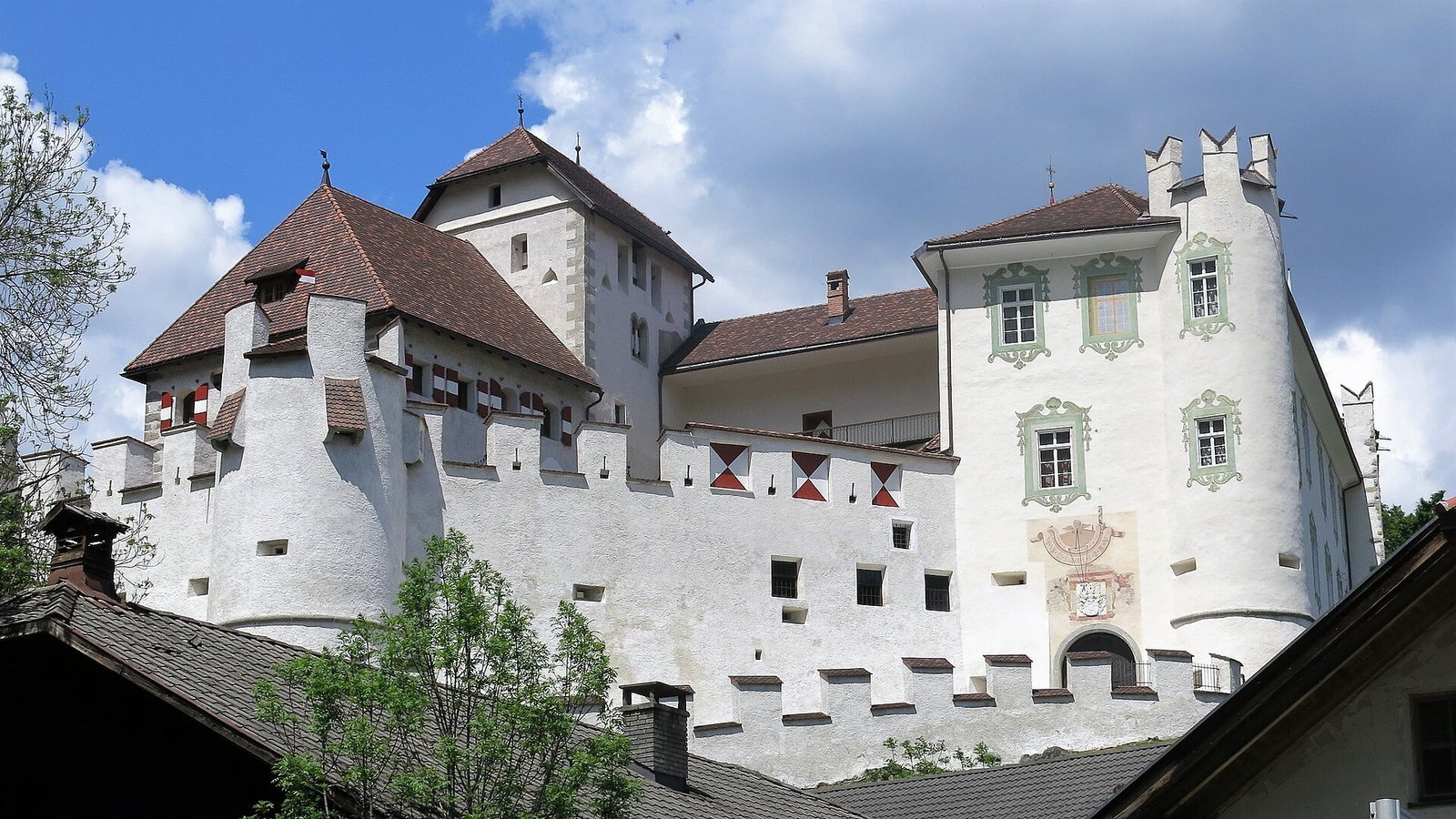
The courtyard was altered during the 17th and 18th centuries. In 1732, the castle’s eastern part was remodeled in Baroque style, a period of European architecture known for elaborate, dynamic compositions.
Sale and archive
The Künigl family’s noble archive was sold to the South Tyrolean Provincial Archive in the 1990s. In 2010, after lengthy public debate over inheritance matters, the family sold the castle to Ingomar Gatterer, a bus entrepreneur from the Puster Valley.
Remains
Setting and plan
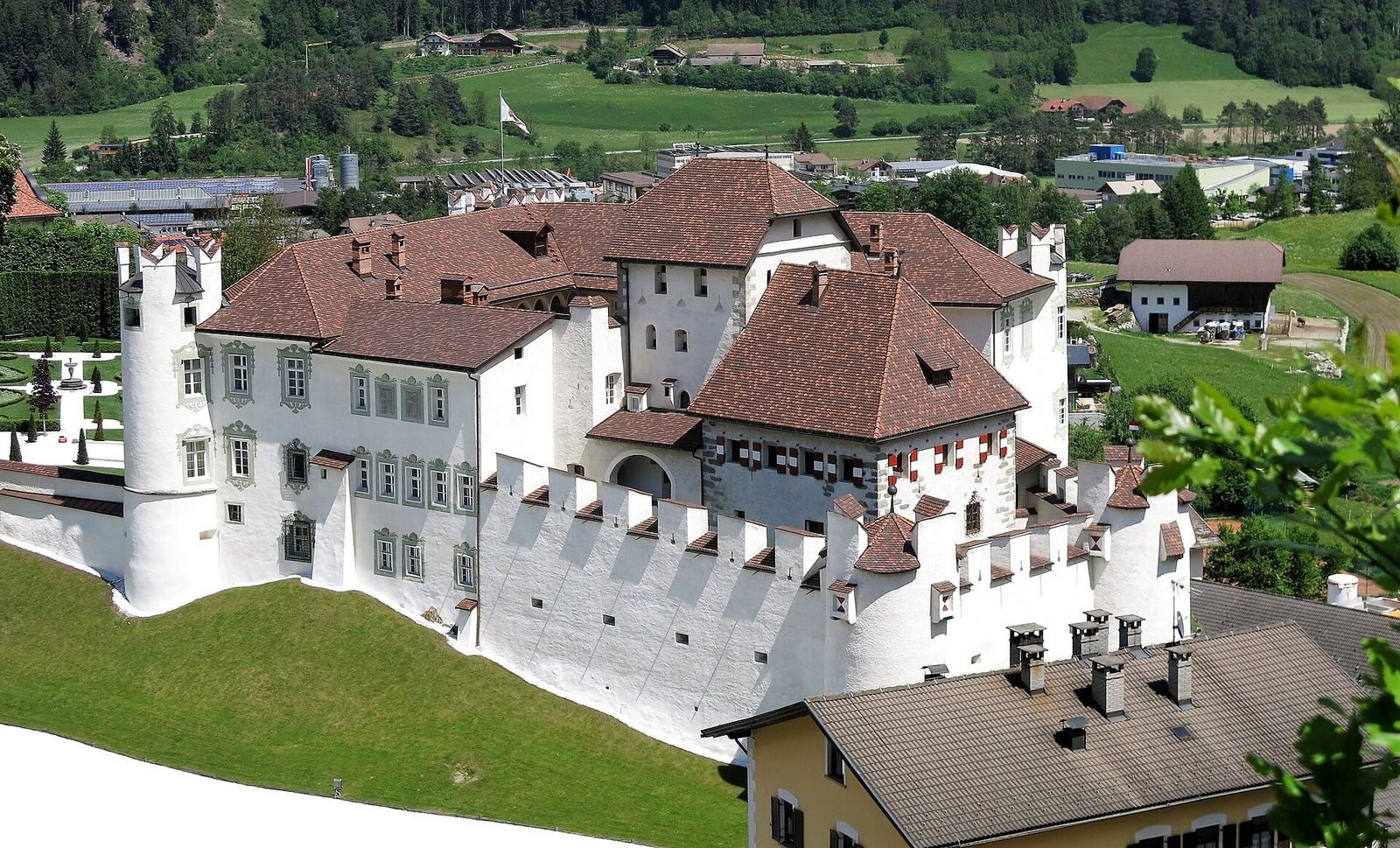
The castle stands at about 800 metres above sea level on the left bank of the Rienz River, above the river and below Mount Getzen. Its older section occupies the south side, while an enlargement lies to the east. The complex also includes a defensive side.
Inner courtyard
A gate on the southern side leads into the central courtyard. Semicircular arcades surround it, supported by granite columns with square capitals.