Dubičiai Castle: A Medieval Hillfort and Archaeological Site in Lithuania
Site at a Glance
- Popularity
- Very Low
- Country
- Lithuania
- Primary era
- Medieval
- Eras represented
- Medieval
- Civilizations
- Grand Duchy of Lithuania
- Site type
- Military
- Remains
- Castle
On this page10 sections
History
Dubičiai Castle is a medieval hillfort, a fortified site on elevated ground, in Lithuania. Fourteenth-century written records refer to a town and castle at Dubičiai, placing the site within the medieval history of the Grand Duchy of Lithuania.
Castle and hunting residence
A description of military routes associated with the Teutonic Order, a Catholic religious and military order active in the Baltic region, dates to about 1365. It places Dubičiai five miles along a good road from Vosyliškės and describes both a town and a castle there. The castle initially served a defensive purpose. Vytautas the Great, ruler of the Grand Duchy of Lithuania, later made it a hunting residence. He sent at least two letters from Dubičiai to the order’s Grand Master, in 1415 and 1421.
Fifteenth-century records and later tradition
A register of land grants under Casimir IV Jagiellon, king of Poland and grand duke of Lithuania, records the Dubičiai district in 1487–1489. The site is also known as Queen Bona’s Castle. A legend places a glass castle belonging to Bona Sforza, queen consort of Poland and grand duchess consort of Lithuania, on the hill near Dubičiai.
Excavation and protection
Vandalinas Šukevičius excavated the hillfort around 1890. The first ancient settlement was investigated in 1959 and 1962 by the Institute of Lithuanian History, under A. Bernotaitė. The institute examined the second settlement in 1962 under Rimutė Rimantienė, and Bernotaitė and Rimantienė also investigated the third. On 19 May 1998, a Lithuanian government resolution declared the site a cultural monument.
Remains
Hillfort
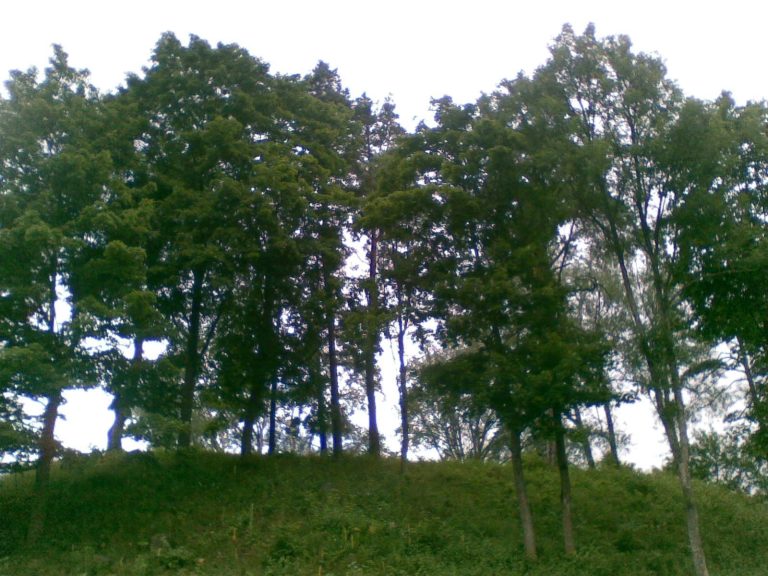
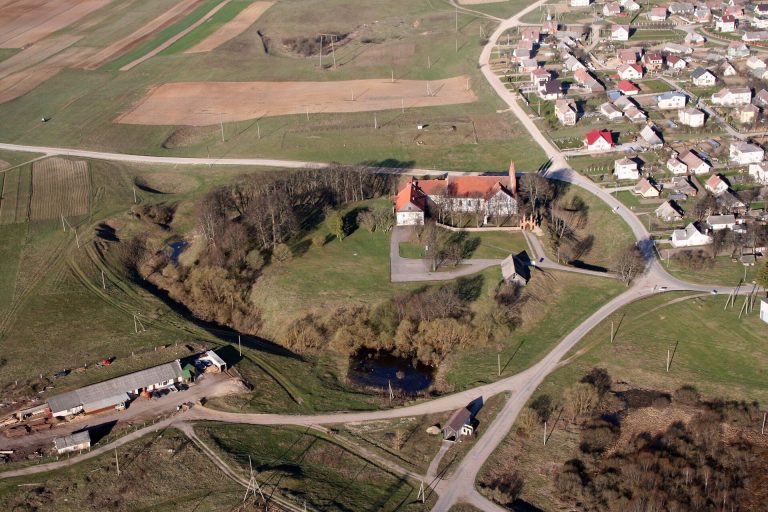
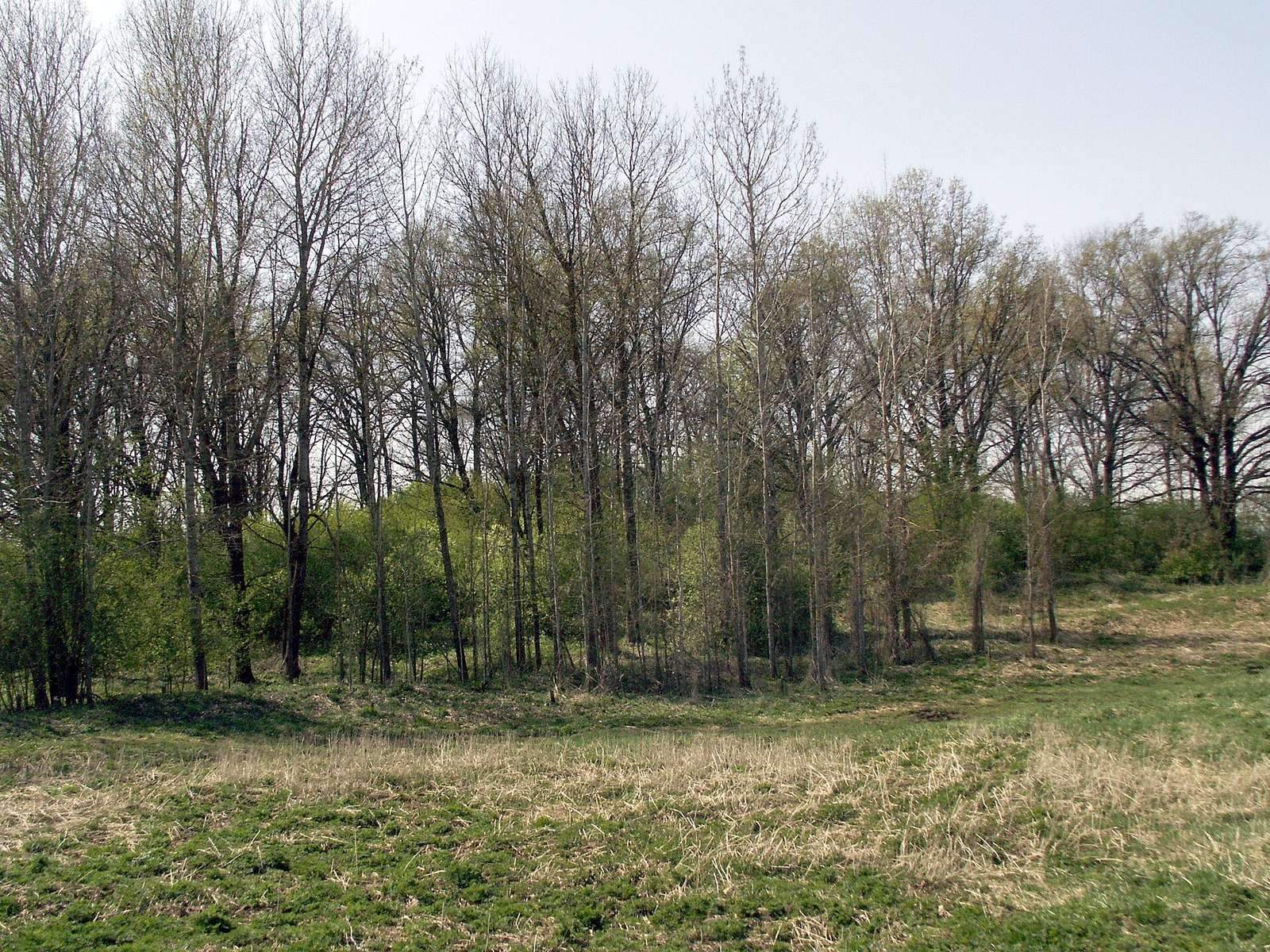
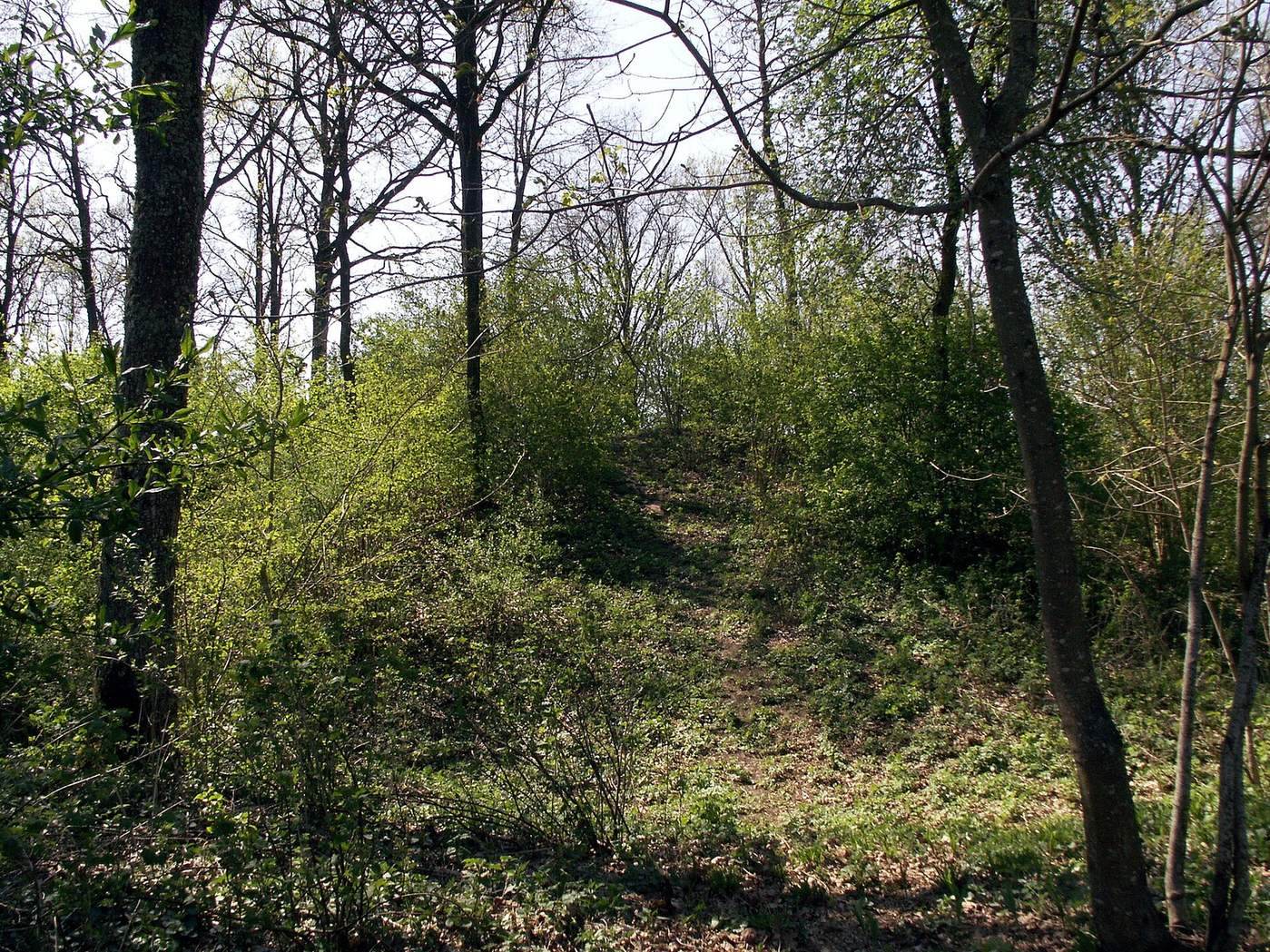
The hillfort stands on the left bank of the Ūla, at the edge of former Lake Pelesa. Its defensive layout includes two steep-sided hills about six metres high, divided by a ditch measuring 10–15 metres across at the top. A rampart about two metres high curves in semicircular stretches around the hills on their northeast and southwest sides. The rectangular hilltop areas measure 25 by 20 metres and 45 by 30 metres. The monument’s territory covers 1.8 hectares.
During his excavation, Šukevičius found charred oak logs, large bricks and charcoal.
Ancient settlements
First settlement at Salaite
The first settlement lies in the western part of the village, on a rise called Salaite. It is about 50 metres from the Ūla’s right bank, 0.4 kilometres west of the Dubičiai–Rakai road and 0.55 kilometres southwest of that road’s junction with the Dubičiai–Panočiai road. Excavation covered 364 square metres and revealed layers from two periods. A Stone Age layer, 0.10 metres thick, contained flint arrowheads, small knives, scrapers, burins (flint tools with chisel-like points for cutting or engraving) and stone axes. Pottery fragments were attributed to the Neolithic Nemunas culture, a prehistoric culture of the eastern Baltic region, and the Corded Ware culture, associated with pottery decorated with cord impressions.
A 0.4–0.5-metre-thick layer associated with the first and second millennia included hearth remains from the first half of the first millennium in its lower part, together with handmade pottery with brushed or rough surfaces and iron objects. A layer dating to the fourteenth through sixteenth centuries contained wheel-thrown pottery and iron objects.
Second settlement
The second settlement is on the northwest shore of former Lake Pelesa. Excavation covered 330 square metres and recovered Stone Age flint tools, pottery fragments, sherds from Bronze Age and Iron Age vessels, and stone objects.
Third settlement
The third settlement occupies higher ground in the village workshop area, about 100 metres south of the Ūla’s left bank. Excavation across 120 square metres revealed three layers. The Stone Age layer contained flint lance-shaped arrowheads, scrapers and burins, as well as pottery of the early Neolithic Nemunas culture, dated to the fourth millennium BC. A later Neolithic layer held Corded Ware and brushed pottery, with an early medieval layer above the Stone Age deposits.
Finds from the settlements are held by the Lithuanian National Museum and the Alytus Regional Museum.