Domus do Mitreo in Lugo: A Roman House and Mithras Sanctuary
Site at a Glance
- Rating
- 4.5
- Popularity
- Medium
- Country
- Spain
- Primary era
- Classical
- Eras represented
- Classical, Modern
- Civilizations
- Roman, Spanish
- Site type
- Religious
- Remains
- Mithraeum
On this page9 sections
History
The Domus do Mitreo in Lugo is a Roman house in Spain, with remains dating from the first century AD and a private sanctuary of Mithras added in the early third century. The domestic remains reflect several building phases.
Roman house and sanctuary
During the late Roman Empire, part of the house was converted into a mithraeum (a sanctuary for worship of Mithras), a deity worshipped in a Roman mystery cult. The shrine served the community as a religious center.
Destruction and later occupation
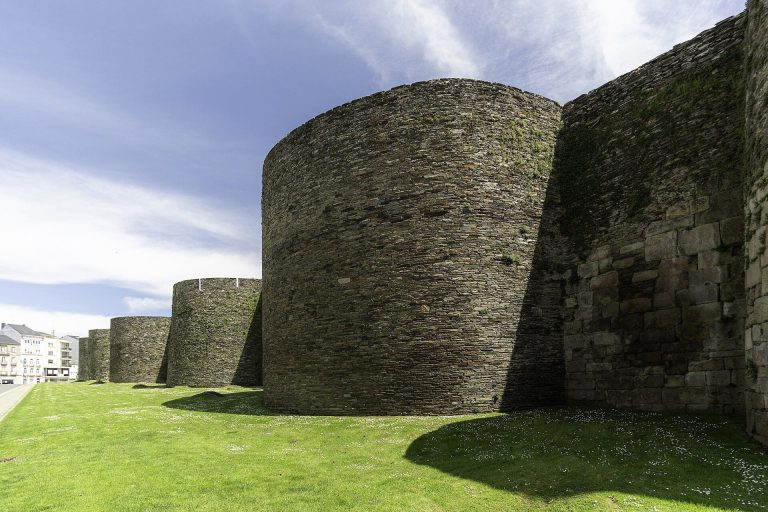
Around AD 260, rebuilding Lugo’s Roman walls destroyed almost all of the house. The domus was abandoned, although the sanctuary appears to have remained in religious use until about the middle of the fourth century. Work connected with the wall’s construction also took place within the former house.
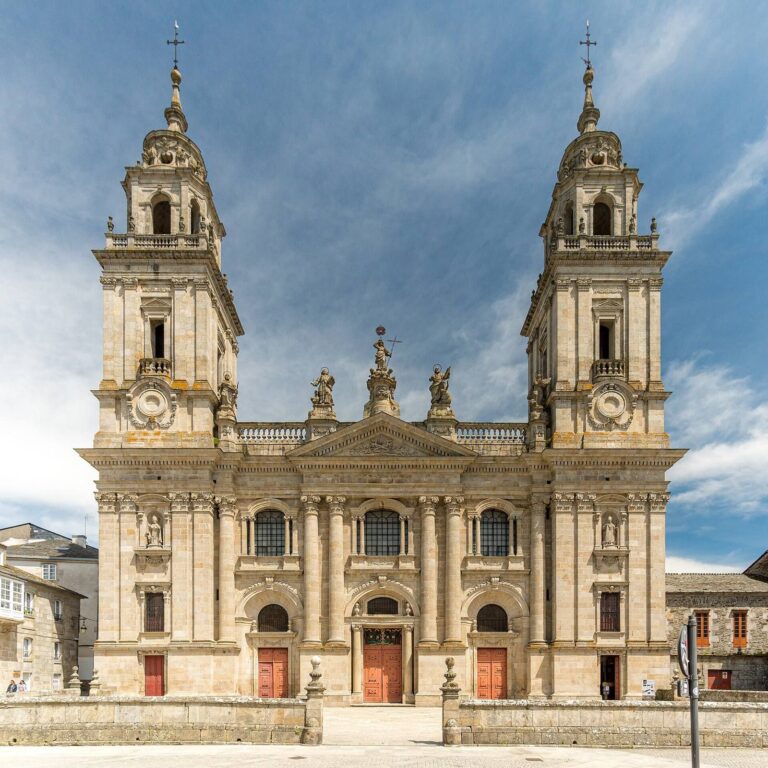
Later use is reflected in a medieval cemetery associated with Lugo Cathedral and modern remains connected with the Pazo de Montenegro, a traditional Galician manor house.
Excavation and preservation
In July 1998, the University of Santiago de Compostela acquired the Pazo and adjoining buildings, which had been unused for decades, to rehabilitate them for university facilities in Lugo and cultural activities. Preliminary archaeological investigations before construction revealed the Roman house and sanctuary. Their importance led to a redesign of the building project so the remains could be preserved and incorporated.
Archaeological campaigns led by Celso Rodríguez Cao covered about 600 square metres between 2000 and 2007. The University Museum A Domus do Mitreo opened on 22 March 2018. The university and Lugo City Council jointly own the museum, which is managed by the university.
Remains
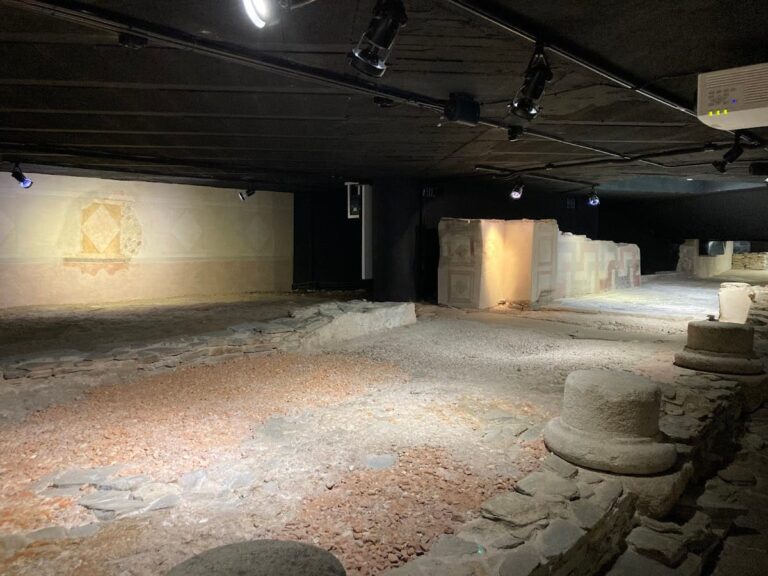
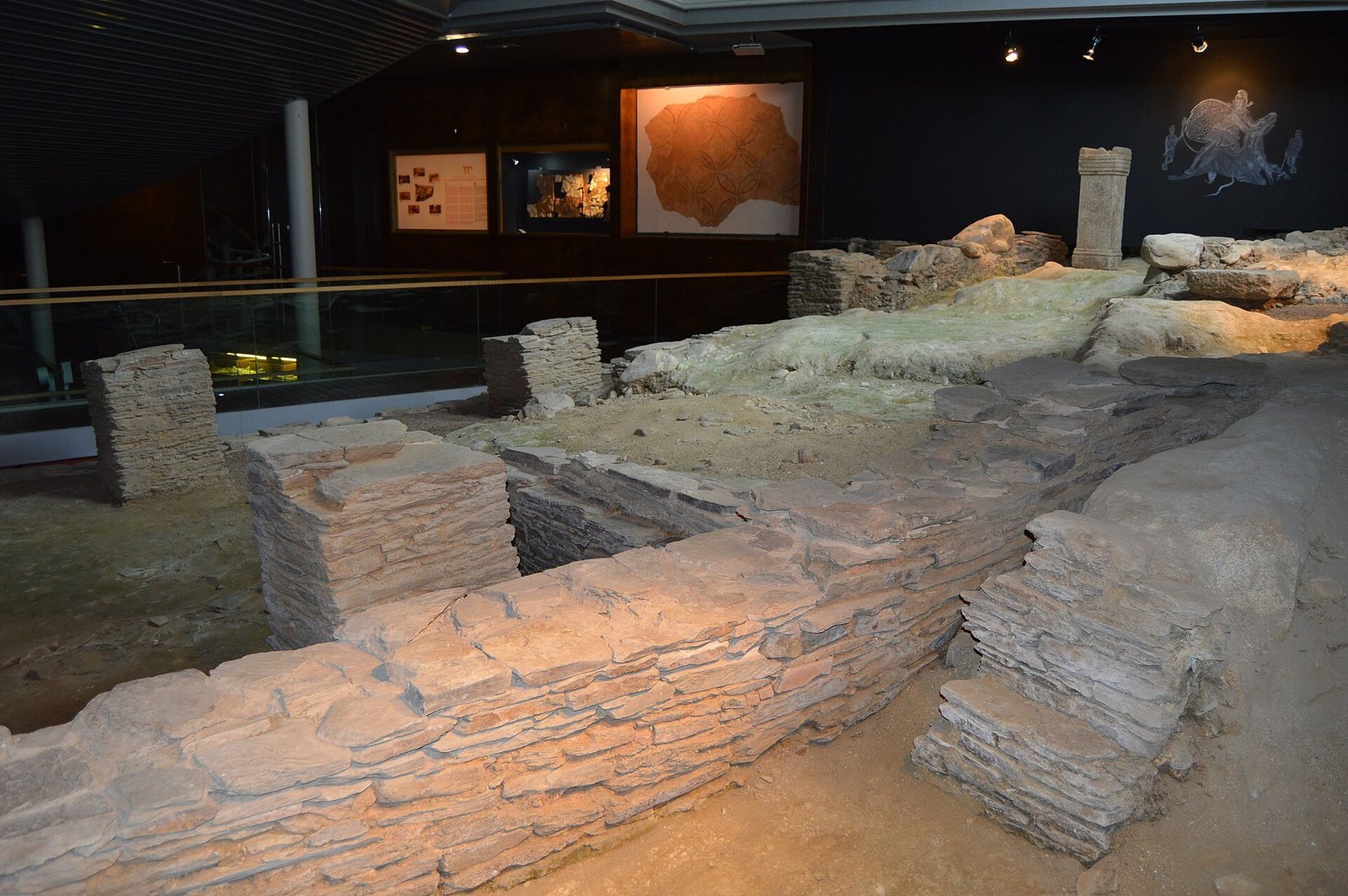
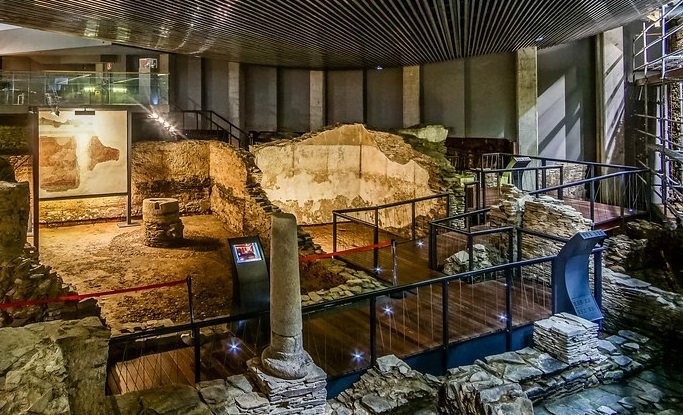
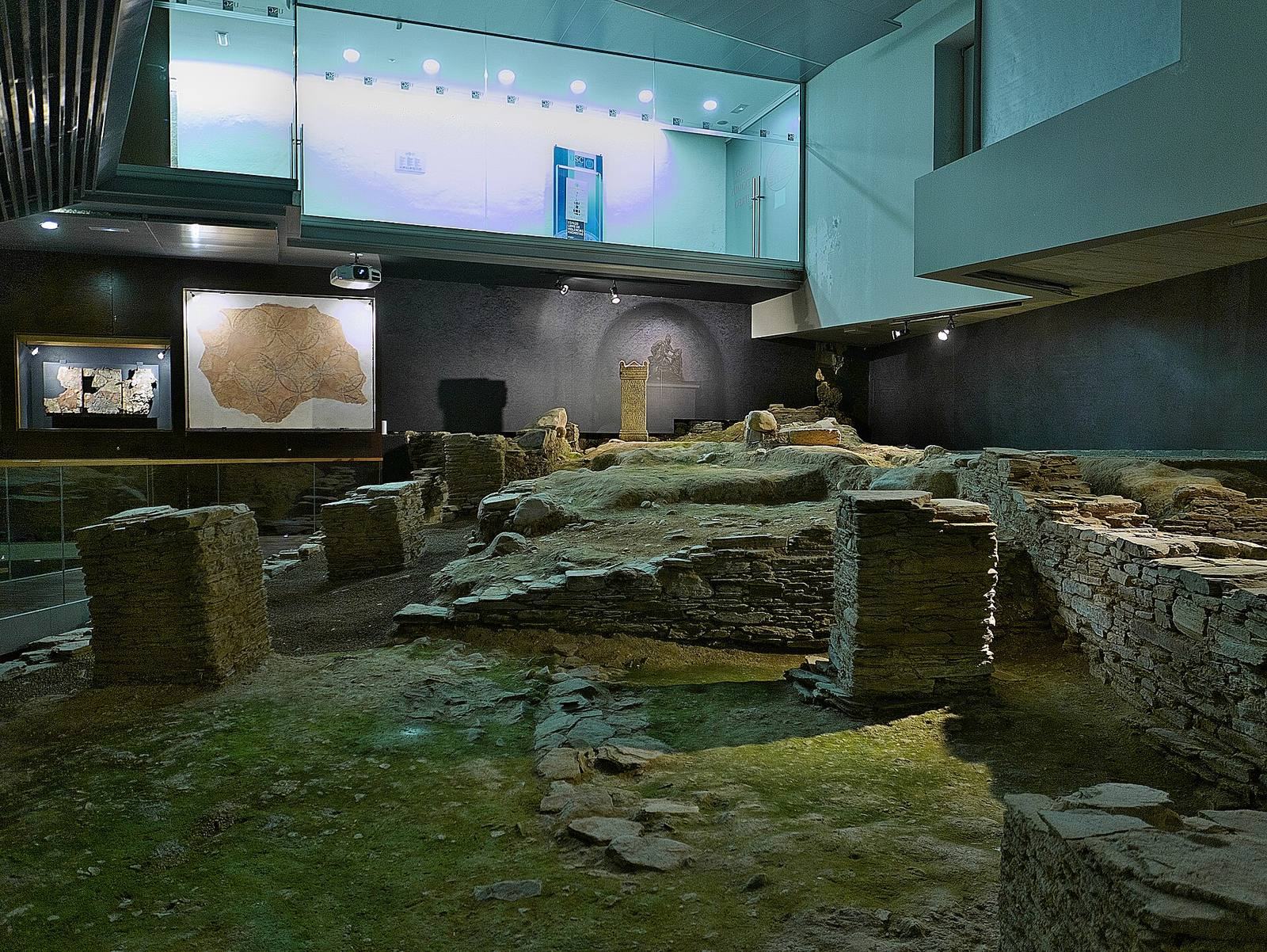
The remains lie beside Lugo’s Roman wall and are incorporated into the museum building. The museum presents archaeological material in a hall, an underground level, and on the first floor. The underground level contains a section of the original wall and remains of the Mithraic temple. A first-floor exhibition traces the development of this part of the city and its buildings from the Middle Ages to the present.
The Mithraic sanctuary
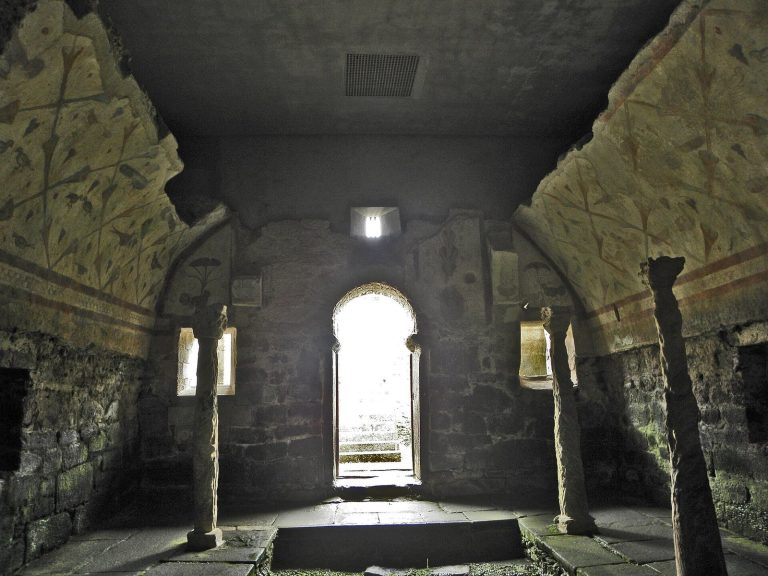
The sanctuary has a rectangular plan measuring 15.70 by 7 metres. Its central cella (inner chamber) covers about 110 square metres and is flanked by a row of five pillars on each side. The pillars are thought to have supported benches used for communal dining. A vestibule stood on the south side, with an entrance between the pillars. At the far end of the central space, a niche held a relief showing Mithras killing a bull. The main entrance was probably opposite the niche; structures in that area have been interpreted as a possible antechamber.
Domestic remains
A mill occupied the house’s large reception room in connection with work on the Roman wall. This feature links activity within the former residence to the wall’s construction.
Excavated objects
Excavated objects include ceramics, glass, metalwork, and other finds. Most are Roman, with medieval and modern material also represented. The museum’s collections include inscriptions and coins as well as Roman ceramics and glass. One notable object is an oval orange carnelian ring stone, measuring 1.5 centimetres long, 1.1 centimetres wide, and 0.2 centimetres thick. Its incised design shows a two-horse chariot guided by a winged Victory in profile, holding a palm branch.
Granite altar
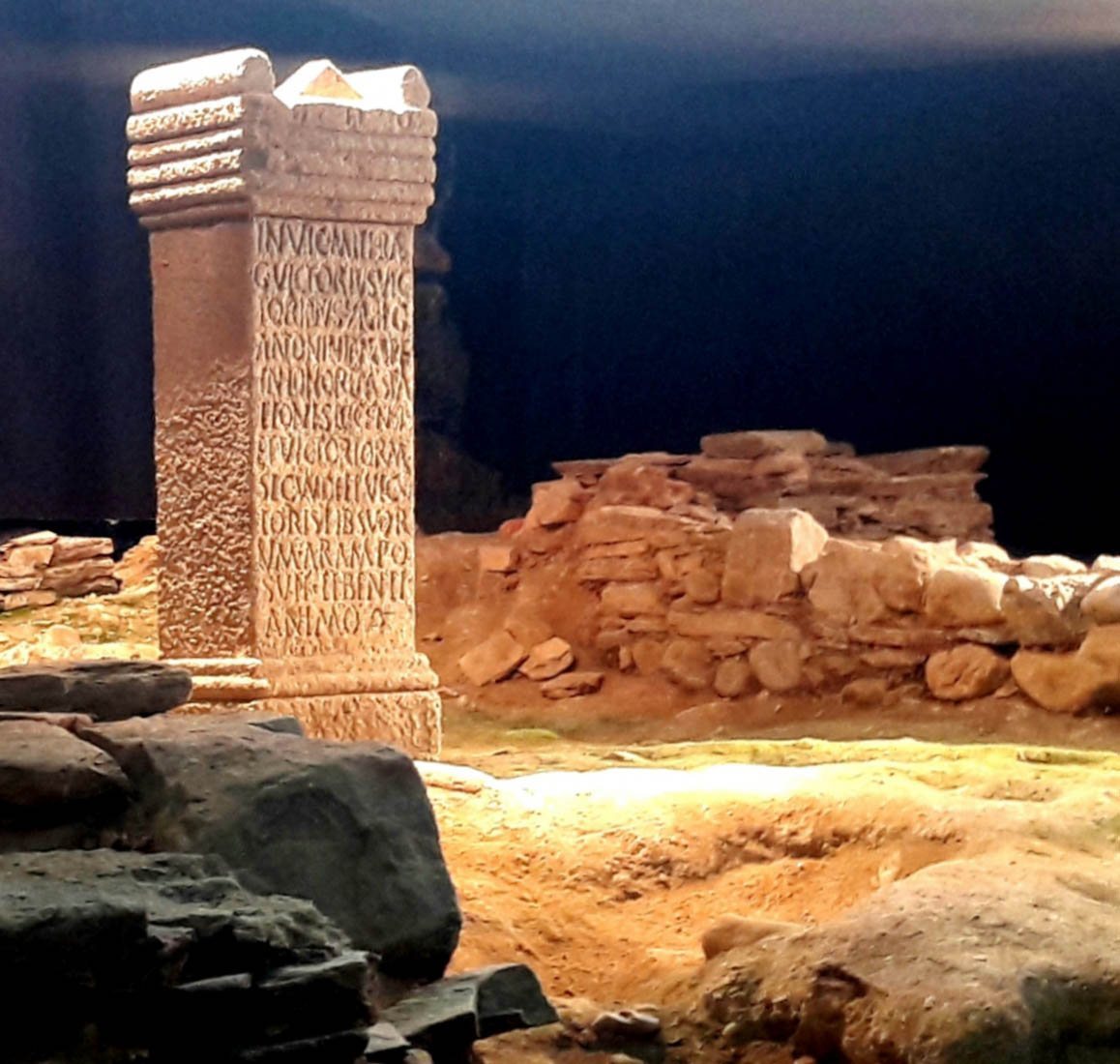
A granite altar found in 2003 remains in its original position. Its inscription identifies Gaius Victorius Victorinus as the house’s owner and as a centurion, a Roman army officer, in Legio VII Gemina Antoniana Pia Felix, a Roman legion that served in Spain. The dedication is to Mithras and the Statio Lucensis, a civil and military station used by the Roman administration. It also names Victorinus’s freedmen, formerly enslaved people who had gained their freedom, Victorius Secundus and Victor.