Devil’s Jumps: A Bronze Age Barrow Group on the South Downs
Site at a Glance
- Popularity
- Medium
- Country
- United Kingdom
- Primary era
- Bronze Age
- Eras represented
- Bronze Age
- Civilizations
- Unclassified
- Site type
- Burial
- Remains
- Necropolis
On this page5 sections
History
Bronze Age burial mounds
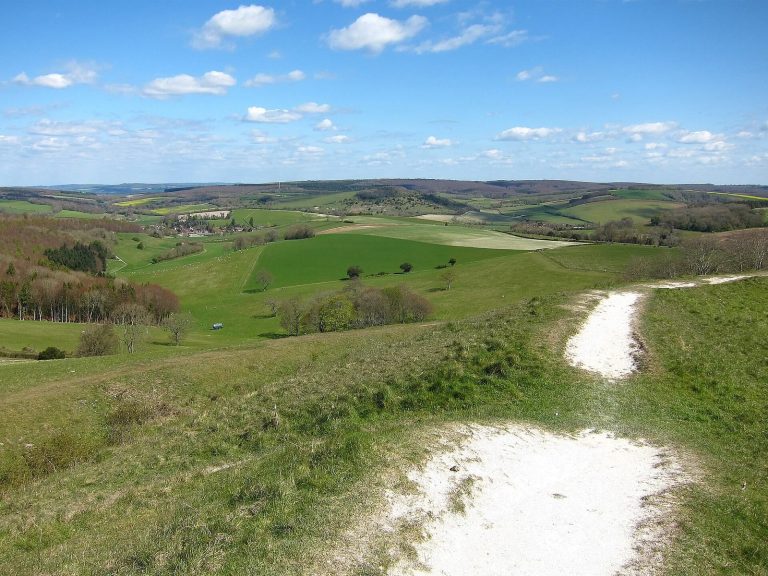
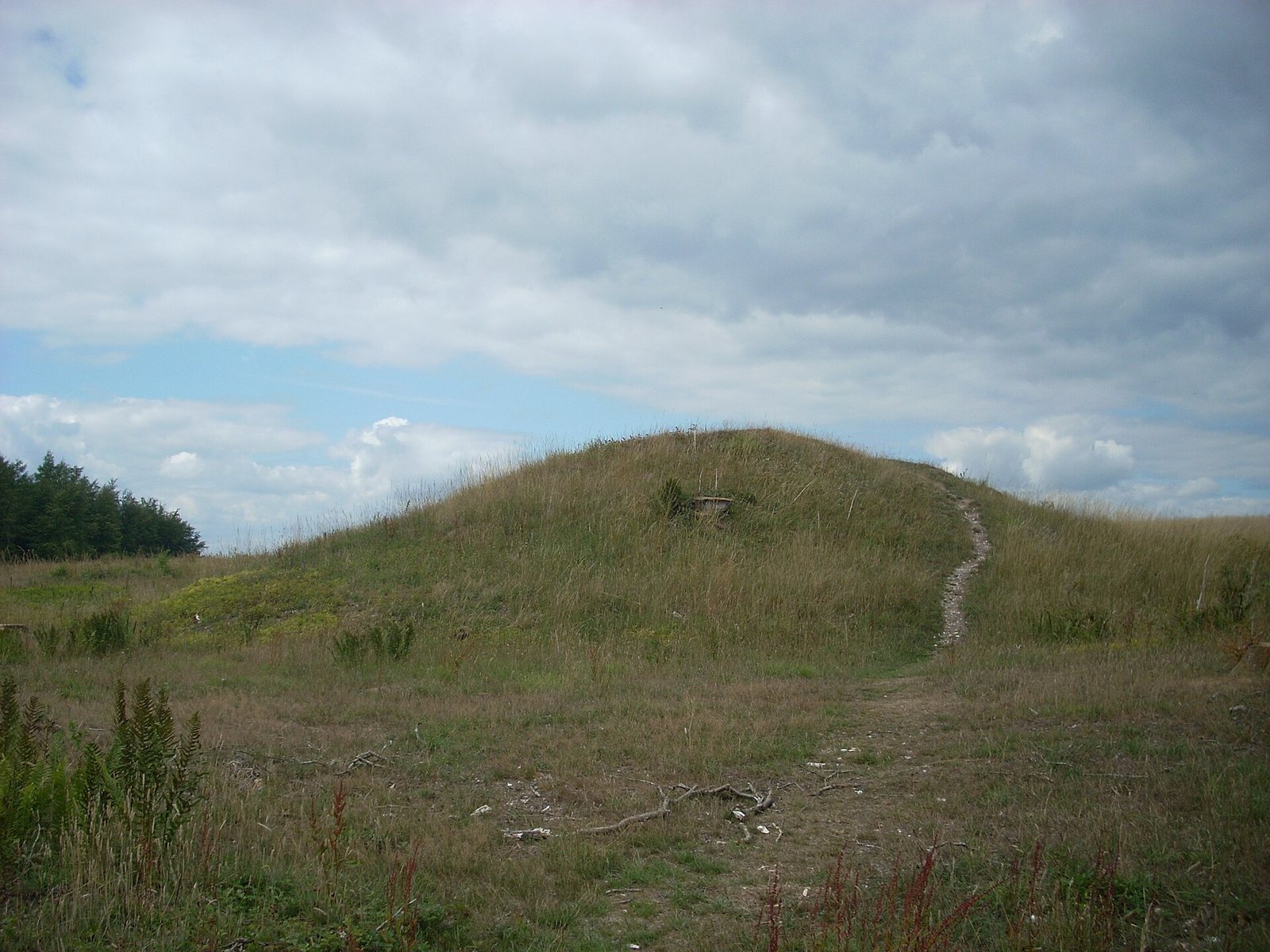
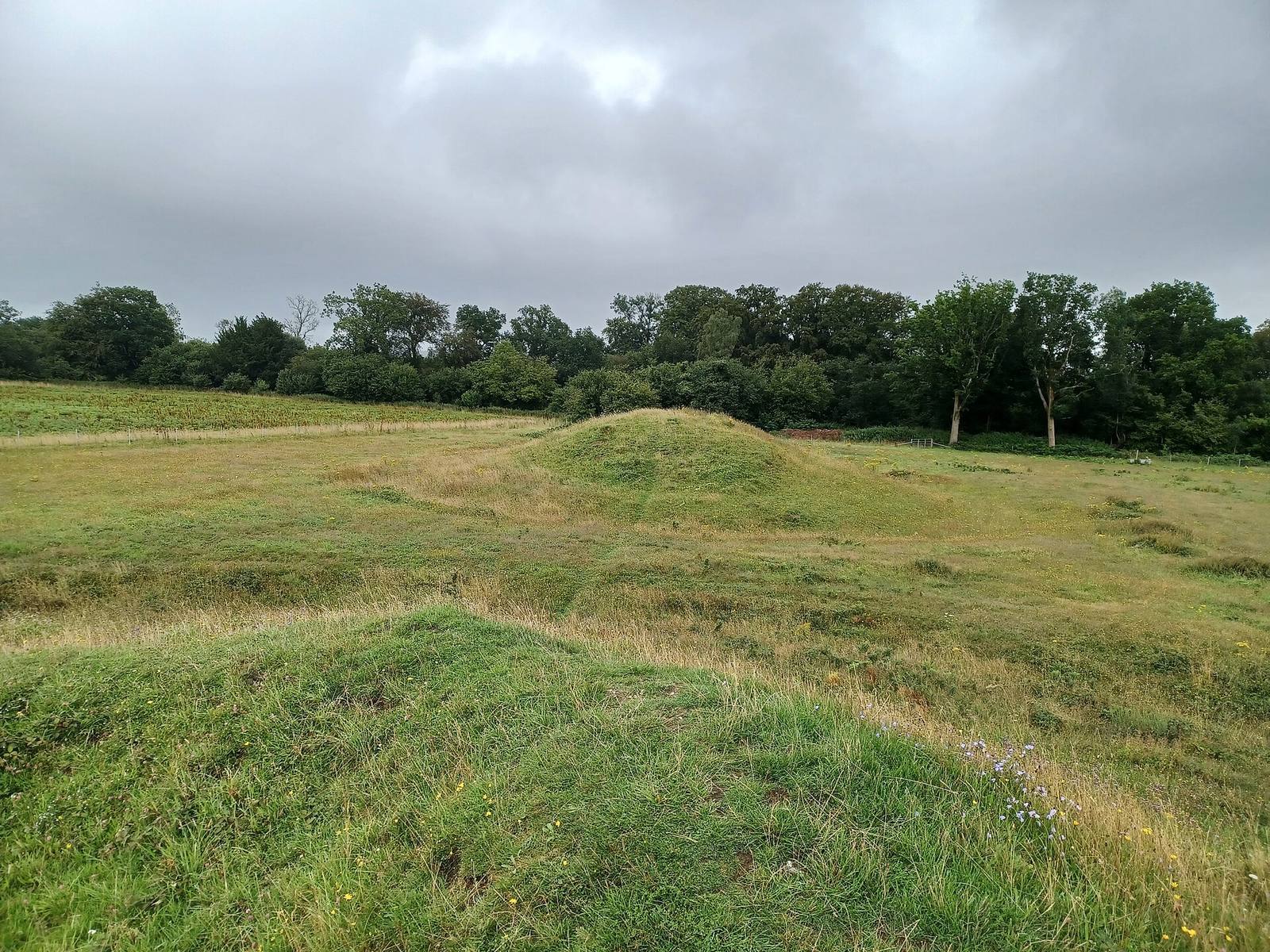
The Devil’s Jumps are a group of Bronze Age burial mounds on the South Downs in the United Kingdom. Believed to be between 3,000 and 4,000 years old, they are bell barrows, a type of round burial mound with a flat area between its central mound and surrounding ditch. The group is considered the best-preserved Bronze Age barrow group in Sussex.
Exploration and later care
The mounds were explored in the nineteenth century. Bones were found in two, while some contained no cremated remains. Local folklore, apparently transferred from the Devil’s Jumps near Churt in Surrey, tells that Thor, the Norse god associated with thunder, sat on Treyford Hill. Seeing the five barrows, the Devil leapt from one to another for amusement. Thor became angry and threw a stone at him, and the Devil fled.
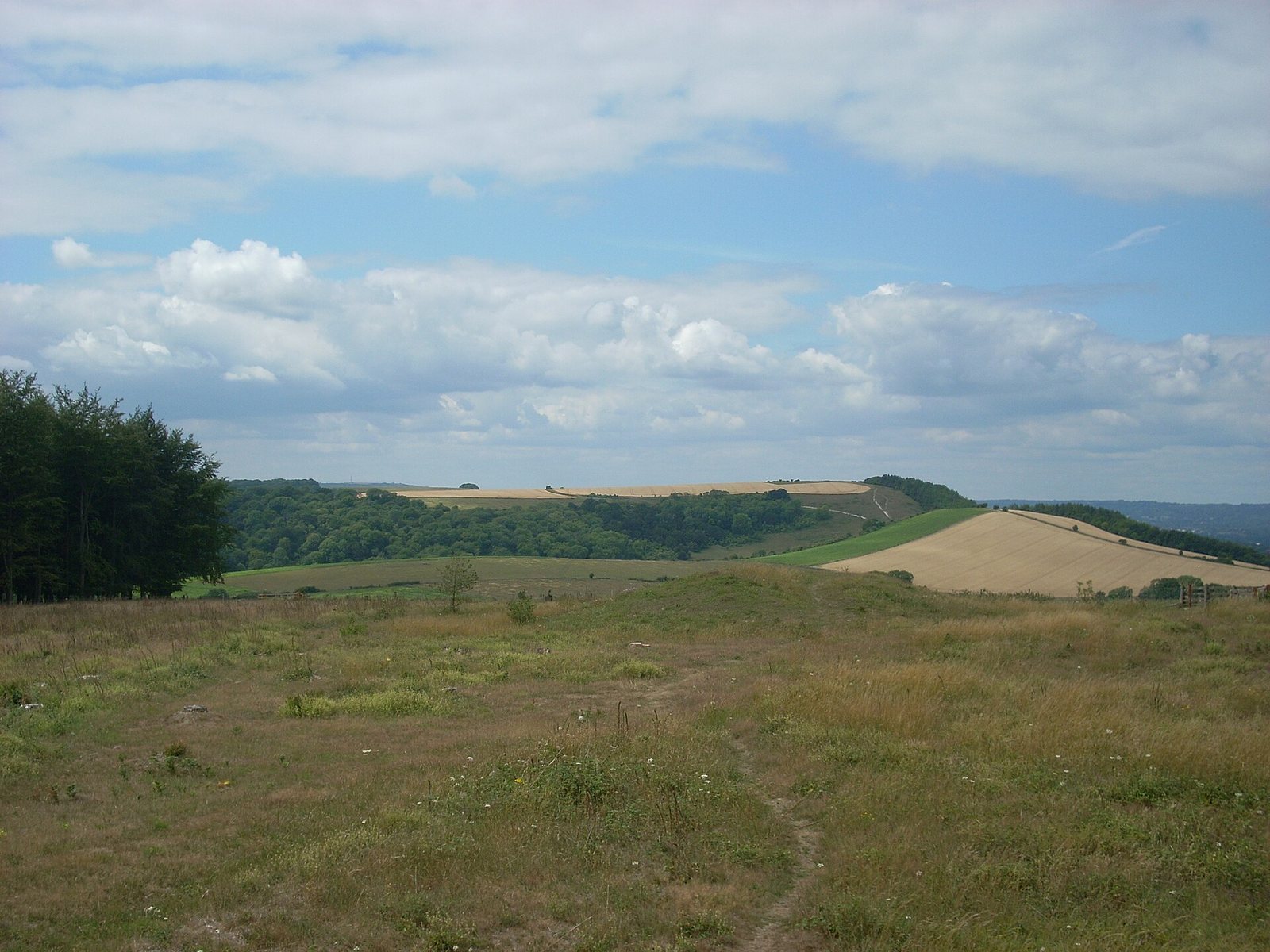
The site is designated both a Scheduled Ancient Monument, a protected archaeological site, and a Local Nature Reserve, a designation recognizing local nature-conservation value. The Murray Downland Trust manages the land by clearing overgrowth and using sheep and cattle grazing. In 2009, the landowners gave permission for trees to be cleared and the area restored to chalk downland.
Remains
Barrow group
The group lies 1.2 kilometres south-east of Treyford. Its five large bell barrows form a line running approximately south-east to north-west, aligned with the sunset on Midsummer Day. They range from 26 to 34 metres in diameter and reach up to 4.8 metres high. Two smaller barrows were situated close to the main group, and traces of a sixth remain.