Uppark: A William and Mary Country House in West Sussex
Site at a Glance
- Popularity
- High
- Country
- United Kingdom
- Primary era
- Early Modern
- Eras represented
- Early Modern, Modern
- Civilizations
- British, English
- Site type
- Domestic
- Remains
- Manor House
On this page7 sections
History
Origins and eighteenth-century owners
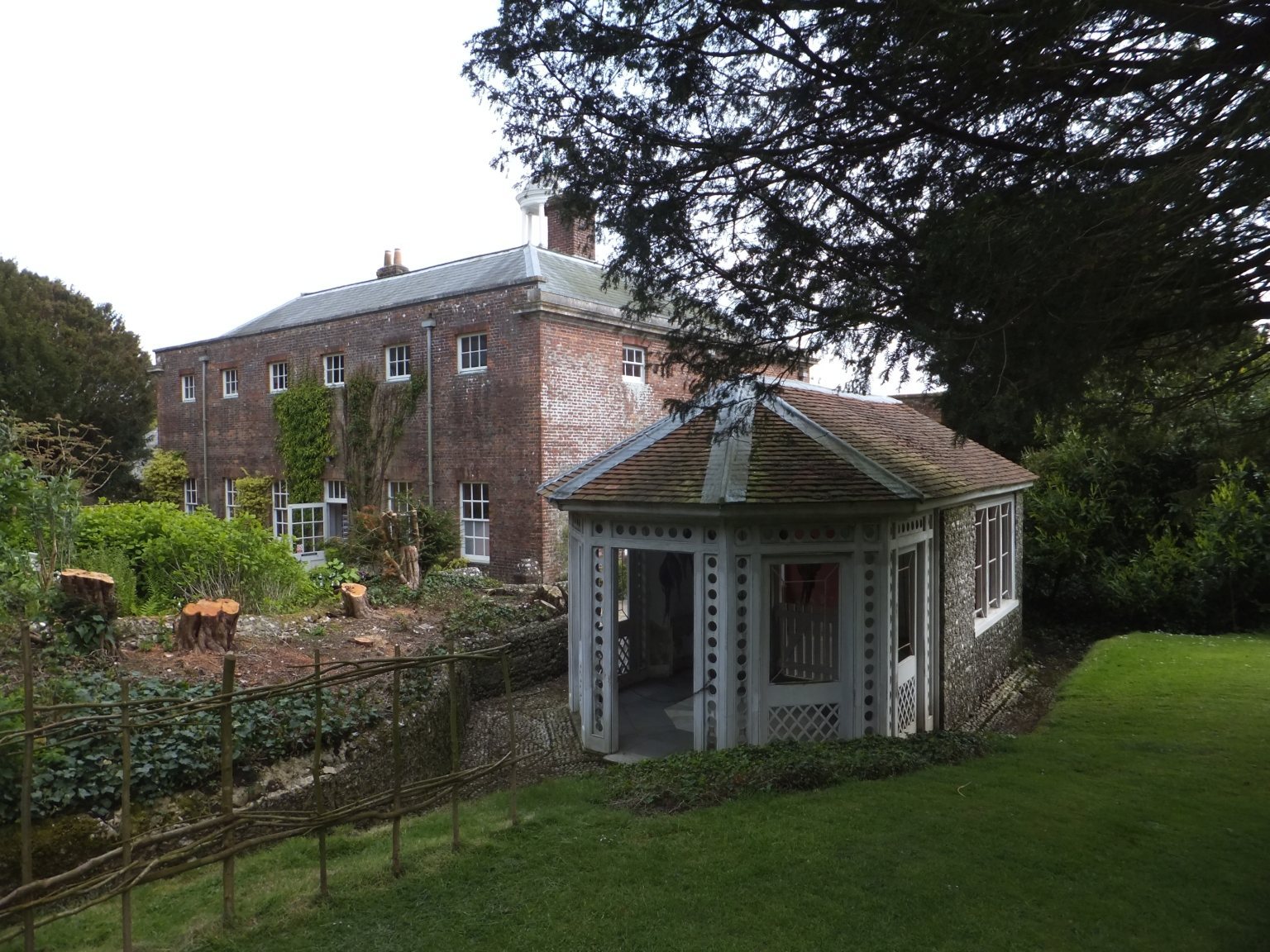
Uppark is a country house at South Harting in West Sussex, United Kingdom. Built around 1690 for Ford Grey, 1st Earl of Tankerville, it is designed in the William and Mary style, an English architectural mode associated with the reigns of William III and Mary II. Its design is attributed to William Talman. The house was once called Up Park, a name that distinguished it from nearby Down Park.
Sir Matthew Fetherstonhaugh and his wife Sarah bought the estate in 1747. Between 1750 and 1760, they extensively redecorated the house and assembled much of the household collection displayed there. Many objects came from their Grand Tour, an extended educational journey through Europe, which they made from 1749 to 1751.
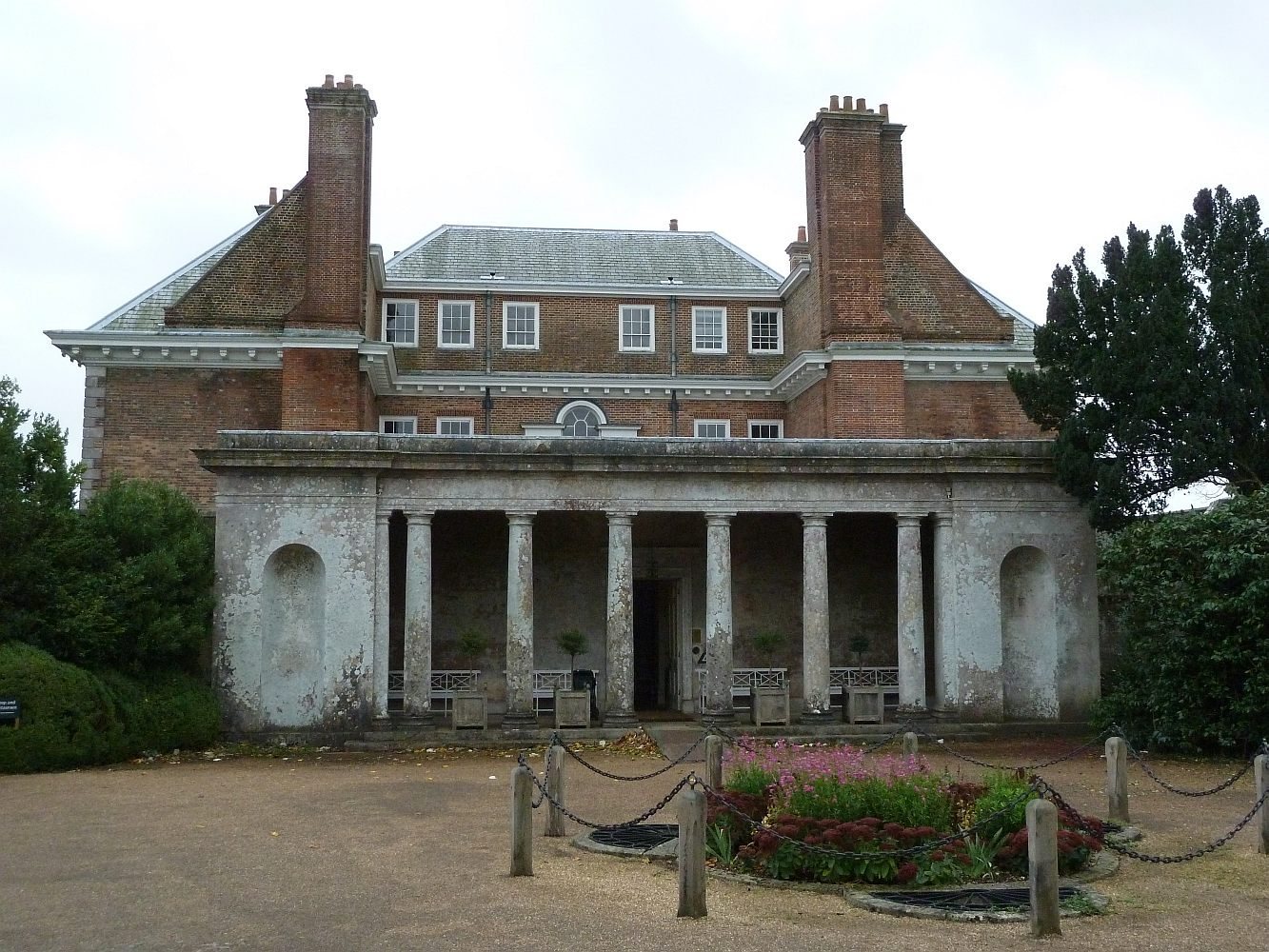
Their son, Sir Henry Fetherstonhaugh, brought the teenage Emma Hamilton to Uppark in 1780 as his mistress and entertained guests at the house. He rejected her after she became pregnant with his child in 1781. Henry also commissioned the landscape designer Humphry Repton to add a columned entrance and a dairy, a service building for processing and storing dairy products, and to lay out a garden.
Nineteenth-century owners and H. G. Wells
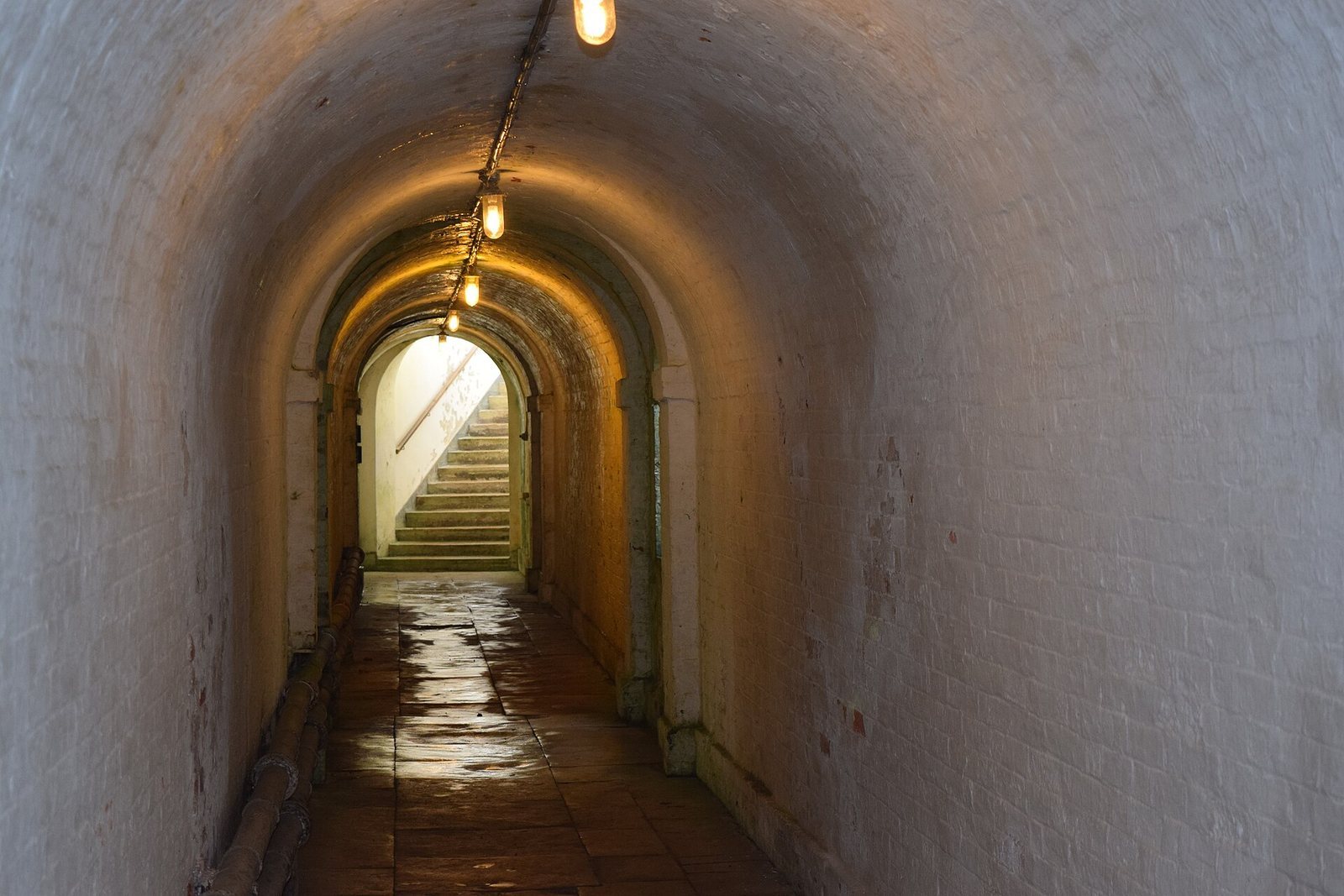
In the nineteenth century, stables and kitchens were constructed as separate buildings and joined to the house by tunnels used by servants. Sir Henry, also known as Sir Harry, married Mary Ann Bullock, a 21-year-old dairymaid, when he was 71. On his death in 1846, he left Uppark to her. She improved the property and, when she died in 1874, left it to her sister Frances.
Frances adopted the name Miss Fetherstonhaugh and chose Colonel Keith Turnour and then Admiral Herbert Meade as heirs. Both were second sons, whom she selected so they could take her adopted name; each did so.
Uppark was also closely connected with the family of the writer H. G. Wells. His mother, Sarah, worked there as a housemaid from 1850 to 1855 and later as housekeeper from 1880 to 1893. His father, Joseph, was a gardener there in 1851, and the couple married in 1853. Wells spent the winter of 1887–88 convalescing at the house. The social divisions he observed there, and his reading in its library, contributed to his meritocratic, liberal, and socialist views. The library included works by Plato, an ancient Greek philosopher, Voltaire, an eighteenth-century French writer and critic, and Thomas Paine, an eighteenth-century political writer. The contrasting lives of the Eloi and Morlocks in The Time Machine are commonly understood as reflecting the inequalities Wells encountered at Uppark. An attic telescope gave him his first chance to study the night sky closely.
National Trust ownership and the 1989 fire
Margaret, wife of Admiral Meade-Fetherstonhaugh, became Uppark’s mistress in 1931 and continued caring for the house and its contents. After the Second World War, the admiral and his son Richard negotiated its transfer to the National Trust, a British conservation organization. The property passed to the Trust in 1954 and was listed as a Grade I building in 1959, the highest category of listed-building designation in England.
On 30 August 1989, a workman’s blowtorch ignited a fire during repairs to the roof’s lead flashing. The work was due to finish two days later, and the fire began while the house was open. Members of the Meade-Fetherstonhaugh family, Trust staff, and members of the public carried many artworks and furnishings outside. The garret and first floors collapsed onto the lower floors, and their contents were lost. Most pictures and furniture were saved, although many items on the ground floor were crushed.
Remains
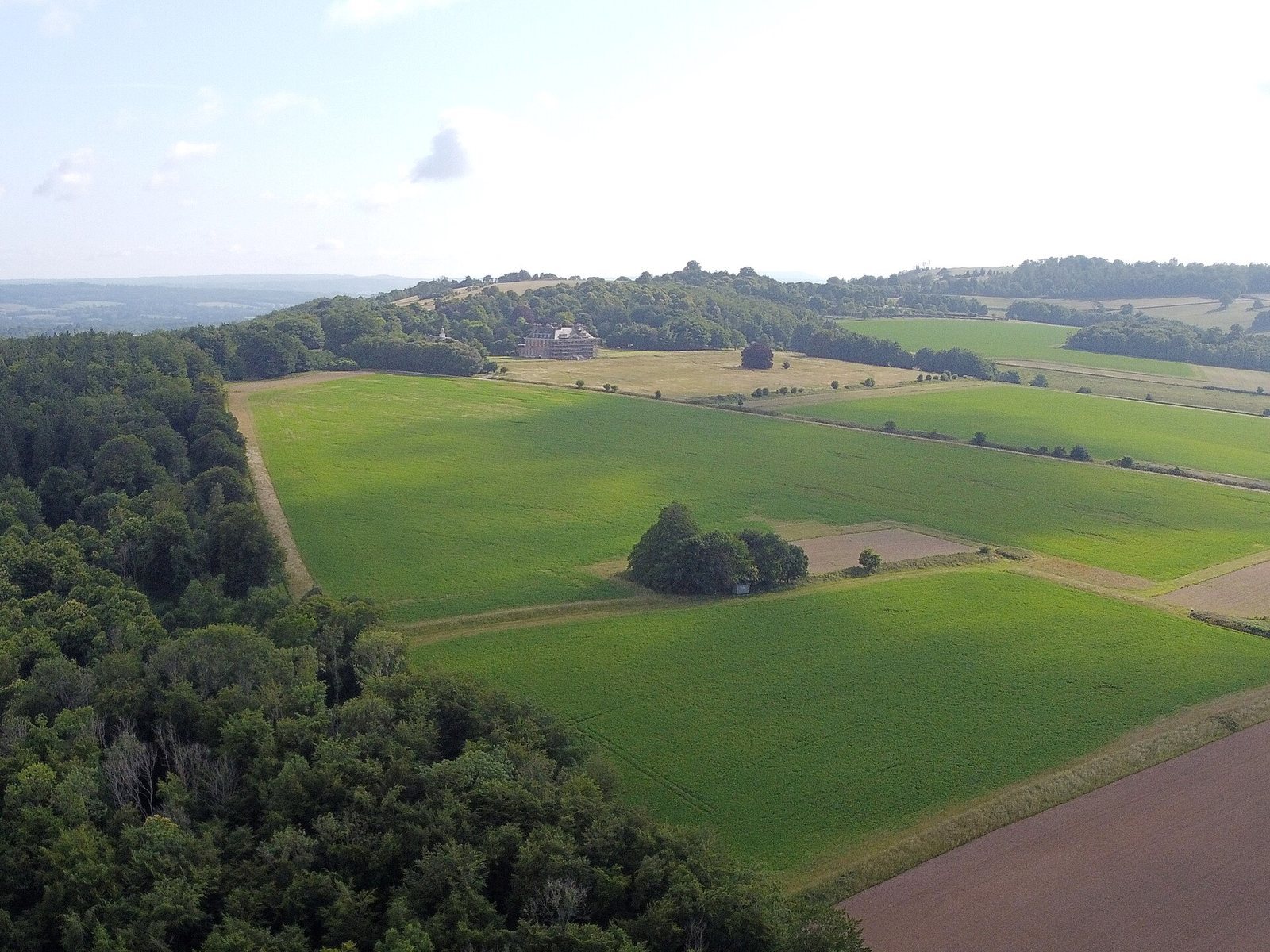
The main house stands high on the South Downs. Its William and Mary design is complemented by Repton’s landscaped garden and later additions, while the estate’s service buildings form separate structures connected to the house below ground.
House and grounds
Repton’s work included a portico, a roofed entrance supported by columns, and a dairy for handling and storing dairy products. The house displays a collection of household items. Following the 1989 fire, Uppark was fully restored, with many lost crafts having to be relearned during the work. Much of the panelling and decoration survived, and burn marks remain on many floorboards on the principal ground floor.
Service buildings
The nineteenth-century stables and kitchens stand apart from the main house. Servants’ tunnels connect these buildings with the residence.