Dębowy Palace in Karpniki: A Nineteenth-Century Residence
Site at a Glance
- Popularity
- Medium
- Country
- Poland
- Primary era
- Modern
- Eras represented
- Modern
- Civilizations
- German, Kingdom of Prussia
- Site type
- Domestic
- Remains
- Castle
On this page6 sections
History
Construction and the baron’s ownership
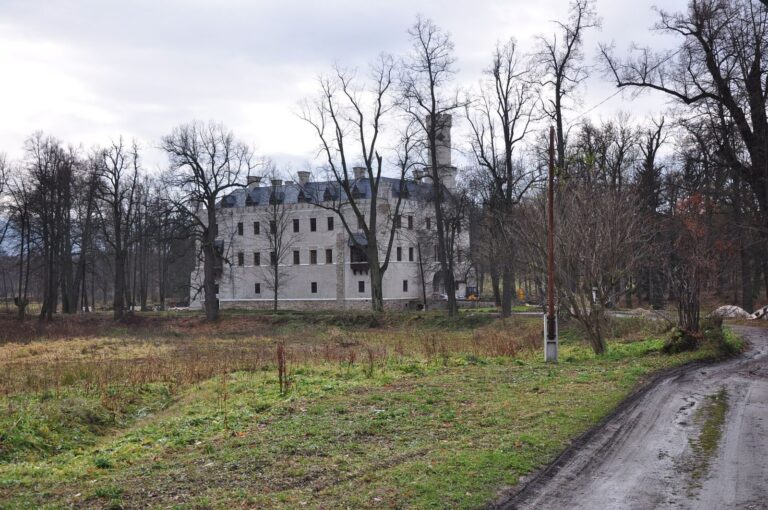
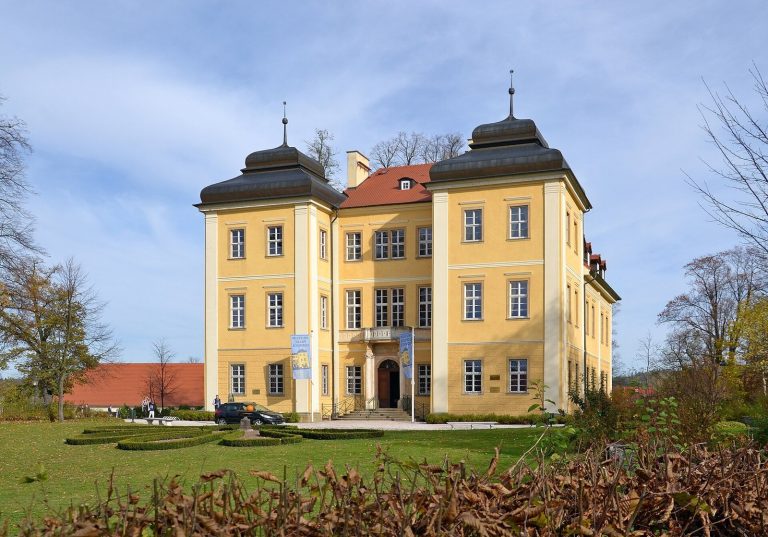
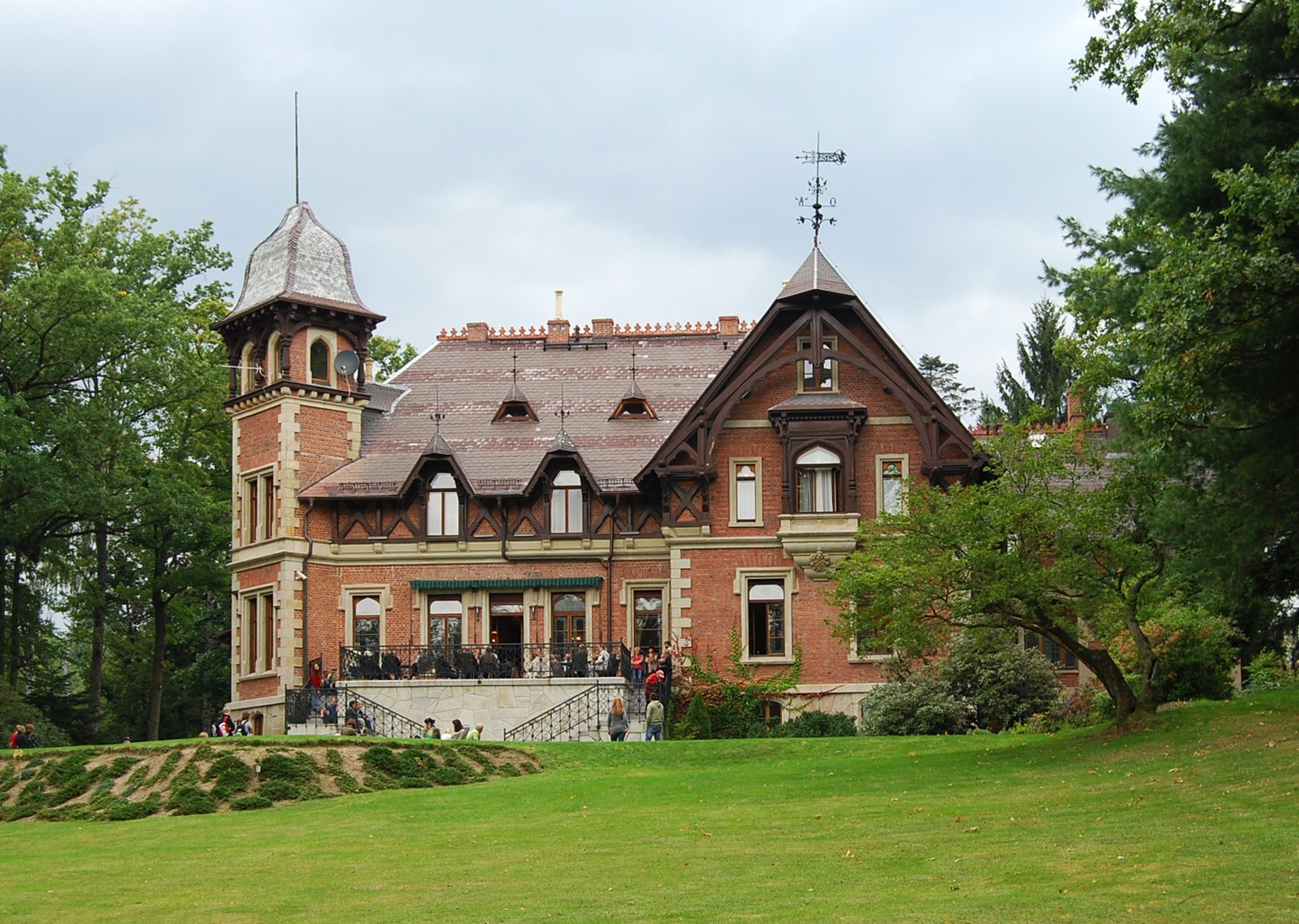
Dębowy Palace in Karpniki, Poland, is a brick residence built in 1875 for Baron Urlich de Tanneux von Saint Paul-Illaire. Its eclectic design combines early Renaissance and Neo-Gothic elements. The baron commissioned it from the Berlin architectural practice led by Hermann Ende and Wilhelm Böckmann. Adalbert of Prussia, a prince and Prussian admiral, had given the northern part of the Karpniki estate to the baron. A senior official responsible for managing a ruler’s household and court, the baron also pursued an interest in botany. In 1892 he founded the German Dendrological Society, an organization devoted to the study of trees. He died at the palace on 21 October 1902.
Later ownership and use
After the baron’s death, the estate passed to Urszula von Lösch. Following the First World War, it belonged to the von Hirschfeld family, then to Caspar Dötsch from 1920 to 1933. Baroness Thea von Wartenberg and her niece Anna Aichinger owned it afterward. The palace escaped major damage during the Second World War. It remained privately owned after the war, rather than being nationalized. During the communist period, it was leased at intervals as an employee holiday center and also served as accommodation for school groups.
Remains
Palace
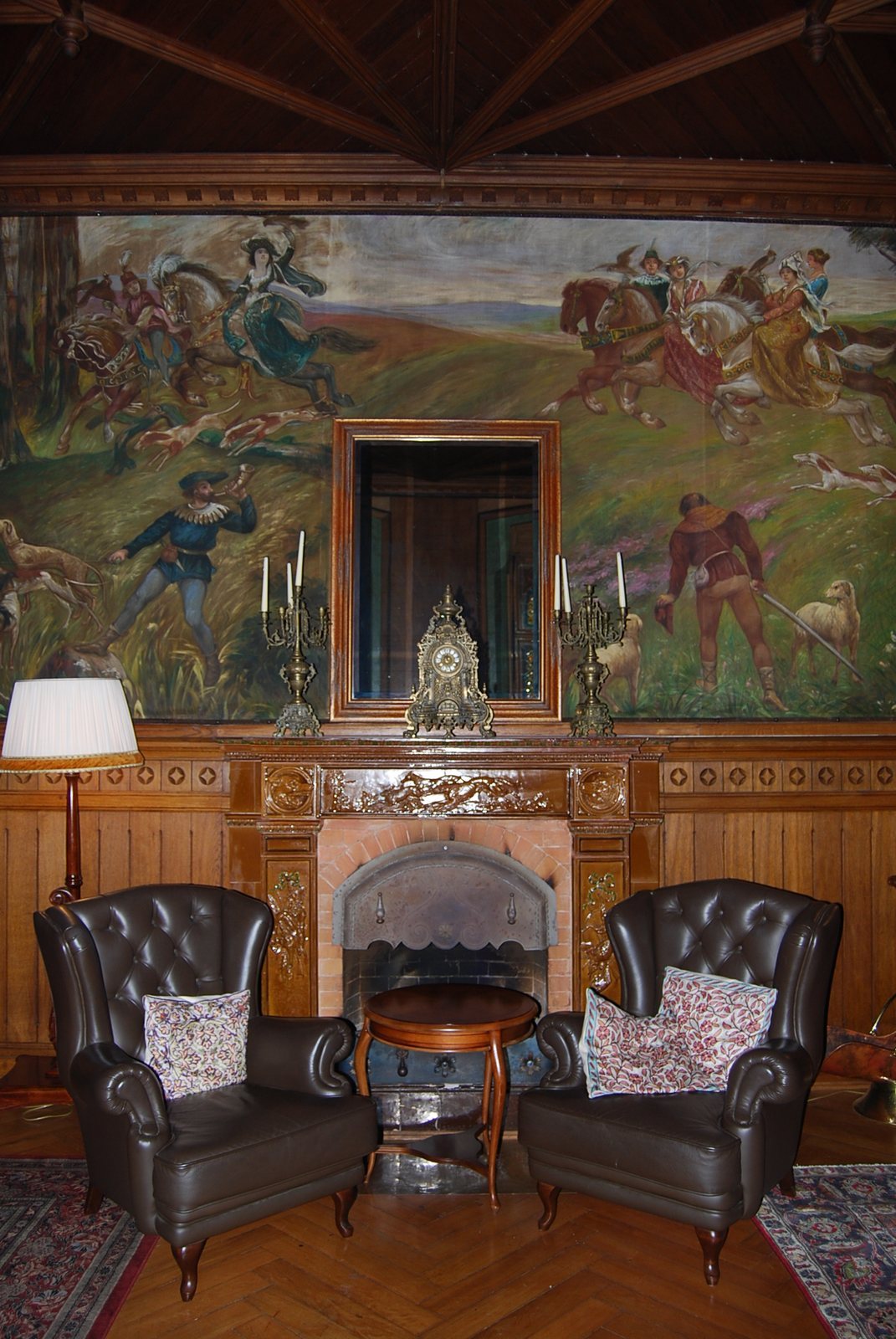
Set outside Karpniki village at the foot of the Sokol Mountains, the palace is an irregular, three-storey brick building with pitched roofs. On its south facade, the western section has a rectangular tower and a projecting part with a bay window. The baron’s coat of arms is positioned beneath that window. Surviving interior features include painted stained-glass windows, fireplaces, coffered ceilings with shaped beams, and wall paintings in the hall.
Park
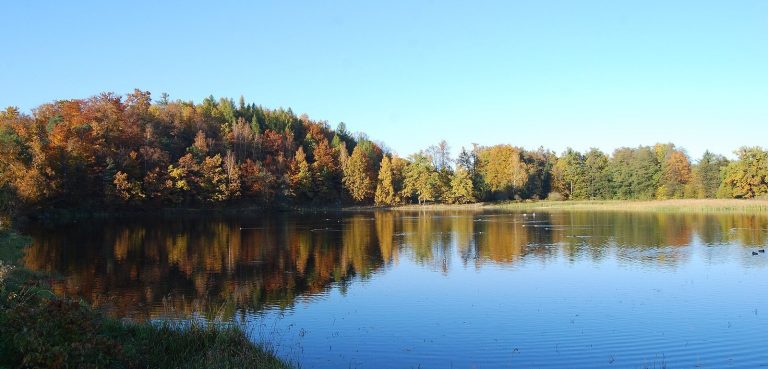
A park surrounds the residence and includes an English garden laid out by the baron. Its rare trees and shrubs include specimens brought from distant regions, among them Tanganyika in eastern Africa.