Cipari Megalithic Site: A Prehistoric Settlement, Worship, and Burial Site in Indonesia
Site at a Glance
- Rating
- 4.5
- Popularity
- Low
- Country
- Indonesia
- Primary era
- Stone Age
- Eras represented
- Stone Age, Bronze Age
- Civilizations
- Unclassified
- Site type
- Burial
- Remains
- Necropolis
On this page8 sections
History
Cipari Megalithic Site is a prehistoric archaeological site in Cipari, West Java, Indonesia, associated with a settled community of the Late Neolithic and early period of bronze use, broadly dated to approximately 1000–500 BCE. The site served as a settlement, a place of worship, and a burial ground, and its remains provide evidence of domestic life alongside large-stone religious monuments.
Discovery and Settlement Phases
Cipari came to archaeological attention in 1972, when a stone burial coffin was found. Systematic research and excavation began in 1975 under the direction of Teguh Asmar, an Indonesian archaeologist. Studies of the rocks, archaeological layers, and groups of artifacts identified two settlement periods, the Late Neolithic and the early period of bronze use. Richard Leakey placed the site at approximately 1000 BCE.
Excavations revealed evidence of everyday activity, including kitchen tools, pottery, bronze objects, stone axes, and building foundations. Together, these finds show a community with organized social arrangements and a range of domestic and craft practices.
Ancestor Worship and Later Development
The community practiced ancestor worship connected with the construction of large-stone monuments. This belief system held that the living and the dead remained closely connected, with consequences for human welfare, livestock, and agricultural production. The monuments were understood to gather the beneficial qualities and good fortune of deceased relatives. They served as objects of homage, symbolic thrones for the arrival of the dead, and representations of the deceased. Feasts and ceremonies accompanied their construction, which was associated with prosperity, social standing, agricultural productivity, and the prospects of the dead in the afterlife.
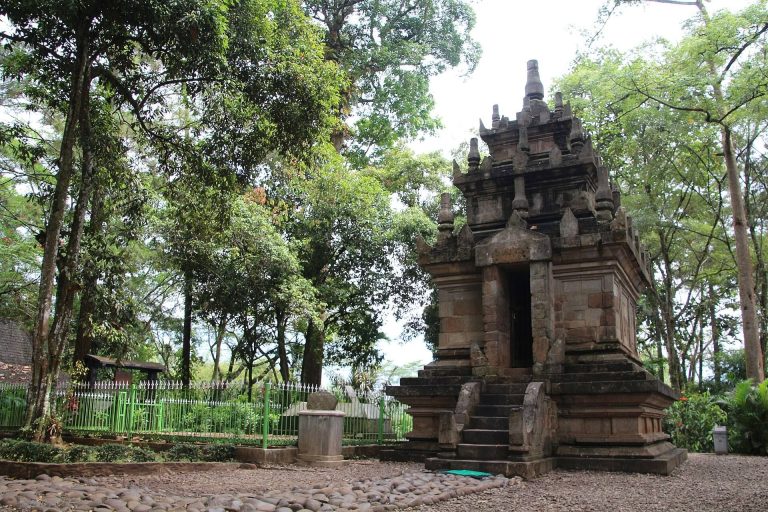
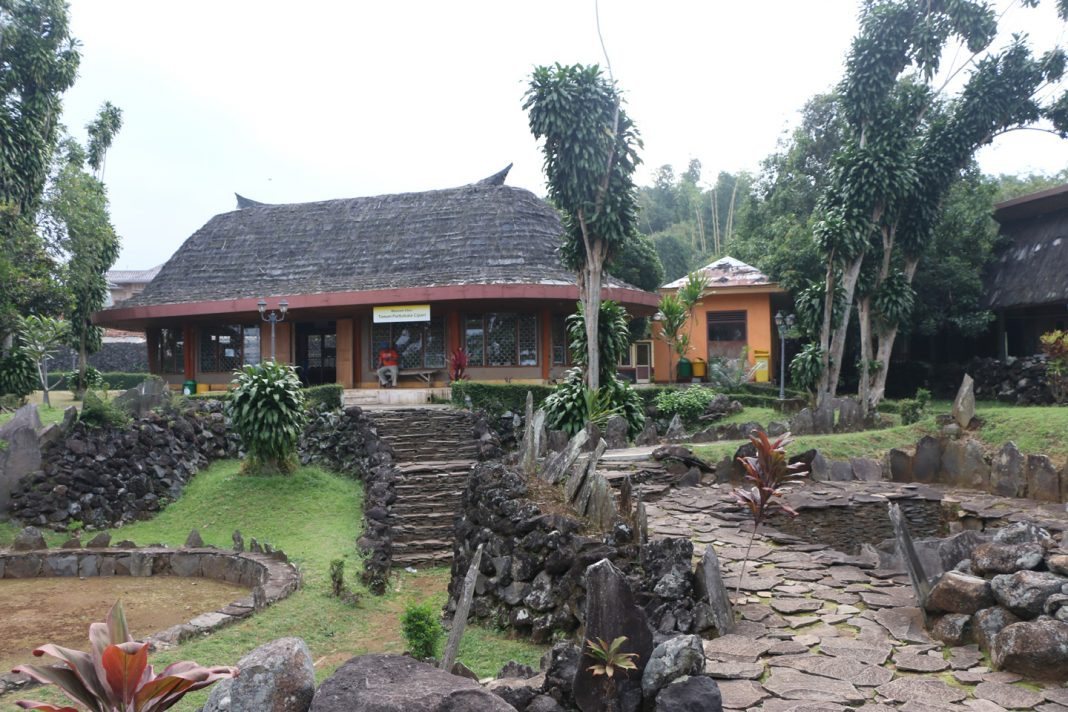
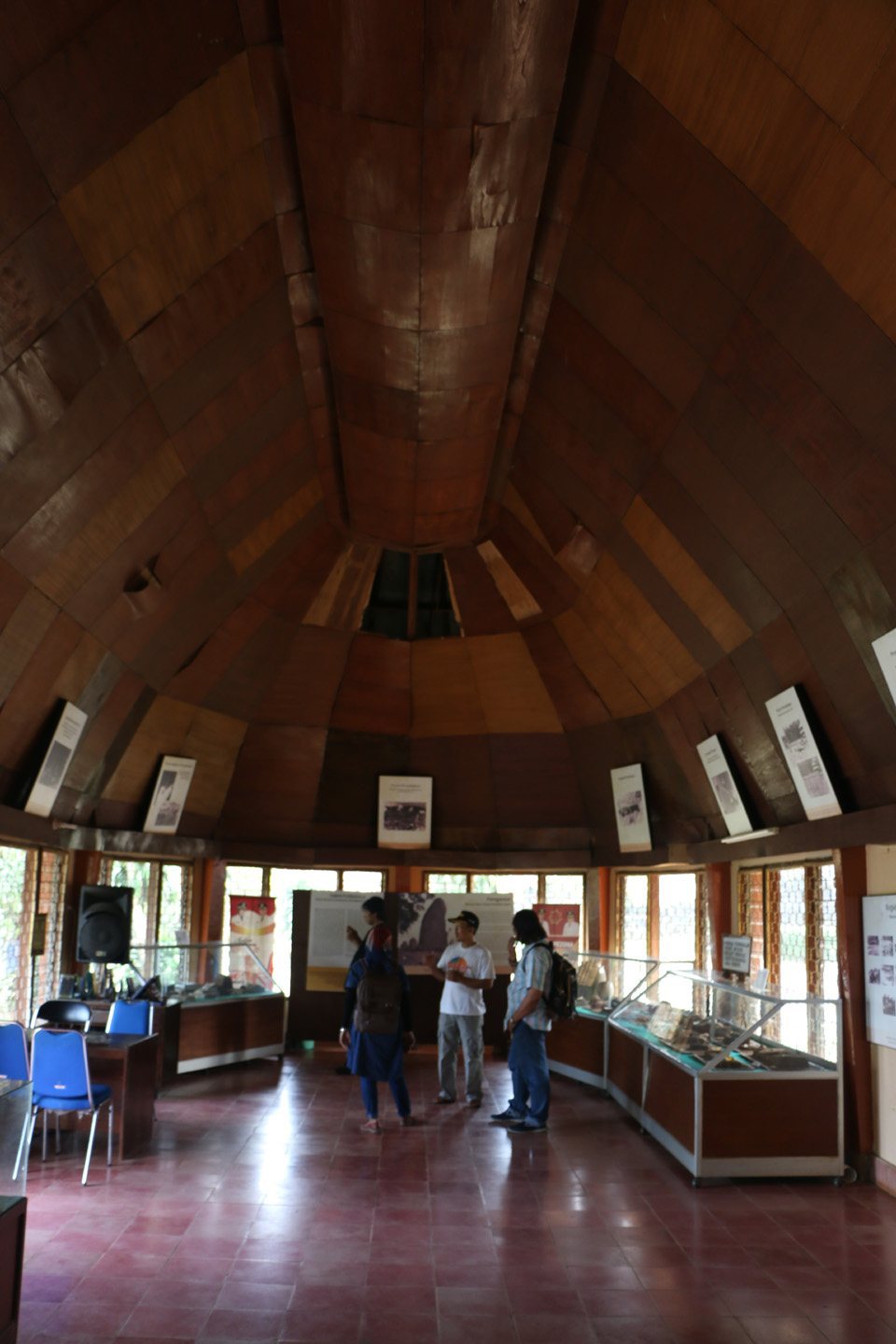
In a later period, local authorities developed Cipari as an archaeological recreation park. The site has been described as Indonesia’s first archaeological park.
Remains
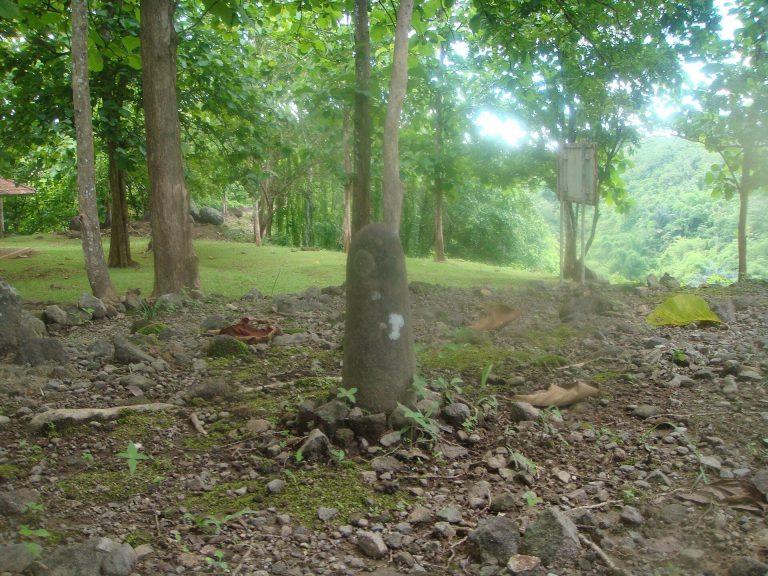
Cipari lies at approximately 661 metres above sea level at the foot of Mount Ciremai, a volcanic mountain in West Java, and about four kilometres from the town of Kuningan. Its physical remains include stone burial coffins, dolmens, menhirs, other tombs, and the foundations of buildings. A dolmen is a stone monument formed by a large horizontal slab supported by upright stones, while a menhir is a standing stone.
Burial Monuments
Stone Burial Coffins
The burial coffins were built from stone slabs assembled in the manner of boards. Most were elongated along a southwest-to-northeast axis, an orientation interpreted through ideas associated with natural forces such as the sun and moon. Grave goods found within the coffins include objects connected with the community’s burial practices.
Dolmens, Menhirs, and Tombs
Other megalithic remains include dolmens, menhirs, and additional tombs. These monuments formed part of the site’s ritual and funerary landscape, in which large stones represented the continuing relationship between the living community and its ancestors.
Settlement Evidence
Building foundations preserve the layout of structures used by the settlement, while pottery, bronze objects, stone axes, and kitchen tools provide material evidence of domestic activity. These remains, together with the burial monuments, place everyday life, craft production, ritual, and funerary practice within the same archaeological setting.