Čifte Hammam: An Ottoman Public Bath in Skopje
Site at a Glance
- Popularity
- Medium
- Country
- North Macedonia
- Primary era
- Medieval
- Eras represented
- Medieval
- Civilizations
- Ottoman
- Site type
- Sanitation
- Remains
- Baths
History
Čifte Hammam is an Ottoman-style public bath in Skopje, North Macedonia, built by the Bosnian general Isa-Beg Ishaković in the second half of the fifteenth century. It was established under the Ottoman Empire, a state centered in Anatolia that ruled much of southeastern Europe and western Asia for centuries. The bath formed part of Isa-Beg’s endowment, intended to provide a regular source of income.
The name Čifte derives from the Turkish word çift, meaning “pair” or “two,” and the building is also known as Isa-Beg’s Hammam. The seventeenth-century Ottoman travel writer Evliya Çelebi called it the New Hammam. The earliest written reference to the building appears in the 1531 endowment deed for Isa-Beg Mosque.
The 1963 Skopje earthquake badly damaged the bath and partly destroyed it. After restoration, it was converted into an art gallery. Since 2001, it has hosted exhibitions and housed part of the National Gallery of Macedonia’s collection.
Remains
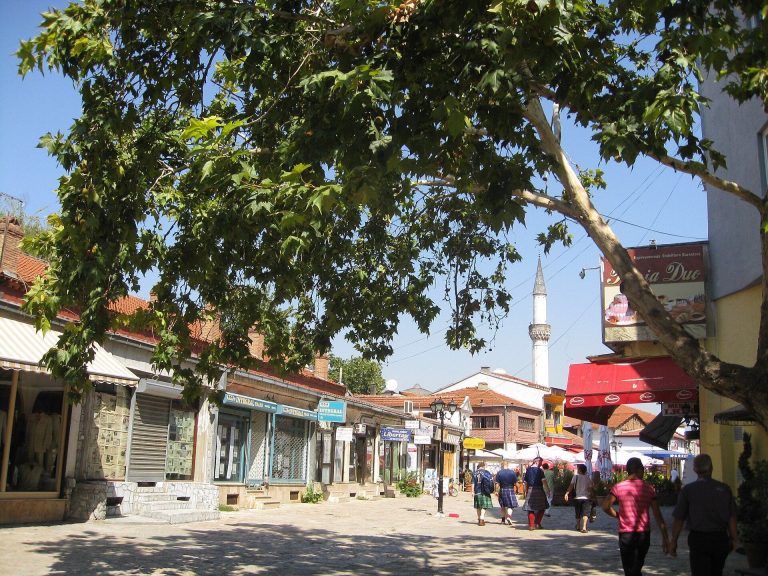
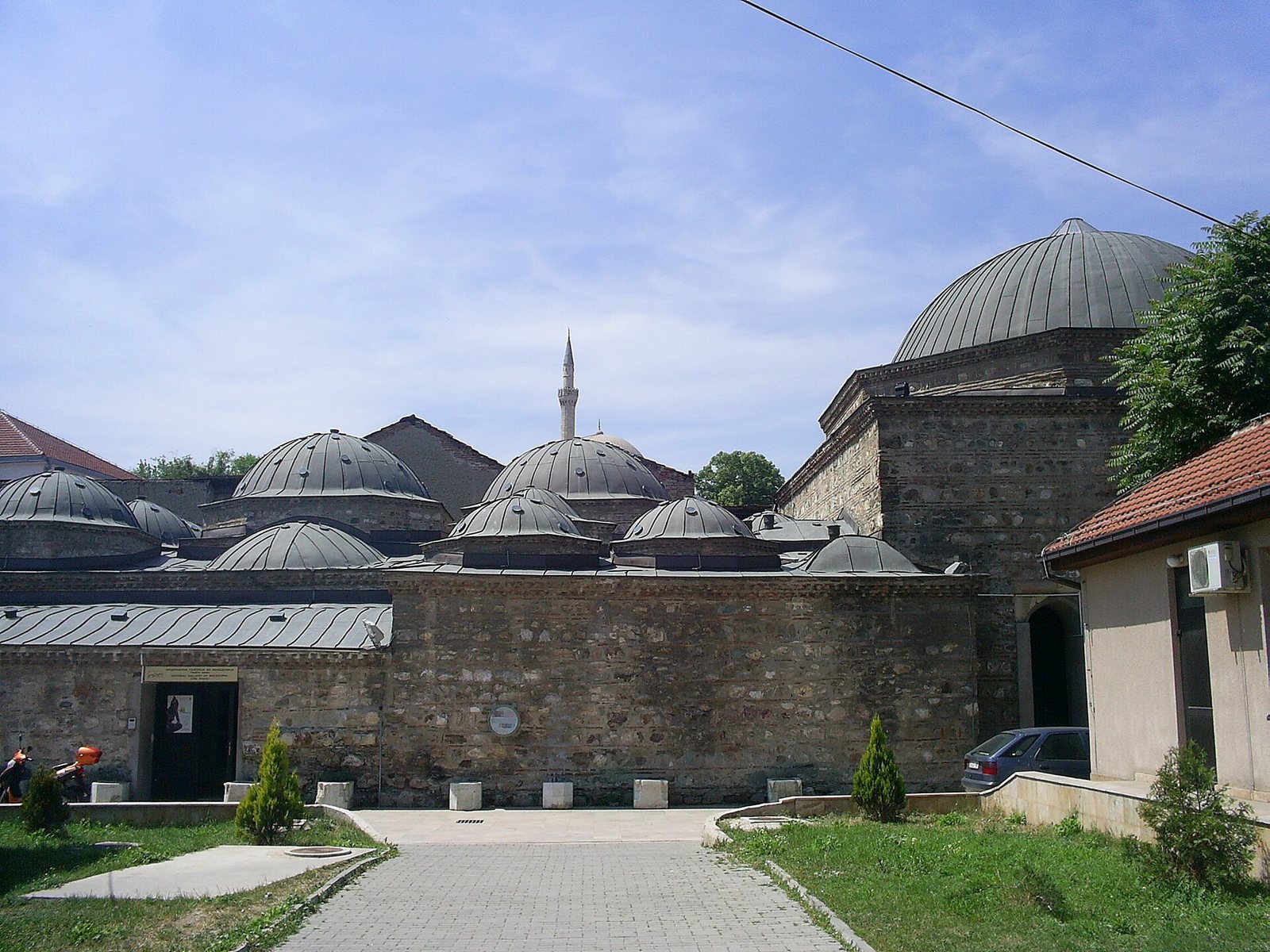
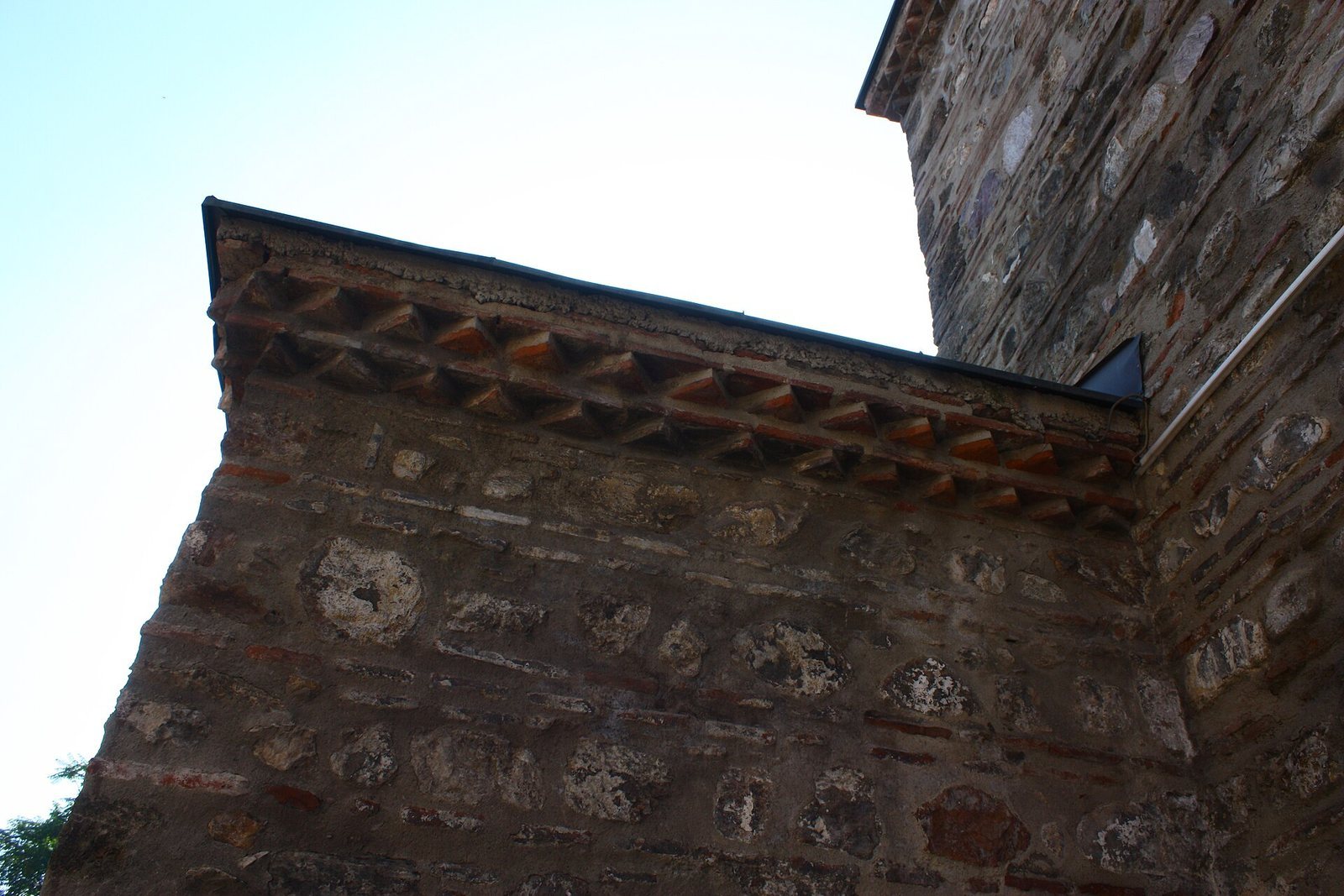
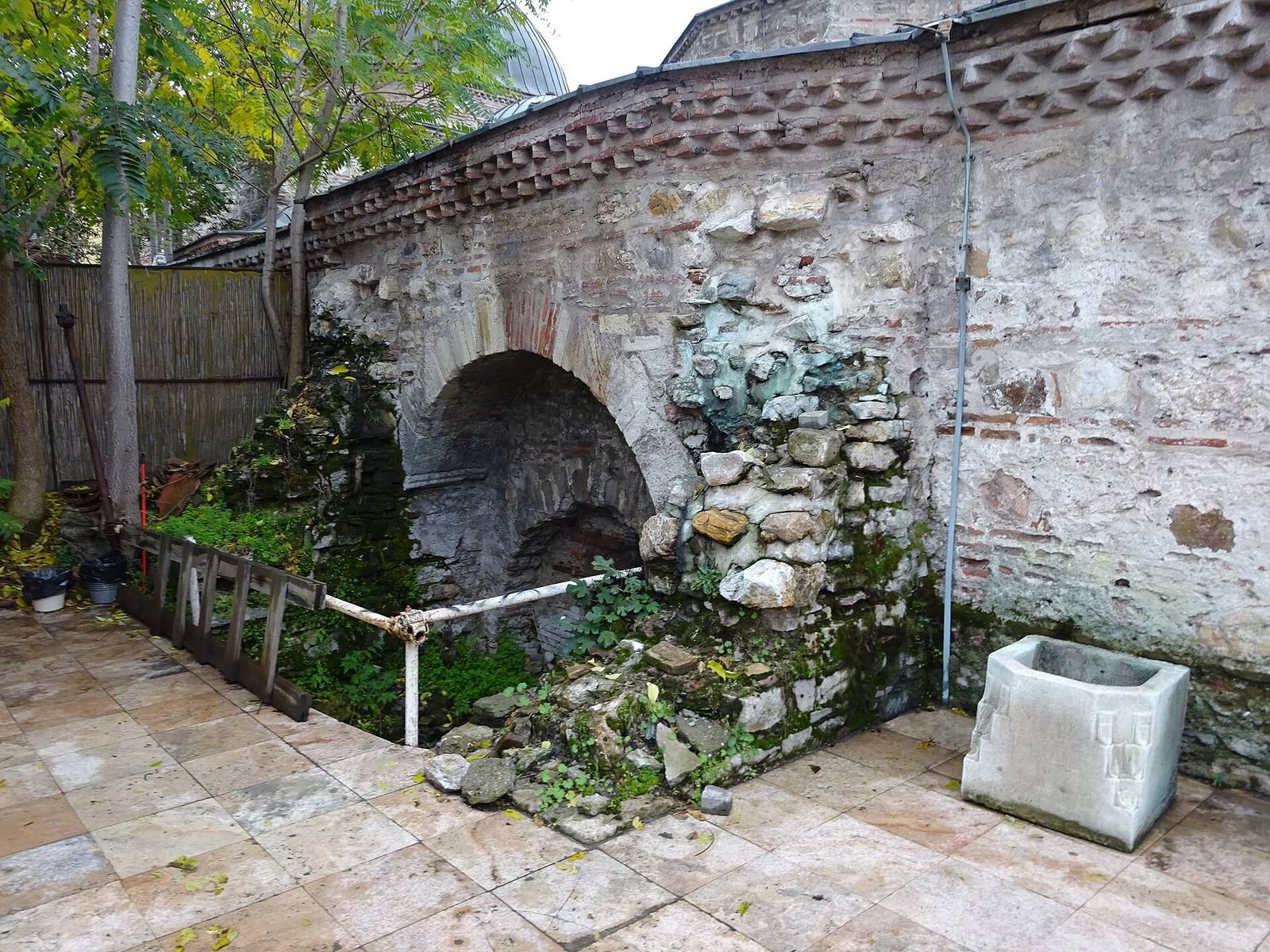
The single-storey building stands in the central part of Skopje’s Old Bazaar, between Murat Pasha Mosque and Suli An. Together, the three form the only surviving Islamic trio in the bazaar and in Skopje. Shops almost entirely surround the hammam and obscure much of its external form. Built as a single structure from stone, brick, and mortar, it has two large domes and several smaller ones, arranged within a unified exterior and functional plan. It is regarded as a rare and architecturally important Balkan bathhouse.
The building’s plan separates male and female sections, each with its own dressing room; the sections meet at a shared bathing area. Three distinct heated rooms served the bath. One contained a pool constructed for ritual bathing by Skopje’s Jewish community.