Church of St. Simon and Judah (Hrabkov): An Early Gothic Filial Church in Slovakia
Site at a Glance
- Rating
- 5
- Popularity
- Very Low
- Country
- Slovakia
- Primary era
- Medieval
- External website
- Open
- Eras represented
- Medieval, Early Modern, Modern
- Civilizations
- Habsburg, Hungarian
- Site type
- Religious
- Remains
- Church
On this page6 sections
History
Medieval Foundation
The Church of St. Simon and Judah (Hrabkov) is a Roman Catholic filial church in Hrabkov, Slovakia, built in the first half of the fourteenth century in the Early Gothic style. A filial church is attached to a parish but is not its principal church. The building was established near an Augustinian monastery, a religious community belonging to the Catholic Order of Saint Augustine. Its dedication is to Simon the Canaanite and Jude Thaddeus, traditionally identified as two of the Twelve Apostles of Jesus.
Alterations and Later History
The church was altered in the Baroque style in 1716. Following the earthquake of 1813, it was repaired and expanded, and a further expansion took place in 1843. Additional alterations followed in 1924, 1943, and at the end of the twentieth century.
The church belongs to the Roman Catholic parish of Křižovany, within the Prešov-West deanery of the Archdiocese of Košice. Slovakia declared it a cultural monument in 1993, and it is registered as cultural monument 10700/1.
Remains
Church Building
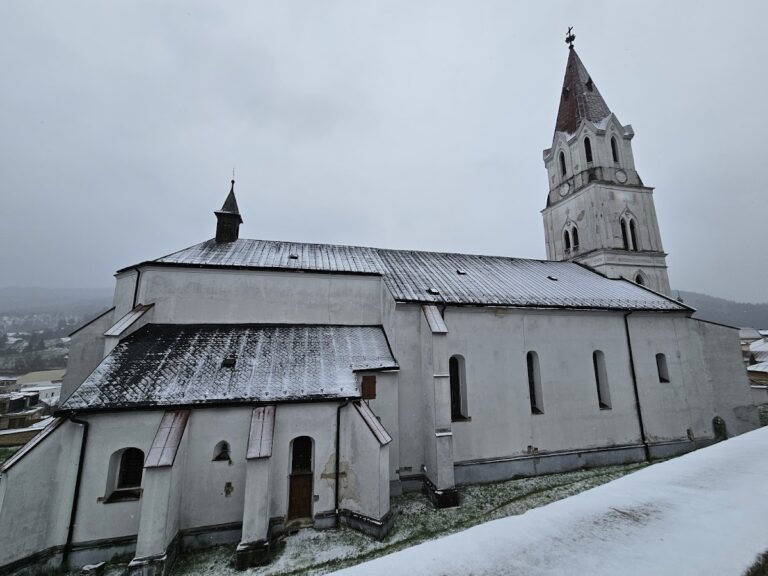
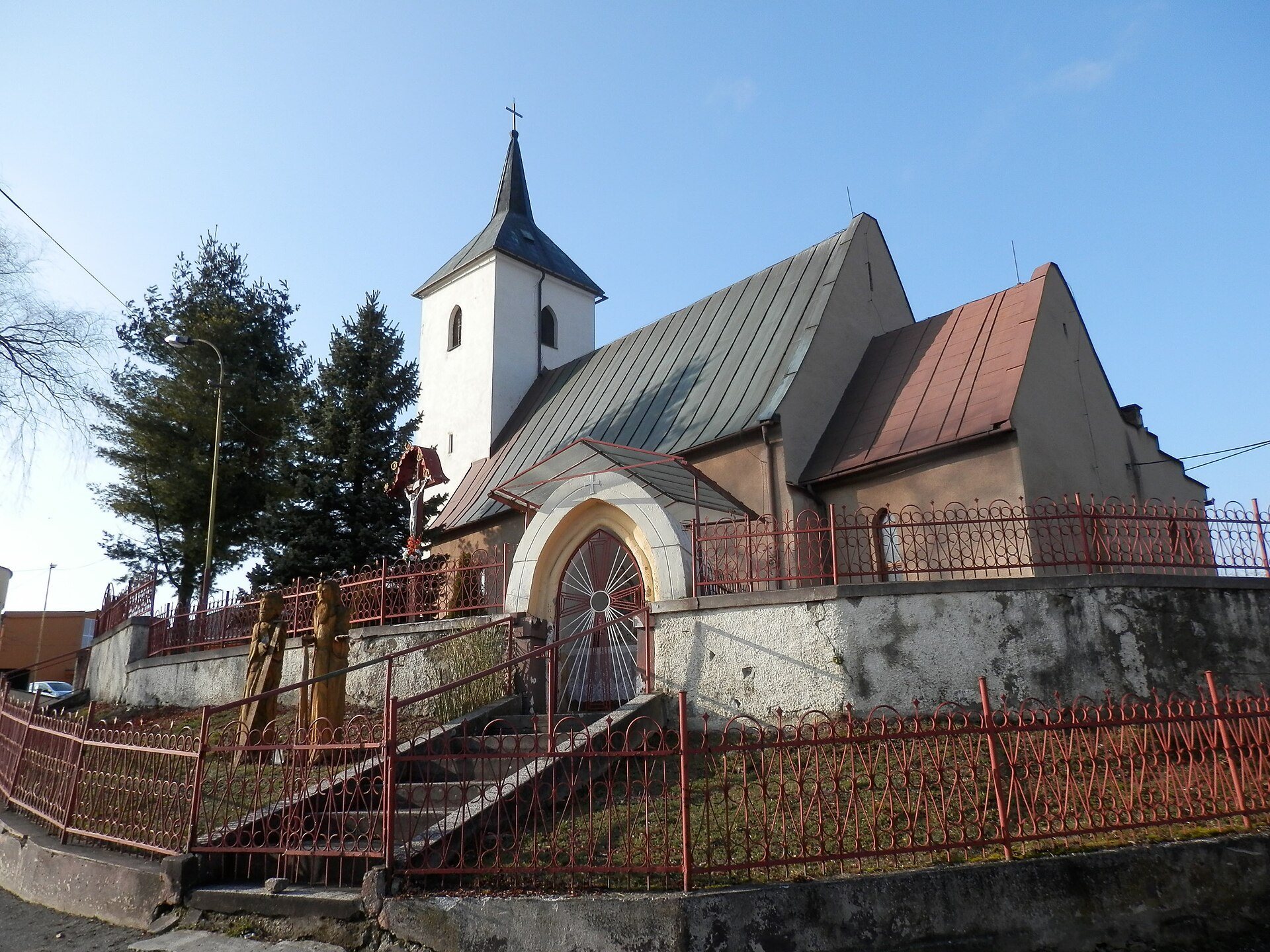
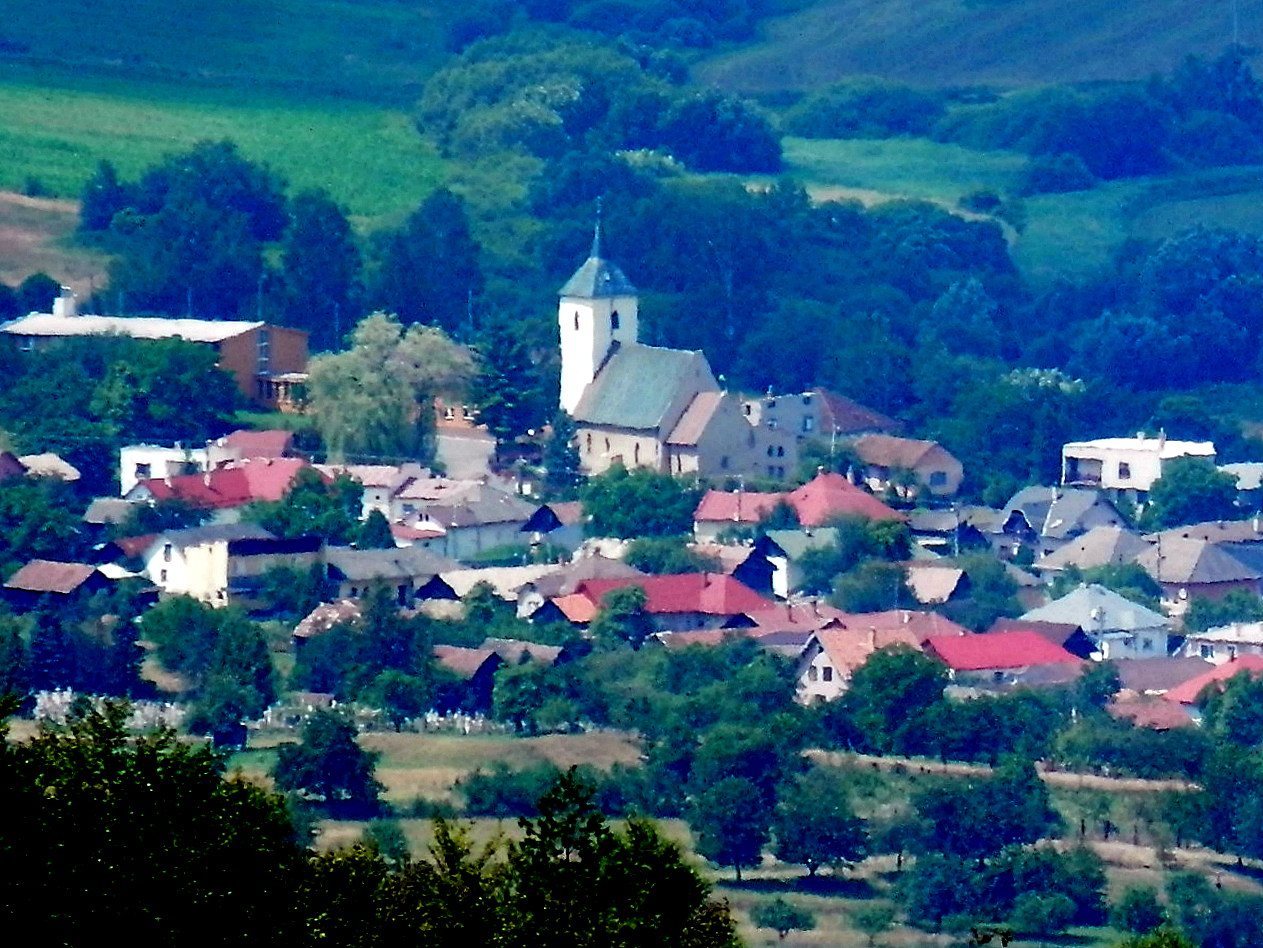
The church stands in the western part of Hrabkov in Prešov District. It is an oriented, single-nave rectangular building with a straight-ended rectangular sanctuary. A tower rises from the western facade. Quarry stone and quicklime form the main construction, while the tower is built of dressed stone. The windows end in pointed arches, reflecting the building’s Early Gothic character, although their original colored glazing has been replaced by white glass. The church is covered by a double-ridge gabled roof, and the tower has a pyramidal roof with openings.
Interior and Enclosure
Inside, the nave has a barrel vault and furnishings dating from the beginning of the twentieth century. A bell in the tower probably came from the former monastery, linking the present church with the religious foundation that once stood nearby. A stone perimeter wall surrounds the building.