Church of St Mary, Abbas and Templecombe: A Medieval Parish Church
Site at a Glance
- Rating
- 4.8
- Popularity
- Very Low
- Country
- United Kingdom
- Primary era
- Medieval
- External website
- Open
- Eras represented
- Medieval, Modern
- Civilizations
- Anglo-Saxon, British, Norman
- Site type
- Religious
- Remains
- Church
On this page9 sections
History
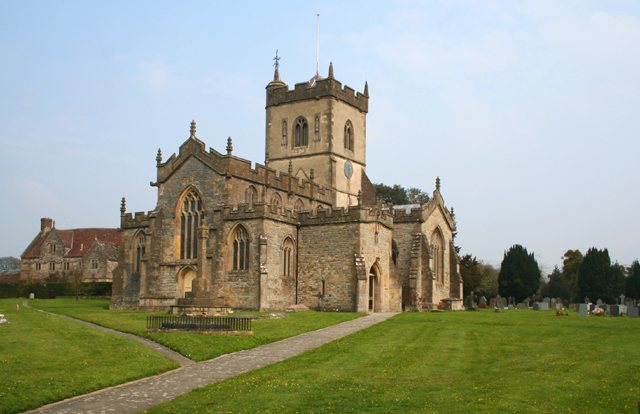
Church of St Mary, Abbas and Templecombe is a 12th-century Anglican church in the United Kingdom, with foundations beneath its tower that are probably Saxon. Its history is closely connected with the medieval manors of Templecombe and the Templar establishment that once administered lands in south-west England and Cornwall.
Early medieval foundations
One of the parish manors was held by Earl Leofwine, an Anglo-Saxon nobleman, before he gave it to Bishop Odo of Bayeux after the Norman Conquest, the 11th-century takeover of England by William, Duke of Normandy, who became King William I in 1066. The church was probably established while the manor belonged to Shaftesbury Abbey. The probable Saxon foundations of the tower point to an earlier phase of activity beneath the present medieval building.
The Templar preceptory
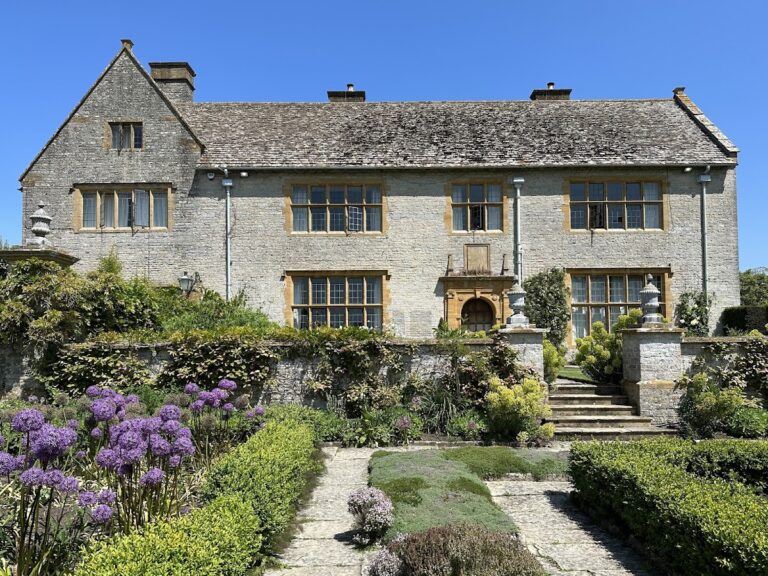
While the manor was held by Serlo FitzOdo, a descendant of Leofwine, it was granted to the Knights Templar. The Templars were a medieval Christian military order formed to protect pilgrims and support the Crusades. In 1185, Serlo established the Templecombe preceptory, a Templar administrative and religious centre responsible for property and activities in a particular area.
The preceptory administered Templar lands in south-west England and Cornwall. It may also have trained men and horses for the Crusades. The establishment was associated with the name Combe Templariorum. Following the suppression of the Knights Templar under a papal order of 1307, the property passed to the Knights of St John, also known as the Hospitallers, a Christian military and charitable order that inherited many former Templar holdings. They retained it until the dissolution of the monasteries.
Restoration and wartime damage
The church underwent a major Victorian restoration during the 19th century. The chancel was completely rebuilt and a vestry was added. During World War II, four bombs fell near the southern side of the church. The explosions damaged arches in the nave, the roof, the tower, several windows, and the organ.
Further restoration in the 1950s and 1980s helped reveal evidence connected with the church’s medieval art and furnishings. Church of St Mary was designated a Grade II* listed building on 24 March 1961, a designation reflecting its architectural and historical importance.
Remains
Church structure
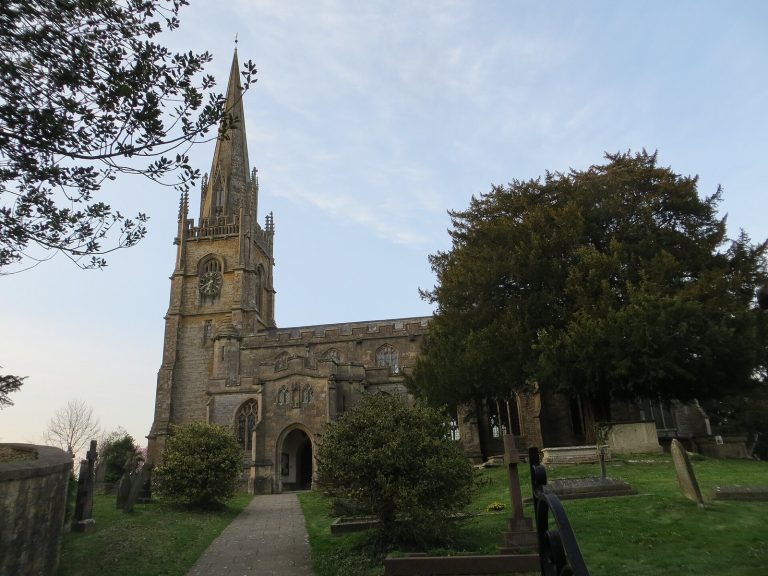
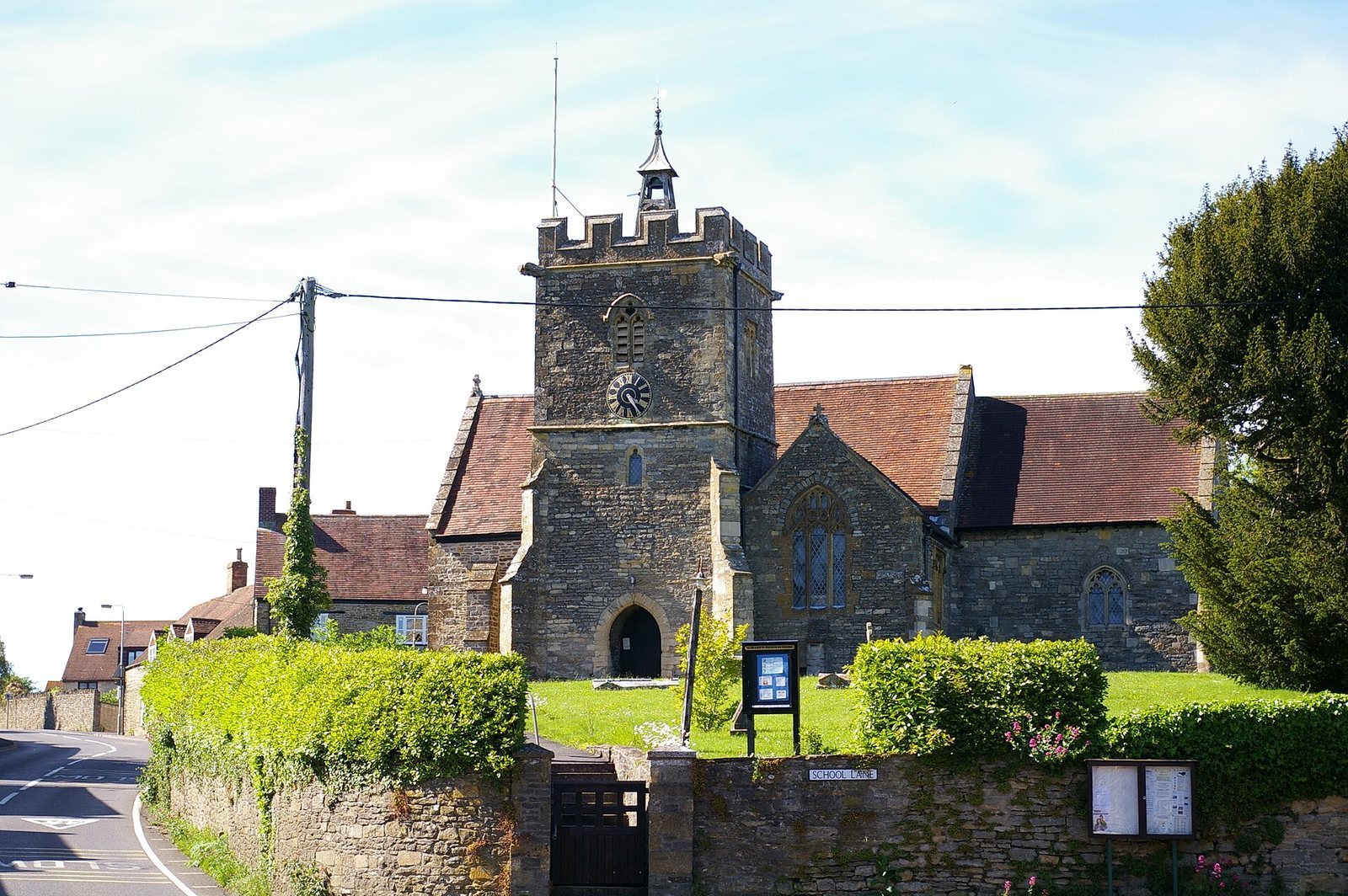
The surviving stone church is faced with Hamstone, the distinctive honey-coloured local stone quarried principally at Ham Hill in Somerset, and covered by clay-tile roofs. Its plan includes a two-bay chancel, a four-bay nave, and a south transept. A southern entrance porch occupies the base of the two-stage tower. Buttresses were added after the tower had been built, while the chancel reflects the extensive Victorian rebuilding.
Tower bells and furnishings
The tower contains a sequence of bells from the 15th to the 19th centuries. The oldest was cast at a Salisbury foundry around 1420. Two bells date from 1656 and were made by Robert Purdue, while two others were cast in 1736 by Thomas Bilbie of the Bilbie family. The most recent bell dates from 1891.
The 12th-century font is made from Purbeck Marble, a polished fossil-bearing limestone from the Isle of Purbeck in Dorset that was widely used for medieval church furnishings. Its cover dates from 1897. The church plate includes a cup and cover from 1628, two salvers made by Anthony Nelson in 1725, and a flagon from 1845.
Churchyard memorials
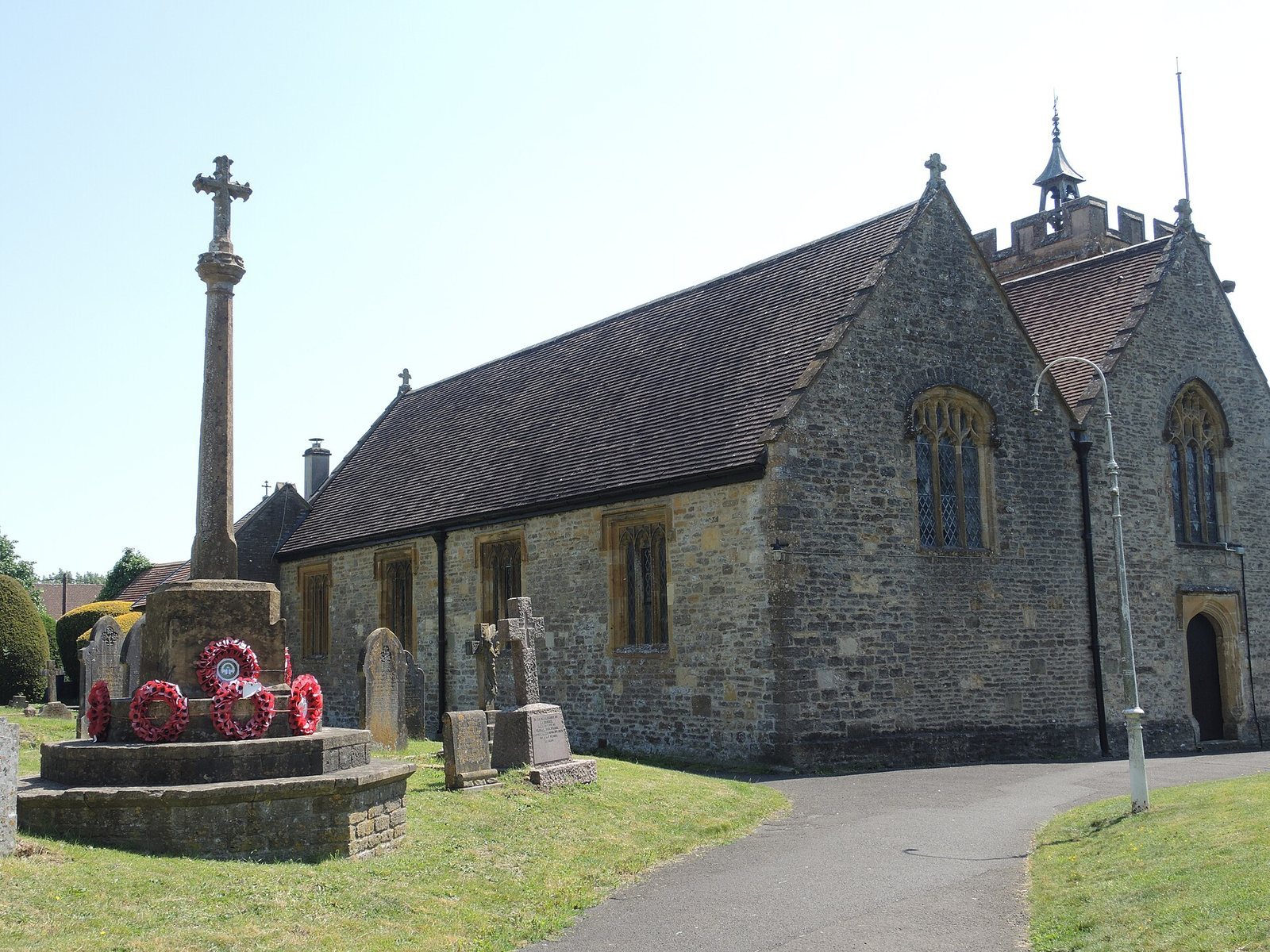
A 15-foot, or 4.6-metre, stone cross in the churchyard serves as the village war memorial. The churchyard also contains four Commonwealth war graves: two belonging to British Army soldiers of World War I, one to an airman of World War II, and one to a World War II WRNS petty officer.
The Templecombe Head
The church contains a painted head on wooden boards known as the Templecombe Head. It was found in 1945 above the ceiling of an outhouse at a local cottage. The panel had been fixed inside the roof with wire and covered with plaster after part of the ceiling collapsed. It was given to the church in 1956.
The painting is thought to date from the 13th century and is associated with the Templecombe preceptory. Gold stars and microscopic traces of bright colours were identified during restoration in the 1950s and again in the 1980s. These colours were still visible when the panel was discovered in the 1940s, but were impaired after the local vicar cleaned it with Vim. Hinges and a keyhole added at an unknown point suggest that the panel may have been used as a door.
The head has long been believed to represent Christ, the central figure of Christianity, although it lacks the halo commonly used in contemporary religious images. Other interpretations identify the figure as John the Baptist, a first-century Jewish preacher regarded in Christian tradition as the forerunner of Jesus. The painting has also been linked speculatively with the Shroud of Turin, a linen cloth bearing an image traditionally associated with the burial of Jesus.