Burford Priory: A Country House on a Medieval Hospital Site
Site at a Glance
- Popularity
- High
- Country
- United Kingdom
- Primary era
- Early Modern
- Eras represented
- Medieval, Early Modern
- Civilizations
- English
- Site type
- Domestic
- Remains
- Elite Residence
On this page8 sections
History
Hospital and Elizabethan house
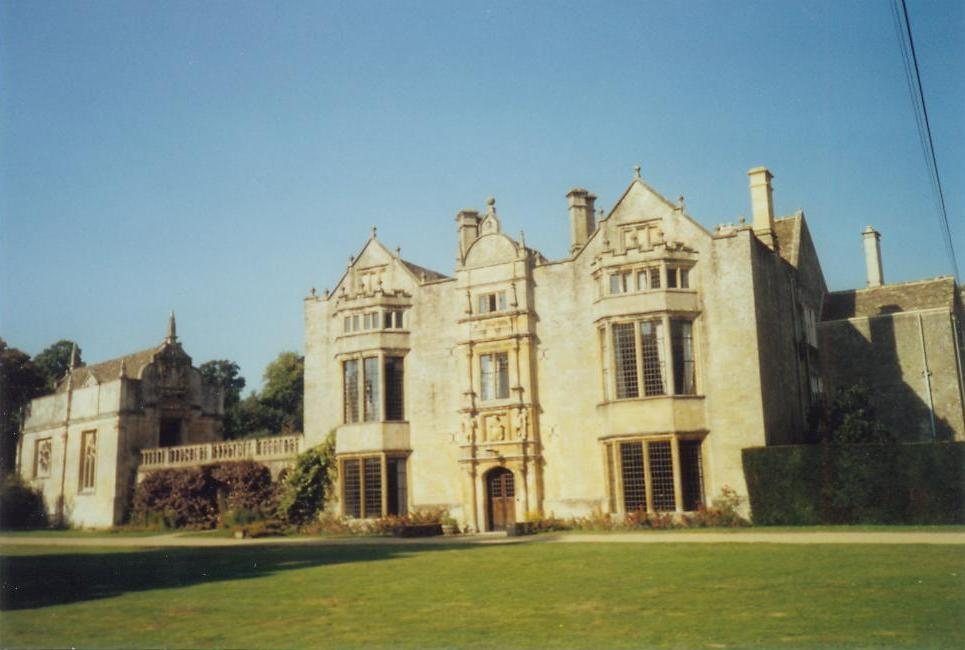
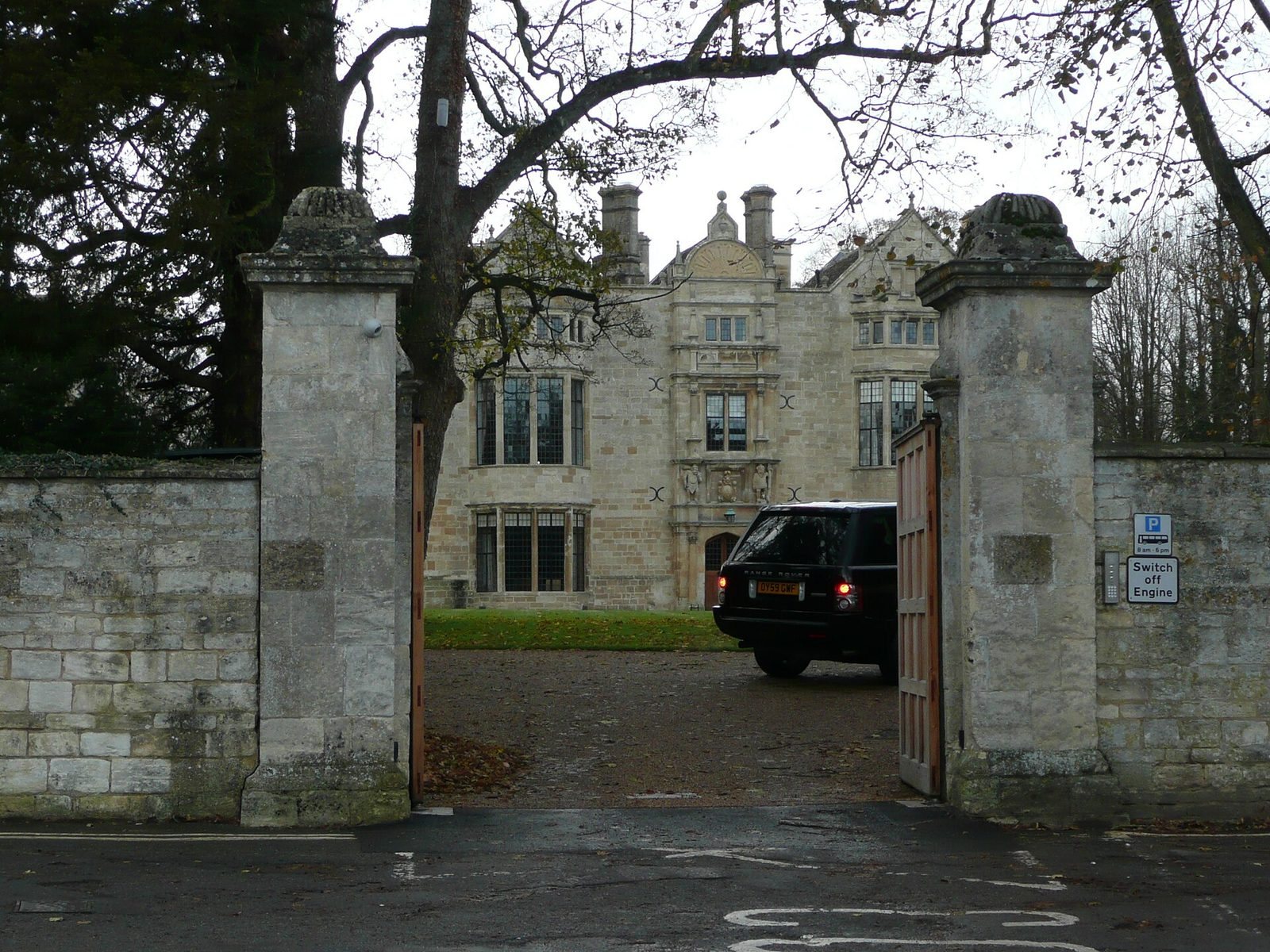
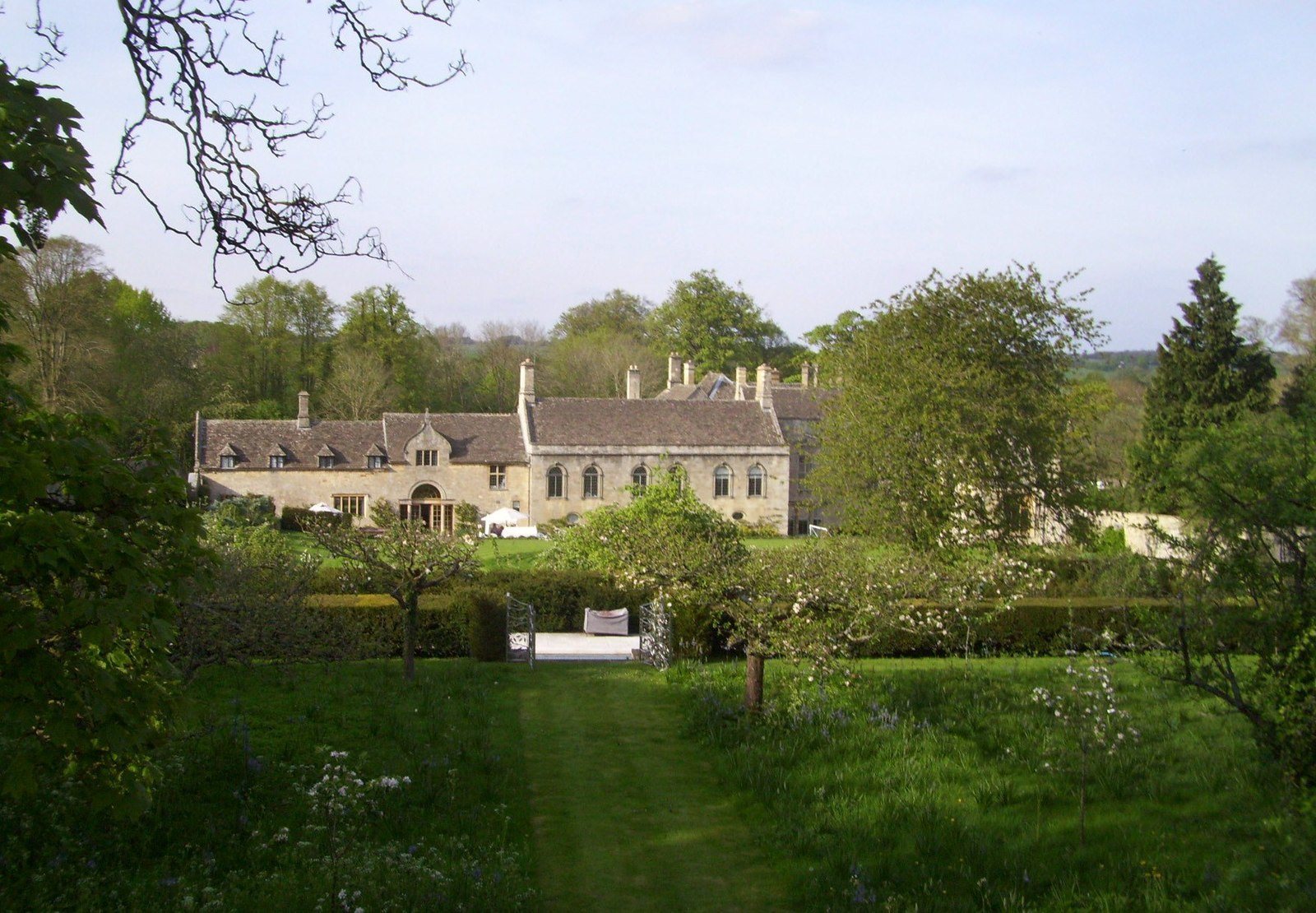
Burford Priory is a country house in the United Kingdom, built in the 1580s in Elizabethan style, associated with Elizabeth I’s reign, on the site of a 13th-century Augustinian hospital, a medieval religious charitable institution. Sir Lawrence Tanfield built the house there. James I, who also ruled Scotland as James VI, stayed at the house for three nights in 1603.
Jacobean remodelling and the Lenthall family
The house was remodelled in Jacobean style, associated with James I’s period, probably after 1634, when William Lenthall bought the estate from Tanfield’s grandson, the 2nd Viscount Falkland. Falkland had inherited it from Tanfield. Lenthall had overseen Tanfield’s will and married into the family of Tanfield’s second wife. The property remained with the Lenthall family until 1828. The family’s picture collection was kept at the house until most of it was sold during the 19th century.
Greenaway and Horniman ownership
In 1828, the Greenaway family of Little Barrington bought the house and the Manor of Burford. A descendant, Nicholas Greenaway Mills, holds the title of Lord of the Manor, a title associated with the manor. In 1912, the philanthropist and politician Emslie John Horniman purchased Burford Priory from Colonel Frank de Sales la Terrière and began restoring the house, with architect Walter Godfrey supervising the work.
Religious use and later residence
The Society of the Salutation of Our Lady, a Church of England community of nuns, moved into the priory in 1949. In 1987, after its numbers had fallen, the community became mixed and included Church of England Benedictine monks, members of a monastic order governed by the Rule of St Benedict. The community sold the property in 2008, and it returned to private-house use. After a period in rented accommodation, the community moved to a purpose-built monastery on the site of a former farm in Worcestershire, naming it Mucknell Abbey after the farm. Burford Priory was listed as a Grade I building in 1955, the highest category for listed historic buildings in England. It is now a private residence owned by Elisabeth Murdoch and Matthew Freud.
Local traditions
Local lore links a small, solemn-looking brown monk to the former monks’ graveyard and says he can walk through walls. Bells are also said to sound from the old rectory at two in the morning, sometimes with chanting.
Another tale concerns an elderly apparition in old-fashioned clothes, seen near the former vegetable garden carrying a flint-ignited gun or a short firearm with a flared muzzle. Tradition connects him with a gamekeeper said to have been wrongly executed for murdering a servant, in a story associated with William Lenthall. The figure was reportedly not seen after the nuns arrived in 1949; the belief that their prayers caused its disappearance is conjectural. An unused room is also linked in local lore to unexplained disturbances attributed to a spirit and an oppressive atmosphere.
Remains
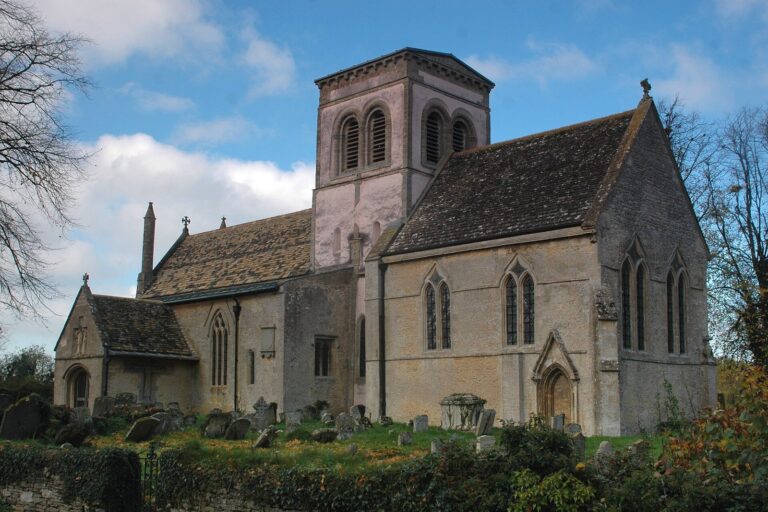
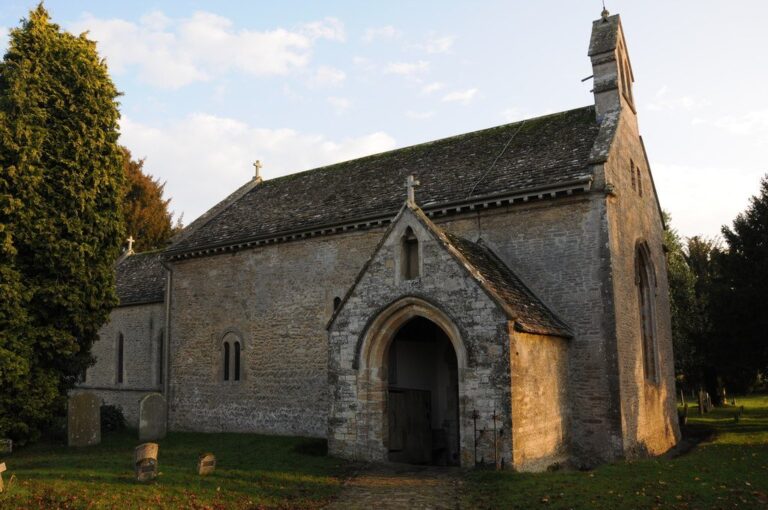
House and grounds
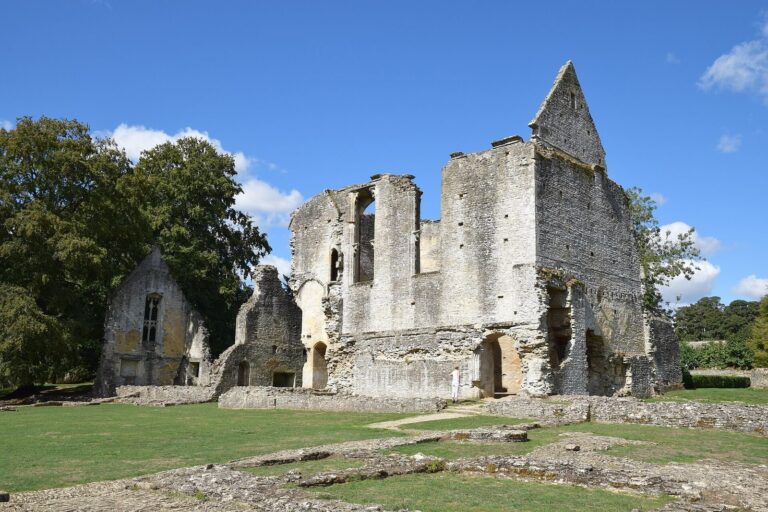
The site brings together a country house and remnants of the former priory hospital. The house combines Elizabethan and Jacobean work, with parts of the hospital incorporated into its fabric. The site also includes a chapel, restored under Walter Godfrey’s supervision, and grounds containing the former monks’ graveyard, the old rectory, and the former vegetable garden. An unused room is also identified within the house.