Church of St Cuthbert: An Early 12th-Century Parish Church
Site at a Glance
- Rating
- 4.6
- Popularity
- Medium
- Country
- United Kingdom
- Primary era
- Medieval
- Eras represented
- Medieval, Early Modern, Modern
- Civilizations
- British, Norman
- Site type
- Religious
- Remains
- Church
On this page8 sections
History
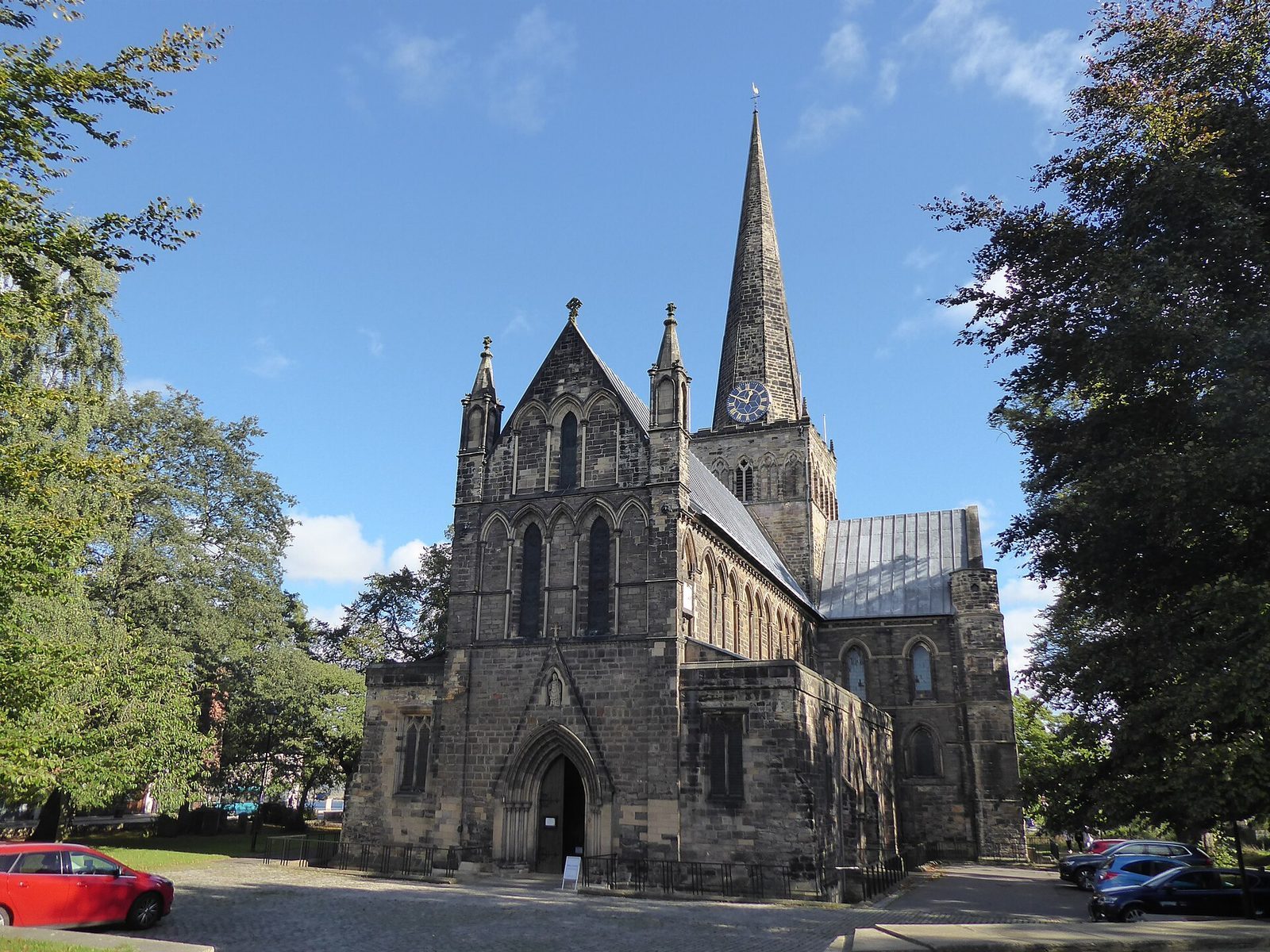
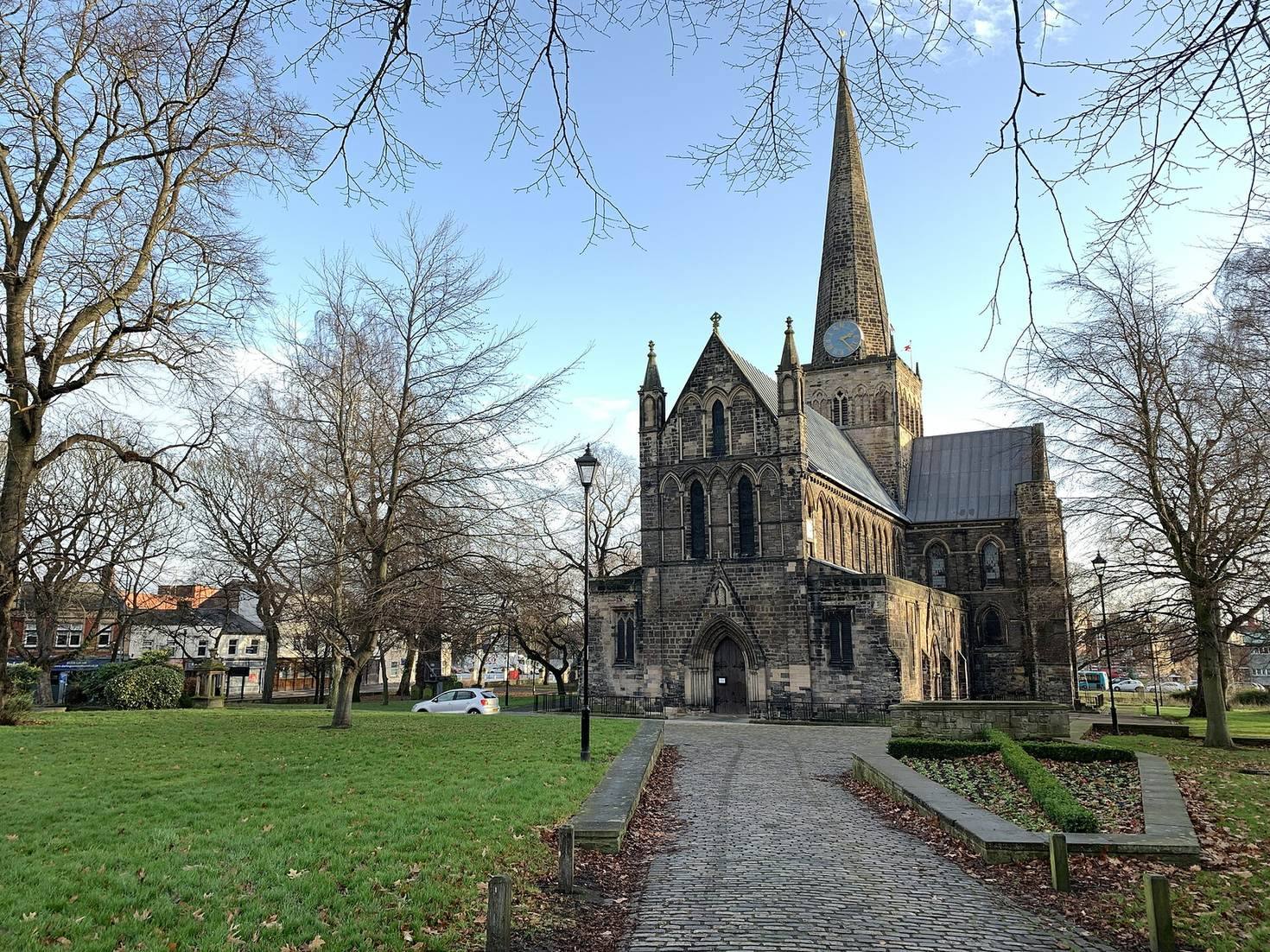
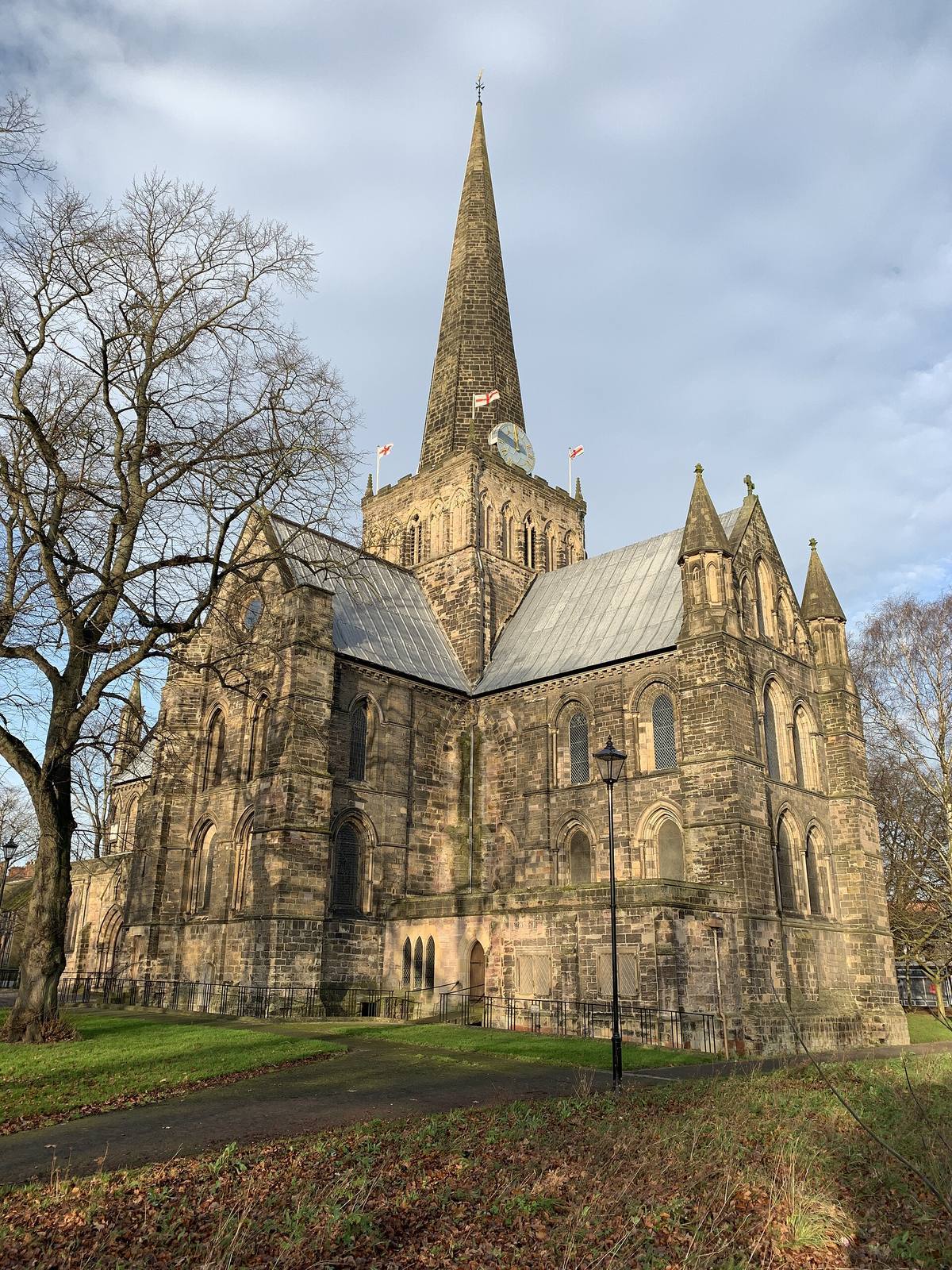
The Church of St Cuthbert is an early 12th-century parish church of the Church of England, the established Anglican church in England, in the United Kingdom. It is dedicated to Cuthbert of Lindisfarne, a seventh-century Northumbrian bishop who became a saint and an important figure in northern English Christianity. The church falls within the Diocese of Durham, a bishop’s administrative area, and the Archdeaconry of Auckland and Deanery of Darlington, subdivisions of church administration. Its parish is Darlington St Cuthbert.
Medieval Development
In 1439, the church became collegiate, meaning that it was served by a community of clergy. Robert Neville, Bishop of Durham, appointed Richard Whitton as its first dean. Four prebendaries, clerics whose offices were historically supported by assigned revenues, served the dean. Their offices were associated with Cockerton, Newton, Blakwell, and Darlington. The college was dissolved in 1550.
Damage and Restoration
Lightning struck the spire on 17 July 1750, and the crossing tower was rebuilt in 1752. A major restoration followed in 1864–65 under George Gilbert Scott of London and James Pigott Pritchett of Darlington, with a contribution from William Vane, 3rd Duke of Cleveland. The church reopened for worship on 14 December 1865.
Later Changes
Forster and Andrews built the organ in 1880, and William Thomas Best opened it on 3 November that year. Work by Binns Fitton & Haley and Bishop & Son in 1987 established its present specification. The church is a Grade I listed building. In March 2026, restoration work beneath the floor revealed remains of an earlier place of worship.
Remains
Building and Interior
The church measures 130 feet (40 m) in length and 75 feet (23 m) in width. It includes a nave (the main body), transepts (cross-arms), and a chancel (the area around the altar). During the 1864–65 restoration, galleries and ceilings were removed, gable windows were opened in the nave and transepts, and the pews were rearranged. Several destroyed stalls were replaced. In the chancel, the piscina, a basin used in church services, and the armoury were restored, while the sedilia, seats for clergy, were returned to their original depth. The floor was laid with encaustic tiles, decorated with differently coloured clays, and eleven stained-glass windows were installed. R. H. Allan presented a polished grey marble font, and Miss Topham gave a lectern made by King and Collie of Durham.
Organ and Bells
The organ has 38 stops, each controlling a set of pipes, three manuals (hand-played keyboards), and pedals (foot-operated controls). The tower contains eight bells made by Gillett & Johnston and dated 1937.
Earlier Place of Worship
Remains beneath the church floor belong to an earlier place of worship and have been tentatively identified as Anglo-Saxon. Anglo-Saxon is a conventional term for early medieval English culture before the Norman Conquest of 1066; the proposed date for these remains, around 1080, falls after that conventional boundary.