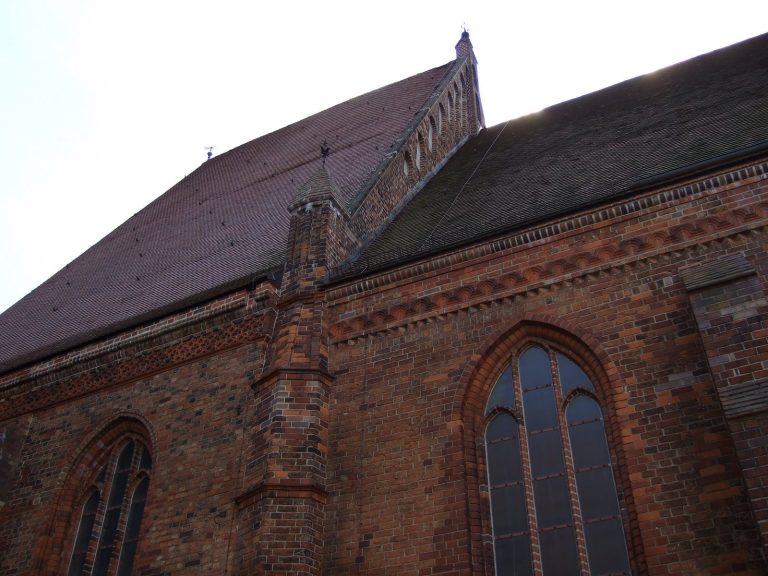
Church of St. Casimir in Połęcko: A Late Gothic Catholic Church
Site at a Glance
- Popularity
- Very Low
- Country
- Poland
- Primary era
- Early Modern
- Eras represented
- Medieval, Early Modern
- Civilizations
- Unclassified
- Site type
- Religious
- Remains
- Church
On this page8 sections
History
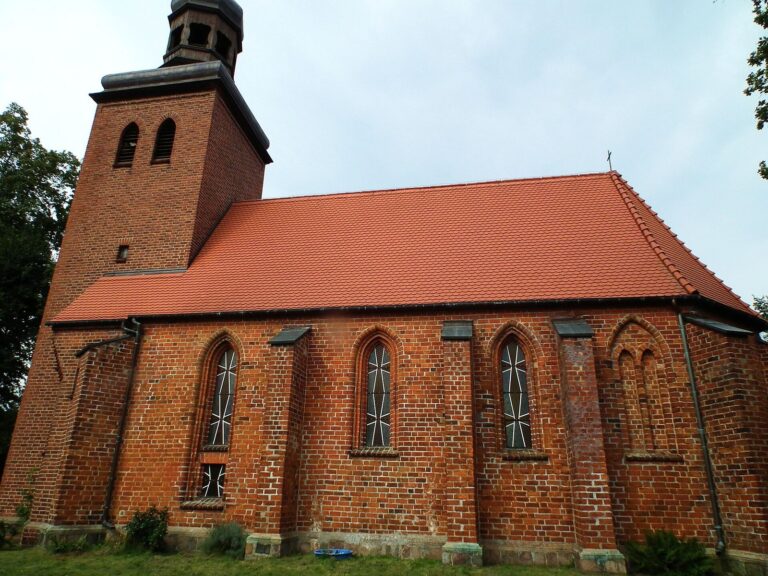
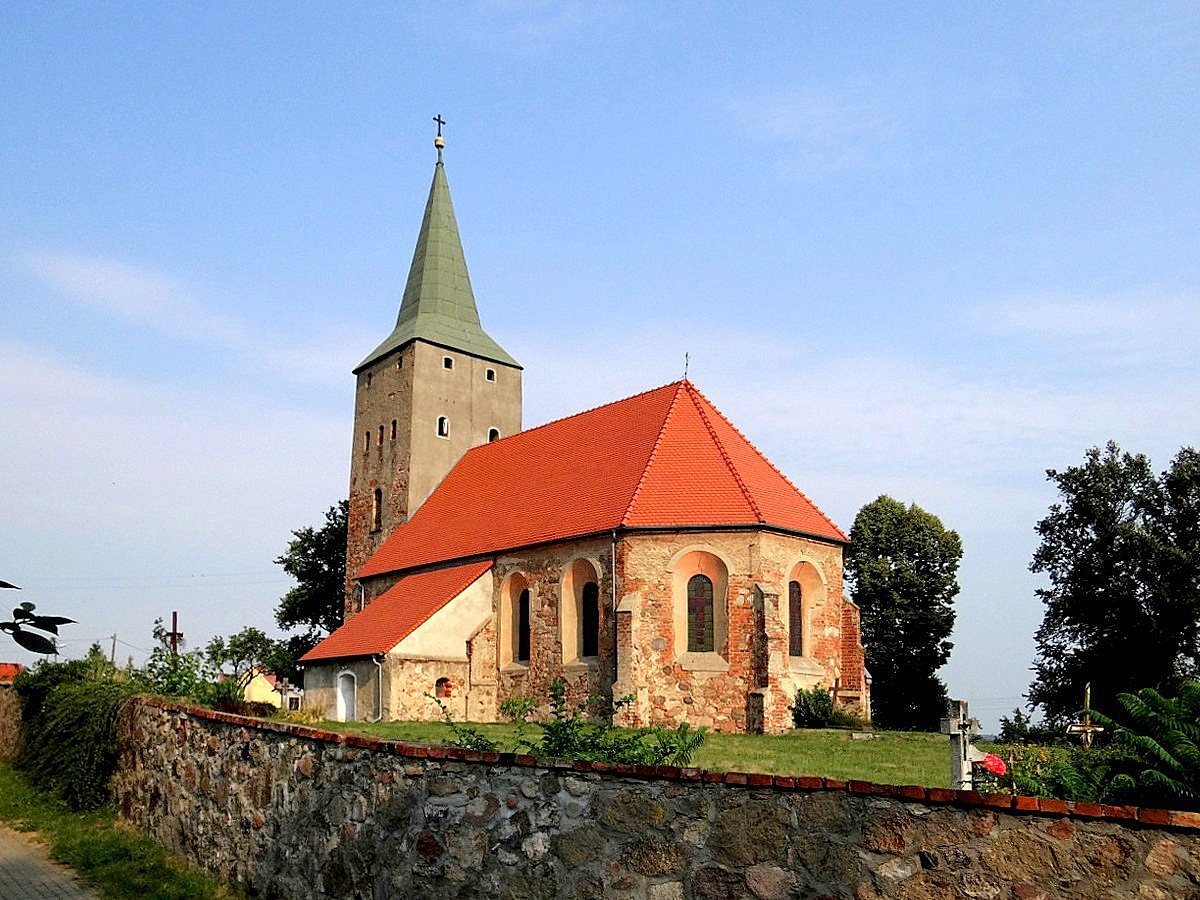
The Church of St. Casimir in Połęcko is a Late Gothic church in Poland, thought to date to the early 16th century, although a mid-15th-century origin has also been proposed.
Origins and alteration
The church’s construction date remains uncertain. A porch was added in the 17th century, and the building underwent a major reconstruction in 1864.
From Lutheran to Catholic use
Formerly Lutheran, the church was consecrated as a Roman Catholic church on 22 August 1945. Lutheranism is a branch of Protestant Christianity that emerged during the Reformation. The church is now a filial church, attached to the Parish of St. James the Apostle in Ośno Lubuskie rather than serving as an independent parish church. That parish belongs to the Rzepin deanery, an administrative grouping of parishes, within the Diocese of Zielona Góra-Gorzów, a territorial church jurisdiction overseen by a bishop. The church is dedicated to St. Casimir, a 15th-century Polish prince venerated as a Catholic saint; his feast is 4 March.
Remains
Architecture and furnishings
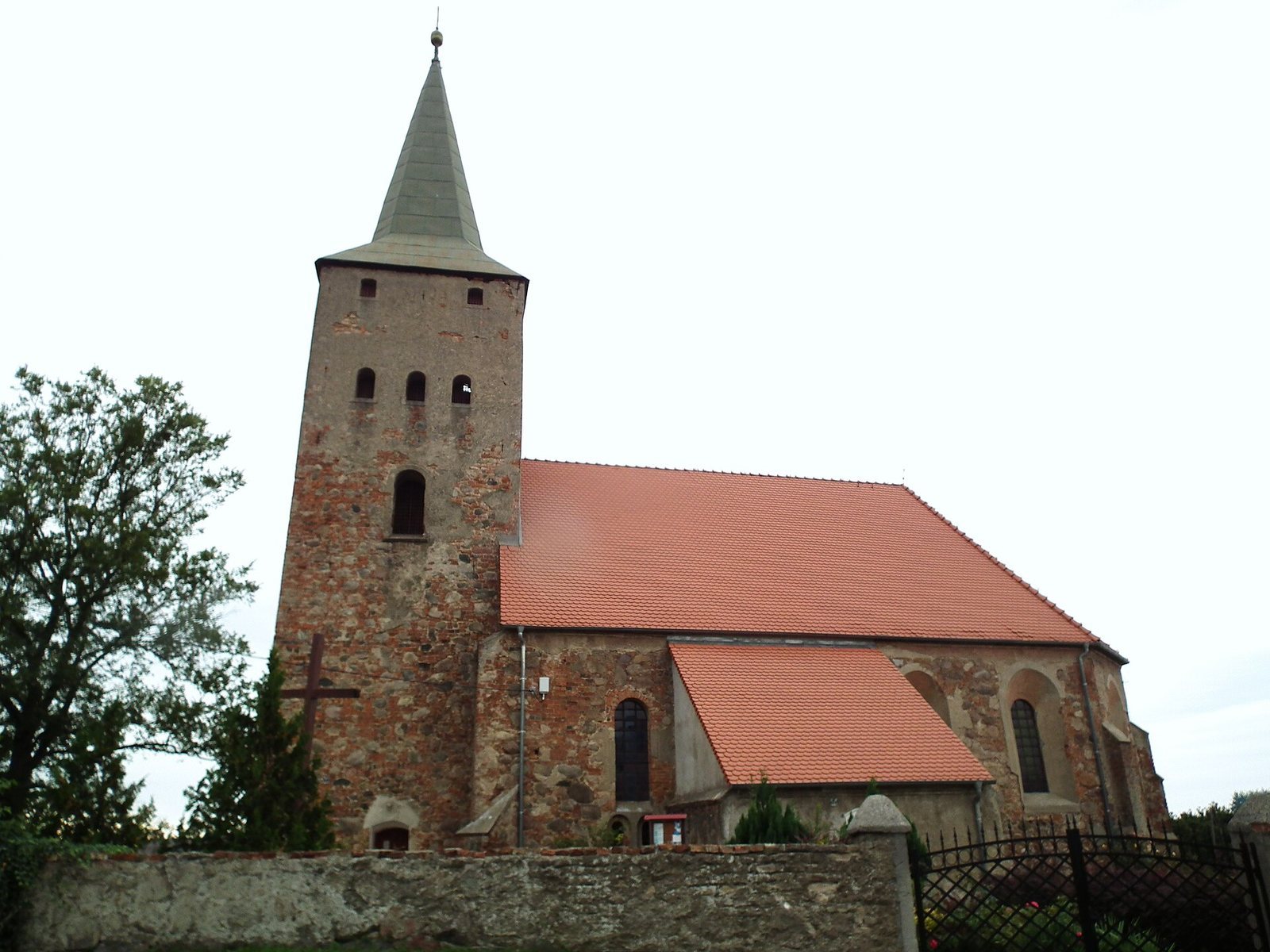
The compact church has a single nave and is built in the Late Gothic style. Its interior includes a vaulted nave and sacristy, while a single compact tower serves as its bell tower.
Nave and sacristy
The nave has a barrel-shaped vault reinforced by ribs. The sacristy, a room used for church services and vestments, has a barrel vault.
Gable and bells
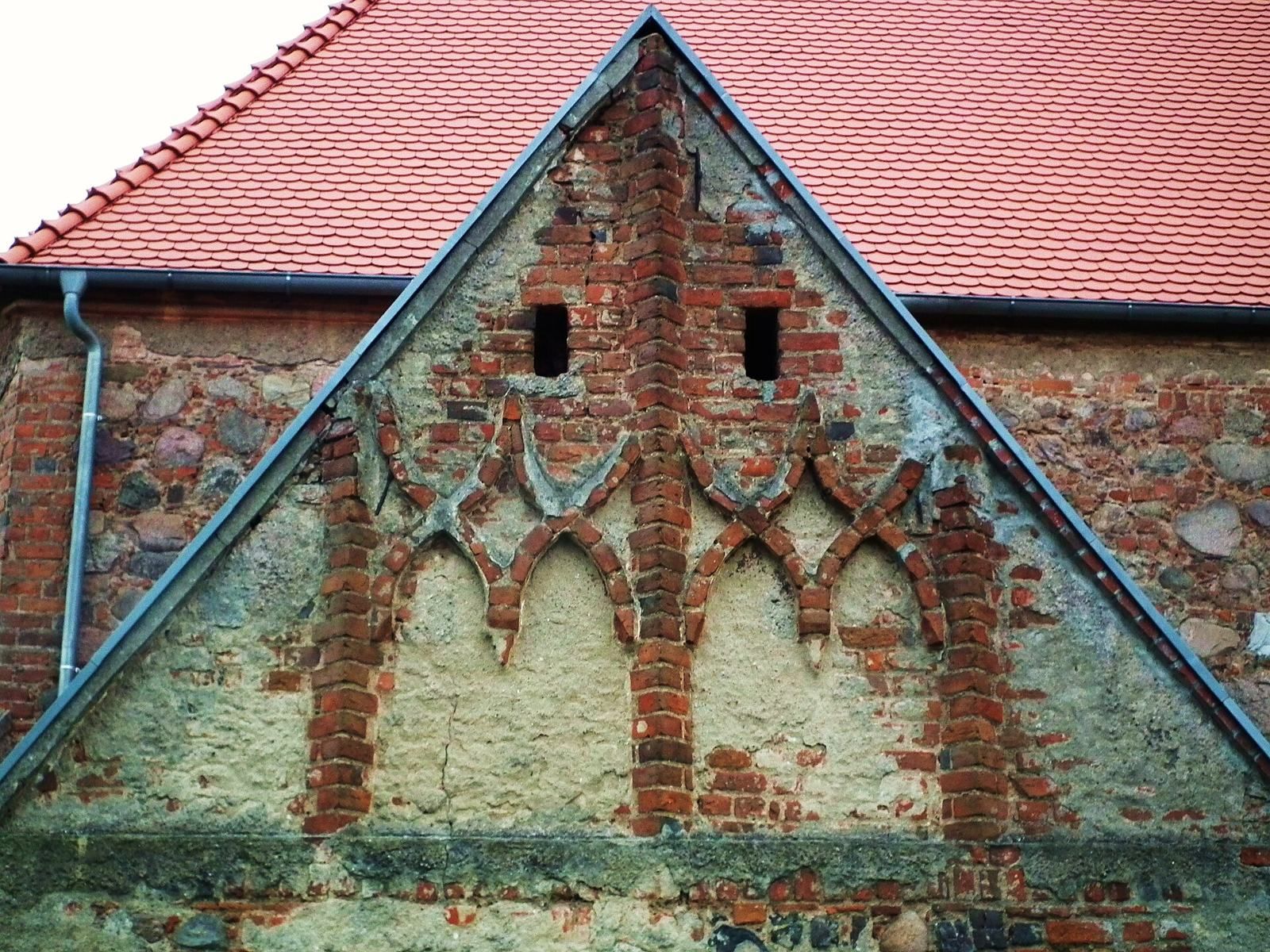
Patterned stonework decorates the gable. One bell bears an image of the Madonna and an inscription in small Late Gothic script dated 1327. The bell may point to an earlier foundation, but its date does not establish when the church was built. A second bell was cast in 1855 by H. Lange of Frankfurt.
Former altar
The church formerly had an altar dating to the beginning of the 16th century. It featured figures of the twelve Apostles and other saints, along with Christ as Savior of the World. The altar was repainted in 1901.