Church of San Lorenzo: A Lakeside Parish Church in Abbadia Lariana
Site at a Glance
- Rating
- 4.4
- Popularity
- Very Low
- Country
- Italy
- Primary era
- Medieval
- External website
- Open
- Eras represented
- Medieval, Modern
- Civilizations
- Holy Roman Empire, Italian
- Site type
- Religious
- Remains
- Church
On this page13 sections
History
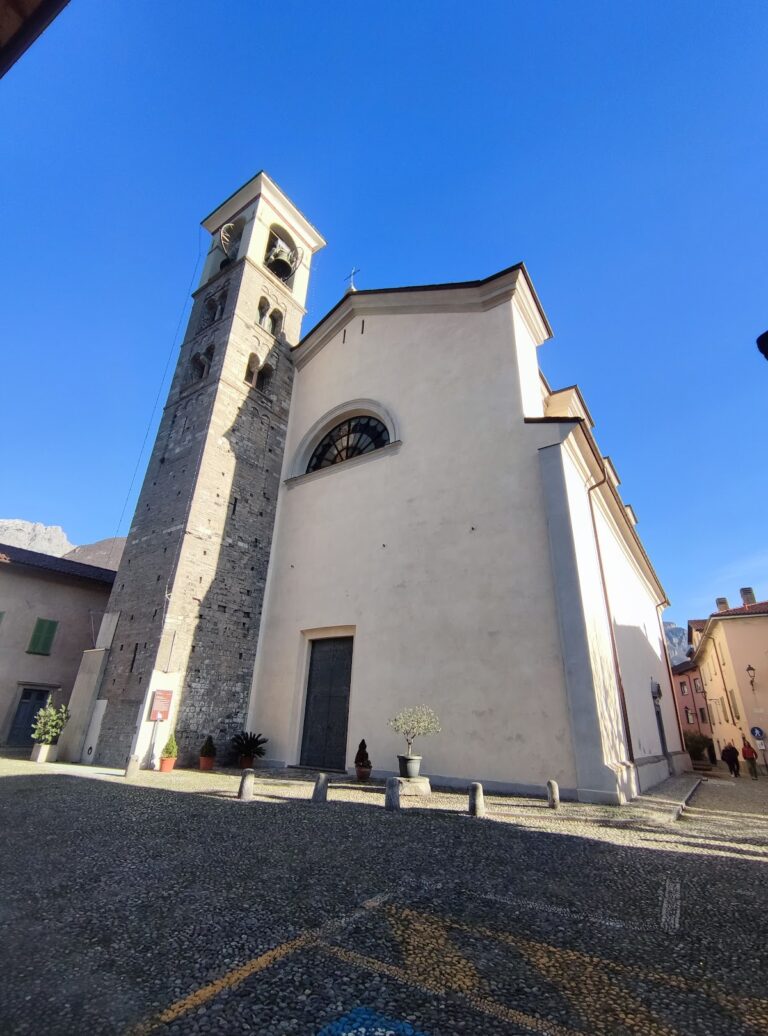
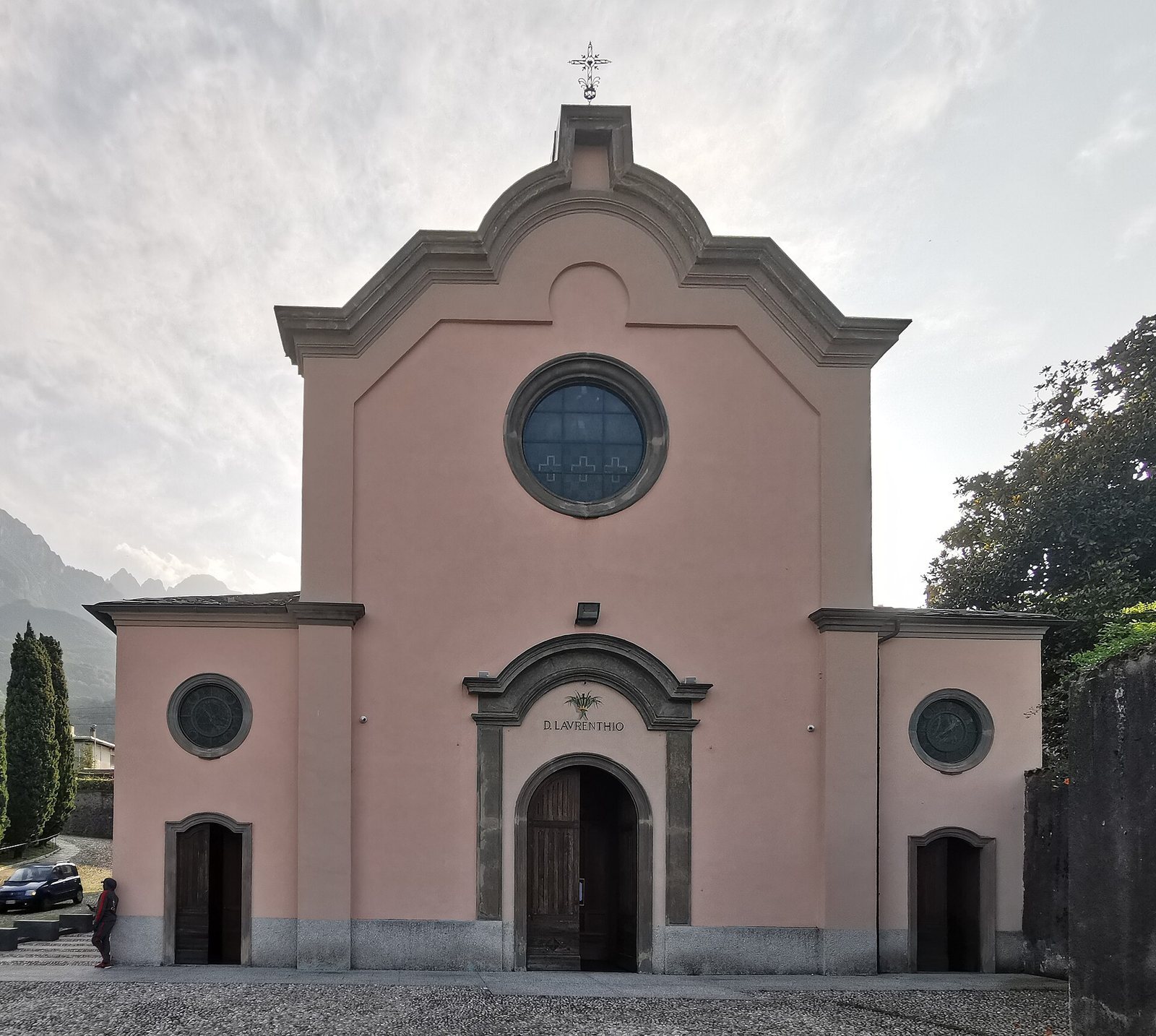
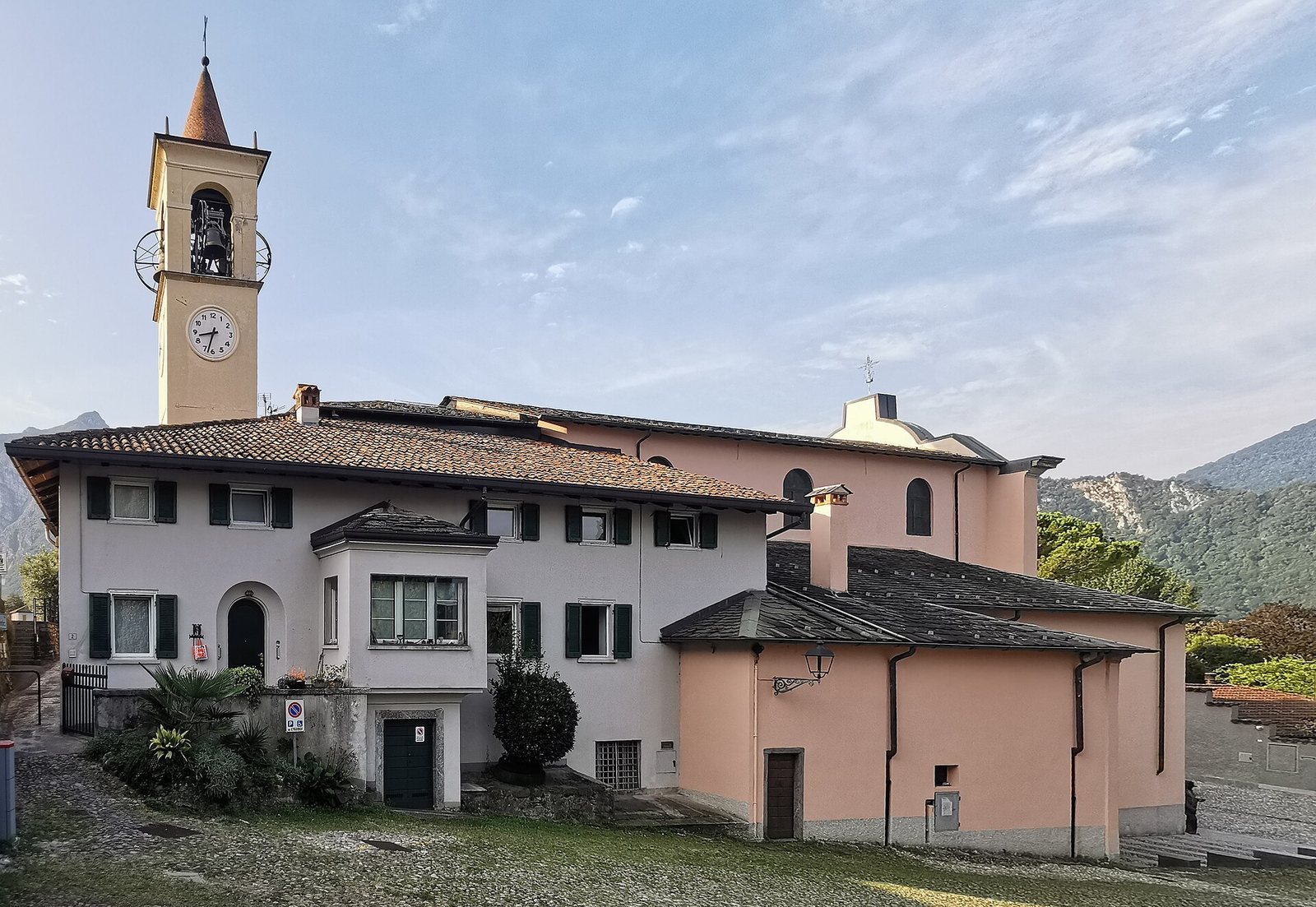
The Church of San Lorenzo is a parish church in Italy, beside Lake Como in Abbadia Lariana. Dedicated to Saint Lawrence, a third-century Christian deacon and martyr, it occupies the site of a monastery founded during the Lombard period, when the church and its communities formed part of the religious landscape of northern Italy.
The Lombard monastery
The former Monastery of Saint Peter was established around 770–772 by Desiderius, the last king of the Lombards before the Frankish conquest of much of Italy in the late eighth century. The foundation stood on the site of an earlier monastic cell belonging to San Pietro in Ciel d’Oro in Pavia.
Its lakeside position brought a practical difficulty. Flooding from Lake Como contributed to the monastery’s deterioration, and the complex eventually fell into disuse around the twelfth century.
The Servite rebuilding
During the thirteenth century, the Servite Order rebuilt the complex. The Servites were a Catholic religious order founded in that century and especially devoted to the veneration of the Virgin Mary. The rebuilt church was dedicated to Saints Vincent and Anastasius and had a small, single-nave plan.
In 1788, the Servites moved to the Convent of San Girolamo in Como and transferred the church to the parish. It then became the parish church of San Lorenzo, replacing an earlier parish church that had fallen into poor condition. That earlier building later became known as Chiesa Rotta, meaning “Broken Church.”
The nineteenth- and twentieth-century church
In 1887, the engineer Giovanni Maria Stoppani designed a major enlargement. The work extended the presbytery, the area around the main altar, by adding an apse, a curved or rounded end to the church, and created two side aisles. The roof was raised and rebuilt, while the interior arrangement was also altered.
The reconstructed roof soon failed, allowing water to enter and damaging frescoes and other artworks. Several restoration campaigns followed, including substantial work in the early twentieth century to address the deterioration of the painted decoration.
In 1915, Luigi Tagliaferri frescoed the interior. His program placed the Martyrdom of Saint Lawrence at the centre of the vault, the twelve apostles on the pillars supporting it, and an image of the Apocalypse in the curved upper surface of the apse. The scene includes the glory of the Lamb described by Saint John.
Later interventions continued to shape the church. Fulvio Simoncini made the baptismal font in 1989. At the beginning of the twenty-first century, restoration focused on a wooden crucifix and on seventeenth-century paintings connected with devotion to Saint Augustine. Work on the crucifix concluded in May 2009, while the paintings were cleaned, consolidated, and treated to preserve their painted surfaces.
Continuing devotion
The church also preserves local devotion to the Madonna della Cintura. This Catholic devotion centres on the Virgin Mary giving a sacred belt to Saint Augustine, a Christian bishop and theologian whose mother was Saint Monica. In the historical celebration at Abbadia Lariana, a seventeenth-century statue was carried in procession along the lakeshore. The tradition continues through an annual procession on the first Sunday of September.
Remains
The Church of San Lorenzo stands immediately beside Lake Como on the lakeside promenade. Its present form combines the small thirteenth-century Servite church with the larger arrangement created in 1887. The medieval building had a single nave, a quadrangular presbytery, and a low roof supported by chestnut beams. The later enlargement added an apse and two side aisles, although the large pillars carrying the roof continue to obstruct the celebrant’s view toward the aisles.
Painted decoration
Tagliaferri’s frescoes
The church contains seventeenth-century frescoes together with later painted decoration. Tagliaferri’s work of 1915 dominates the upper interior. The vault shows the Martyrdom of Saint Lawrence, the supporting pillars carry figures of the twelve apostles, and the apse contains an Apocalypse scene with the glory of the Lamb described by Saint John.
Paintings of Saint Lawrence
Two paintings by the painter Buzzoni hang beside the altar. They depict episodes from the life of Saint Lawrence and form part of the church’s visual dedication to its patron saint.
Saint Augustine and the sacred belt
Two seventeenth-century paintings from Chiesa Rotta continue the Baroque tradition. Their conservation included cleaning, consolidation, relining, a suitable stretcher, glazing, and retouching of abrasions and areas of paint loss.
The larger painting, installed in the present church in 1915, measures 190 by 262 centimetres. It shows Saint Augustine kneeling in episcopal vestments as the Virgin, holding the infant Jesus, gives him the sacred belt. Saint Monica and Saint Dominic accompany the scene. Lush vegetation and a fortified enclosure form the background, while a cherub in the lower right holds a water jug and a bunch of grapes. The artist is unknown, although the painting may be associated with an artist from Como or Milan.
Sculpture and devotional objects
The wooden crucifix
The wooden crucifix came from the former parish church, where it stood on an altar dedicated to the Crucifix. After the 1887 rebuilding, it was transferred to the Servite abbey. Tradition had regarded it as a fifteenth- or sixteenth-century work, but restoration investigations concluded that it was probably made in the nineteenth century, possibly as a modelled reproduction of an older crucifix from the former parish church that was later lost.
Before restoration, the crucifix was in critical condition. Its face and body required structural treatment and filling. Conservators cleaned and consolidated the wood, reconstructed losses, applied restrained retouching, and removed damage caused by small fasteners used to attach the vein network to the support. The gilded cross, identified as definitely nineteenth-century, was restored at the same time.
Madonna della Cintura
A seventeenth-century statue of the Madonna della Cintura is preserved in the parish church. The statue used in the continuing procession shows the Madonna holding the infant Jesus. Before the procession, it is displayed on a throne and then carried along the lakeshore.