Church of San José: The First Parish Dedicated to Saint Joseph in the Canary Islands
Site at a Glance
- Popularity
- Very Low
- Country
- Spain
- Primary era
- Early Modern
- Eras represented
- Early Modern
- Civilizations
- Crown of Castile, Spanish
- Site type
- Religious
- Remains
- Church
On this page8 sections
History
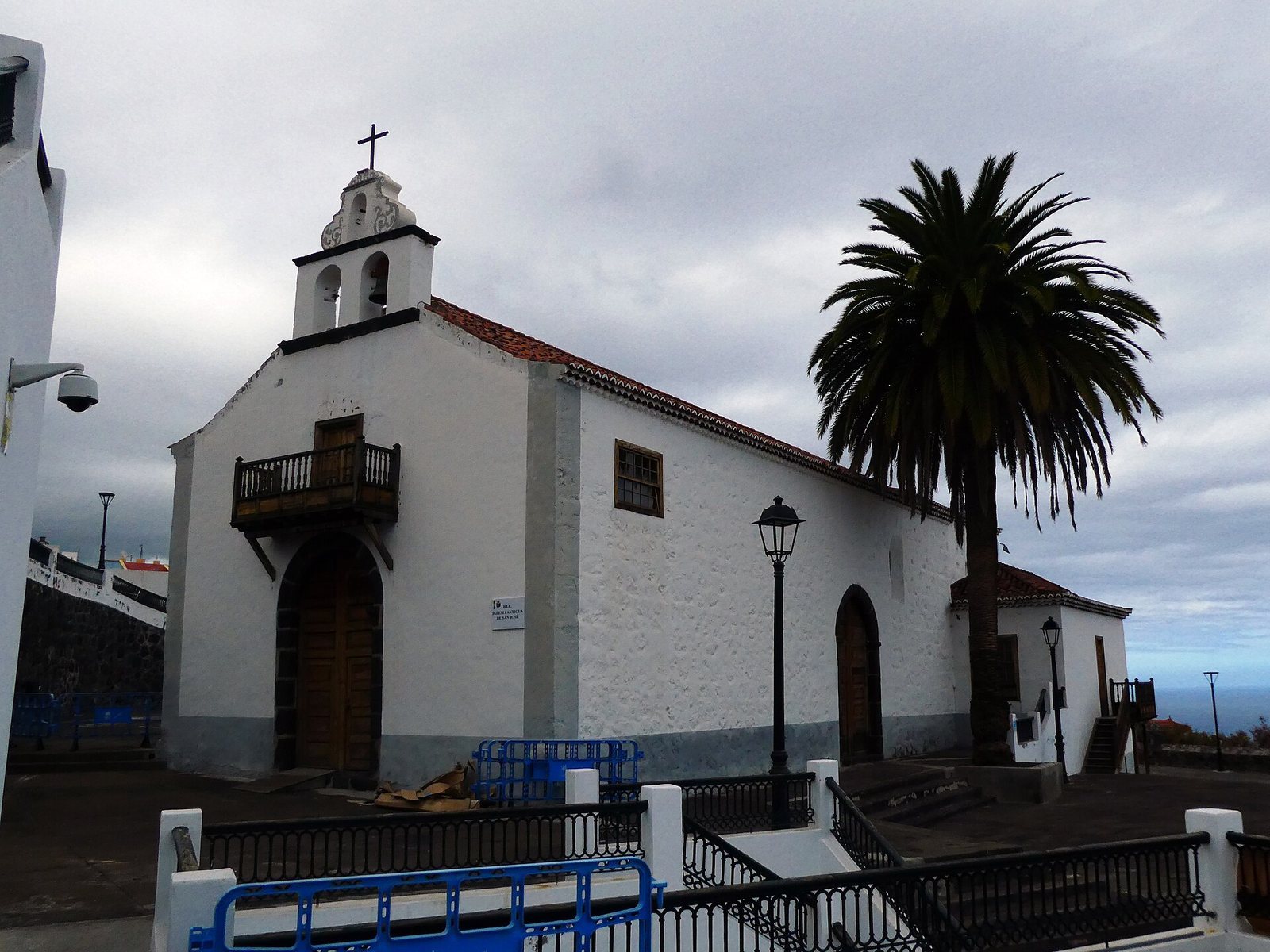
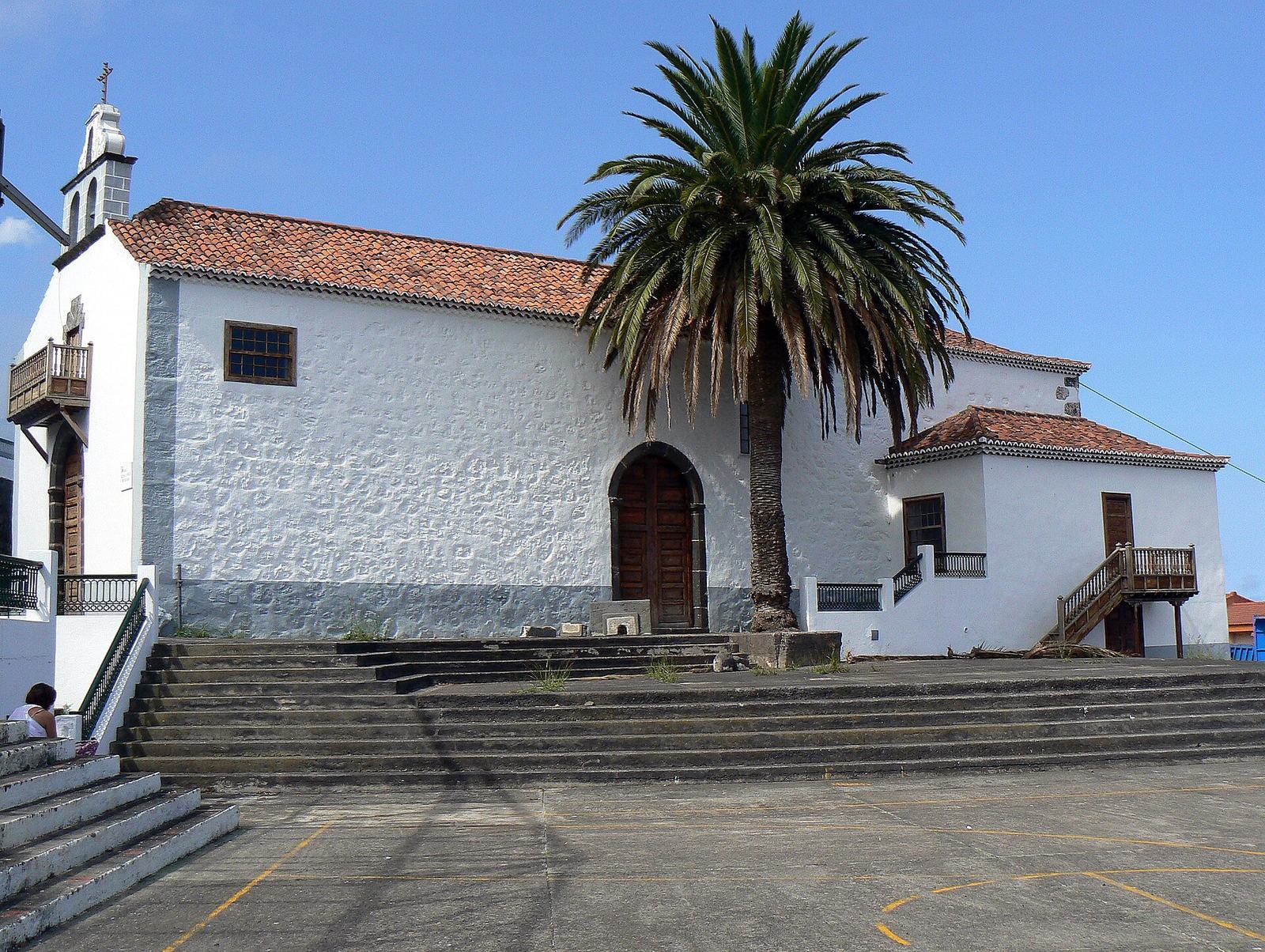
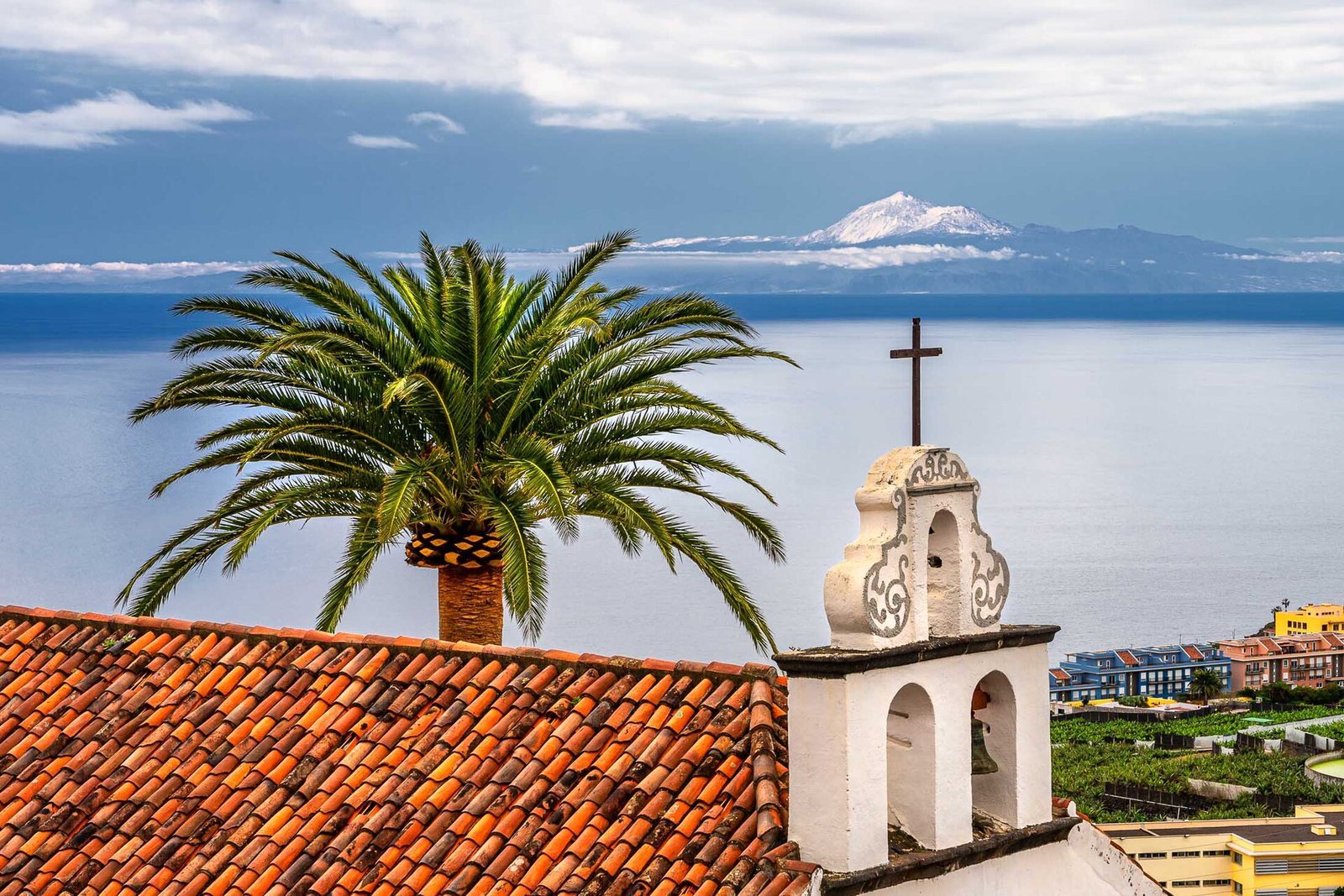
The Church of San José is a Catholic parish church in Breña Baja, Spain. Built in the regional Canarian religious style, its construction is broadly dated to 1550–1637. It became the first parish in the Canary Islands dedicated to Saint Joseph, whom Christian tradition identifies as Mary’s husband and Jesus’s earthly guardian.
Hermitage and parish foundation
An undated license attributed to 1548 authorized a hermitage dedicated to Saint Joseph in the Breñas. Padilla, an official who inspected church affairs in the diocese, signed it for Bishop Antonio de la Cruz, following instructions from diocesan official Juan de Venegas. The license allowed construction at a suitable site, the collection of alms, and the appointment of a chaplain. It responded to the needs of local estates and residents, who lived far from their nearest church, San Pedro de Breña Alta.
Work was underway by June 26, 1550. The building’s walls had reached the gables, and it had doorways and a stone altar for the image of Saint Joseph. During a visit on June 1, 1584, Pedro de Medina encouraged the work to continue.
The parish foundation document is dated June 28, 1637, and was signed with the authorization of Diego Vázquez Romero Botello. The decree establishing the parish was read on August 2, and Francisco Arias de Benavides was appointed its first parish priest. Local estate owners and the small community supported its creation.
Rebuilding and continuing parish life
By 1614, the first building had been demolished because it was at risk of collapse. A replacement was begun on the same site. Francisco de Acosta, who had worked on the earlier church, laid the floor and built the walls. In 1642, Doctor Eugenio de Santa Cruz authorized raising the walls, using a brick-paved floor that had been in place since 1568.
The choir was completed in 1658, and further improvement work took place in 1684. The church remains a mother parish, a principal parish serving as a historical center for a wider community, in the Diocese of San Cristóbal de La Laguna, a territorial jurisdiction of the Catholic Church. It is served by diocesan priests rather than members of a religious order.
Restoration began in 2003 and was completed in spring 2008, under the attribution of Manuel Rodríguez Pestana. In 1996, the church was designated an Asset of Cultural Interest, a Spanish protected-cultural-property status.
Remains
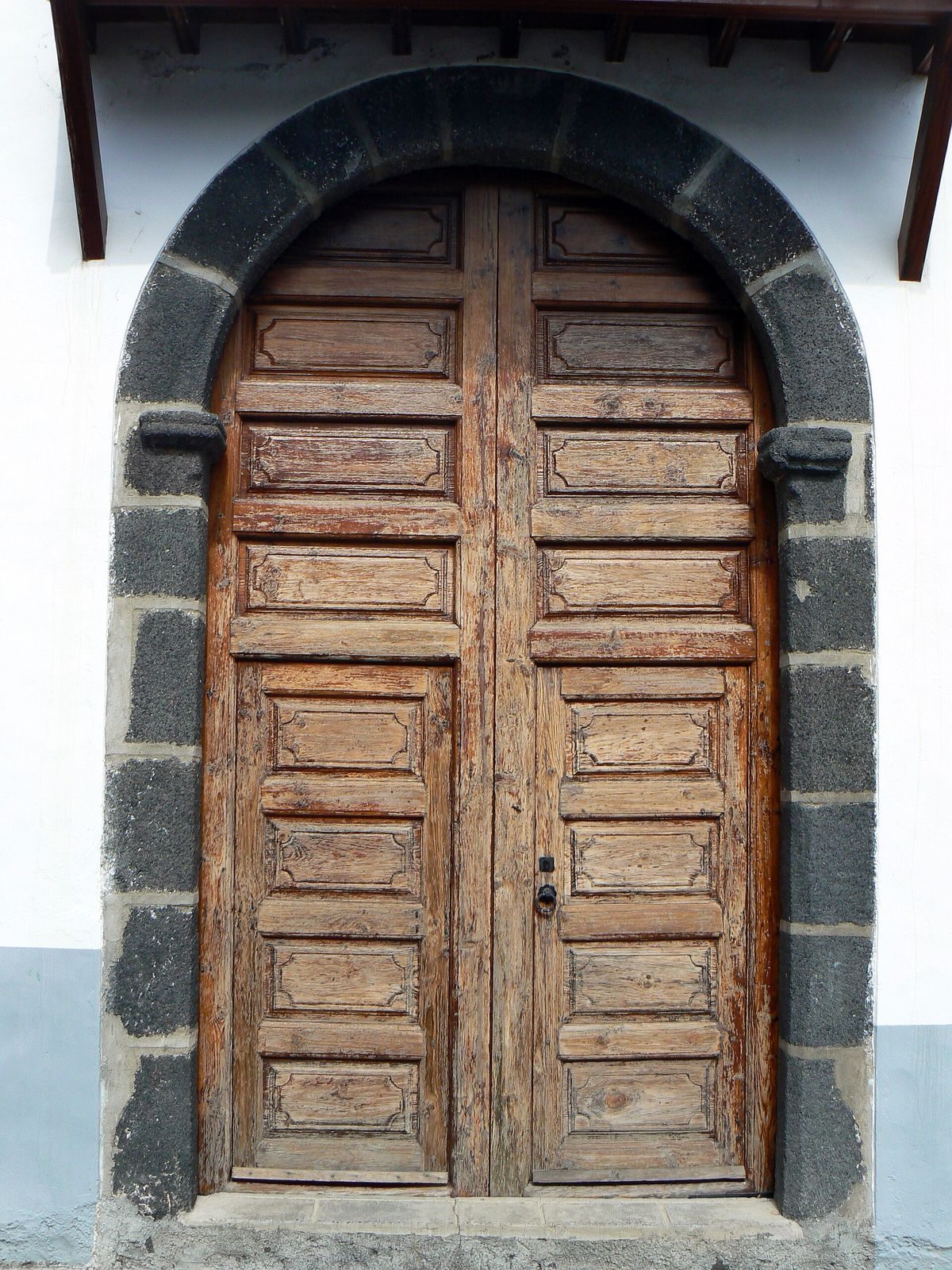
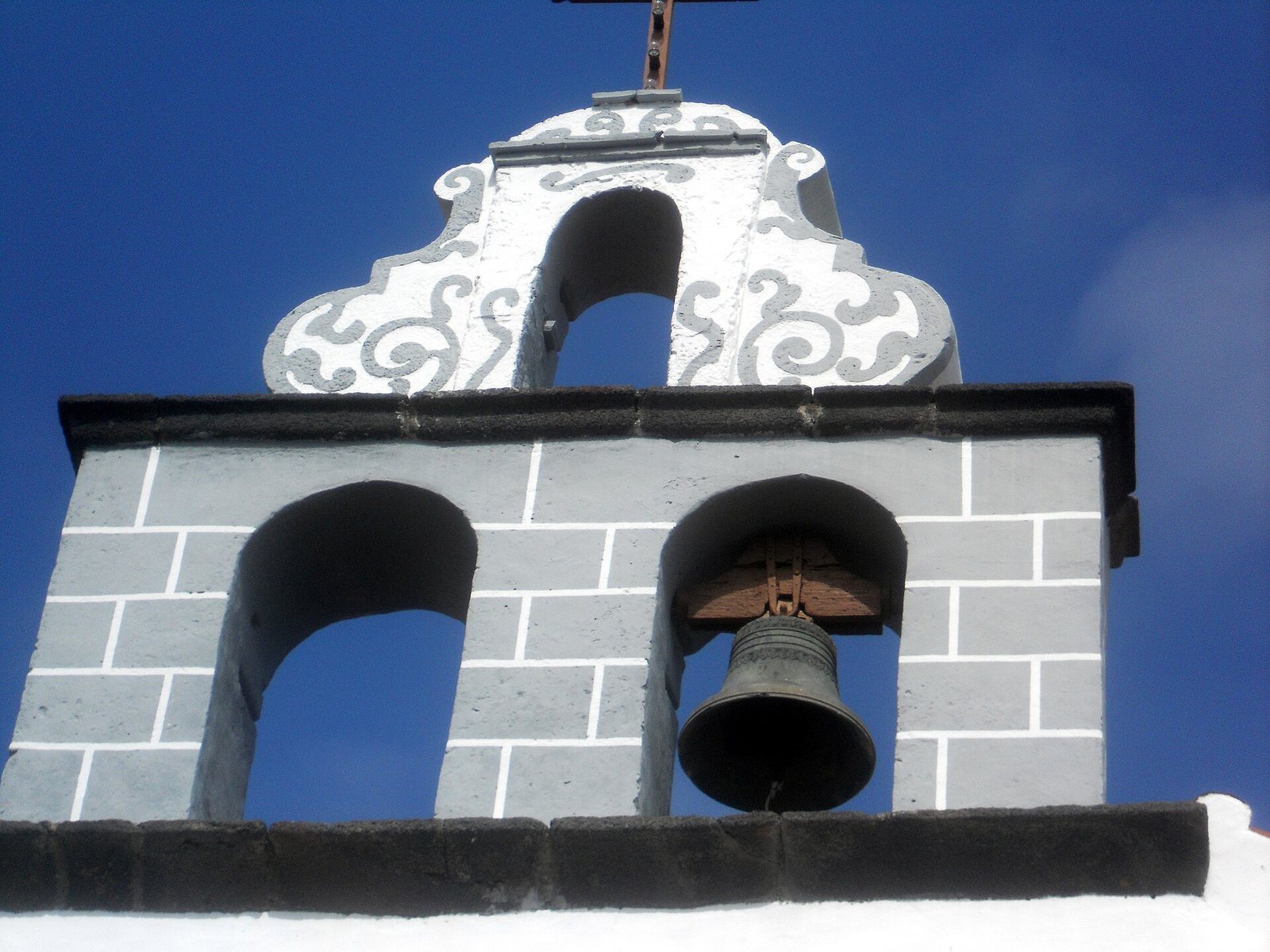
The church’s plan centers on a single nave, the main body of the building. A stone chancel arch separates it from the principal chapel, and a side chapel stands on the left when facing the altar. On the façade, the doorway, balcony, and bell tower are arranged along a vertical axis.
Interior furnishings and sculpture
Baroque pulpit
The surviving pulpit is a Baroque work, a style associated with elaborate forms and ornamentation. Made in 1699, it replaced an earlier pulpit dated 1672.
Organ
A small organ was built for the church in 1865 by Manuel Rodríguez Pestana, commissioned by parish priest Miguel Pestana. The instrument it replaced was transferred to the Hermitage of San Antonio, which belonged to the same parish jurisdiction.
Sculpture
The church’s sculptural ensemble includes works from Flanders, carvings by artists from La Palma, and a later carving from the Andalusian school. The collection grew from the sixteenth century onward.