Church of Saint Theodore, Boboshevo: A Medieval Bulgarian Orthodox Church
Site at a Glance
- Rating
- 4.9
- Popularity
- Very Low
- Country
- Bulgaria
- Primary era
- Medieval
- External website
- Open
- Eras represented
- Medieval, Early Modern
- Civilizations
- Bulgarian
- Site type
- Religious
- Remains
- Church
On this page6 sections
History
Foundation and Dedication
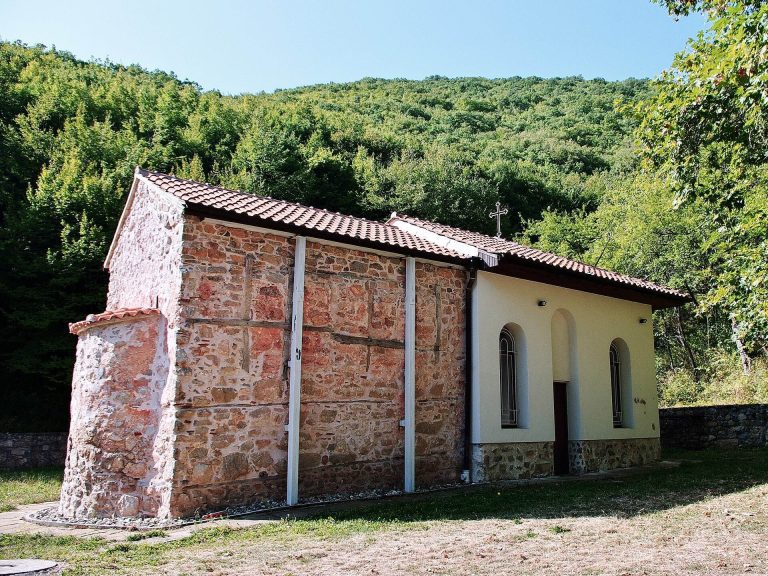
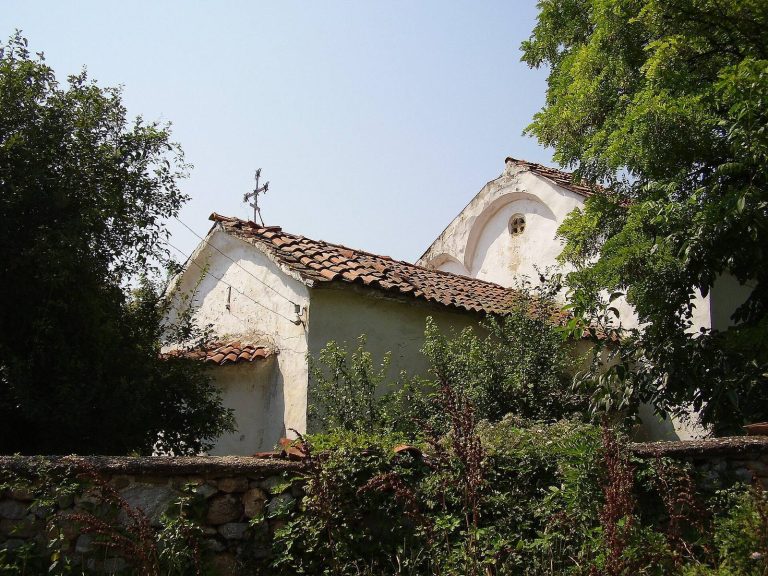
The Church of Saint Theodore, Bulgaria, is a medieval Bulgarian Orthodox church built in the Byzantine architectural tradition. Its construction date remains disputed, with proposed dates ranging from the first quarter of the 11th century to the 12th century, or the 13th to 14th centuries. It is regarded as one of Bulgaria’s oldest churches with a free-cross plan, in which the arms of the cross project clearly from the central space.
The church’s dedication may refer to Theodore of Amasea, also known as Theodore Tiron, an early Christian martyr and soldier-saint, or to Theodore Stratelates, another Christian military saint widely venerated in Eastern Christianity. Ecclesiastically, the church belongs to the Sofia Diocese of the Bulgarian Orthodox Church and the Dupnitsa deanery, its local administrative subdivision.
Frescoes and Later History
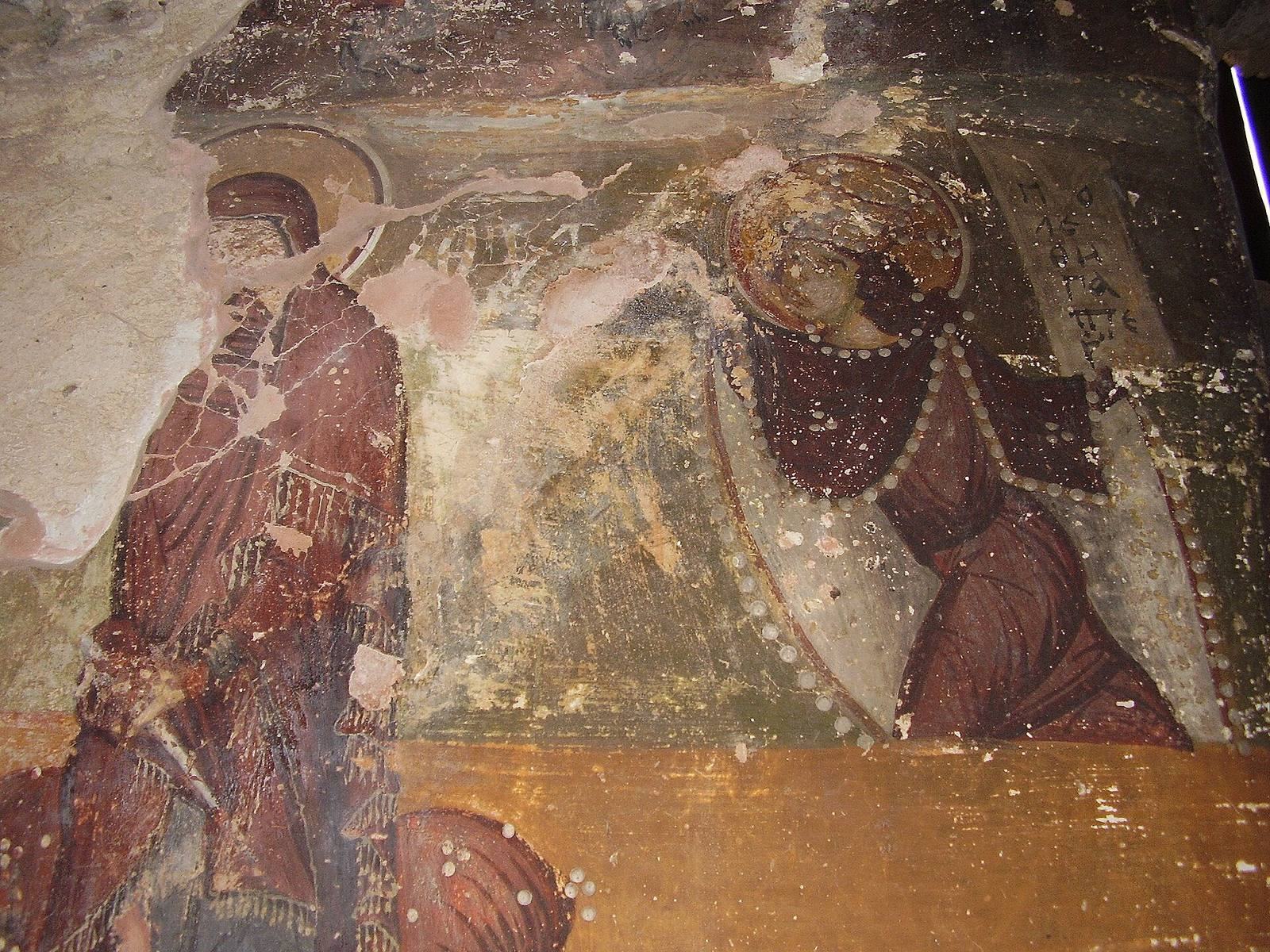
The interior decoration was created in two layers. The earlier layer has been destroyed, while the surviving second layer has received several proposed dates, including the first half of the 14th century, the beginning of the 16th century, and the 17th century. The early-16th-century dating has been associated with a workshop connected with the Kastoria artistic school, a Byzantine and post-Byzantine tradition of religious wall painting centered on Kastoria and its wider artistic region.
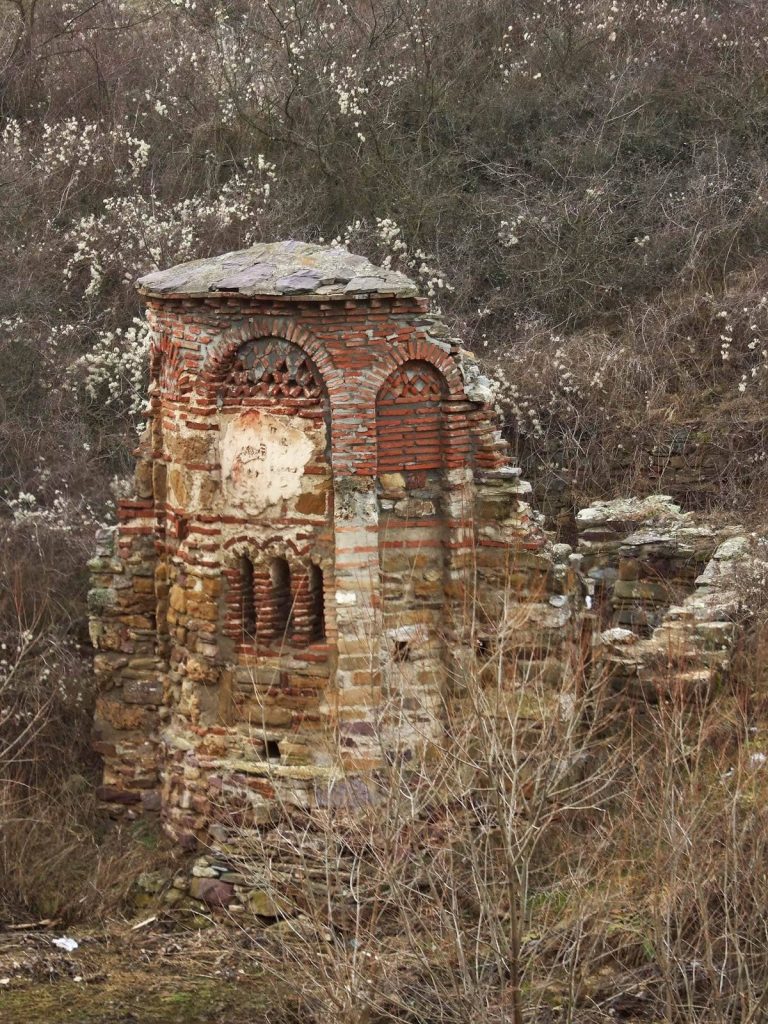
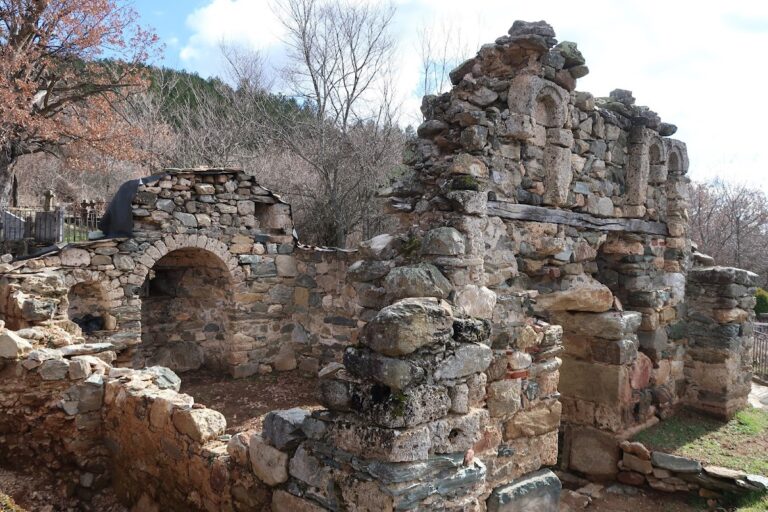
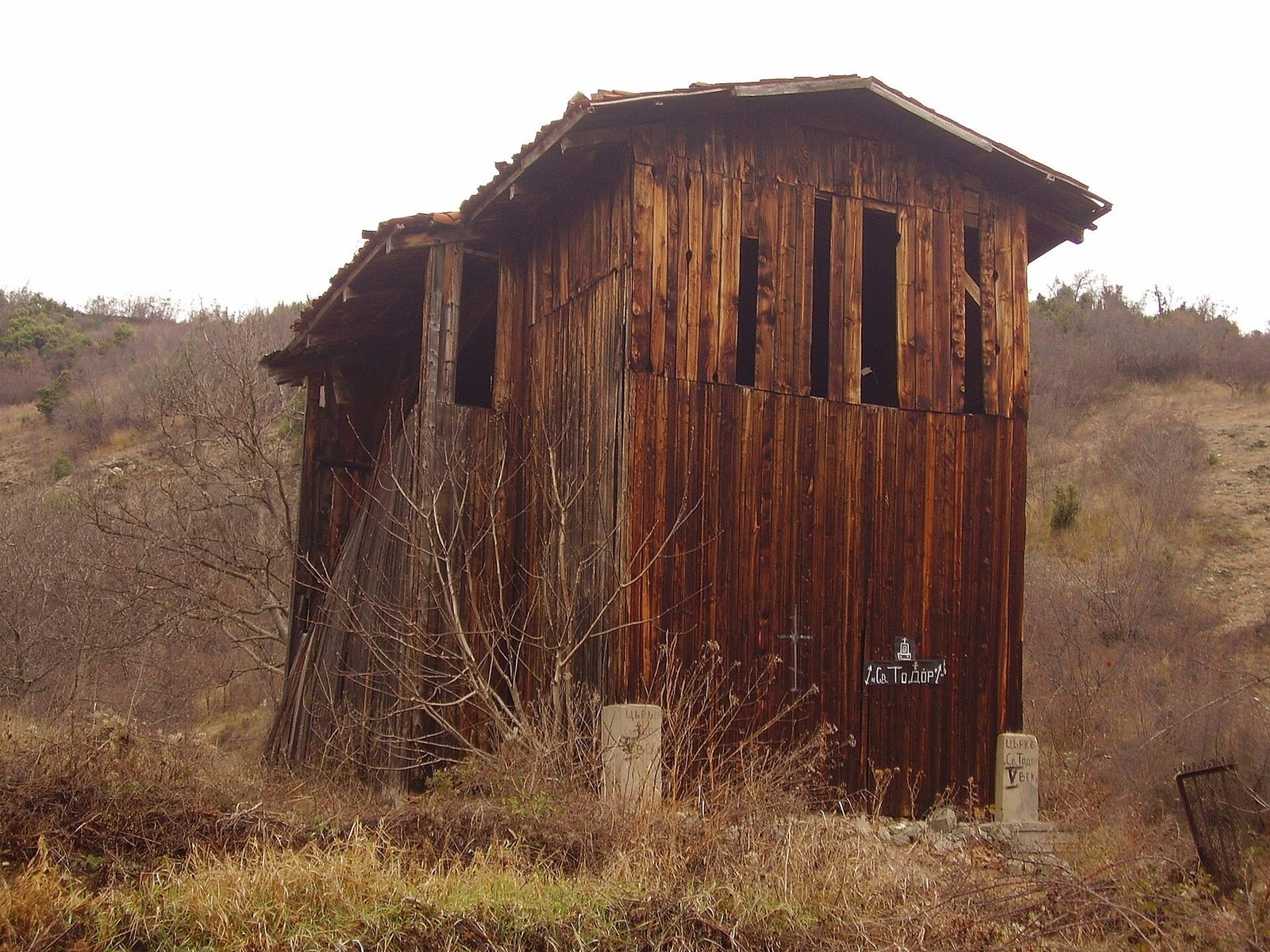
In 1962, a wooden structure was built around the church in preparation for complete restoration, but it was later removed. The church is now inactive and in ruins. In 1972, it was declared an architectural and artistic monument of culture of national importance.
Remains
Church Structure
The church stands about 2 kilometers north of Boboshevo, on a hill or elevation above the right bank of the Struma River, in the locality of Selishte. It is a Byzantine-style cross-domed building with freely projecting arms and measures 7.40 meters in length by 6.21 meters in width. Its semicircular apse contains a long, narrow window.
The dome formerly rose on a cylindrical drum, the vertical support between a dome and the structure below it. Four windows illuminated the drum. The walls were built of stone, while brick was used for the dome and vaults. In the dome, alternating brick courses were plastered, creating a distinctive decorative pattern.
Surviving Wall Paintings
Two layers of frescoes remain on the walls, although the earlier layer has been destroyed. The surviving second layer preserves parts of scenes including the Last Supper, the Washing of the Feet, the Prayer in the Garden of Gethsemane, and Judas’s Betrayal of Christ, together with other religious subjects.