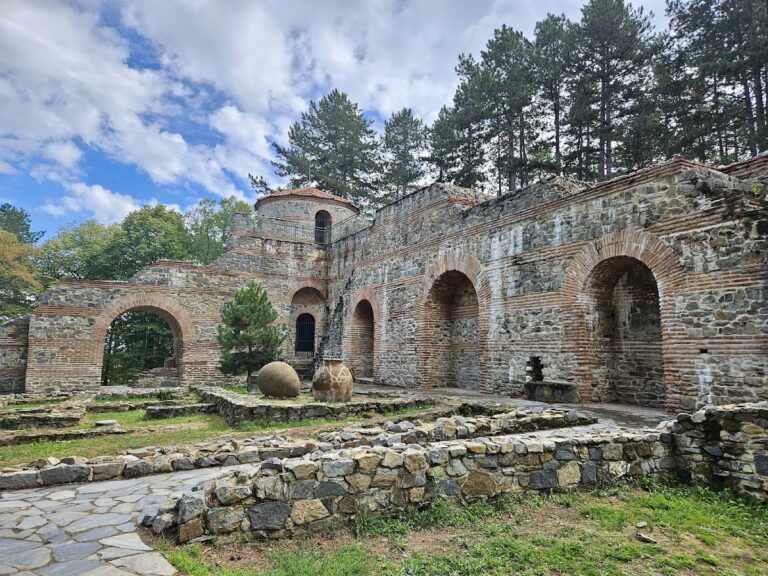
Church of Saint Petka: A Late-Medieval Bulgarian Orthodox Church


Site at a Glance
- Rating
- 4.6
- Popularity
- Very Low
- Country
- Bulgaria
- Primary era
- Medieval
- Eras represented
- Medieval, Early Modern, Modern
- Civilizations
- Bulgarian
- Site type
- Religious
- Remains
- Church
On this page4 sections
History
Church of Saint Petka is a late-medieval Bulgarian Orthodox church in Tavalichevo, Bulgaria, dating from the late fourteenth to the sixteenth century. It belongs to the Bulgarian Orthodox Church, the Eastern Orthodox Christian church organized within Bulgaria, and remains an active place of worship within the Sofia Diocese and Kyustendil Deanery.
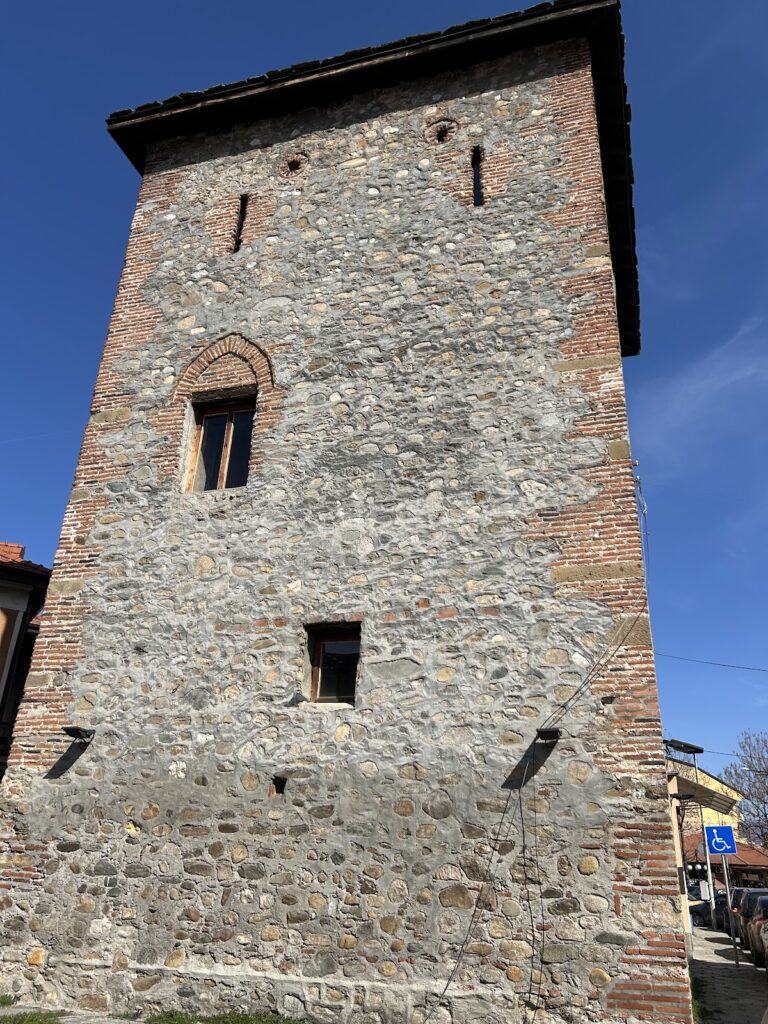
The original church was a small cemetery building dedicated to Saint Petka, the Bulgarian name commonly used for Saint Paraskeva of the Balkans, a widely venerated medieval Orthodox Christian saint. In 1900, the complex was enlarged with a much larger hall, a western gallery, and a bell tower. The bell tower incorporated part of the earlier church into its structure, preserving the older building within the later expansion.
Recognition of the church followed in the twentieth century. It was designated an architectural and construction monument of local significance in 1968, and an architectural and artistic monument of national significance in 1972.
Remains
Original Church
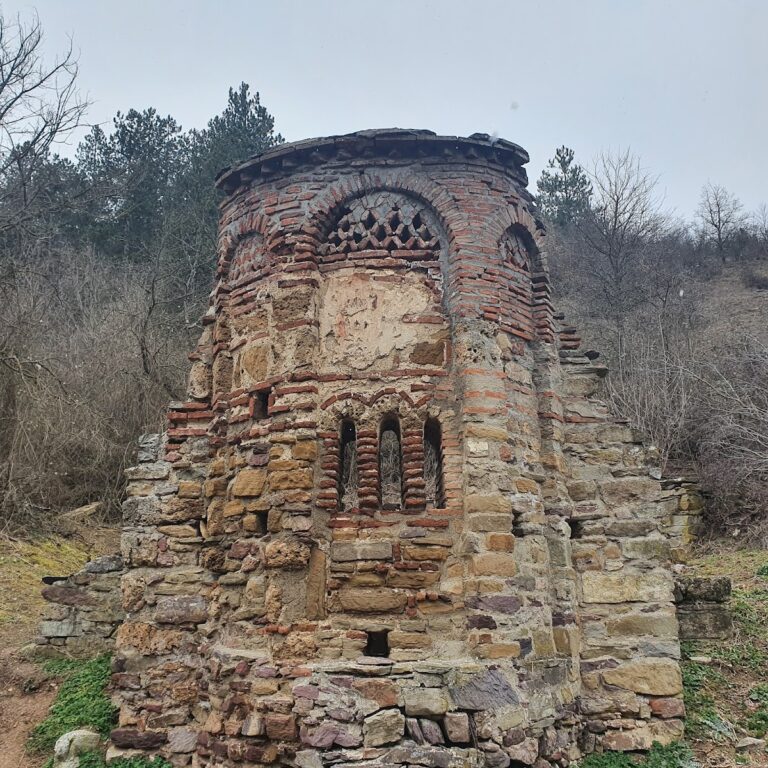
The original building is a compact cemetery church with internal dimensions of 6.35 by 3 metres. Its plan includes a single apse, the usually semicircular or polygonal end of a church that commonly contains the altar, together with two niches for chanters. A semi-cylindrical vault, meaning a barrel-shaped ceiling formed by extending a semicircular arch, spans the interior and is lit by three narrow windows.
The entire interior was originally covered with wall paintings. Only separate fragments survive, leaving portions of the painted decoration as evidence of the church’s earlier interior finish.
Later Complex
The present complex also contains the large hall, western gallery, and bell tower added in 1900. Part of the original church is enclosed within the bell tower’s volume, linking the late-medieval structure physically with the larger early twentieth-century arrangement.