Church of All Saints in Sutton Courtenay: A 12th-Century Parish Church
Site at a Glance
- Rating
- 4.8
- Popularity
- Low
- Country
- United Kingdom
- Primary era
- Medieval
- Eras represented
- Medieval, Early Modern, Modern
- Civilizations
- British, English
- Site type
- Religious
- Remains
- Church
On this page15 sections
History
Medieval origins and rights
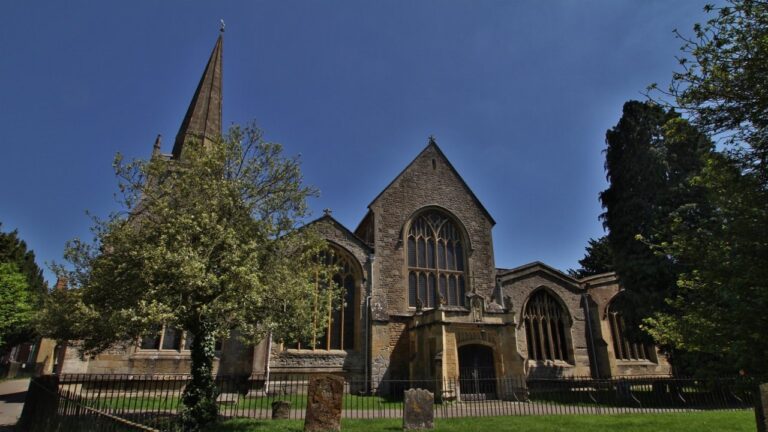
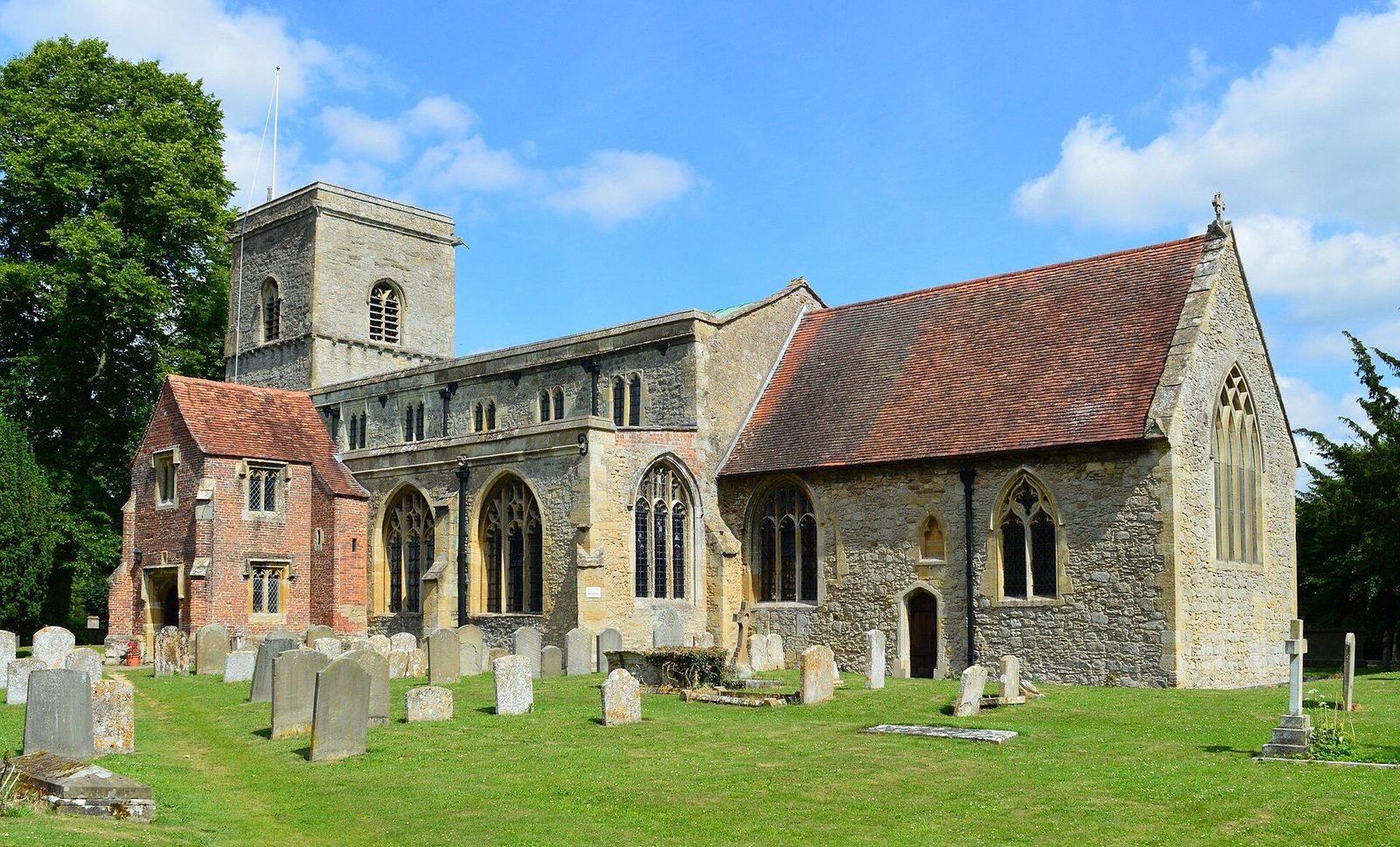
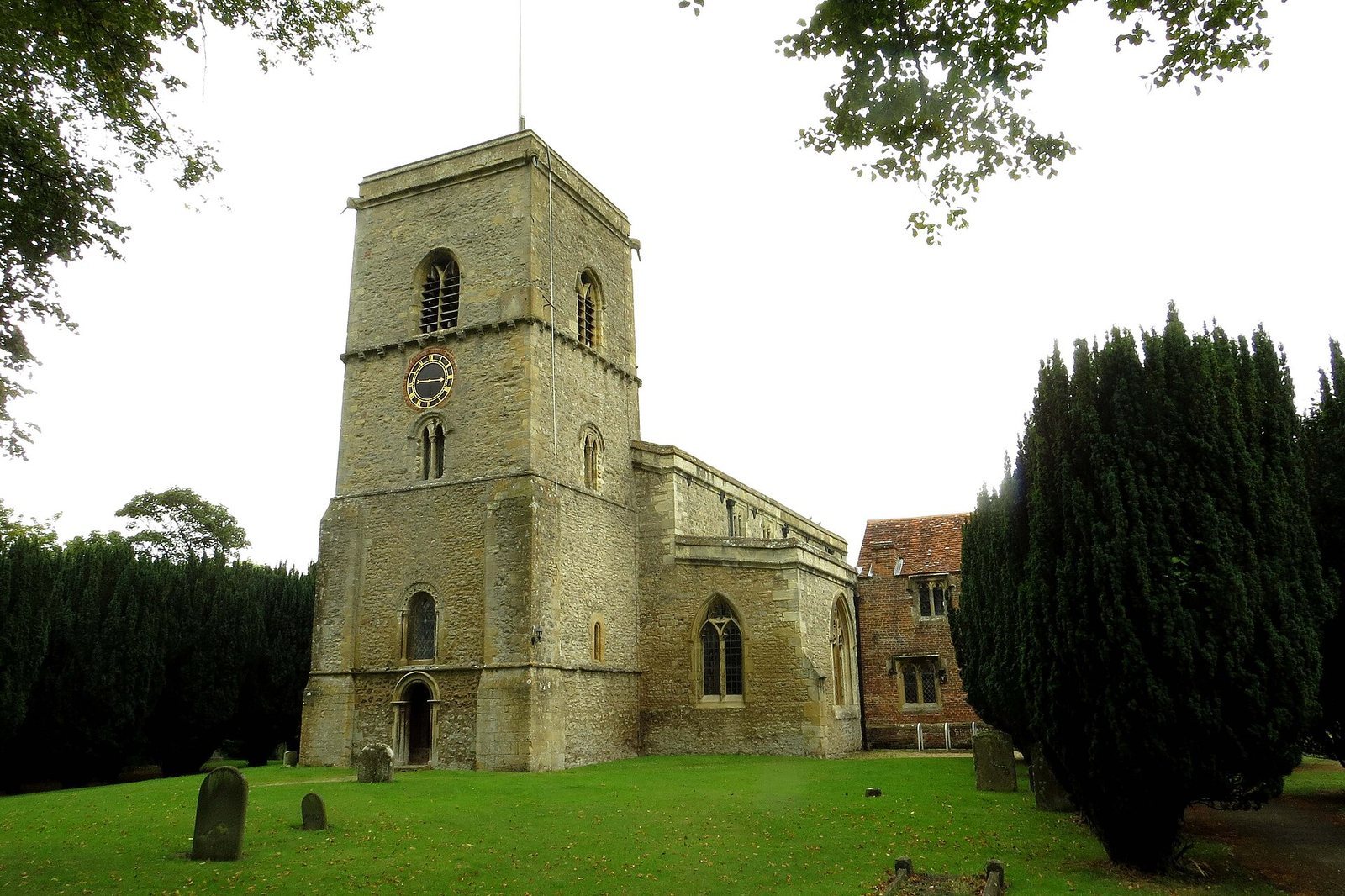
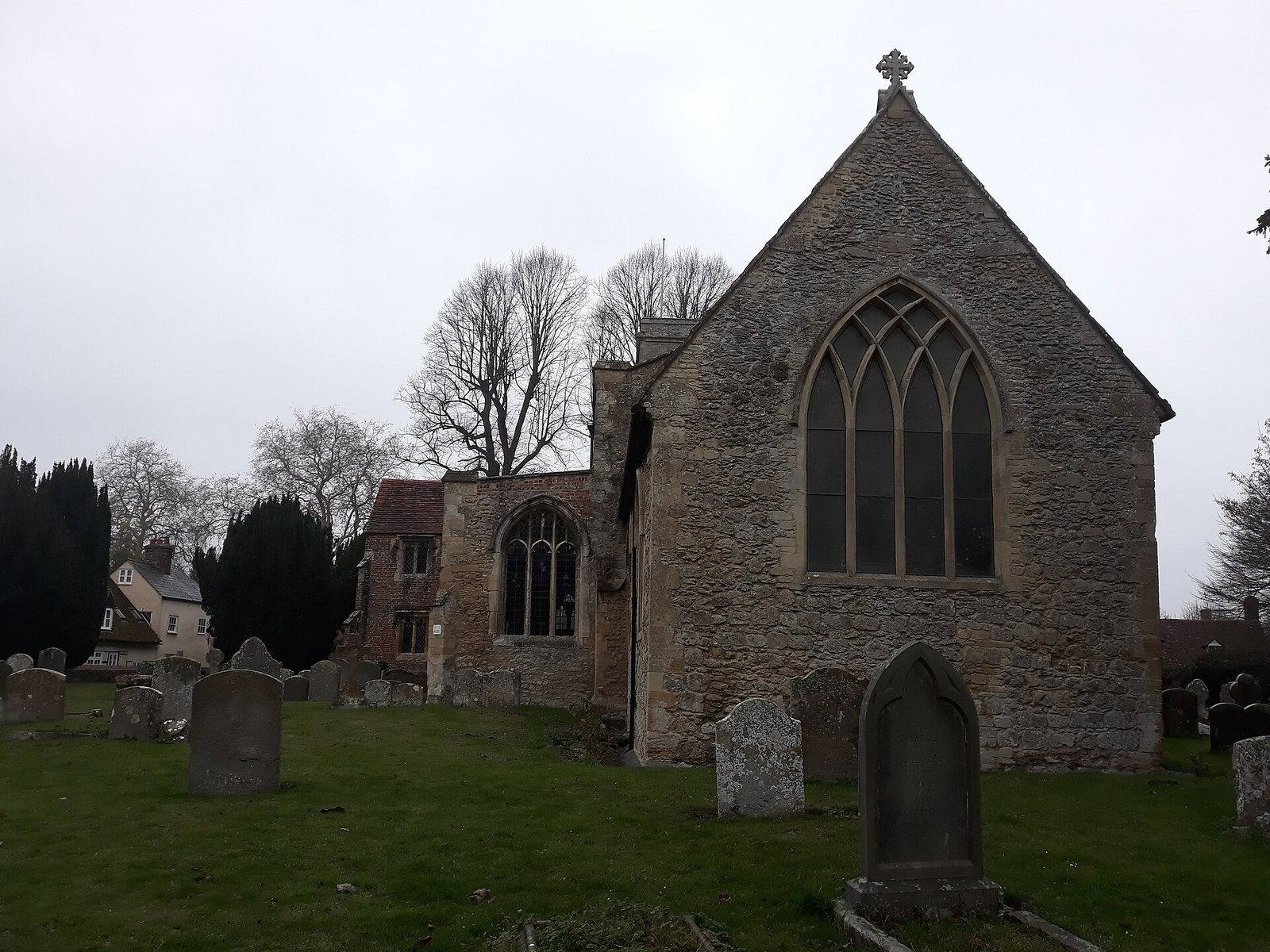
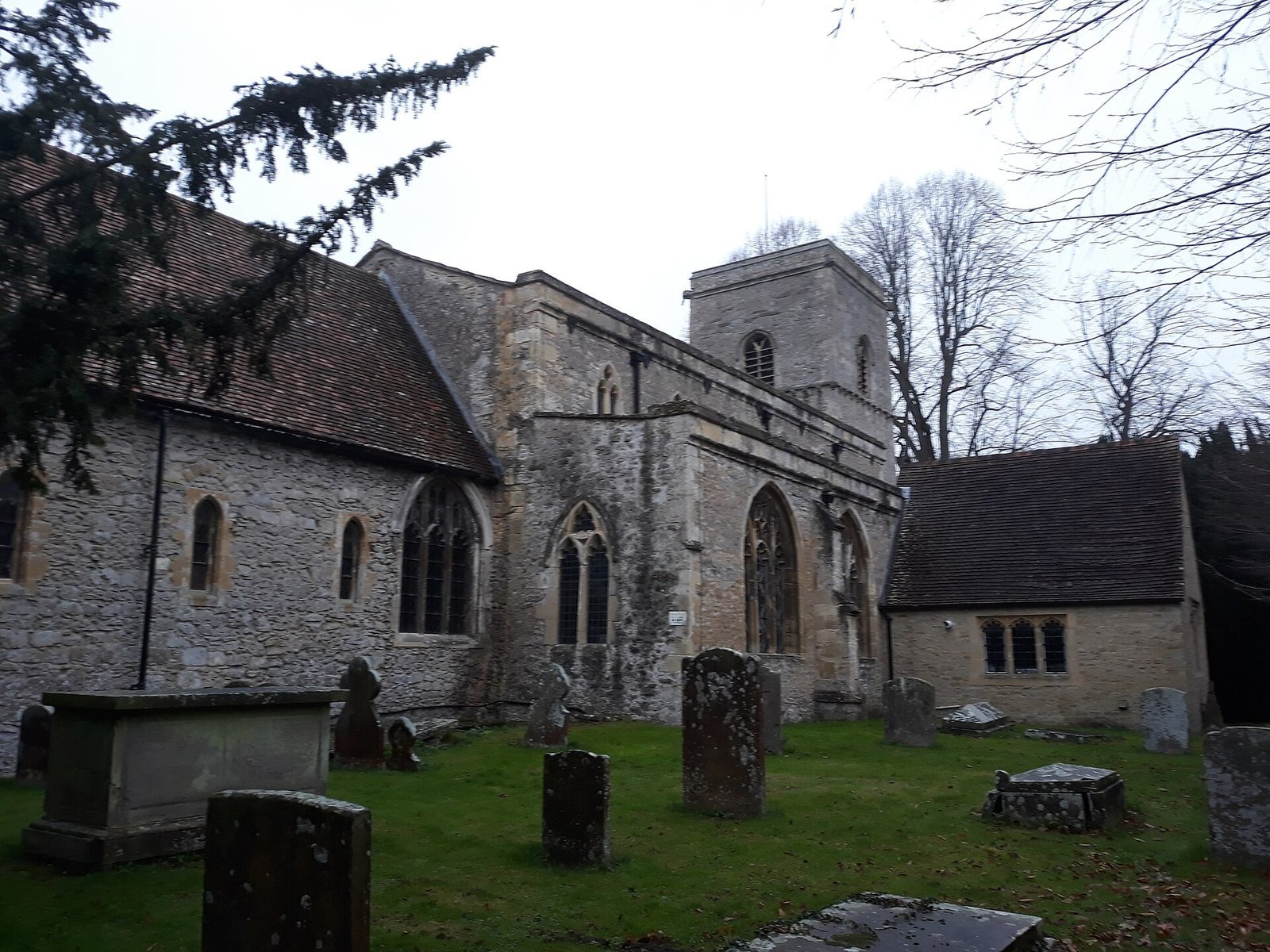
The Church of All Saints in Sutton Courtenay is a 12th-century Church of England parish church in the United Kingdom. Its nave and lower west tower are late Norman. As a parish church of the Church of England, England’s established Anglican church, it belongs to the Diocese of Oxford, an area administered by a bishop, within the Province of Canterbury, a larger church administrative region.
Rights over the church passed between Abingdon Abbey, a medieval religious house, and the Pope, head of the Roman Catholic Church. In 1258, the Abbey leased the church. After Hugh Courtenay inherited the manor, a landed estate associated with a lord’s authority, he took over the Abbey’s rights.
Seventeenth-century damage and later history
In 1643, during the English Civil War, a conflict between supporters of the monarchy and Parliament, gunpowder and munitions stored in the church exploded. The blast shattered windows and damaged part of the tower. A wall painting of the Stuart royal arms is believed to have been added after the monarchy returned in 1660.
The church has been Grade I listed, England’s highest listed-building category, since 1966. A separate chest tomb in the churchyard has Grade II* status, a category for particularly important buildings of more than special interest. Parish registers of christenings, marriages, and burials begin in 1538–39 and are held at the Berkshire Record Office in Reading.
H. H. Asquith, British prime minister from 1906 to 1916, died in 1928 and was buried in the churchyard after a simple service. He had wanted to be buried at Sutton Courtenay rather than Westminster Abbey. His second wife, Margot Asquith, was buried with him in 1945.
Newspaper owner David Astor arranged for his friend George Orwell, the pen name of Eric Arthur Blair, to be buried in the churchyard according to Orwell’s wish for a Church of England burial in the nearest convenient cemetery. Orwell had no connection with Sutton Courtenay. His body was brought from London, and he was buried on 26 January 1950. Astor is also among those buried in the churchyard.
Remains
The church stands in the centre of Sutton Courtenay, near the northeast corner of the village green. Its fabric brings together late Norman work, medieval additions, and later fittings, with the west tower and its bell chamber forming a prominent part of the building.
Church fabric and interior
Norman nave and font
The nave and lower stages of the west tower date to the late Norman period. The Norman font is decorated with a series of pointed arches.
Chancel, tower, aisles, and clerestory
The chancel and the tower’s third stage date from the 13th century. Fourteenth-century work added north and south aisles, each with a four-bay arcade, or row of arches divided into four sections. The clerestory, a high wall section with windows, has five windows on each side. Most are Perpendicular Gothic, a later English Gothic style, while two on the north side are Decorated Gothic, an earlier phase.
South porch and door
The two-storey south porch is made of brick and dates from the early 16th century. Its oak south door, with panelled decoration, is from the same period.
Tower clock and bells
The west tower has a clock with a one-handed dial, one of 22 such dials in England. Its eight bells are arranged for change ringing, in which bells sound in changing sequences. The ring is tuned to F major, and the bells weigh between three and 12 British hundredweight, with each hundredweight equal to 112 pounds. The sixth and seventh bells were cast by Richard Keene of Woodstock in 1675; Thomas Swain of Longford cast the fourth in 1775, Robert II Wells of Aldbourne cast the third in 1787, and Robert Taylor cast the fifth at his Oxford foundry in 1829. The Whitechapel Bell Foundry recast the lowest-pitched bell, the tenor, in 1965. The ring had six bells until that foundry cast the highest-pitched bell, the treble, and the second bell in 1986.
Screen, painting, and furnishings
The 15th-century rood screen, a partition between nave and chancel, has five bays. Above the chancel arch is a wall painting of the Stuart royal coat of arms, believed to have been added after the monarchy’s return in 1660. One pew bears the date 1633. The hexagonal pulpit is in the style associated with the reign of James I and was given to the church in 1901.
Churchyard monuments and graves
Medieval chest tomb
About 33 feet (10 metres) south of the chancel is a 15th-century chest tomb, a raised, box-shaped monument. Its sides are decorated with quatrefoil panels, each formed by four rounded lobes.
Thomas Dalby’s tomb
An 18th-century chest tomb for Thomas Dalby, who died in 1734, stands about 49 feet (15 metres) east of the chancel.
H. H. Asquith’s tomb
South of the chancel, Asquith’s grave is marked by a large stone chest tomb.
George Orwell’s grave
Orwell’s grave is simple, with a red rose bush growing on it.