Chorut Monastery: A Medieval Armenian Religious Center
Site at a Glance
- Popularity
- Medium
- Country
- Armenia
- Primary era
- Medieval
- Eras represented
- Medieval
- Civilizations
- Georgian
- Site type
- Religious
- Remains
- Church
On this page9 sections
History
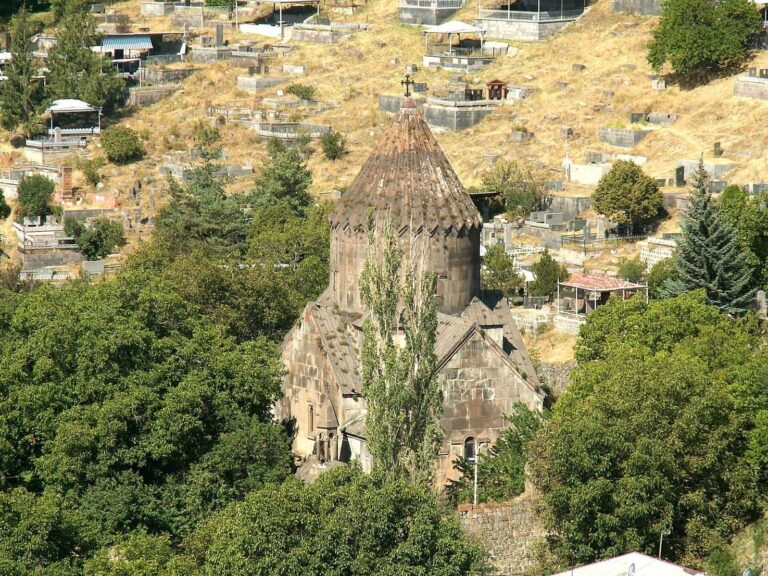
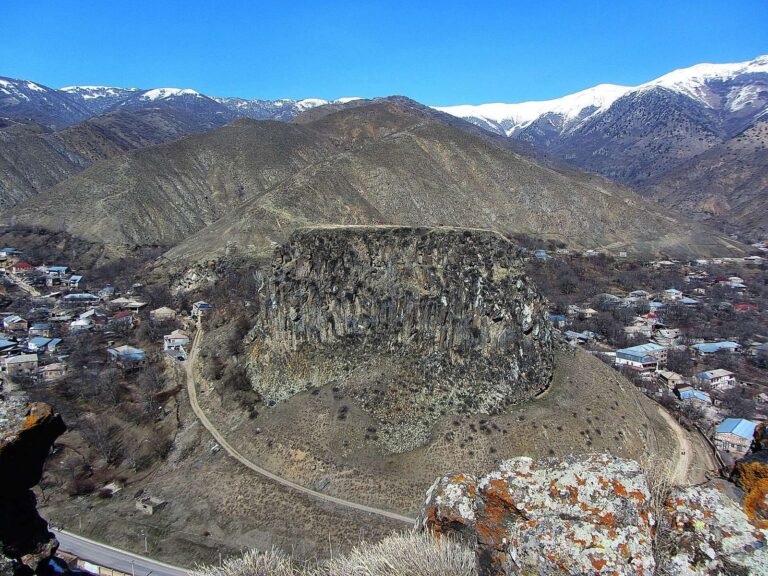
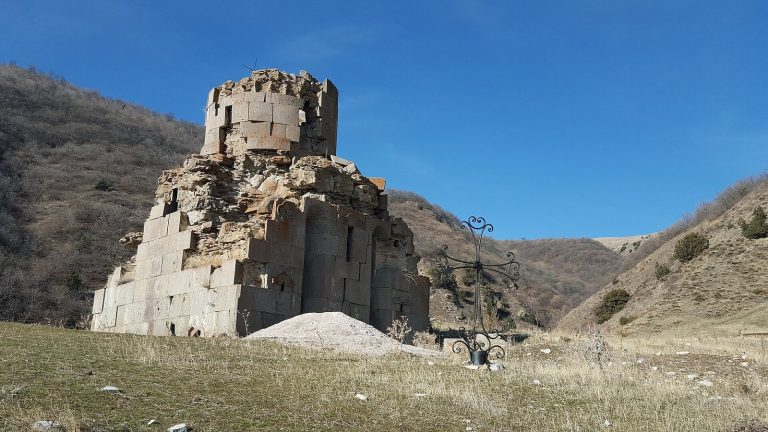
Chorut Monastery, also known as the Church of the Holy Mother of God, is a ruined Armenian monastic complex on a wooded mountainside about 5 km northeast of Arzakan in Armenia’s Kotayk Province. The monastery was built in 1207, and its church followed a cross-domed Armenian design, arranged around a cross-shaped plan beneath a dome.
Medieval religious center
From the 12th through the 17th centuries, the site was a religious and cultural center with an architectural complex. It was especially important as a religious center in the 13th century. The church belonged to the Armenian Apostolic Church, an ancient Christian church, and the Kotayk Diocese, its regional ecclesiastical jurisdiction. Princes and local residents used it as a place of prayer.
The site is also associated with a summer residence of Artavazd II, a king of Armenia in the first century BCE. The name Chorut Monastery, used in scholarly studies, does not appear in surviving primary sources and may have originated later.
Earthquake and later investigation
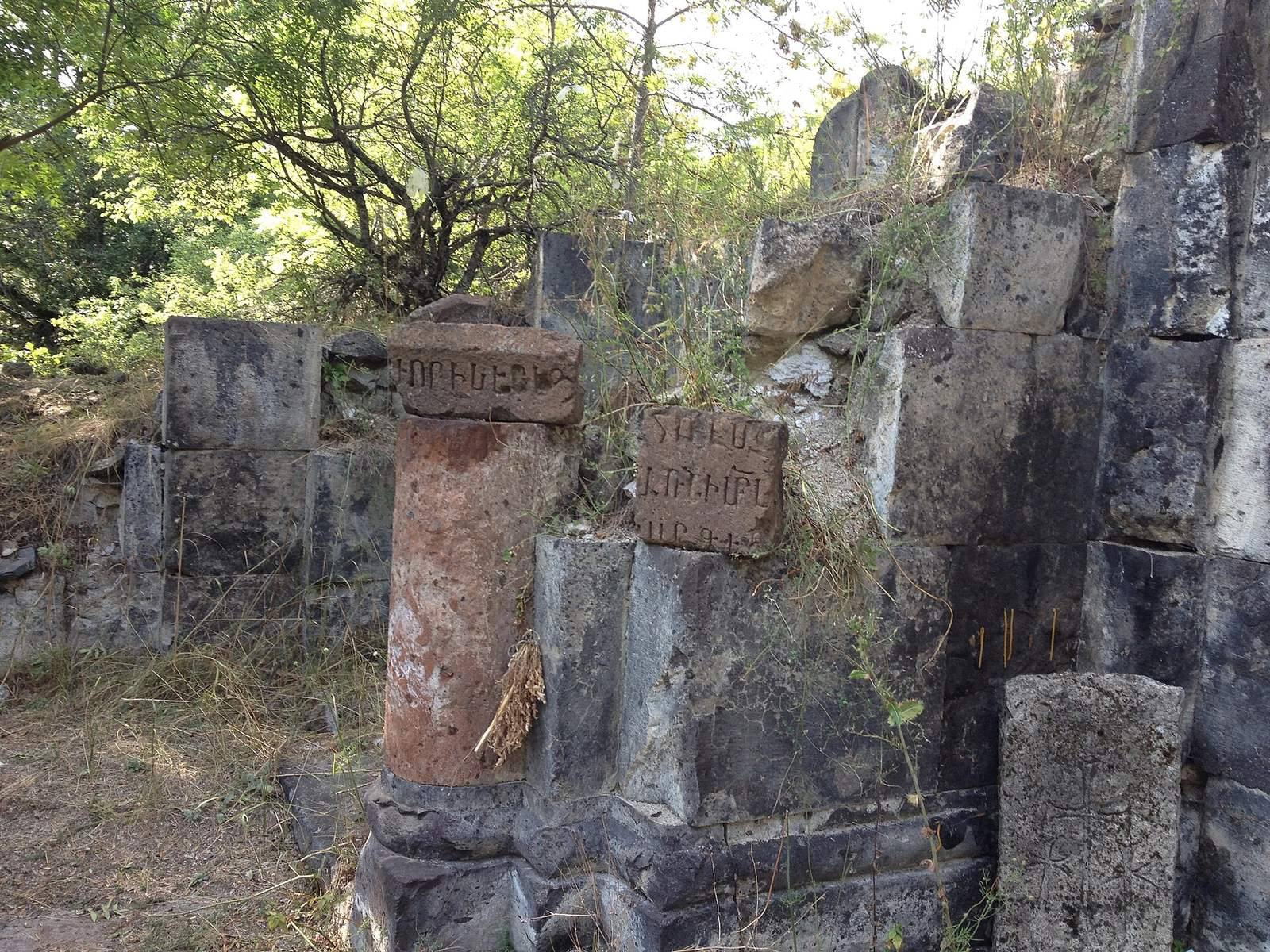
An earthquake destroyed the complex, and the church is no longer active. In 1969–1970, the Department for the Protection and Use of Historical and Cultural Monuments of the Armenian SSR, the Soviet-era Armenian republic, cleared the ruins, revealing remains of a large complex. The site remains relatively little studied. Epigraphist Gagik Sargsyan, a specialist in inscriptions, examined and published its inscriptions.
Remains
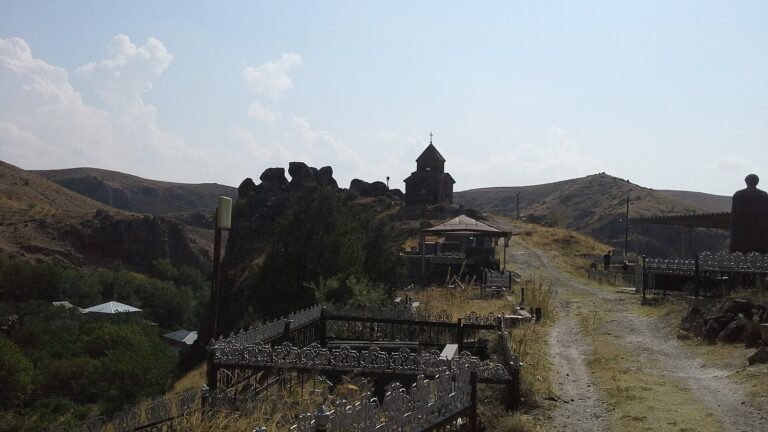
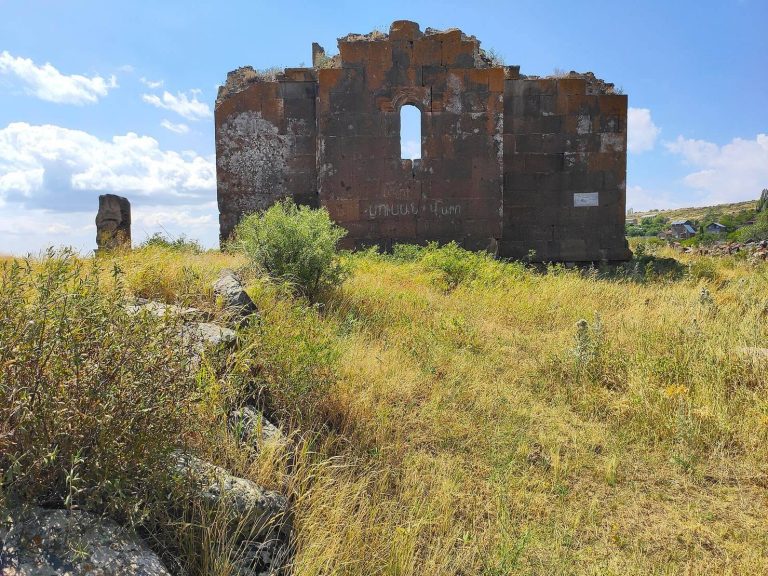
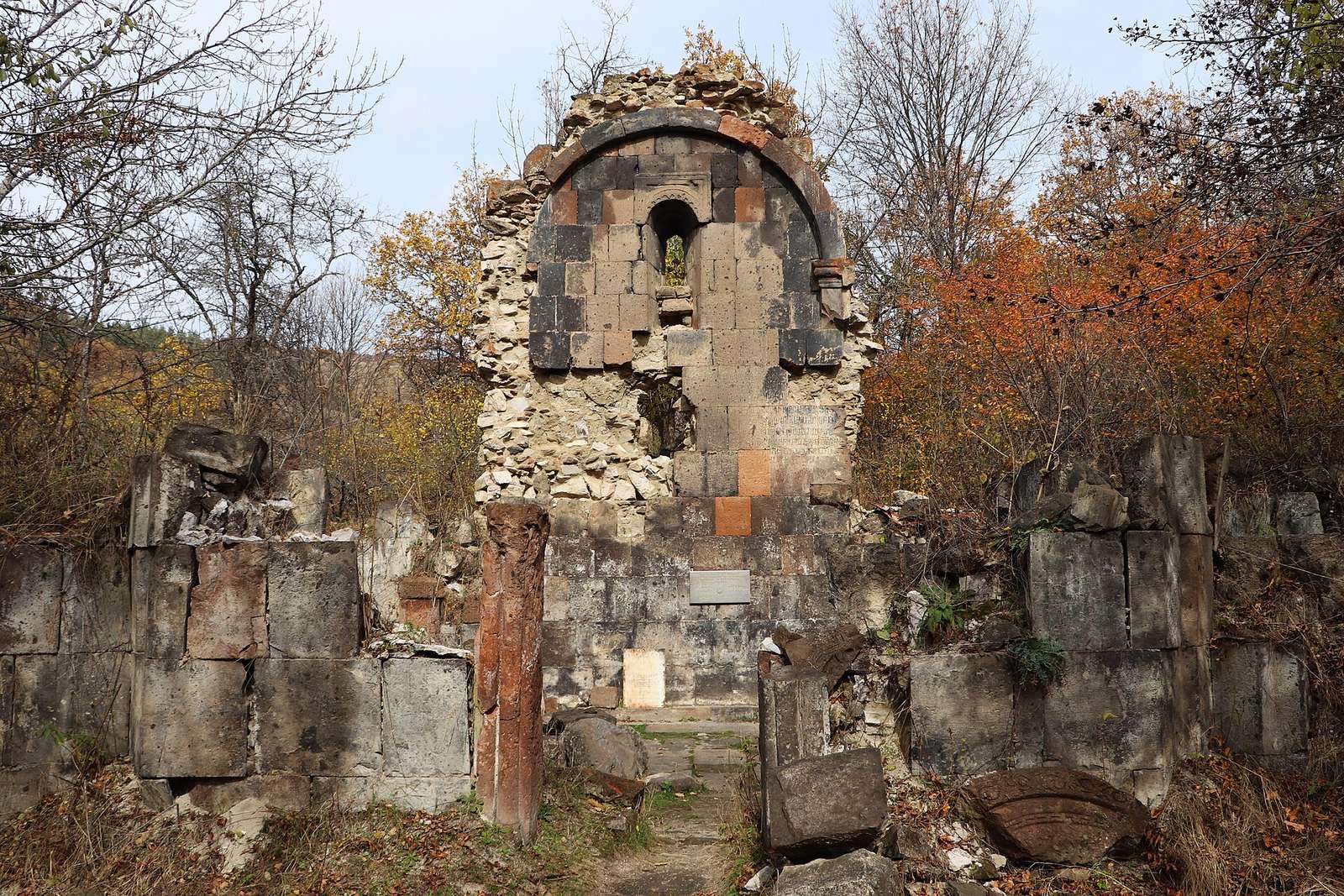
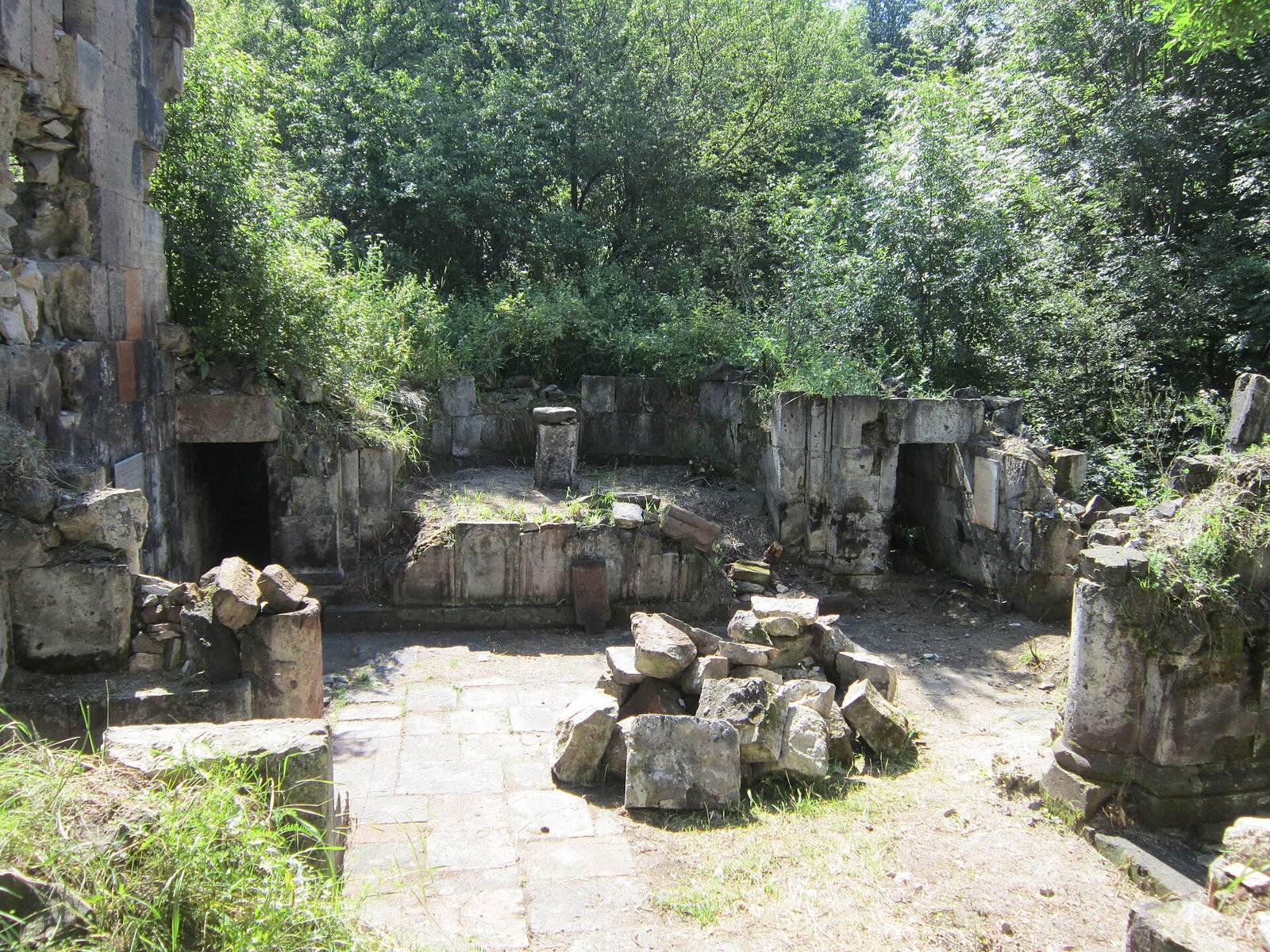
The surviving layout includes the church’s cross-shaped foundation and a wall from its front section, alongside a small prayer structure. The medieval monastery cemetery lies about 200 m south of the complex ruins.
Church and associated remains
Church
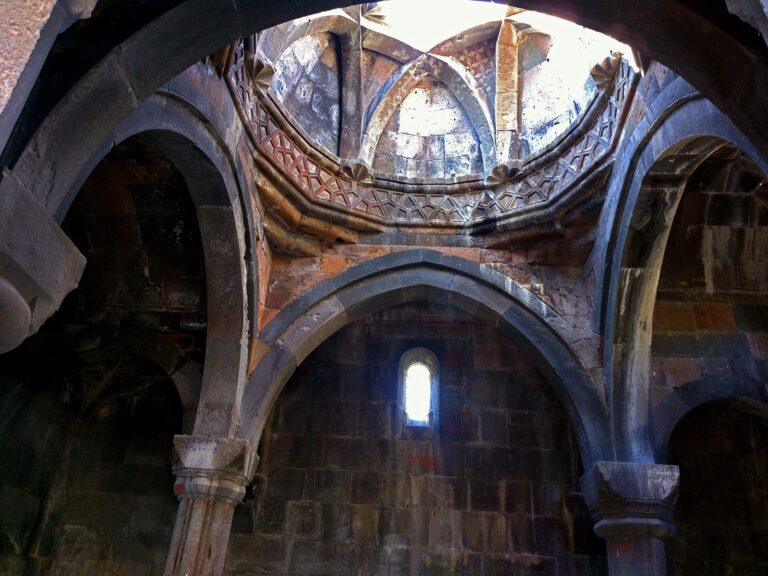
The church had a dome and a cross-shaped plan. Its foundation survives, as does a wall from the front section. An inscription appears on the church’s inner facade, and a khachkar, a carved Armenian cross-stone monument, is associated with the church.
Carved details and building stones
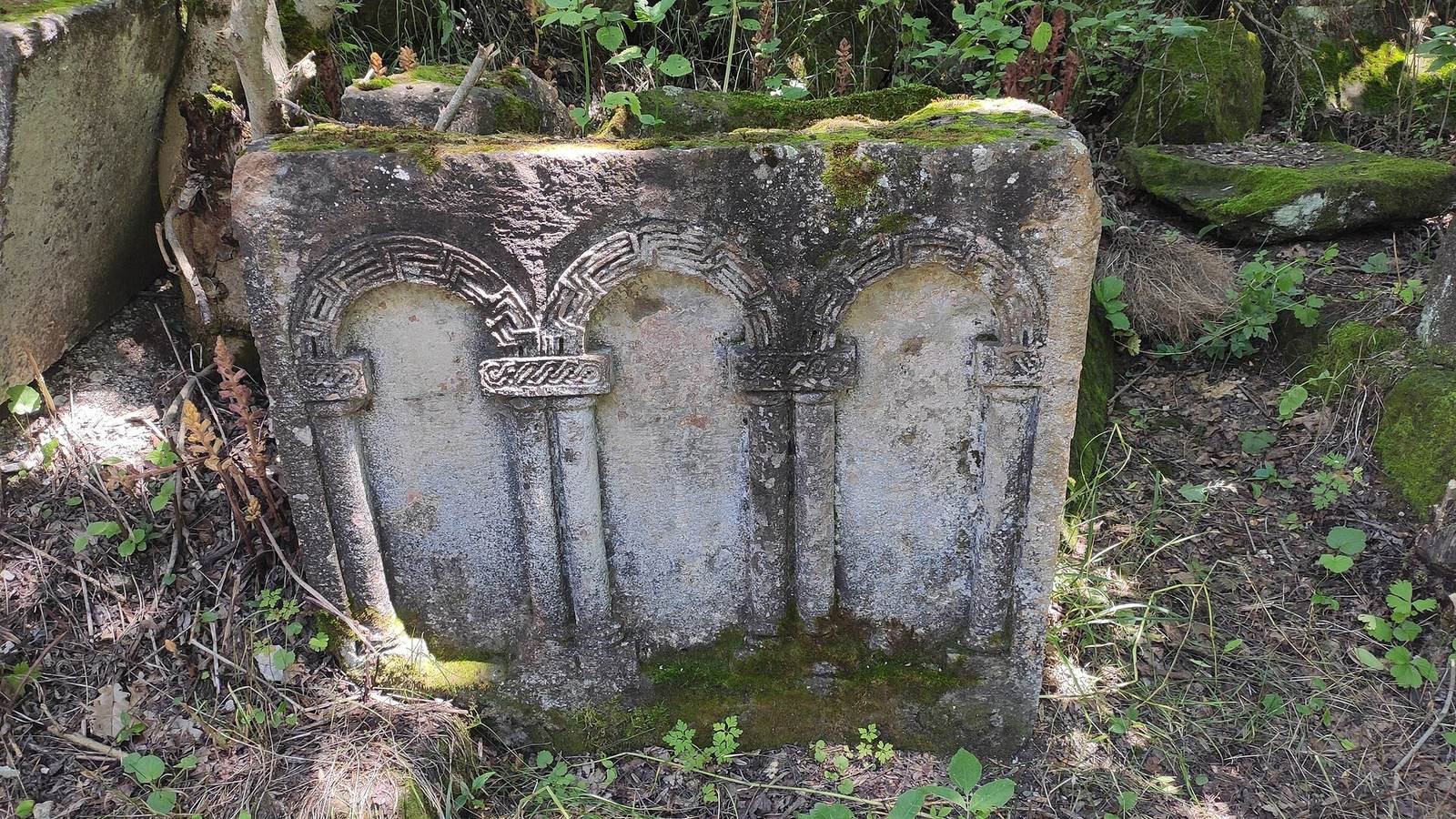
The ruins preserve richly ornamented carvings and traces of decorative finishing techniques. Dozens of inscribed building stones were found during the clearance of 1969–1970.
Prayer structure
A small prayer structure also survives among the monastery remains.
Cemetery
The medieval monastery cemetery is located about 200 m south of the ruins.